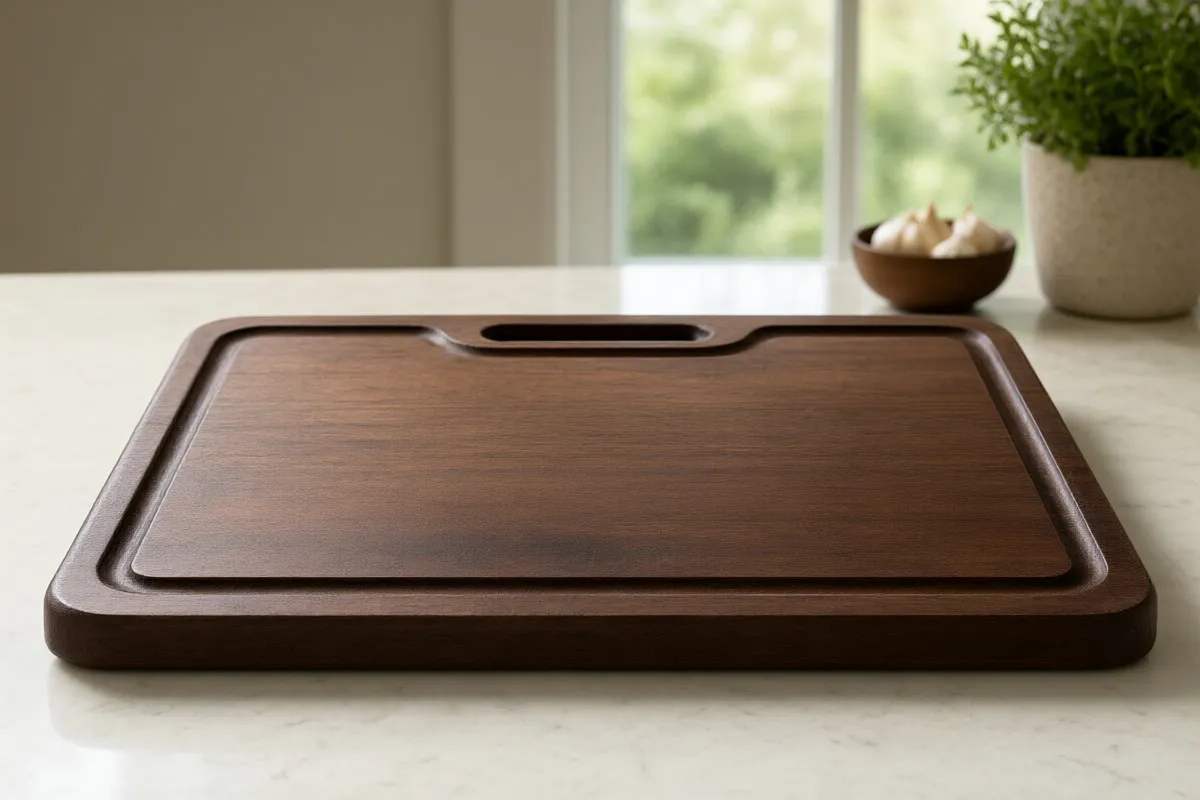
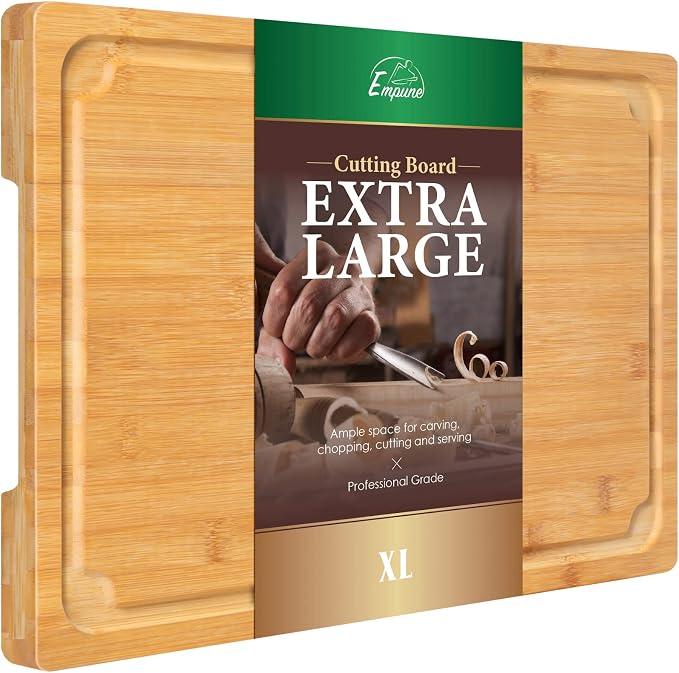
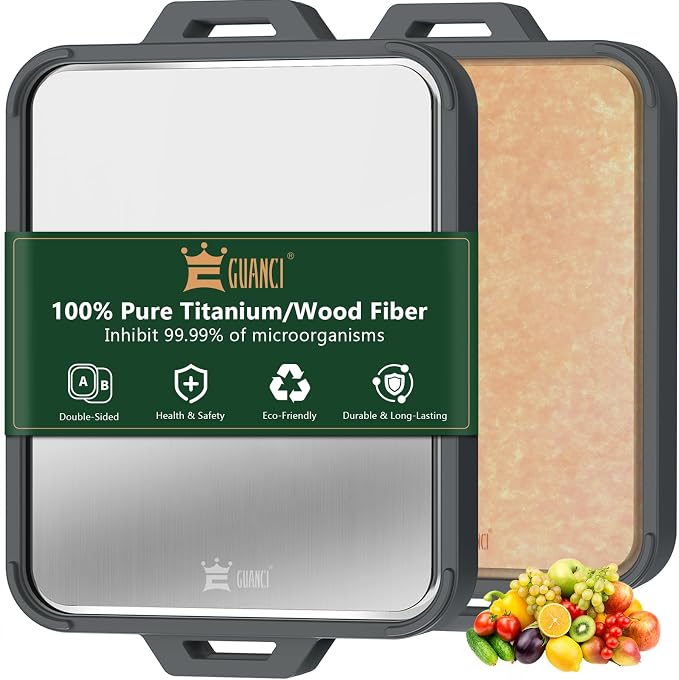
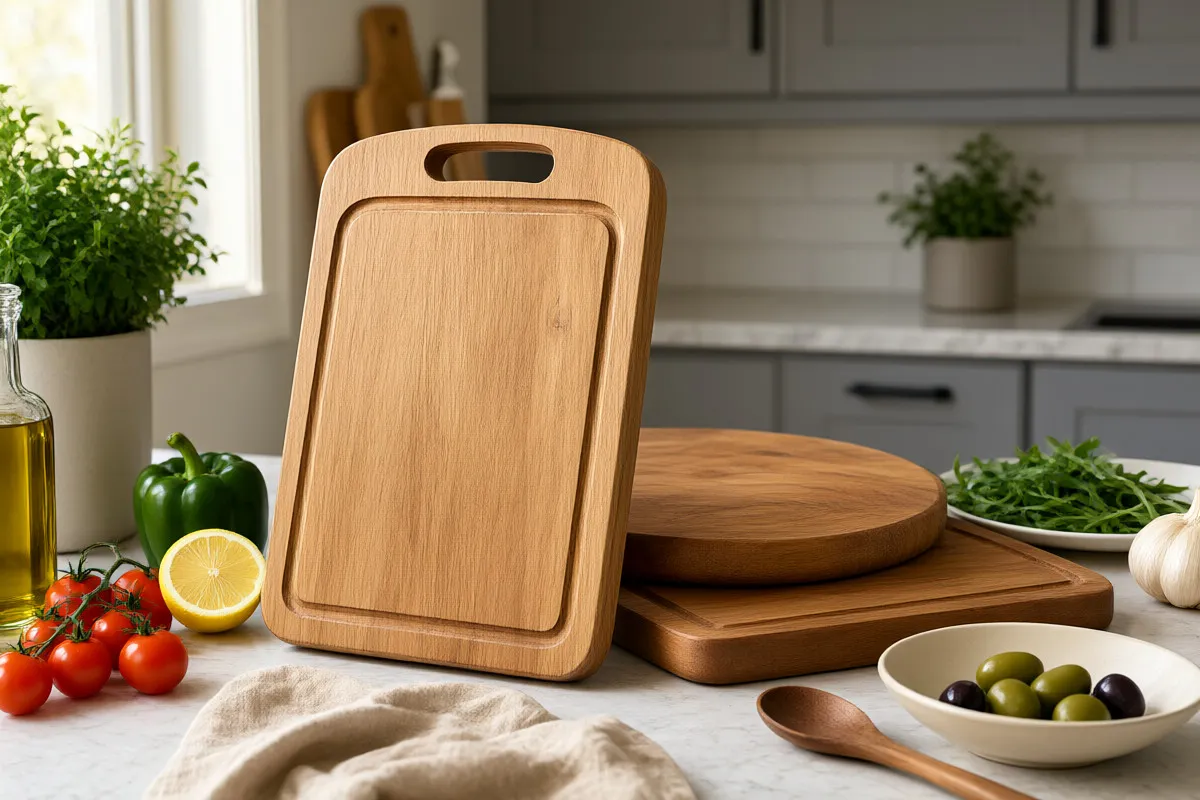
01Since durability is key for a cutting board that lasts, let’s break down which materials hold up best. I’ve found that hardwood options like walnut and bamboo are tough against warping, cracking, and splintering, even with daily use. Bamboo strikes a great balance —it’s hard enough for smooth cutting but gentle on knives over time. If you’re after something modern, titanium boards are a game-changer; they’re naturally antibacterial, resist stains, and shrug off knife scratches like a pro. Wood fiber composites are another favorite of mine—they’re sturdy, eco-friendly, and won’t bend or warp. Thickness and density matter too —thicker, denser boards handle heavy-duty tasks without wearing down quickly. Trust me, picking the right material makes all the difference in keeping your board in top shape.
02If you’re anything like me, you want a cutting board that’s not just durable but also a breeze to care for. Wooden boards need regular oiling to stay in top shape, which can be a hassle if you forget. On the other hand, non-porous materials like plastic or titanium are super easy—just toss them in the dishwasher, and you’re done. Smooth surfaces wipe down quickly, while textured ones trap crumbs and require extra scrubbing. I love boards that resist stains and odors because they save me from deep cleaning sessions. Handwashing with mild soap works for most, but if you’re short on time, dishwasher-safe options are a lifesaver. Trust me, choosing low-maintenance materials means more time cooking and less time fussing.
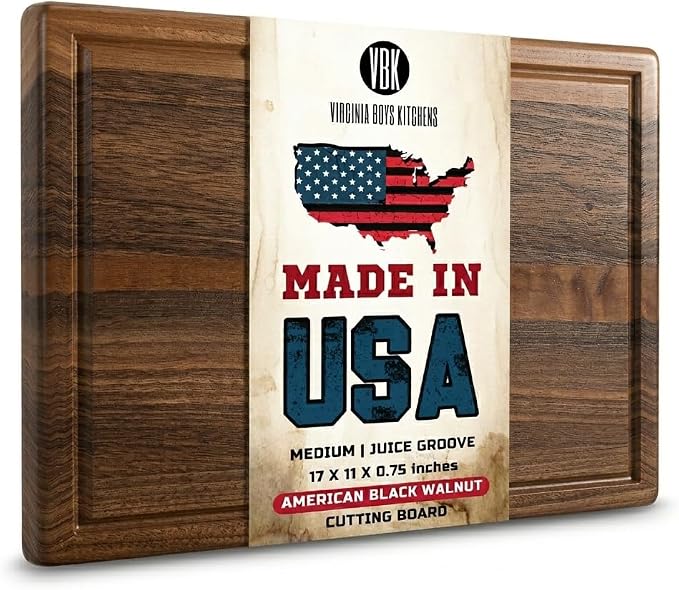
03Selecting the right size cutting board can make all the difference in your kitchen experience, and I’ve learned this the hard way after juggling ingredients on a board that was too small. Matching the board to your counter space is key—too big, and it’s unstable; too small, and it’s frustrating. I’ve found larger boards (around 17×11 inches) perfect for tasks like carving meat or prepping multiple ingredients at once. On the other hand, smaller boards (like 15×11 inches) are great for compact kitchens or lighter tasks, like chopping veggies. Think about the meals you usually make—bigger jobs need more room! Also, consider storage; a board that’s too large can be a hassle to put away. Getting the size right saves time and keeps cooking stress-free.
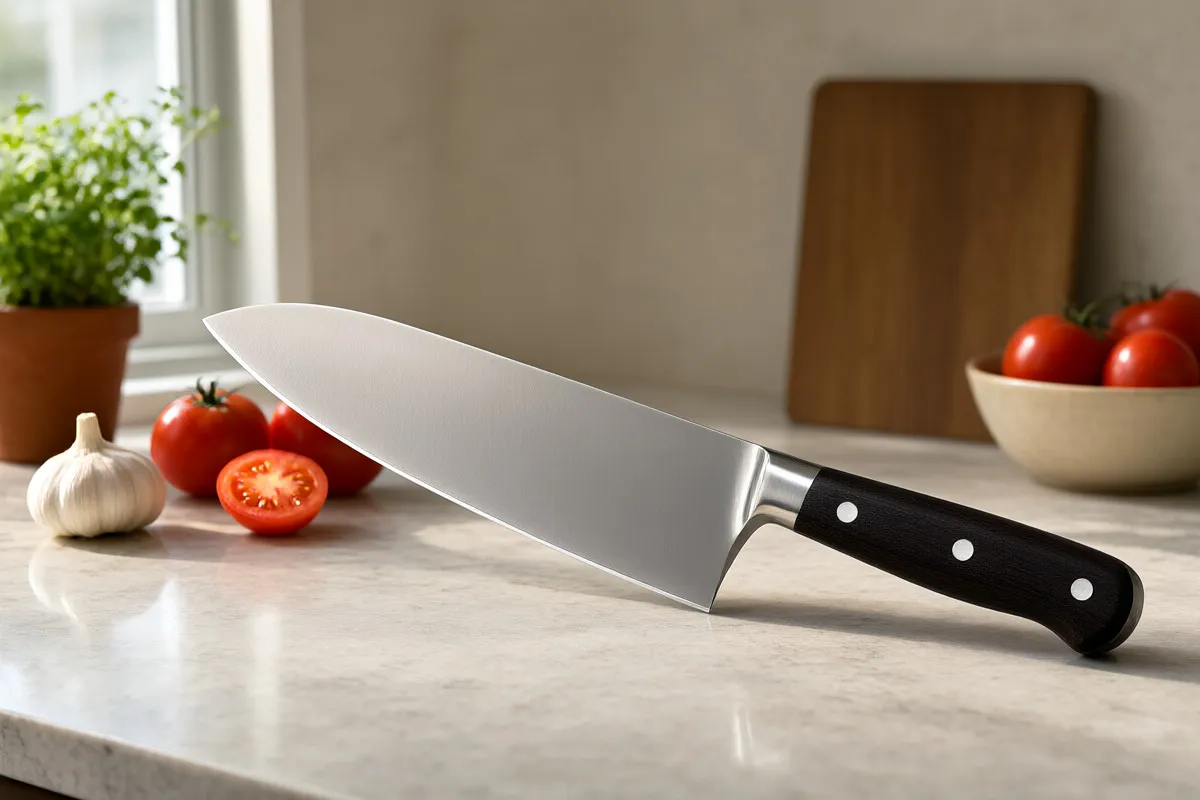
04After figuring out the right size for my cutting board, I realized the surface it’s made of is just as important—especially for my knives. I’ve learned that using a hard surface, like glass, can dull my blades faster because it doesn’t give at all. Instead, I prefer softer materials like wood or bamboo, which are gentler on my knives and keep them sharp longer. These surfaces have a bit of give, reducing friction and preventing tiny nicks in the blade. I also avoid anything too rough, as that can cause micro-damage over time. Walnut is another great option I’ve tried—it’s smooth, durable, and easy on my knives. Choosing a knife-friendly surface means I can chop, slice, and dice without worrying about ruining my favorite tools.
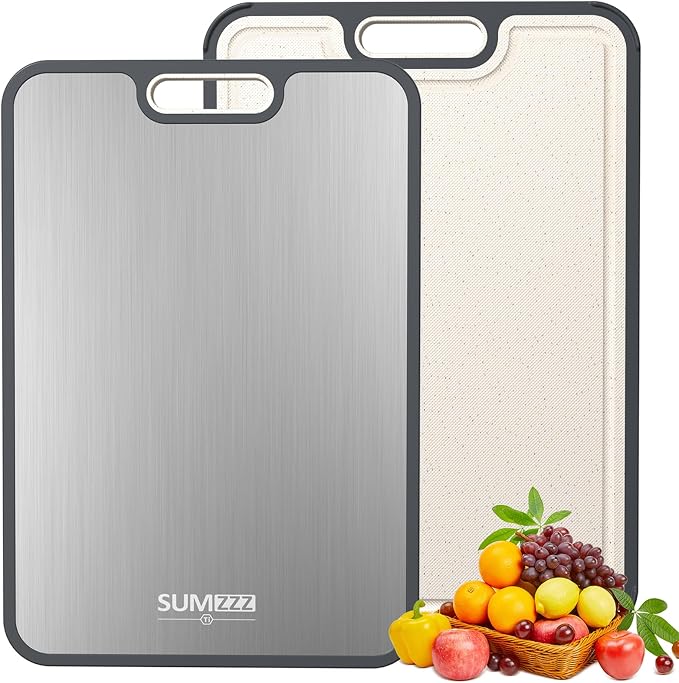
05Since I’m always juggling veggies, meats, and herbs in my kitchen, I’ve learned that keeping my cutting board clean is essential—not just for my sanity, but for my family’s health too. I look for boards with non-porous surfaces because they don’t absorb bacteria, making them easier to sanitize. Antibacterial materials are a huge plus, as they reduce cross-contamination risks, especially when handling raw meat. Smooth surfaces resist stains and odors, which keeps things fresh and low-maintenance. I also love double-sided boards —they let me separate raw proteins from produce, cutting down on food safety worries. Finally, dishwasher-safe options are a game-changer for me. I can toss them in after a busy cooking session, and they come out spotless. These features make meal prep safer and less stressful every time.
06When I’m chopping veggies or slicing meat, a cutting board’s design can make all the difference between a smooth prep session and a messy, frustrating one. I love boards with a built-in juice groove because they keep liquids from spilling onto my countertops, saving me cleanup time. Reversible designs are a game-changer—I flip the board for raw meats on one side and veggies on the other to avoid cross-contamination. Non-slip edges or silicone grips are must-haves for me; they keep the board steady so I can chop confidently. Double-sided boards are perfect for keeping my workspace clean and organized. Plus, a lightweight board with handles makes it easy to carry food straight from the kitchen to the table. These small details make my cooking experience so much better.