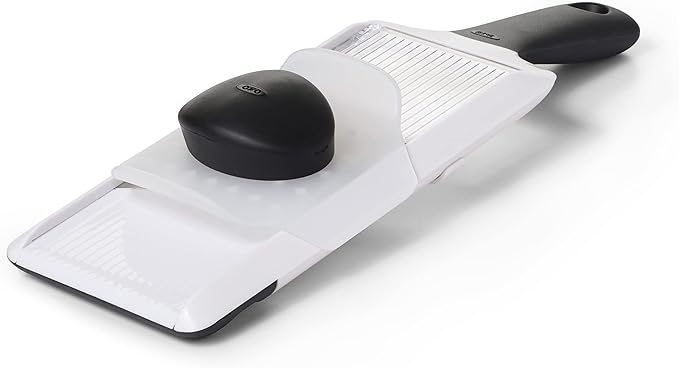
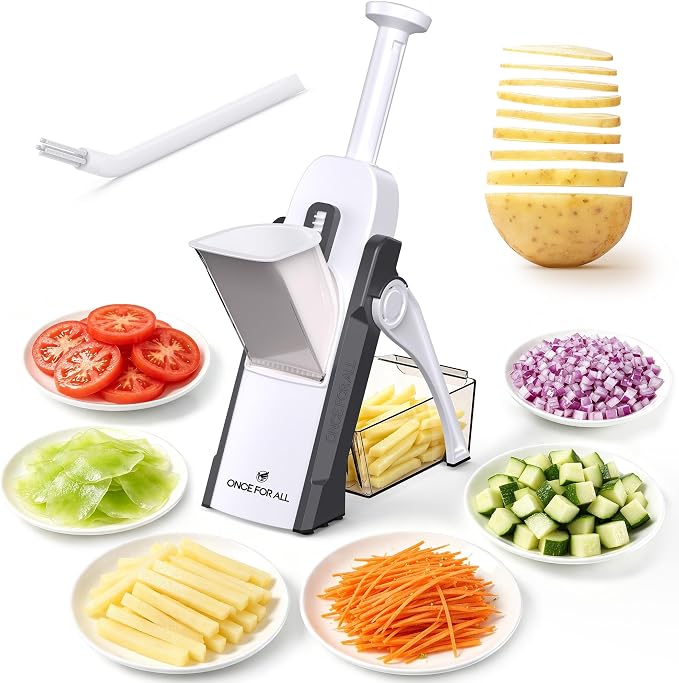
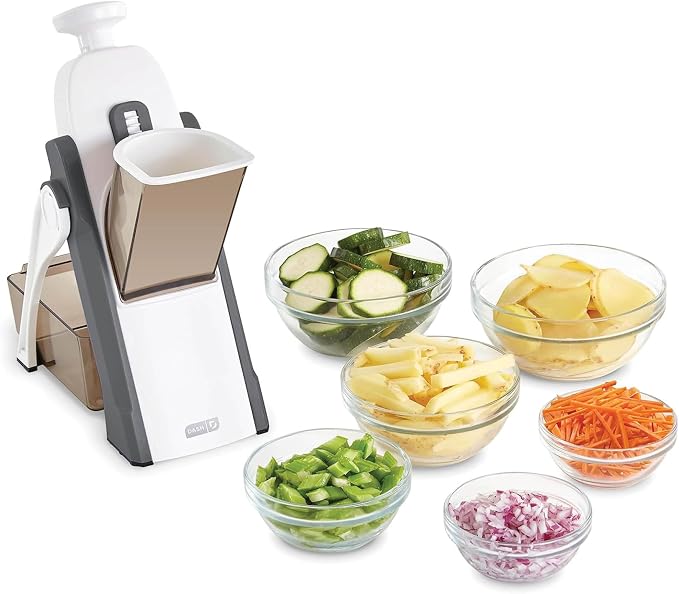
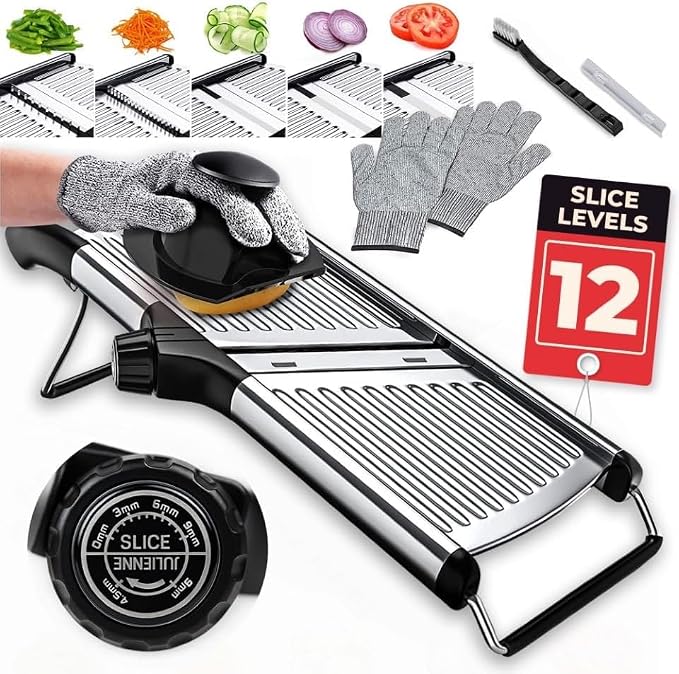
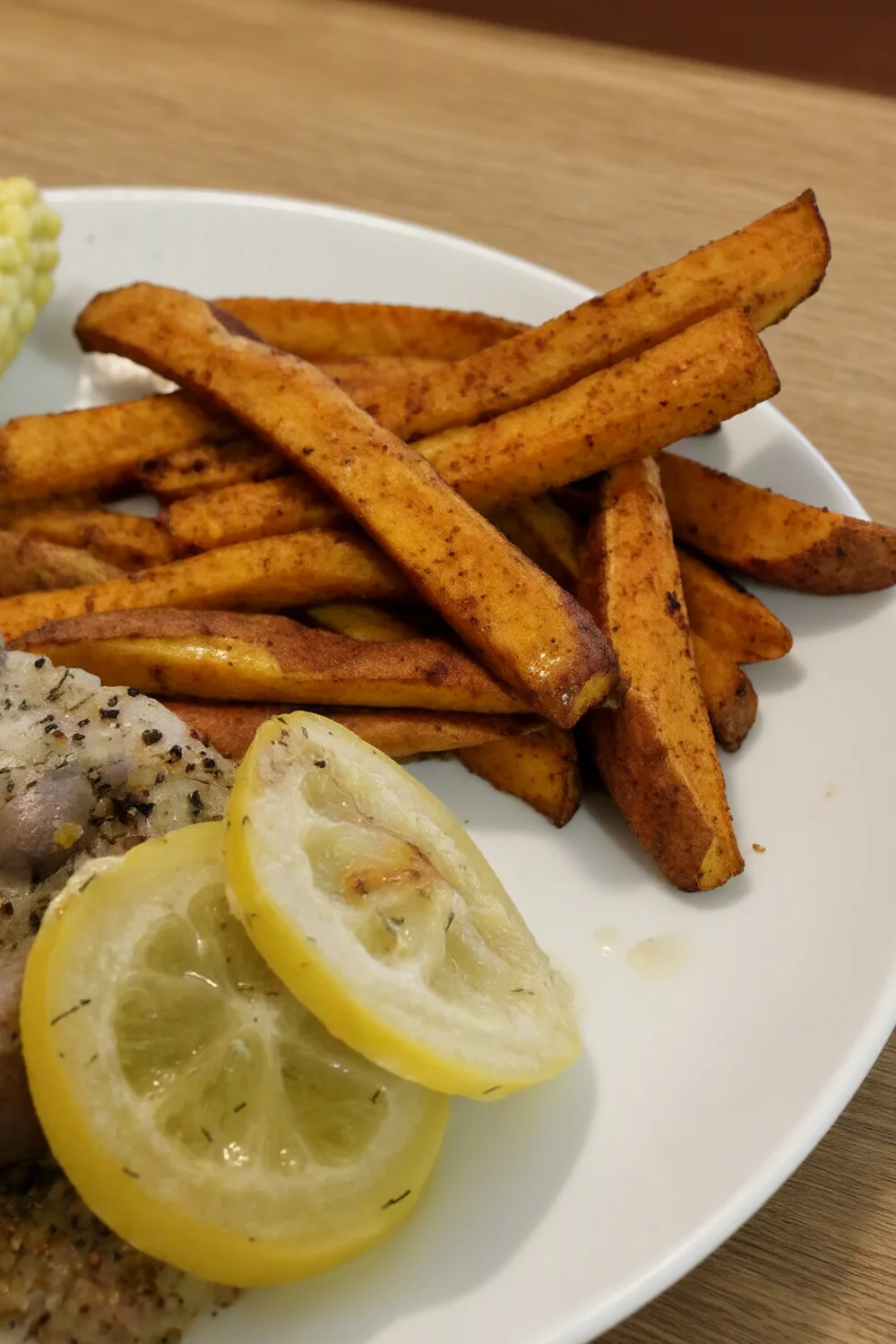
01Since you’re likely looking for a mandoline that can handle everything from paper-thin cucumber slices to thick potato wedges, blade adjustability is a game-changer. I love how some models let me twist a dial to switch from 0.1 mm to 10 mm in seconds—no fuss, no extra blades. It’s perfect when I’m prepping delicate garnishes one minute and hearty fries the next. Plus, models with preset thicknesses save me time, especially when I’m in a rush. The best part? Uniform slices every time, so my dishes cook evenly and look pro. Some even let me julienne or grate with a quick adjustment, turning one tool into a kitchen multitasker. Trust me, once you try adjustable blades, you’ll wonder how you ever cooked without them.
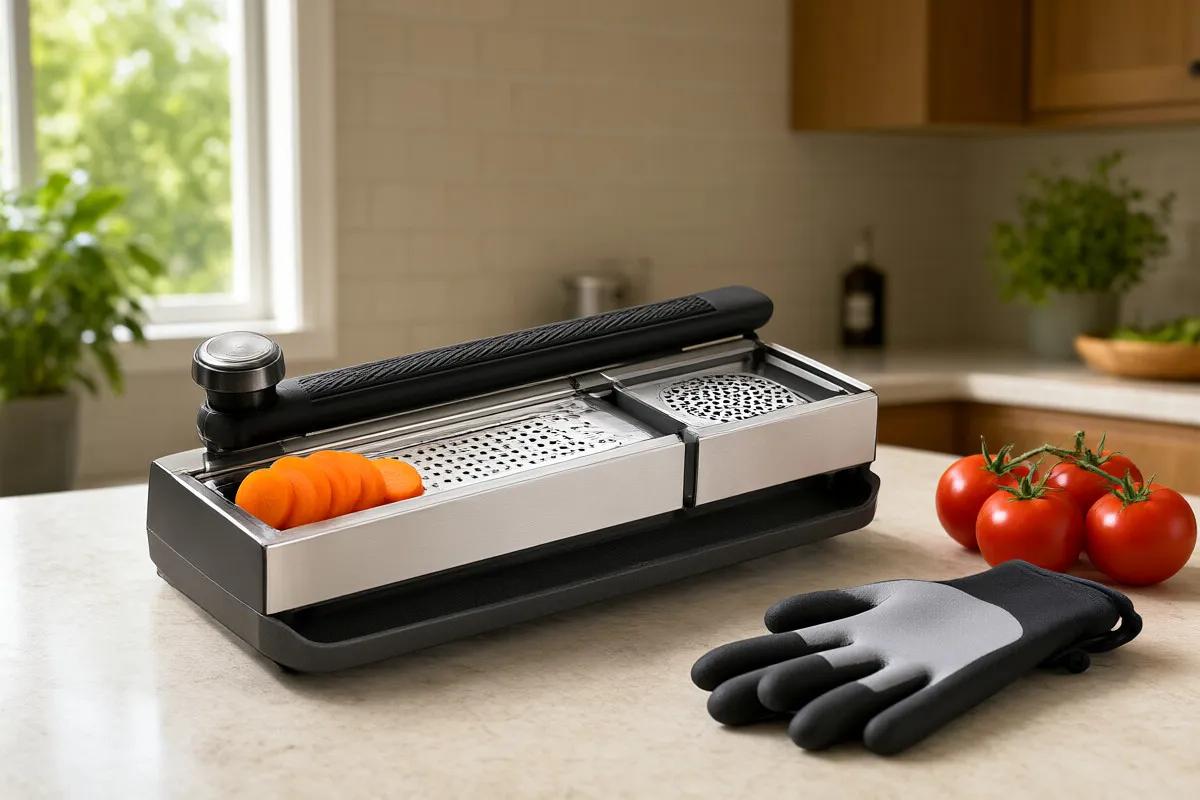
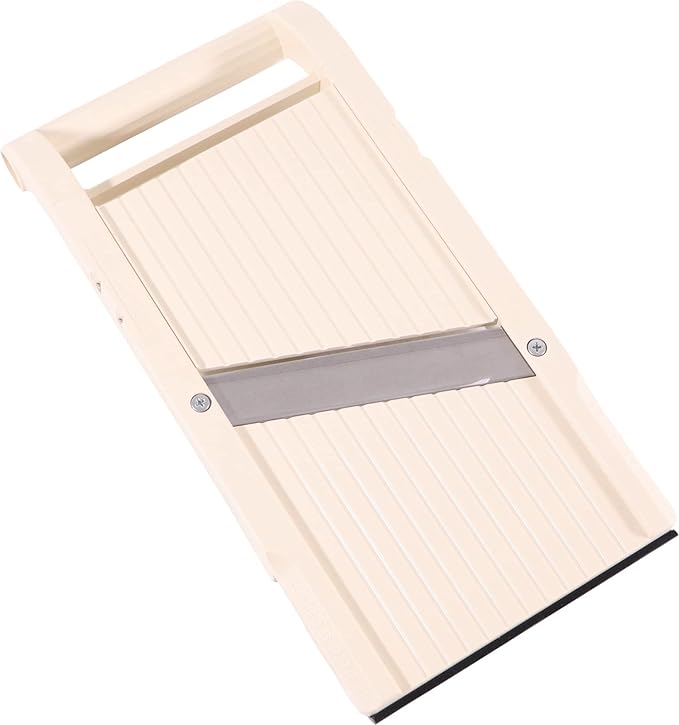
02Even though mandoline slicers make prep work a breeze, their razor-sharp blades can turn a time-saver into a hazard if you’re not careful—that’s why safety features matter. I always look for cut-resistant gloves or finger guards—they’re lifesavers when handling slippery veggies. Some models hide their blades or lock them in place, so I don’t accidentally brush against the edge mid-slice. A non-slip base or suction cups keep the slicer steady, so it won’t slide around when I’m focused on getting those perfect, paper-thin cuts. Adjustable thickness settings help me control the blade without pressing too hard, reducing slips. And when cleanup’s done, dishwasher-safe parts mean I don’t have to risk touching the blade. Trust me, these features make all the difference between a smooth prep session and a trip to the first-aid kit!
03Because I want my mandoline slicer to last longer than my last failed attempt at homemade potato chips, I pay close attention to the materials. Stainless steel blades, especially grade 420, stay sharp and resist rust, making them my top pick. The body matters too—ABS plastic is light and BPA-free, but it might crack if I’m too rough. Rubber grips keep things steady, though they wear out faster than metal parts. I’ve learned that dishwasher-safe materials sound convenient, but high heat can warp plastic over time. For heavy use, I lean toward sturdy builds that balance weight and durability. It’s worth investing in quality, so I don’t end up with a slicer that quits before my next batch of veggie chips.
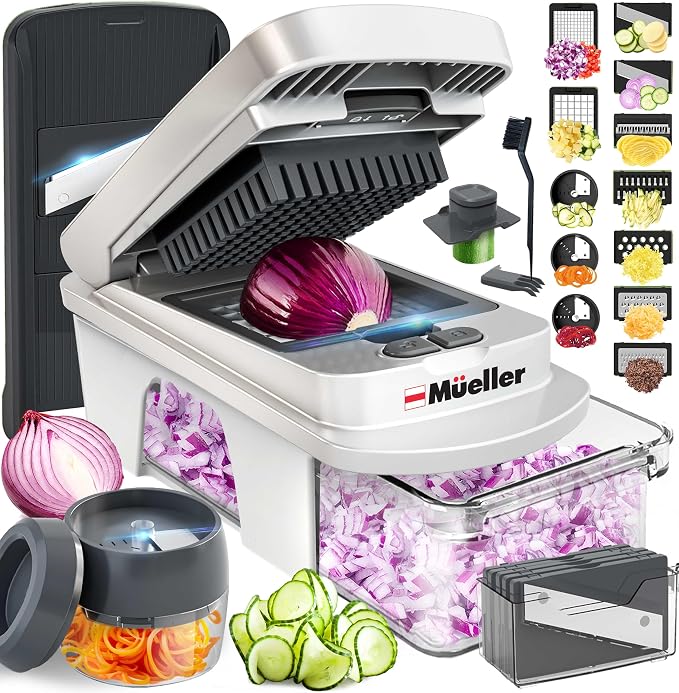
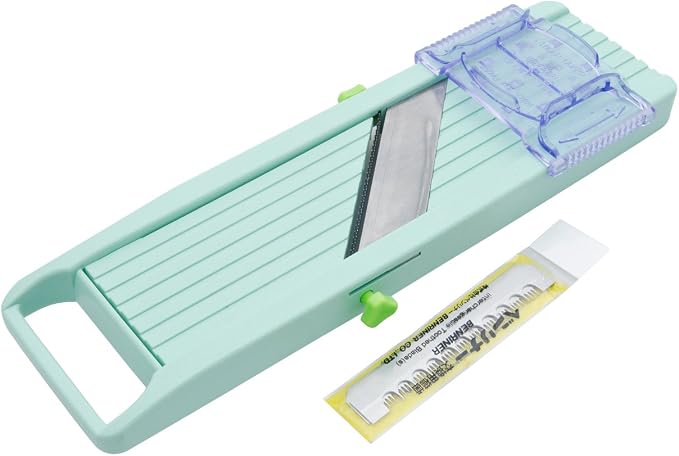
04A mandoline slicer’s durability matters, but if it’s a pain to clean, I’ll dread using it no matter how well-built it is. Dishwasher-safe models save time, though I always check if parts need disassembling first—blades can get damaged otherwise. Collapsible designs are my go-to because they let me reach every nook, avoiding leftover bits that ruin my next slice. Removable blades make deep cleaning easier, but I handle them carefully—they’re sharp! Some slicers come with tiny brushes, which I love for scraping out stubborn crumbs. Non-removable blades? They’re trickier, often needing a soak or a good rinse under the faucet. Trust me, after a long day of cooking, the last thing I want is a slicer that fights me during cleanup. Easy cleaning means I’ll actually use it!
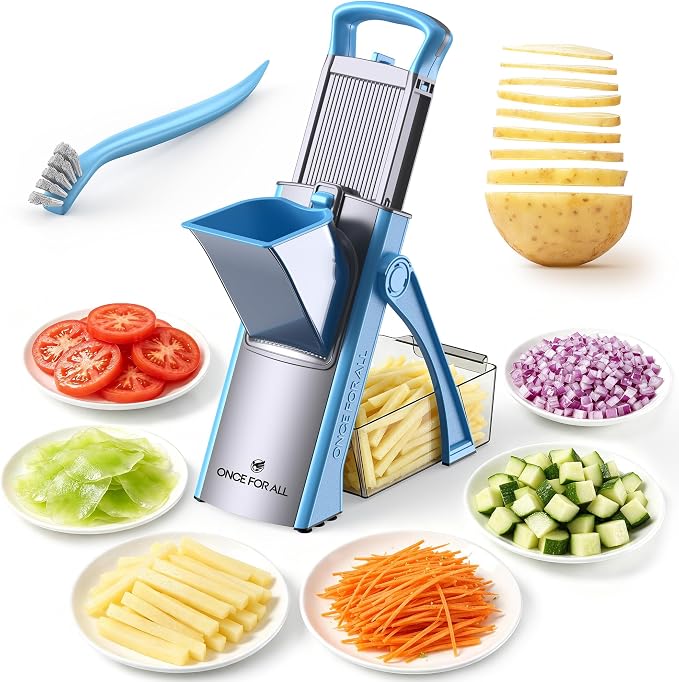
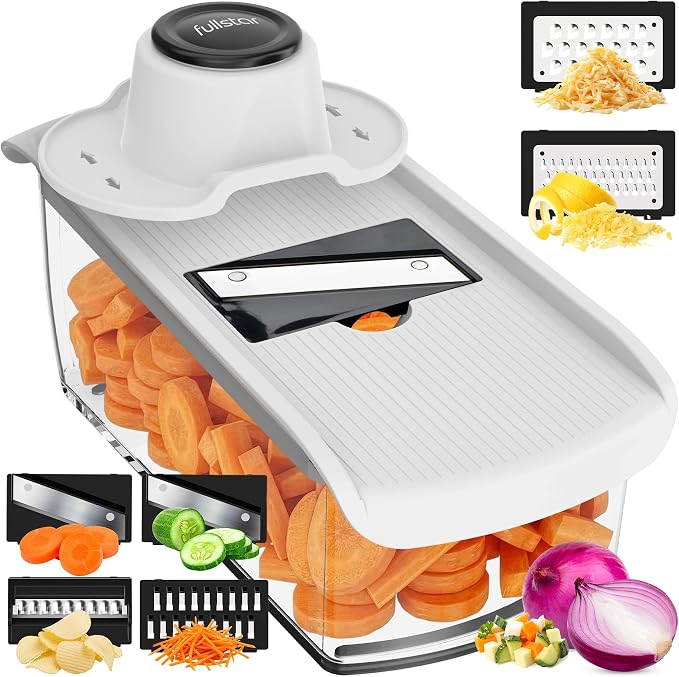
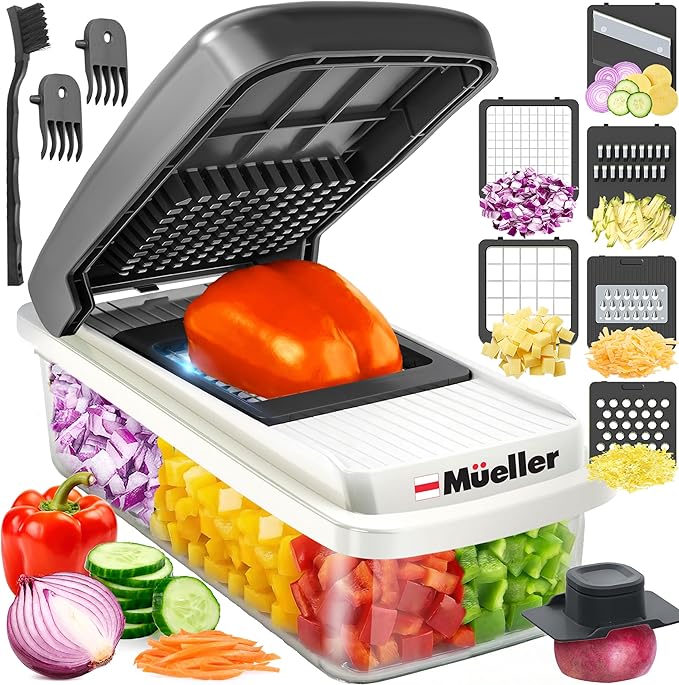
05When I’m prepping veggies, a mandoline slicer ’s cutting versatility can turn a tedious chore into a breeze—especially if it handles everything from paper-thin cucumbers to thick potato slices. I love models with adjustable thickness settings, letting me switch from delicate slices for salads to hearty cuts for gratins. Interchangeable blades are a game-changer, too, since they let me julienne carrots or waffle-cut zucchini without extra tools. Some slicers even have preset modes, so I don’t waste time fiddling with adjustments. A wide slicing surface is handy for bigger items like cabbage or melons, ensuring even cuts every time. And let’s not forget built-in catch trays —they keep my counter clean while I work. With these features, I can tackle any recipe without breaking a sweat.
06If you’re tight on kitchen space or love cooking on the go, a mandoline slicer’s storage and portability can make all the difference. I’ve found collapsible designs save up to 50% space, tucking neatly into drawers or cabinets—perfect for small kitchens. Some models even fold down to under 2 pounds, so I can easily toss one in my bag for picnics or camping trips. Built-in containers keep blades and accessories organized, and dishwasher-safe parts mean cleanup’s a breeze, though I sometimes have to take them apart for compact storage. Just imagine slicing veggies at a friend’s BBQ without lugging a bulky tool! Whether you’re prepping in a tiny apartment or traveling, the right mandoline keeps things simple and clutter-free. Trust me, it’s a game-changer.
07Since you’re likely weighing cost against features, let’s break down what makes a mandoline slicer worth the investment. Budget models under $30 get the job done, but they often lack durability or extra blades—think of them as the training wheels of slicers. Mid-range options ($30–$60) offer more versatility, like adjustable thickness and julienne cuts, perfect if you’re serious about meal prep. Splurge on premium slicers ($60+) if you want replaceable blades, spiralizing, or dishwasher-safe parts —they’re built to last. I learned the hard way that a cheap slicer dulls fast, costing more in replacements. Consider how often you’ll use it: frequent cooks save money long-term with a pricier, sturdier model. It’s not just about price—it’s about value for *your* kitchen.