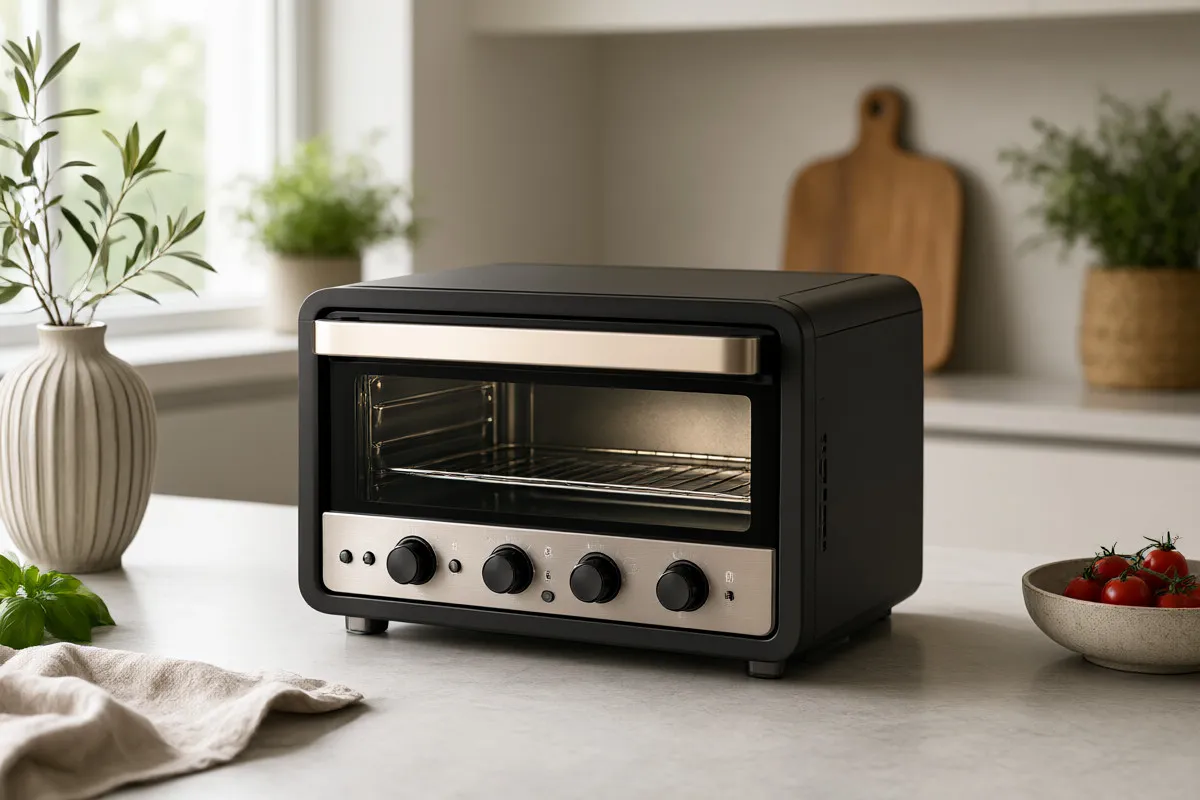
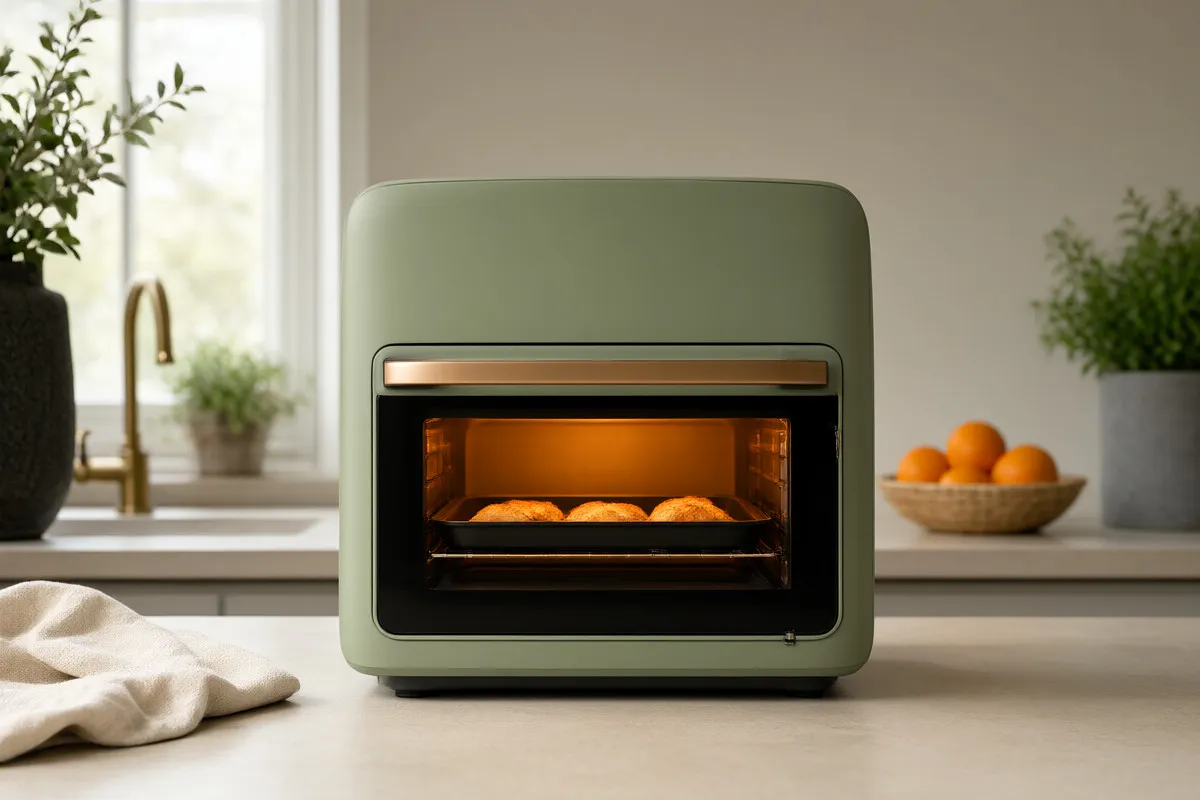
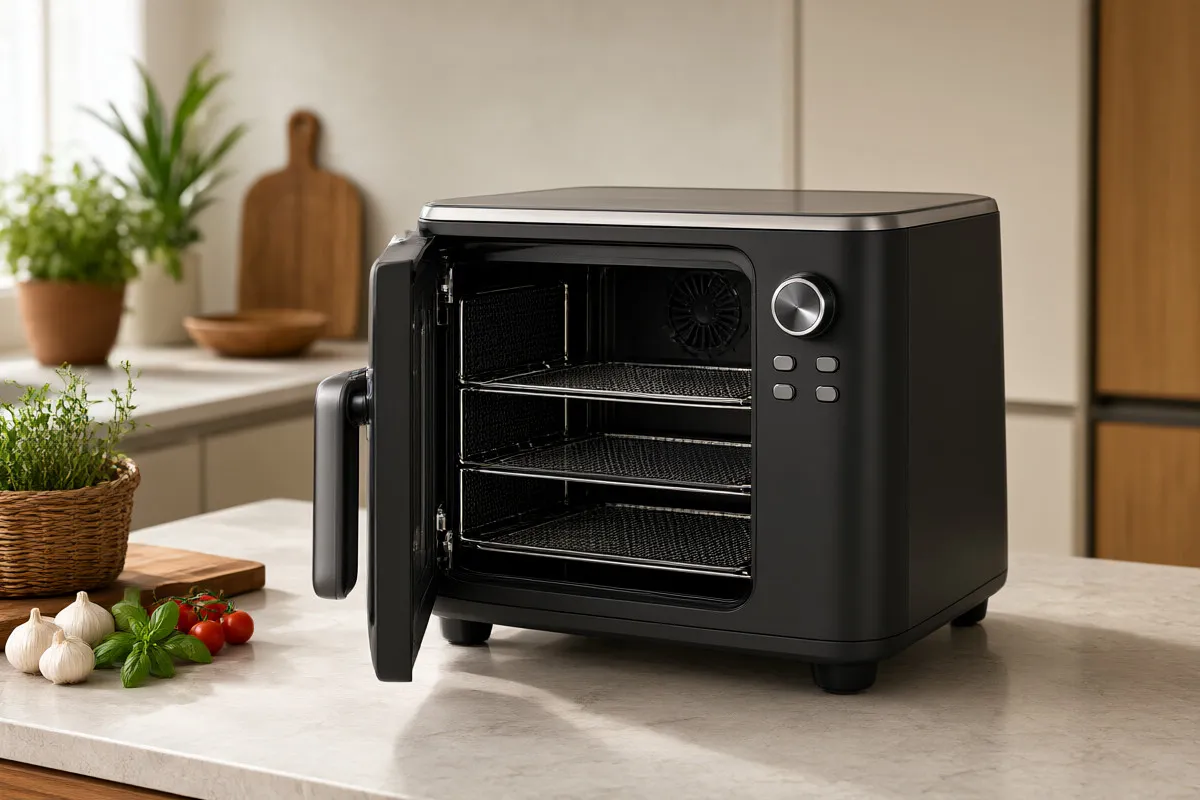
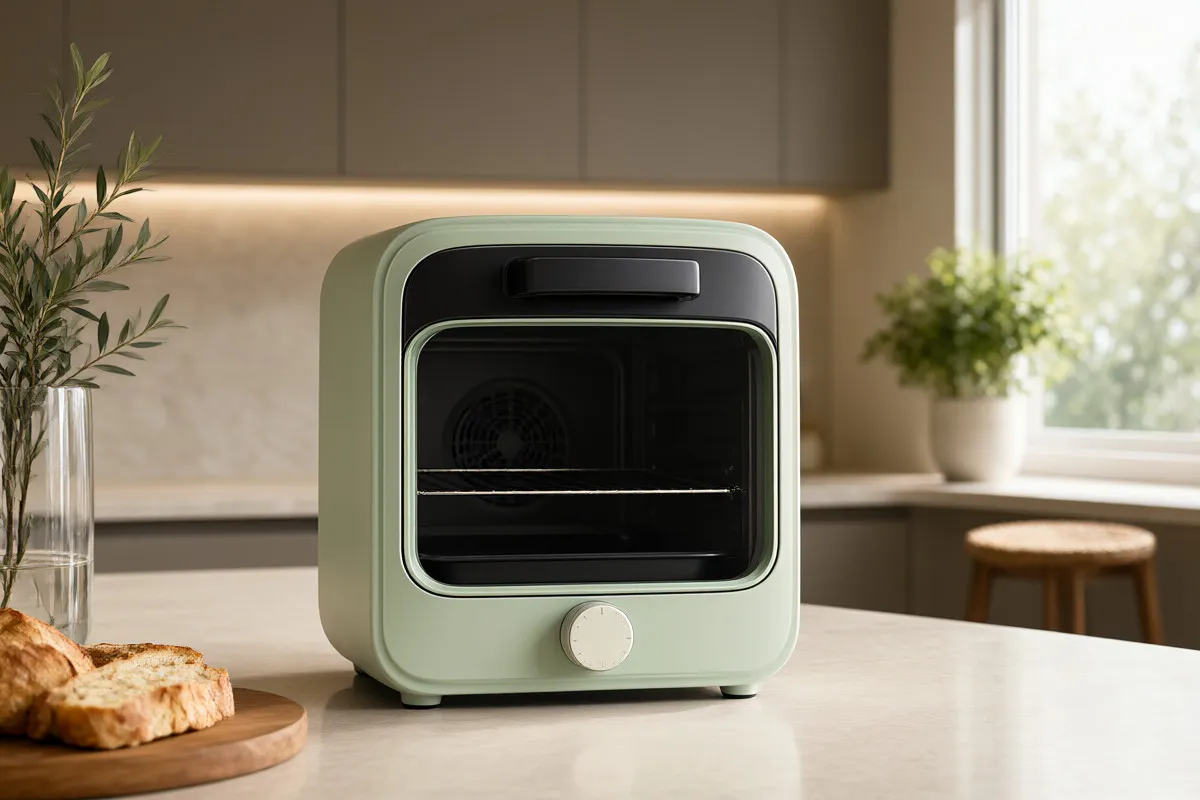
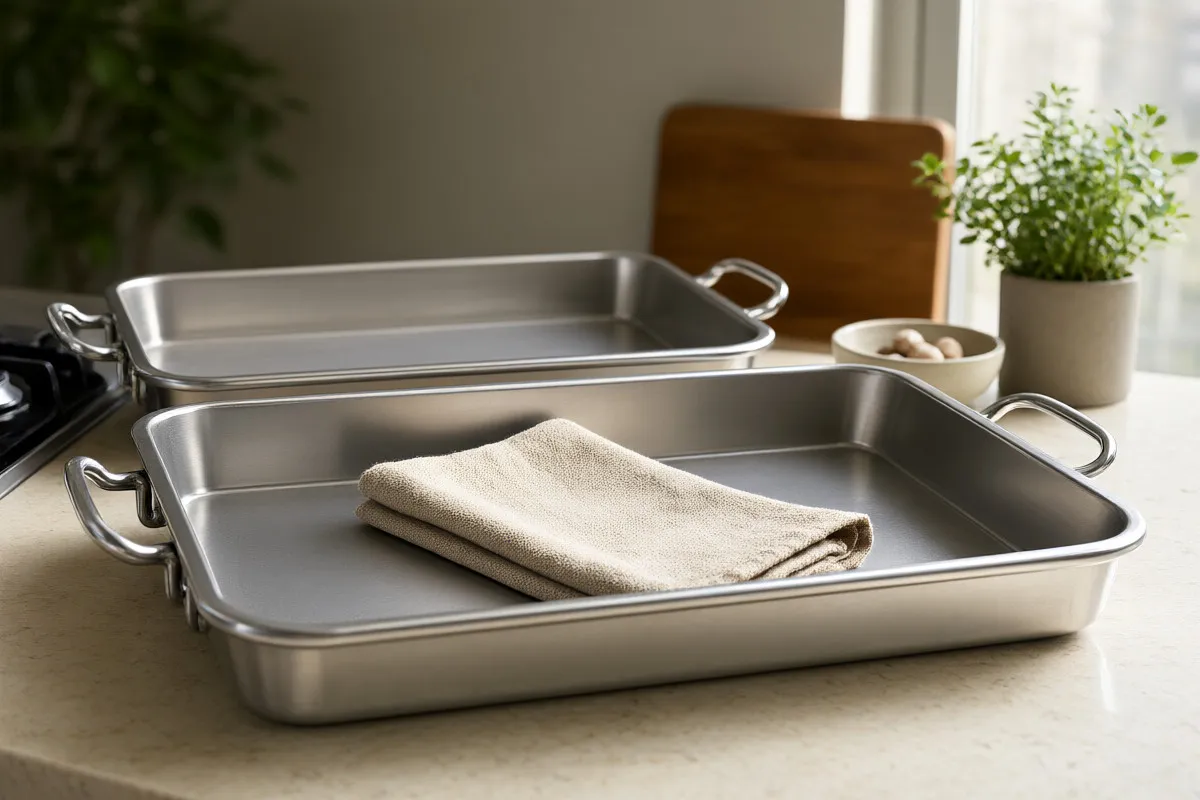
01Since I’ve spent plenty of time squeezing pans into toaster ovens that were just a little too small, I know how important it is to pick the right size and capacity for your needs. Toaster ovens come in a range of sizes, from compact models that barely fit a single slice of bread to larger ones that can handle a 12-inch pizza or a 4-pound chicken. If you’re cooking for one, a smaller oven might work, but for families, a bigger capacity makes sense. I also look at the internal dimensions and rack positions—trust me, it’s frustrating when your baking sheet doesn’t fit. And don’t forget weight! A lightweight model is easier to move, but heavier ones often offer more space. Matching size to your cooking habits saves a lot of hassle.
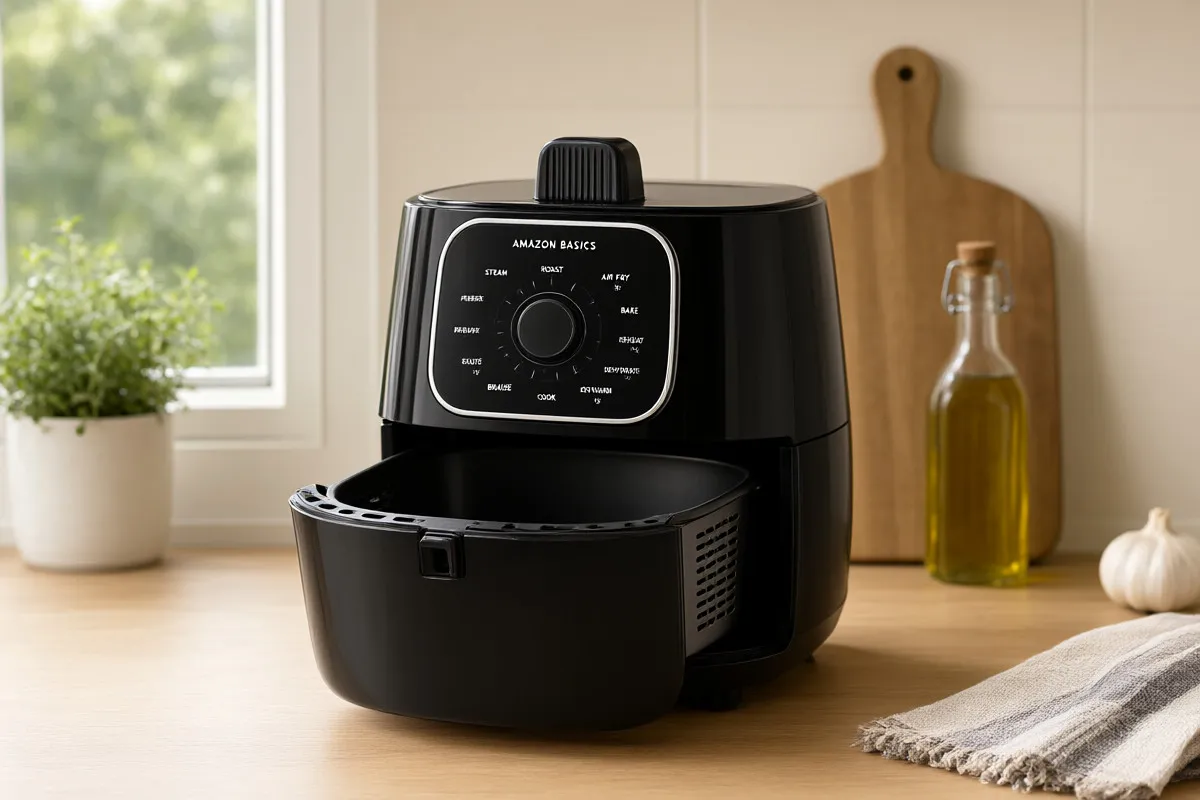
02Beyond size and capacity, it’s worth exploring what a toaster oven can actually do in the kitchen. I’ve found that versatile cooking functions make a big difference. Models with options like air frying, baking, broiling, and toasting let me prepare everything from crispy fries to golden toast. Some toaster ovens even include convection bake, grill, and keep warm settings, which add flexibility for different recipes. I also appreciate models with specialized tech, like even heat distribution for consistent toasting or optimized hot air flow for air frying. Adjustable temperature settings and timers give me control, so I can nail the perfect cook every time. Plus, I look for ones that handle multiple slices or pizza sizes, making it easier to cook for family dinners or gatherings. It’s like having a mini chef in my kitchen!
03Though I love versatility in a toaster oven, I’ve learned that the temperature range is just as important for getting the results I want. Most toaster ovens heat from around 250°F to 450°F, which lets me tackle everything from baking cookies to broiling chicken. Higher temps are a must for air frying —I need that intense heat to make my fries crispy. On the flip side, lower settings are perfect for gently warming leftovers or baking delicate dishes. I always check the maximum temperature because, let’s be honest, who doesn’t want a perfectly crisp pizza? Consistent heat is key, too—it guarantees everything cooks evenly. I love when models have precise controls, whether it’s a dial or digital display, so I can tweak the temperature just right. It’s a game-changer for my cooking!
04When I’m choosing a toaster oven, cleaning ease is just as important as how it cooks. A nonstick interior or easy-clean coating saves me from scrubbing stuck-on food, and a removable crumb tray catches all those pesky crumbs before they burn. I always check if accessories like baking pans or air fry baskets are dishwasher-safe —it’s a game-changer for quick cleanup. Some models have tight corners that make wiping tricky, so I look for designs with open access to all parts. Reading user reviews helps too, since they often point out which ovens are a breeze to maintain. Trust me, spending a little extra time on this now means less hassle later when I’m enjoying my perfectly toasted snack.
05After checking how easy a toaster oven is to clean, I also pay attention to how much energy it uses—because saving power means saving money. Energy-efficient models, like those with precise temperature controls or fast preheating, cut down on wasted electricity. They usually run between 1200 to 1800 watts, which is way less than a full-sized oven. I love that they heat up quickly, so I’m not waiting forever for my food to cook. Plus, if it has multiple functions —like baking, broiling, and air frying—I can use one appliance instead of firing up the stove or microwave. Look for energy-efficient ratings, too; they’re like a cheat sheet for finding the best performers. A little research now means lower bills later, and who doesn’t want that?
06A toaster oven’s build quality makes all the difference—it’s what keeps it working smoothly for years. When I’m choosing one, I always check the materials first. Stainless steel exteriors are my go-to because they’re tough and easy to clean, unlike plastic ones that can feel cheap. Inside, a non-stick coating is a game-changer for quick cleanup and preventing food from sticking. I also pay attention to the knobs and buttons; they should feel sturdy and give clear feedback when I use them. Heavier models often signal better heat retention and robust construction, which helps with even cooking. Finally, good insulation matters—it keeps the heat in, saves energy, and boosts performance. A well-built toaster oven just feels dependable, and that’s what I want in my kitchen.
07Choosing the right toaster oven can be tricky, especially when you’re balancing price and value. I always look for models that pack in useful features, like multi-cooking functions, without breaking the bank. Prices can range from $30 for basic options to over $300 for advanced ones, so it’s worth considering what you’ll actually use. A longer warranty is a big plus for me—it shows the manufacturer trusts their product’s durability. I also check customer reviews to see if people feel they’re getting their money’s worth. Finally, I think about energy efficiency. A pricier model might save on electricity over time, making it a better deal in the long run. Balancing these factors helps me find a toaster oven that’s worth every penny.