8 Grain Mix
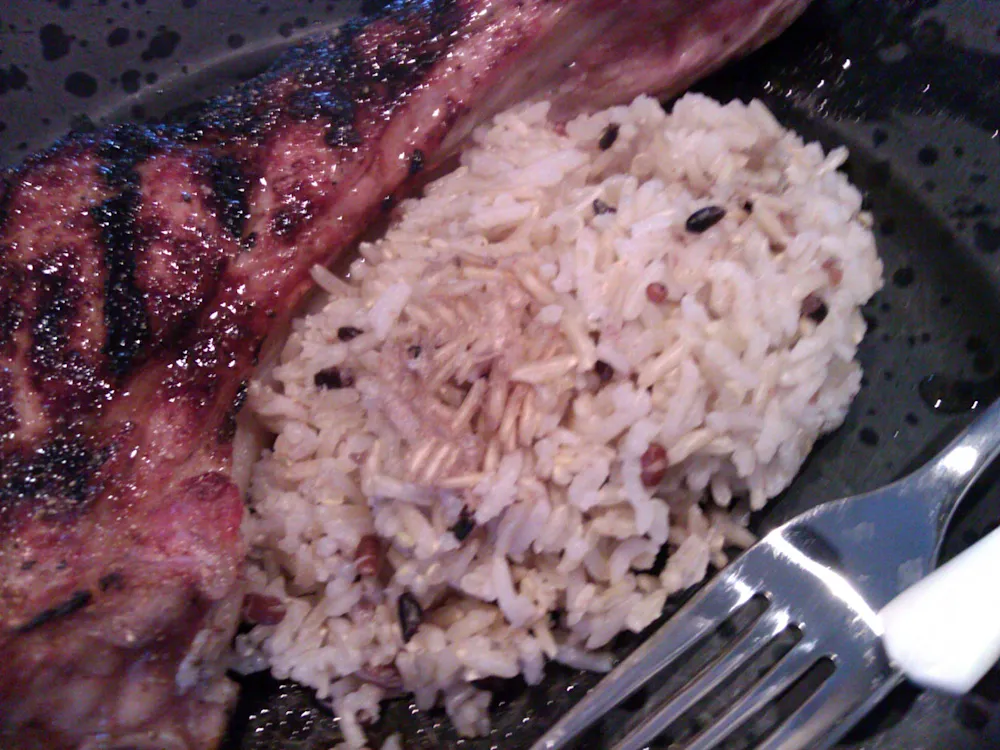
This is a mix of grains that I make in bulk quantities to use as a replacement for rice or as a flavorful addition to jasmine or basmati rice. With all due respect, this is based on a recipe from the Medicine restaurant in San Francisco. Also great for sushi!
Total time
15 min
Servings
8
Calories
515.4
Category
Grains
This 8 Grain Mix creates a robust, textural foundation for your everyday plant-based meals by blending nutty buckwheat with delicate couscous and colorful black rice. Perfect for home cooks who batch-prep, this shelf-stable pantry staple makes upgrading your standard Jasmine or Basmati rice effortless.
Ingredients
Makes 8 servings
- 1 black rice
- 1 brown rice
- 1 quinoa
- 1 couscous
- 1 buckwheat groats
- 1 pearl barley
Method
1 cup ratio is just a suggestion. make as much or as little as you like.
Mix 2 oz of grain mix with 2 cups of Jasmine or Basmati rice. Cook rice and grains in a rice cooker using equal amounts of rice/grains and water.
To make sushi, add 1/3 cup rice vinegar, 2 Tbsp sugar and 1 tsp salt -- whisk together completetly and add to cooled rice mix.
See my recipe for Smoky Risotto for a great side dish including this blend!
Cook's notes
- Rinse your black rice and buckwheat thoroughly in a fine-mesh sieve until the water runs clear to prevent the finished grain mix from becoming muddy.
- Because buckwheat groats cook faster than pearl barley, ensure your rice cooker cycle is calibrated to the longest-cooking grain in your chosen blend.
- If you prefer a softer mouthfeel for your sushi rolls, soak the blended grains for 30 minutes before adding the rice and cooking in your rice cooker.
- Toast the buckwheat groats in a dry skillet for three minutes before mixing them into the jar to unlock a deep, roasted aroma that permeates the entire grain batch.
Easy swaps
- Instead of Pearl Barley, use FarroFarro provides a similar chewy texture but offers a slightly nuttier, more earthy flavor profile.
- Instead of Black Rice, use Wild RiceWild rice maintains the dark visual appeal while adding a more distinct, woody fragrance.
- Instead of Couscous, use MilletMillet serves as a gluten-free alternative that mimics the small, fluffy grain structure of couscous.
- Instead of Quinoa, use AmaranthAmaranth adds a smaller, slightly earthier pop that integrates well into high-protein grain blends.
Frequently asked
Do I need to soak the grains before adding them to the rice cooker?
Soaking is optional, but it helps ensure the harder grains like pearl barley and black rice hydrate evenly alongside the softer couscous.
Can I use this mix for more than just sushi and risotto?
Absolutely; this mix is excellent as a base for grain bowls, added to vegetable soups for thickness, or tossed into cold salads with a lemon vinaigrette.
How do I adjust the liquid ratio when adding this mix to white rice?
Since this blend includes absorbent grains like buckwheat and barley, maintain a 1:1.25 ratio of grain-to-water for a fluffy finish rather than a strictly equal ratio.
Why include couscous in a long-cooking grain blend?
Couscous provides a textural contrast to the chewiness of the barley and buckwheat, filling the gaps in the blend and creating a more cohesive bite.
You might also like
More Grains →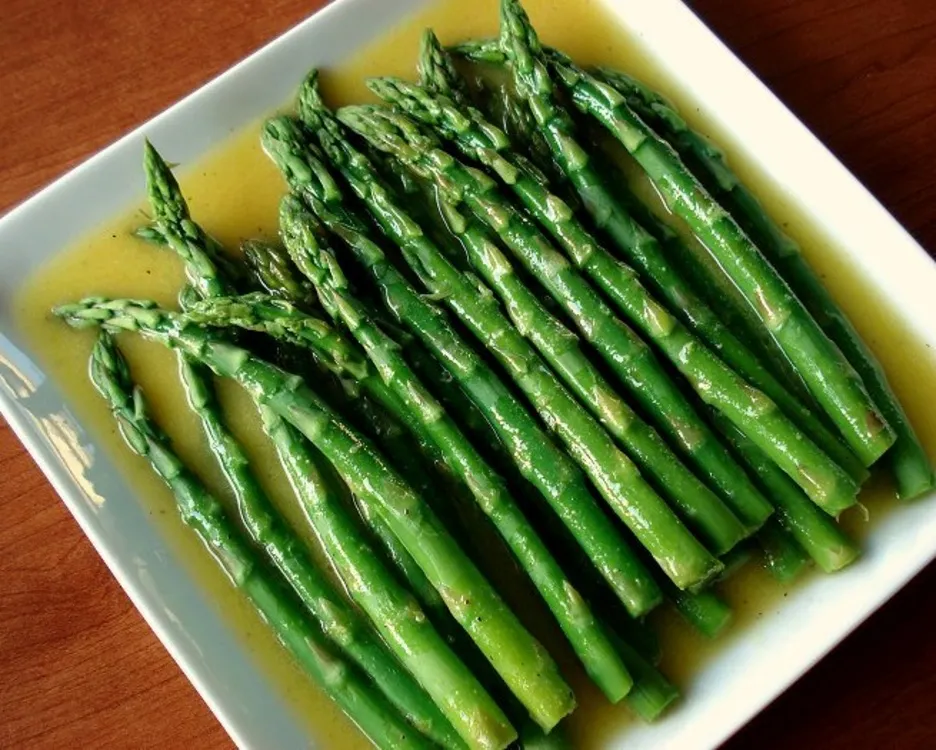 Grains4.0
Asparagrette
 Grains5.0
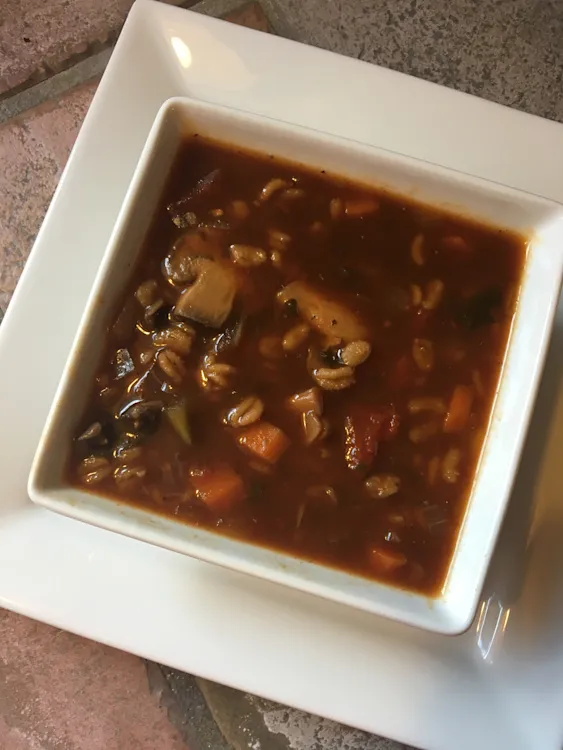
2bleu's Vegetable Barley Soup
 Grains4.5