Total time
195 min
Servings
1
Calories
2585.5
Category
Breads & Bakes
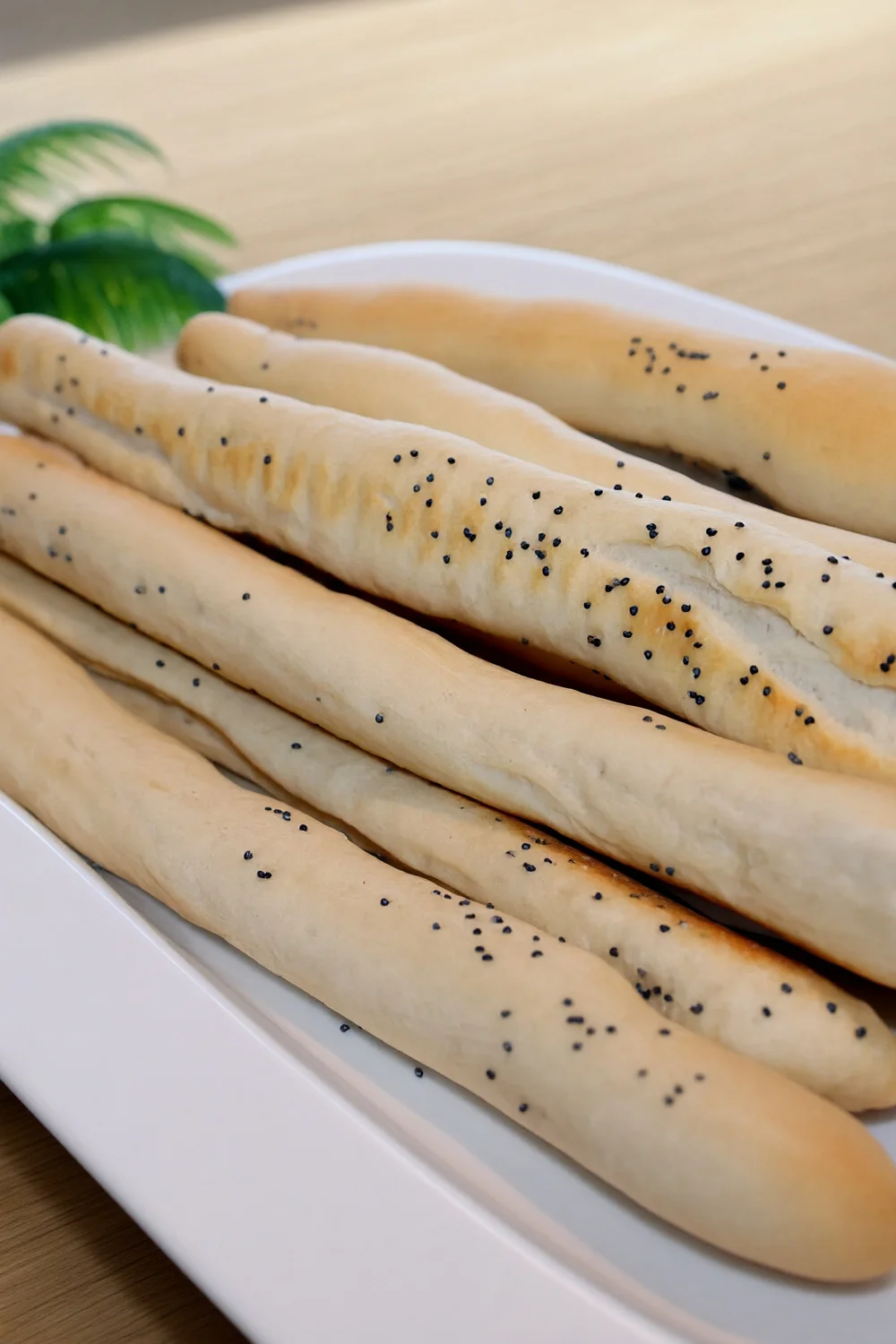
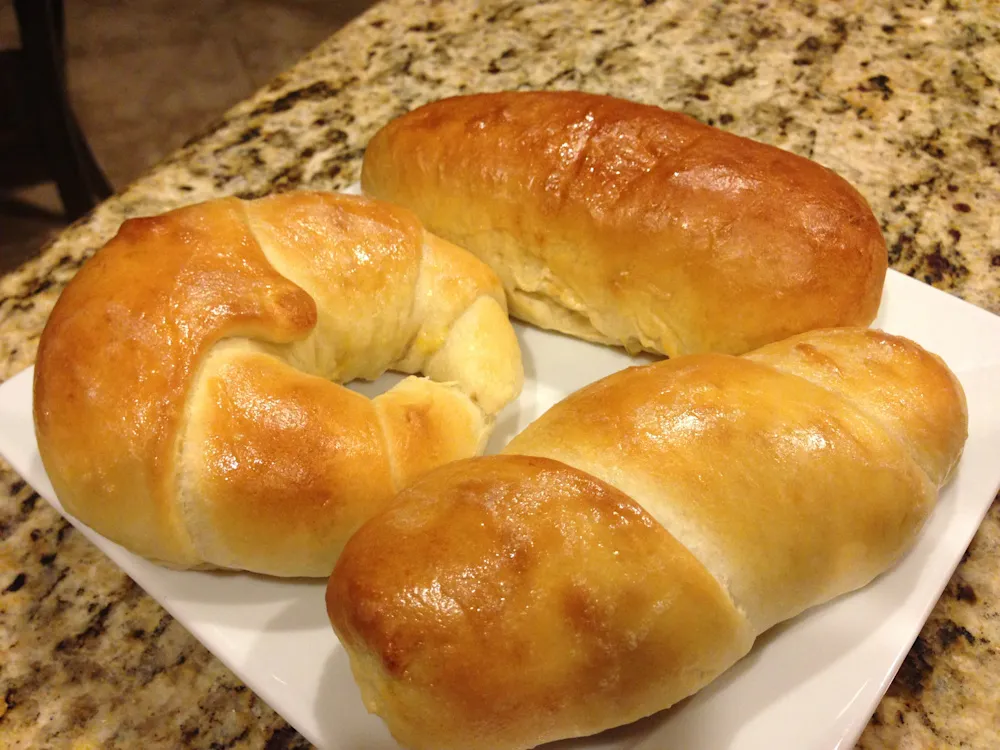
Step back in time with this Victorian Milk Bread, a soft and slightly sweet yeast bread that captures the essence of old-fashioned baking. Made with simple pantry staples, this recipe yields a tender, pillowy loaf perfect for toast, sandwiches, or enjoying on its own. The gentle sweetness from milk and a touch of sugar pairs beautifully with a golden crust, making it a timeless addition to your bread basket.
Ingredients
Makes 1 serving
- 2 active dry yeast
- 1 sugar
- 300 milk
- 500 bread flour
- 1 1/2 salt
- 1 egg
- 1 milk
Method
Sprinkle yeast and sugar into 100ml of milk in a bowl.
Let sit 5 mins; stir to dissolve.
Stir in another 100ml of milk.
Mix 400g of flour with the salt.
Make a well in centre and pour in the yeasted milk.
Mix with wooden spoon.
Stir in the remaining 100ml of milk to form a sticky dough.
If dough is too sticky, mix in the remaining flour (1 tablespoon at a time) until a knead-able dough forms.
Turn dough out on a lightly floured surface.
Knead until smooth and elastic (it will feel like a baby's bottom); about 10 minutes.
Use the remaining (or more) flour if necessary.
Put the dough in a lightly greased bowl.
Turn to coat dough with oil.
Cover with plastic wrap/tea towel.
Leave to rise for 45 minutes.
Knock back, cover and let rise again until doubled, about 45 minutes.
Grease a 1 lb loaf pan.
Shape the dough to fit in the pan.
Cover, then prove until dough is 1-inch above the top of the pan (about 1 hour).
Make egg glaze by lightly beating the egg with 1 tablespoon of milk.
Brush the top of the loaf with the glaze.
Bake in a preheated oven at 400°F/200°C for 45 minutes until golden and hollow-sounding when tapped underneath.
Turn out onto a wire rack and leave to cool.
Cook's notes
- Use warm milk (around 110°F / 43°C) to activate the yeast properly, but avoid overheating as it can kill the yeast.
- Knead until the dough is smooth and elastic—about 10 minutes—for the best texture. The dough should feel as soft as a baby's bottom.
- If the dough is too sticky, add the remaining flour one tablespoon at a time until it becomes manageable, but be careful not to over-flour.
Frequently asked
Can I use instant yeast instead of active dry yeast?
Yes, you can substitute instant yeast. Use the same amount (2 teaspoons) and skip the proofing step—just mix it directly with the flour. You may need to reduce the rising time slightly.
What type of milk is best for this recipe?
Whole milk is ideal for a rich, tender crumb. You can use 2% for a lighter texture, but avoid skim milk as it may result in a drier loaf.
Can I make this bread by hand without a mixer?
Absolutely! The recipe is designed for hand kneading. Just follow the instructions and knead on a lightly floured surface for about 10 minutes until smooth.
Why does my dough feel too sticky even after adding extra flour?
Stickiness can vary based on humidity and flour type. If it remains sticky, let the dough rest for 5–10 minutes to allow the flour to absorb the liquid, then knead again. Add flour only as needed.
Can I add flavors like vanilla or cinnamon to this bread?
Yes! You can add 1 teaspoon of vanilla extract or 1/2 teaspoon of cinnamon to the milk mixture for a subtle flavor twist. Adjust to your taste.