The Best Homemade Sinigang Recipe
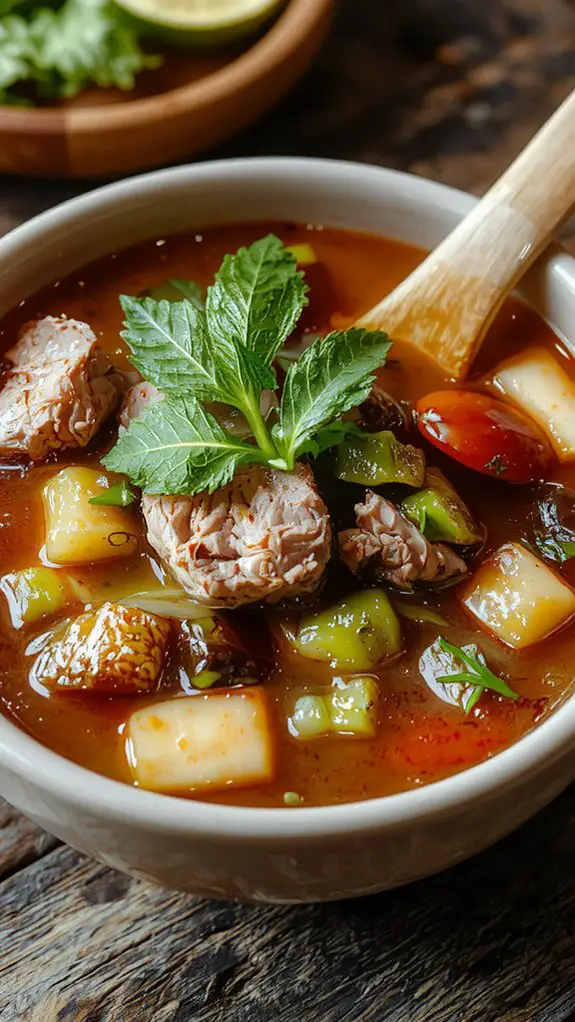
Get ready to savor the perfect tangy broth and hearty mix of meat and veggies in this Filipino classic. This sinigang recipe will transport you home.
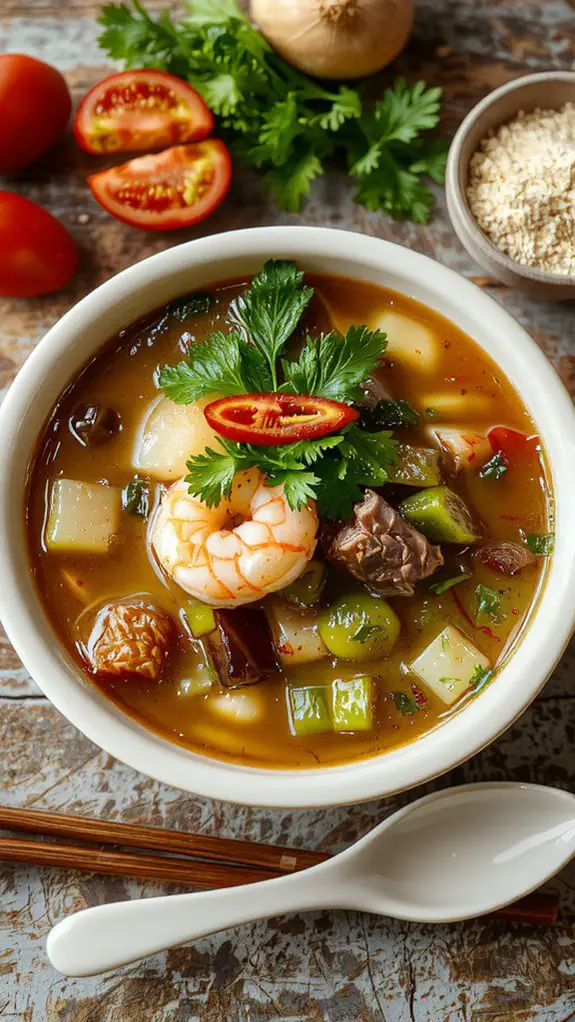
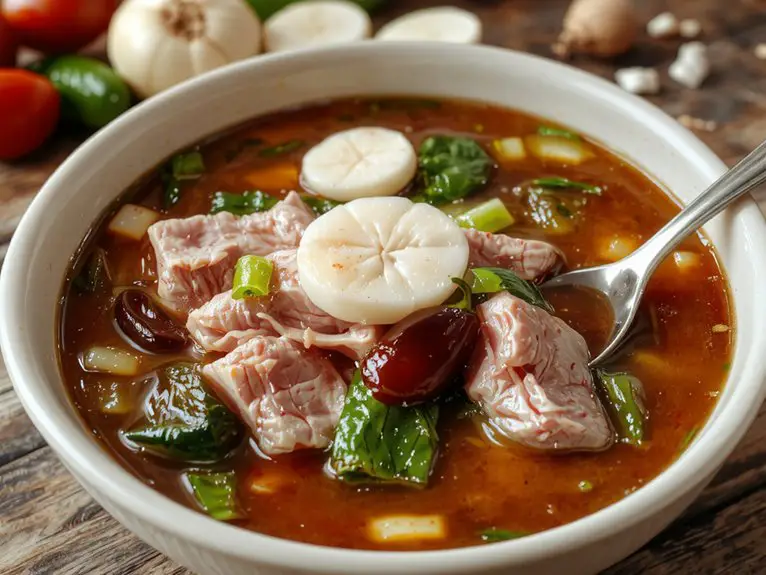
I’ve always believed that sinigang, with its tangy broth and hearty mix of meat and vegetables, is a dish that truly captures the essence of Filipino comfort food. When made just right, it’s a perfect balance of sour, savory, and fresh flavors that feels like home. The secret lies in the simplicity of its ingredients and the care taken in layering its components. Let me show you how to recreate it.
Recipe
This sinigang recipe is the real deal—I’ve made it countless times, and it never fails to hit the spot. What sets it apart? Fresh tamarind for that perfect tangy punch and a mix of tender pork and vibrant vegetables that come together in a broth so comforting, it feels like a warm hug in a bowl.
Whether you’re craving a taste of home or trying sinigang for the first time, this recipe is foolproof and downright delicious. The combination of sour, savory, and slightly sweet flavors, paired with the melt-in-your-mouth pork and crisp veggies, is pure magic.
Trust me, once you try this, it’ll become a family favorite. Let’s get cooking!
Ingredients
The key to a perfect sinigang lies in its balance of tangy, savory, and fresh flavors. Choosing the right ingredients guarantees a bowl that’s both comforting and vibrant. Here’s what you’ll need to create this iconic Filipino dish, along with tips to make it shine:
- Protein
- Pork ribs or belly: The fat in these cuts adds richness to the broth. If you’re feeling adventurous, try using shrimp, fish, or even beef for a twist.
- Optional: Tofu or chicken for a lighter alternative.
- Tamarind (Sinigang’s Star Ingredient)
- Fresh tamarind pods: The traditional choice for that authentic sourness. Boil, strain, and use the pulp for the broth.
- Tamarind powder or paste: A quicker, equally delicious option. Adjust to taste—more for tang, less for mildness.
- Vegetables
- Radish (labanos): Adds a subtle sweetness and crunch.
- Okra: Brings a silky texture to the broth.
- String beans (sitaw): Adds a fresh, crisp bite.
- Eggplant: Soaks up the flavorful broth beautifully.
- Kangkong (water spinach): A must-have for the final touch—add it last to keep it vibrant and tender.
- Aromatics
- Onion and garlic: The foundation of flavor. Sauté them first to build depth.
- Tomatoes: Adds a slight sweetness and balances the tanginess.
- Extras
- Fish sauce (patis): A splash enhances the umami. Use soy sauce if you prefer.
- Chili peppers (siling haba): Optional, but adds a gentle heat that complements the sourness.
Pro Tip: For the tamarind, fresh is best, but don’t shy away from powdered or paste versions for convenience. And don’t skip the kangkong—it’s the finishing touch that ties everything together.
How to Make the Best Sinigang Recipe Instructions
1. Prep the Ingredients
Chop onions, tomatoes, and your choice of protein (pork, shrimp, or fish).
Cut vegetables like radish, eggplant, and okra into bite-sized pieces. Having everything ready guarantees a smooth cooking process.
2. Sauté the Aromatics
Heat oil in a pot and sauté onions until translucent.
Add tomatoes and cook until softened. This builds the flavor base for the broth.
3. Add the Protein
Brown the protein lightly to lock in juices. For seafood, skip browning to avoid overcooking—just add it later.
4. Pour Water and Simmer
Cover the protein with water and bring to a boil. Skim off any foam for a clear broth. Simmer until the meat is tender (about 30-40 minutes for pork).
5. Add the Sinigang Mix
Stir in the tamarind soup mix (or fresh tamarind paste) to taste. Start with half a packet and adjust for tanginess.
6. Toss in the Vegetables
Add hardy veggies like radish first, then softer ones like eggplant and okra later to avoid mushiness.
7. Adjust Seasoning
Taste and add fish sauce or salt if needed. The broth should be tangy, savory, and slightly salty.
8. Finish with Greens
Stir in leafy greens (kangkong or spinach) just before turning off the heat—they wilt quickly.
9. Serve Hot
Ladle into bowls with steamed rice. The broth should be slightly cloudy with tender meat and crisp-tender veggies.
Pro Tips:
- For extra depth, char the tomatoes slightly before sautéing.
- If using shrimp, add them in the last 5 minutes to prevent rubberiness.
- Too sour? Balance with a pinch of sugar.
Nutrition
Sinigang is a nutritious Filipino soup known for its sour flavor. It is rich in vitamins and minerals from its main ingredients.
| Nutrition | Per Serving (1 bowl) |
|---|---|
| Calories | 180 kcal |
| Protein | 15 g |
| Fat | 6 g |
| Carbs | 12 g |
| Fiber | 3 g |
| Sodium | 450 mg |
Chef Tips
Mastering the art of making sinigang starts with choosing the right souring agent—it’s key to achieving that authentic tang. I always use fresh tamarind for a vibrant flavor, but green mango or kamias work too.
Simmer the meat until tender before adding vegetables to avoid overcooking them.
Adjust the sourness to your preference, and don’t forget to season with fish sauce or salt to balance the taste perfectly.
What to Serve With This Recipe



Leave a Review or Ask a Question
Your rating, tips, and questions help other home cooks. Tell us how it turned out or ask anything before you make it.