Buying guide
Factors to Consider When Choosing an Induction Cooktop
When I’m choosing an induction cooktop, I always check the power output levels first, because they affect how quickly I can cook my favorite meals. Safety features are a must for me, especially if I’m cooking with kids around, and energy efficiency helps me save on bills while being eco-friendly. I also make sure the cooktop works with my cookware and fits well in my kitchen, whether I need something portable or built-in.
01If you’ve ever struggled to boil water quickly or accidentally burned your sauce while simmering, you’ll appreciate how power output levels on induction cooktops can make cooking smoother. These cooktops typically range from 100W for gentle warming to 1800W for fast boiling or searing, giving you flexibility for any task. I love that higher settings let me whip up pasta water in no time, while lower ones keep my soups and sauces at the perfect heat without scorching. What’s more, induction cooktops maintain consistent power, so my food cooks evenly without hot spots. And with energy efficiency ratings around 83%, they’re better at using power than gas or electric stoves. Choosing the right power level feels like having total control over my cooking, and it’s a game-changer in my kitchen.
02Alongside mastering power output levels, I’ve found that safety features are just as important for making induction cooktops a joy to use. Child safety locks are a lifesaver, especially in households with curious little chefs—they disable the controls or shut off after inactivity. Overheat protection is another must-have; it automatically turns the cooktop off if it gets too hot, preventing damage or fire risks. Auto-pan detection is smart, shutting down when incorrect or no cookware is detected, so you don’t waste energy or risk overheating. Hot surface indicators are handy, reminding me when the cooktop’s still warm, avoiding accidental burns. Plus, circuit failure protection keeps things safe even during power hiccups. These features make cooking feel secure and worry-free, letting me focus on the fun part—creating delicious meals.
03Energy efficiency is a game-changer in the kitchen, and I’ve noticed it’s where induction cooktops really shine. They’re 80-90% efficient, way better than gas or electric stoves, because they heat your pan directly with electromagnetic energy —no wasted heat floating around. I love how fast they boil water, saving time and energy, and the even heat distribution means I don’t have to crank up the power just to avoid cold spots. Some models even have continuous-duty circuitry, keeping efficiency high during long simmering sessions. It’s like getting more cooking done with less effort, and my energy bill thanks me. If you’re looking to cut down on waste without sacrificing performance, induction’s the way to go. Trust me, once you try it, you’ll wonder how you cooked any other way.
04While energy efficiency makes induction cooktops a smart choice, it’s important to make sure your cookware plays nice with them. I learned this the hard way when I tried using my favorite copper pan—nothing happened! Induction cooktops need cookware with a magnetic base, like cast iron or stainless steel with a magnetic layer. Aluminum, copper, or glass pots won’t work unless they’ve got that magnetic bottom. Also, your cookware should be at least 5 inches in diameter to transfer energy properly. If the bottom’s warped or uneven, it might not even activate the cooktop. Some models have auto-pan detection, which shuts off if they don’t sense compatible cookware. Check your pots with a magnet—if it sticks, you’re good to go! It’s a small step that makes a big difference in cooking efficiency.
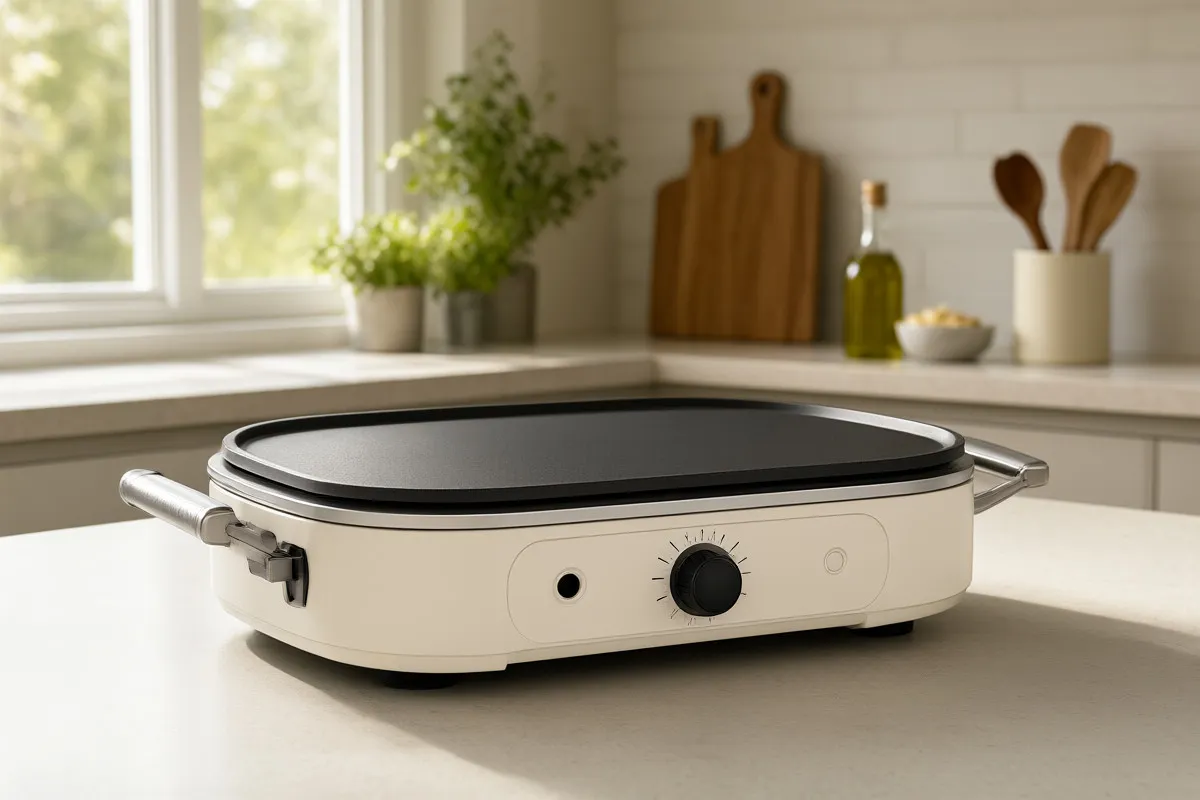
05If you’re like me and love cooking in different spots, you’ll appreciate how portable and compact induction cooktops have become. I’ve found that their lightweight design, often under 10 pounds, makes them easy to carry from the kitchen to the backyard or even on road trips. Their small footprint, usually under 15″ x 12″, saves counter space without limiting the size of cookware you can use. I especially love models with built-in handles because they’re so convenient to grab and go. Whether I’m cooking in my RV or setting up a temporary kitchen for a party, these cooktops fit effortlessly. Plus, their slim profiles and lack of bulky parts make them easy to store in tight spaces like cabinets or under counters. Portability doesn’t mean sacrificing power—they’re just as efficient as larger models!
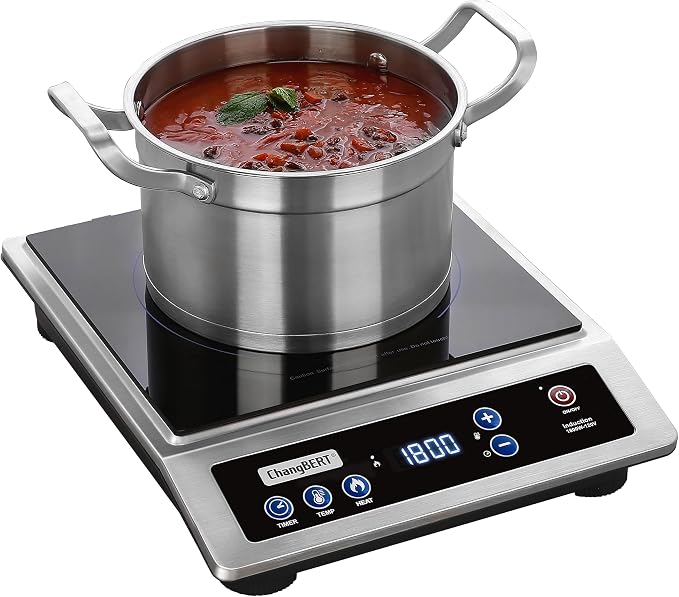
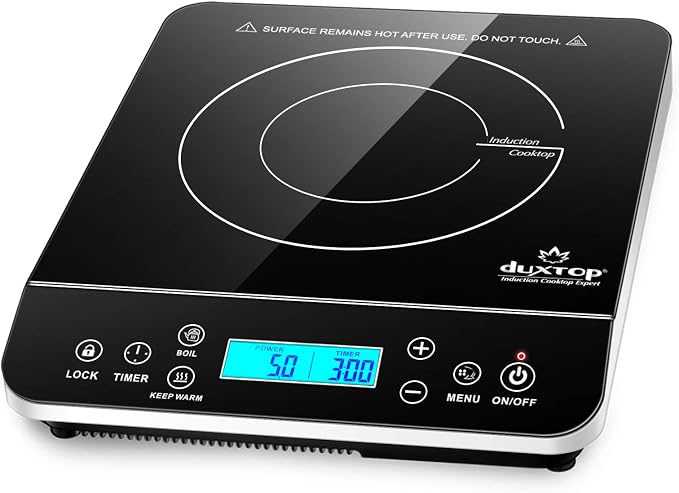
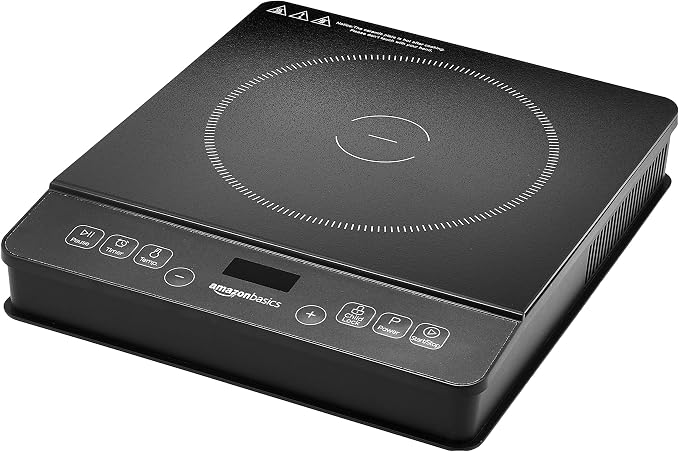
06Since I’m always tweaking temperatures while cooking, a user-friendly control panel makes all the difference. I love when buttons are laid out intuitively, so I don’t fumble around, especially with wet hands or gloves. Touch-sensitive controls with a slight tactile response are my favorite—they prevent accidental taps while still feeling smooth. A bright LCD display keeps things clear, showing exact temps and timers so I never overcook my pasta. Child locks are a must in my kitchen, stopping little hands from turning my simmer into a boil. Presets for power levels? Yes, please! They save me time when I’m flipping pancakes or melting chocolate. A good control panel should feel like an extension of my cooking, not a puzzle to solve. Trust me, it’s worth paying attention to.