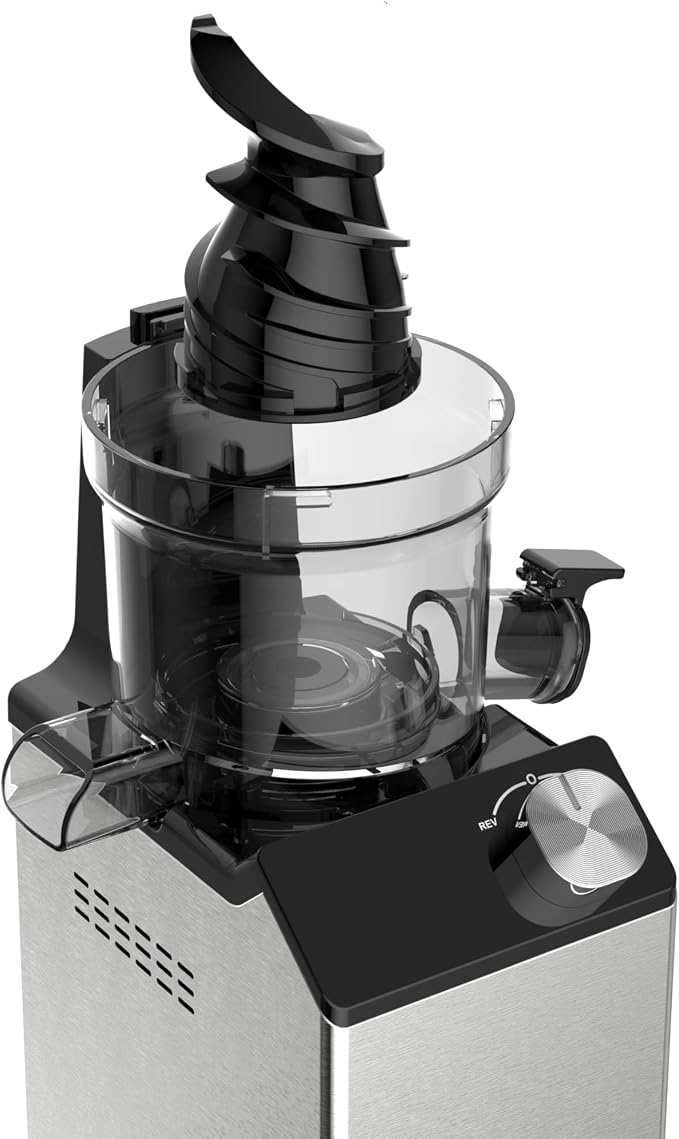
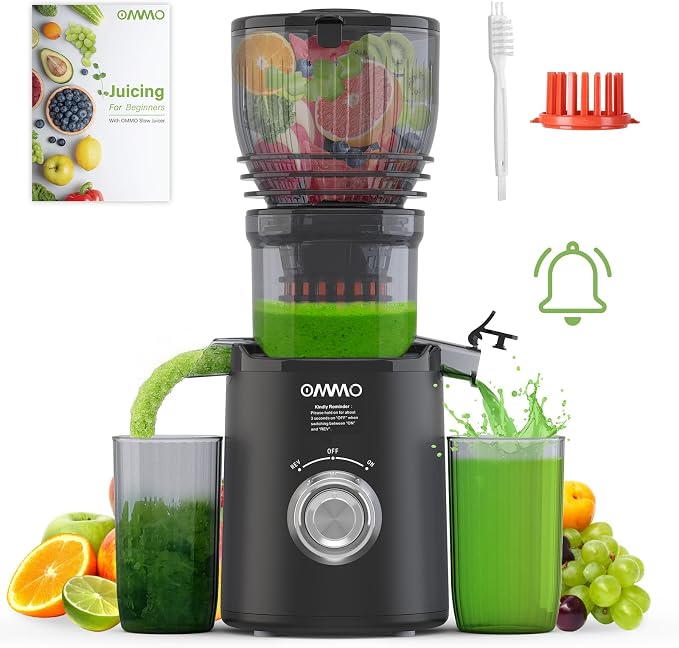
01Although motor power might not be the first thing you think about when picking a juicer, it’s actually super important for getting the most out of your fruits and veggies. A juicer with higher wattage can handle tough produce like carrots and beets without stalling, making the whole process smoother. I’ve noticed that motors with lower RPMs are gentler, preserving more nutrients by avoiding excessive heat. Look for models with overheat protection too; they let you juice larger batches without worrying about burning out the motor. Personally, I appreciate a strong motor because it extracts juice efficiently, saving me time and effort. Trust me, investing in a juicer with good motor power means less frustration and more delicious, nutrient-packed drinks every time. It’s a game-changer!
02Maximizing juice yield feels like revealing a secret to getting the most out of your favorite fruits and veggies, and it’s a big deal when choosing a juicer. I’ve found that cold press juicers, with their slow RPMs (think 50 RPM), squeeze every last drop while keeping nutrients intact. The pulp that comes out is super dry, which tells me the juicer didn’t waste much. Dual-layer filters and multi-stage extraction also help by making sure the juice flows freely without clogging. Centrifugal juicers are faster, but they don’t always give me the same rich yield. When I’m juicing, I want to see as much liquid as possible, not a pile of wet pulp. That’s why I always check reviews for juice yield percentages—anything over 89% is a winner in my book!
03Chute size can make or break your juicing experience, and I’ve learned the hard way how much it matters. A wider chute saves me so much time because I can toss in whole fruits and veggies without chopping them first. I love juicing carrots and apples quickly, and a five-inch chute lets me do that effortlessly. Smaller chutes, around three inches, still work, but I have to cut everything into smaller pieces, which adds extra prep time. Another perk of a wider chute is less exposure to air, keeping the juice fresher. Just keep in mind, though, that a big chute can make the juicer bulkier, taking up more counter space. For me, the convenience outweighs the size, especially when I’m juicing large produce like beets or celery.
04While chute size affects convenience, what really matters is how much goodness ends up in your glass. I’ve learned that cold press juicers operating at 50 RPM can preserve up to 92% of vitamins and enzymes by minimizing heat and oxidation. That’s a big deal for me because I want every sip to be packed with nutrients. Slow masticating technology also impresses me, retaining 89% of nutrients compared to faster centrifugal methods. I notice that lower RPM speeds, especially under 100, help protect heat-sensitive nutrients like vitamin C, which can break down easily. Dual-layer filters in some models also catch more pulp and reduce oxidation, keeping the juice fresher longer. Plus, less foam means fewer antioxidants and enzymes are lost. When I juice, I want it to be as nourishing as possible.
05After I’ve juiced a pile of fruits and veggies, the last thing I want is to spend ages scrubbing every nook and cranny of my juicer. That’s why I always look for models with dishwasher-safe parts —they save me so much time! Smooth, removable components are a must too, as they’re easy to rinse off quickly. I’ve also found that juicers with built-in cleaning brushes are lifesavers for getting rid of pulp stuck in tricky spots. Fewer parts mean less hassle when it’s time to disassemble and clean, and anti-clogging filters keep things running smoothly so I don’t have to stop and clean mid-juice. Honestly, choosing a juicer that’s easy to clean makes the whole process more enjoyable, and I can focus on sipping my fresh drink instead of scrubbing!
06When I’m ready to juice, I don’t want to waste time fiddling with complicated setups—that’s why assembly speed is a big deal for me. Quick-release mechanisms make disassembly faster than brewing my morning coffee, and I love that. Some juicers even beep to confirm everything’s locked in right, saving me from guesswork. Intuitive designs with labeled parts cut down on frustration, so I’m not staring at a puzzle before breakfast. Tool-free assembly is a game-changer—no digging for screws or wrenches, just snap and go. Compact models with fewer pieces mean less hassle, and I’m juicing in seconds. If you’re like me and hate delays, look for these features. Trust me, the faster it assembles, the sooner you’ll enjoy that fresh, healthy drink.
07If you’ve ever been startled by a juicer that sounds like a jet engine in your kitchen, you know how important noise level can be. I’ve found that cold press juicers, with their slow 50-80 RPM operation, are much quieter than centrifugal models, which can roar at 3,000-15,000 RPM. The low-speed technology cuts down on vibration and friction, keeping noise around 60 decibels —like a calm conversation. I also look for juicers with features like anti-vibration suction cups or rubberized bases, which really help dampen the sound. Overheat protection is another plus, as it keeps the motor running smoothly and quietly. Plus, dual-speed settings let me juice soft fruits quietly while still handling harder produce. A quieter juicer makes mornings so much more peaceful!
08Since warranty length can make or break your juicer purchase, it’s something I always check before buying. A longer warranty often means the manufacturer trusts their product’s durability, and I’ve noticed cold press juicers usually offer better coverage than centrifugal models. I look for at least 12 months, but some brands go up to 24, which feels like a solid vote of confidence. I also check what’s covered—motors, blades, and filters are key parts I don’t want to worry about replacing on my own. Some companies even let you extend the warranty for extra peace of mind, though I’ve found the standard terms are usually enough if the juicer’s built well. Knowing I’m covered for repairs or replacements makes me feel more secure in my choice.