The Best Homemade Roasted Garlic Recipe
Transform raw garlic into caramelized perfection effortlessly; discover the secret to unlocking its full flavor potential in one simple step.
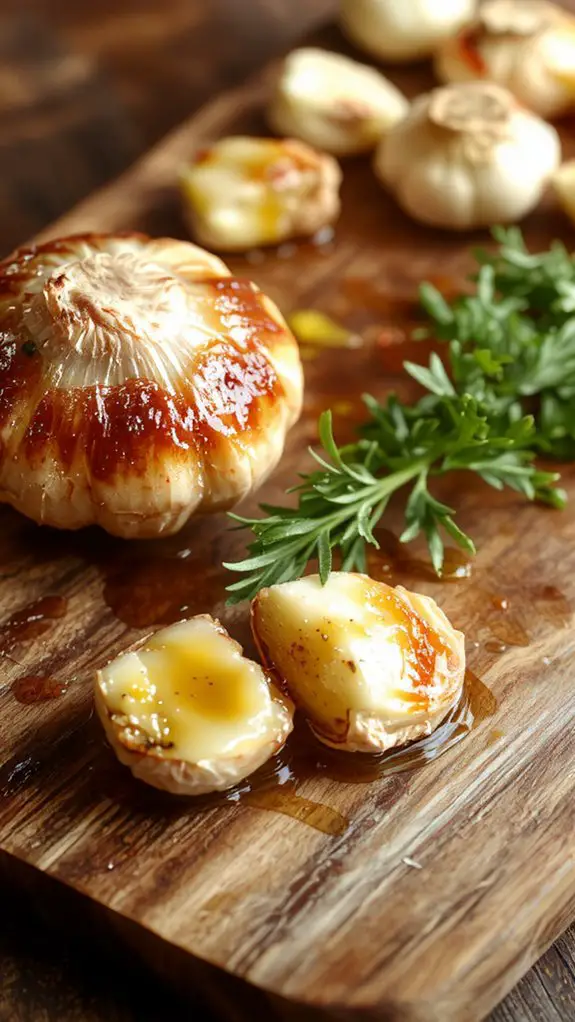
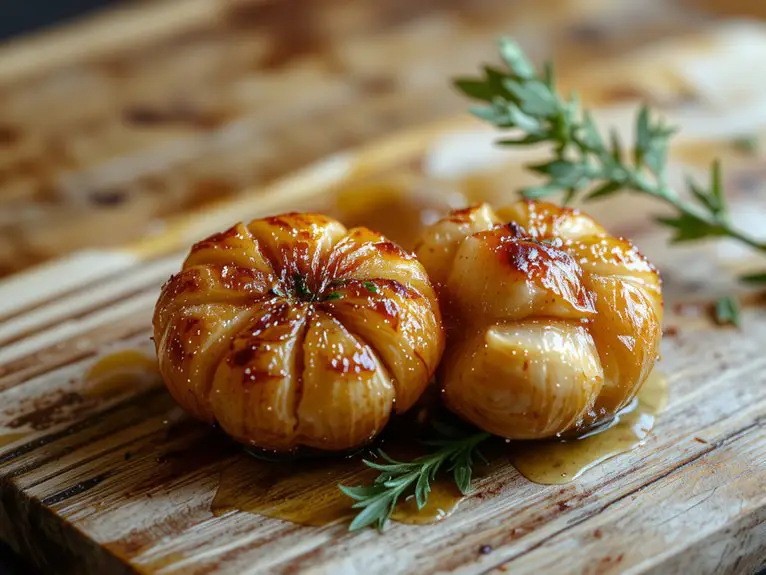
I’ve experimented with countless ways to roast garlic, but this method consistently delivers the most mellow, caramelized results. By keeping the process simple—just fresh bulbs, olive oil, and the right temperature—you’ll transform raw garlic into a rich, versatile ingredient. The secret lies in the timing and technique, ensuring a perfect balance of sweetness and depth. What you do with these silky cloves afterward might just surprise you.
Recipe
Once you try roasted garlic, you’ll wonder why you haven’t been making it all along—it’s a game-changer in the kitchen. Forget the sharp bite of raw garlic; this version transforms into creamy, caramelized cloves that are rich, mellow, and packed with sweet, nutty flavor.
Perfect for spreading on toast, blending into dips, or adding depth to sauces, roasted garlic is ridiculously easy to make and worth its weight in gold. The secret? A slow roast in the oven with a drizzle of olive oil, which coaxes out its natural sweetness and creates a buttery-smooth texture.
Trust me, once you’ve tasted it, you’ll find endless ways to use it—and your taste buds will thank you. Let’s get roasting!
Ingredients
Roasted garlic is one of those kitchen staples that can elevate any dish with its deep, caramelized flavor. The secret lies in the simplicity of the ingredients—each one plays an essential role in transforming raw, pungent garlic into a mellow, buttery spread. Here’s what you’ll need:
- Whole garlic bulbs: Choose firm, fresh bulbs with tight, unbroken skins. This is non-negotiable—freshness guarantees the best flavor and texture.
- Olive oil: Extra virgin olive oil works best for its rich flavor, but any neutral oil (like avocado or grapeseed) will do in a pinch. The oil helps steam the garlic while adding a silky richness.
- Salt: A pinch of kosher or sea salt enhances the natural sweetness of the garlic. Skip the table salt—it’s too fine and can overpower.
- Pepper (optional): Freshly ground black pepper adds a subtle kick, but it’s not essential if you prefer pure garlic flavor.
- Fresh herbs (optional): Thyme, rosemary, or oregano tossed in before roasting infuses the garlic with aromatic depth.
Pro tip: Don’t skimp on the olive oil—it’s the key to achieving that creamy, spreadable texture. If you’re out of fresh herbs, dried herbs work too, just use half the amount.
And remember, roasted garlic is forgiving, so feel free to tweak the ingredients to suit your taste.
How to Make the Best Perfect Roasted Garlic Recipe
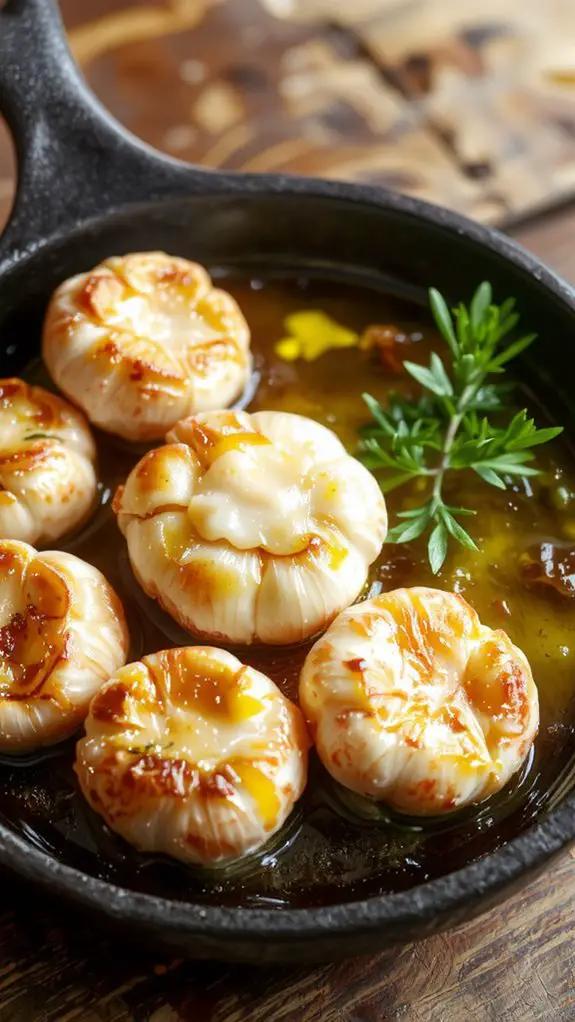
Let cool slightly before handling. The garlic will be extremely hot. Once cool enough to touch, squeeze from the base to push out the softened cloves.
Pro Tips:
- For extra flavor, add herbs like thyme or rosemary to the foil packet before roasting.
- If short on time, roast at 375°F (190°C) for 50-55 minutes—lower heat prevents burning.
- Store unused roasted garlic in an airtight container in the fridge for up to 2 weeks, or freeze for longer storage.
Watch Out:
- Avoid over-roasting—burnt garlic turns bitter. If the cloves start browning too quickly, tent the foil loosely.
- Don’t skip the foil wrap; uncovered garlic dries out and burns easily.
Nutrition
Roasted garlic is a flavorful and nutritious addition to many dishes. Here’s the nutritional breakdown per serving (1 bulb):
| Nutrient | Amount per Serving |
|---|---|
| Calories | 42 kcal |
| Carbohydrates | 9.3 g |
| Protein | 1.8 g |
| Fat | 0.1 g |
| Fiber | 0.6 g |
| Vitamin C | 11% DV |
| Calcium | 2% DV |
| Iron | 3% DV |
Chef Tips
When it comes to maximizing flavor, I’ve found a few tricks that make all the difference. Always use fresh, high-quality garlic—it’s sweeter and richer. Drizzle olive oil generously to keep it moist. Roast at 400°F for 35–40 minutes until golden and soft.
Let it cool slightly before squeezing the cloves out—it’s easier. Store any leftovers in an airtight container with olive oil to preserve freshness.
What to Serve With This Recipe
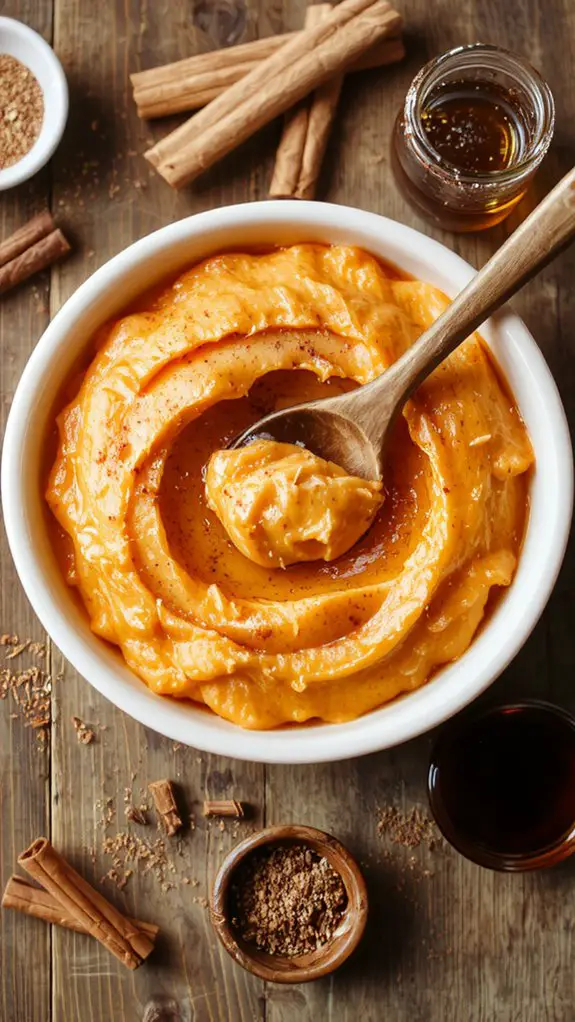
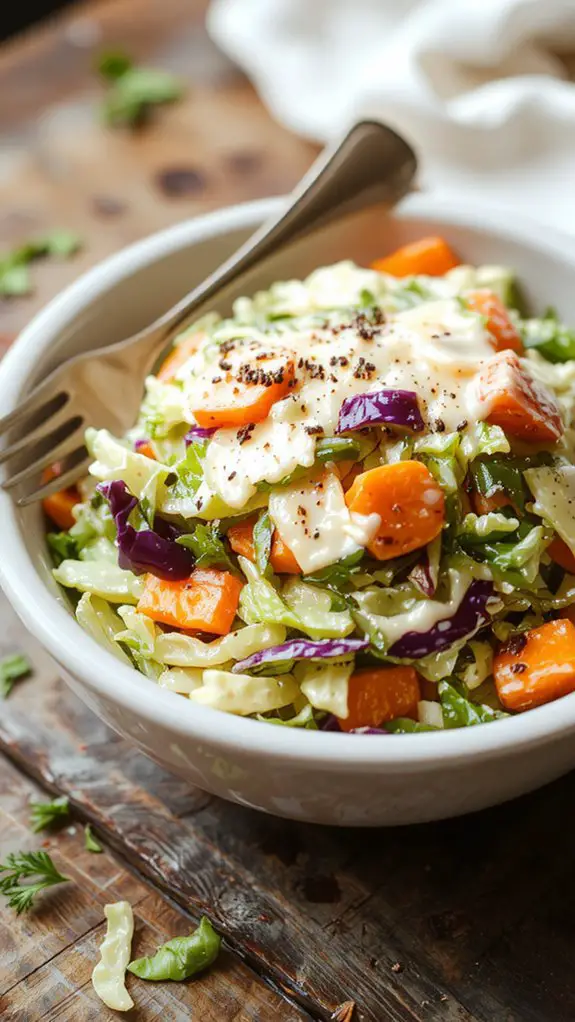
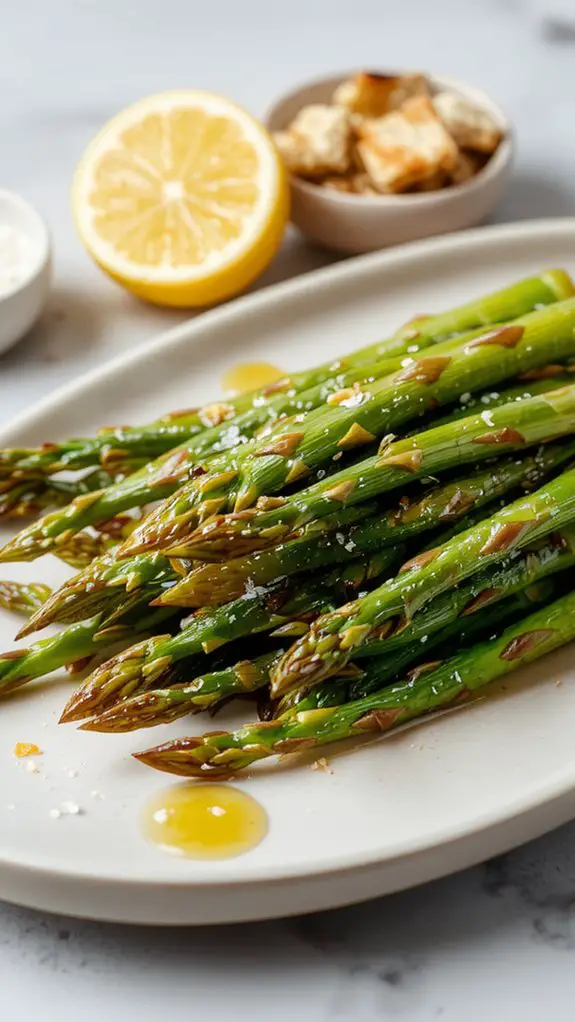

Leave a Review or Ask a Question
Your rating, tips, and questions help other home cooks. Tell us how it turned out or ask anything before you make it.