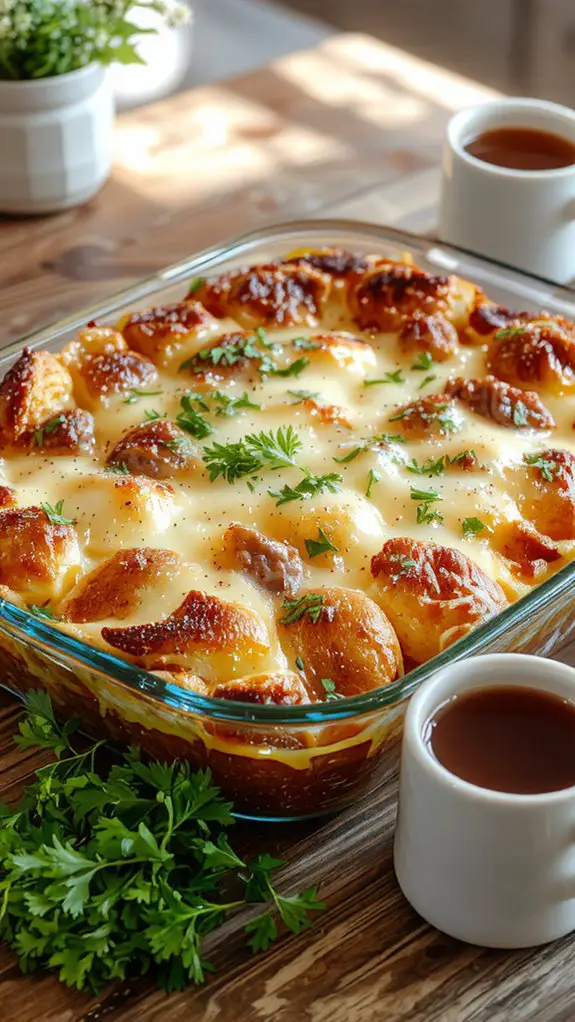
The Best Homemade German Pancake Recipe
Master the perfect German pancake with crispy edges and a custardy center—discover the secret most recipes won't tell you.
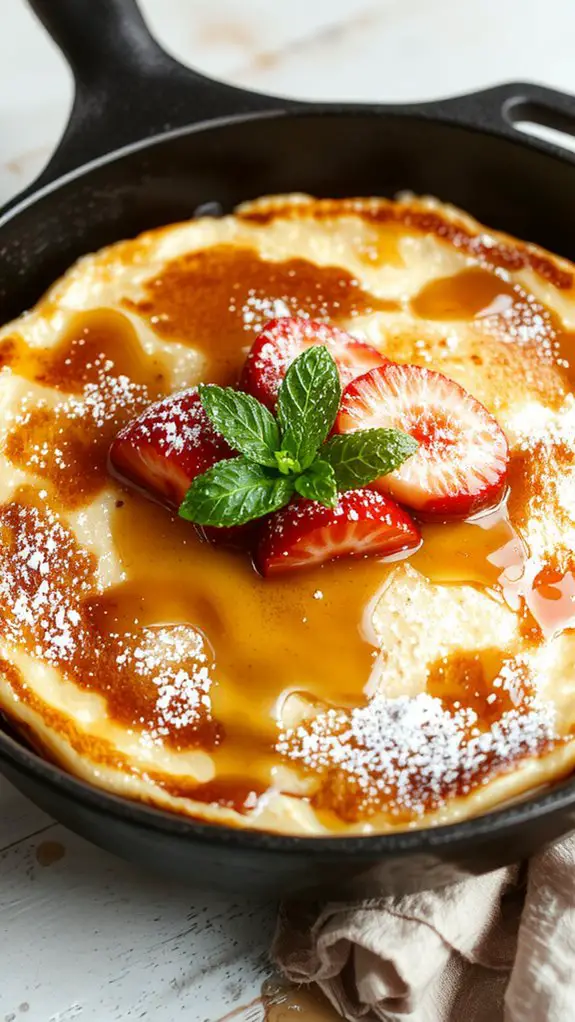
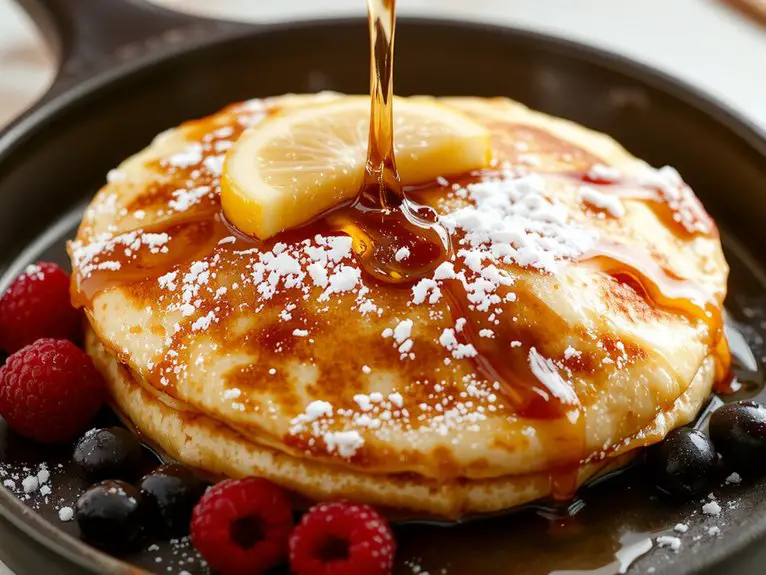
I’ve spent years perfecting my German pancake recipe, and it’s finally reached that golden, custardy ideal. The secret lies in the balance of eggs, flour, and just enough butter to create those crisp, caramelized edges. It’s a dish that looks impressive but comes together with minimal effort. If you’ve ever wondered how to achieve that dramatic puff and tender center, there’s a trick most recipes don’t mention.
Recipe
Few breakfast treats are as impressive yet simple as a perfectly puffed German pancake. This isn’t just any pancake—it’s a golden, custardy masterpiece with crispy edges and a buttery richness that’ll have everyone at the table reaching for seconds.
What makes it special? Just a handful of pantry staples (eggs, flour, and milk) transform into something magical in the oven, rising dramatically like a edible golden crown. I’ve made this recipe countless times, and whether it’s a lazy Sunday or a brunch centerpiece, it never fails to wow.
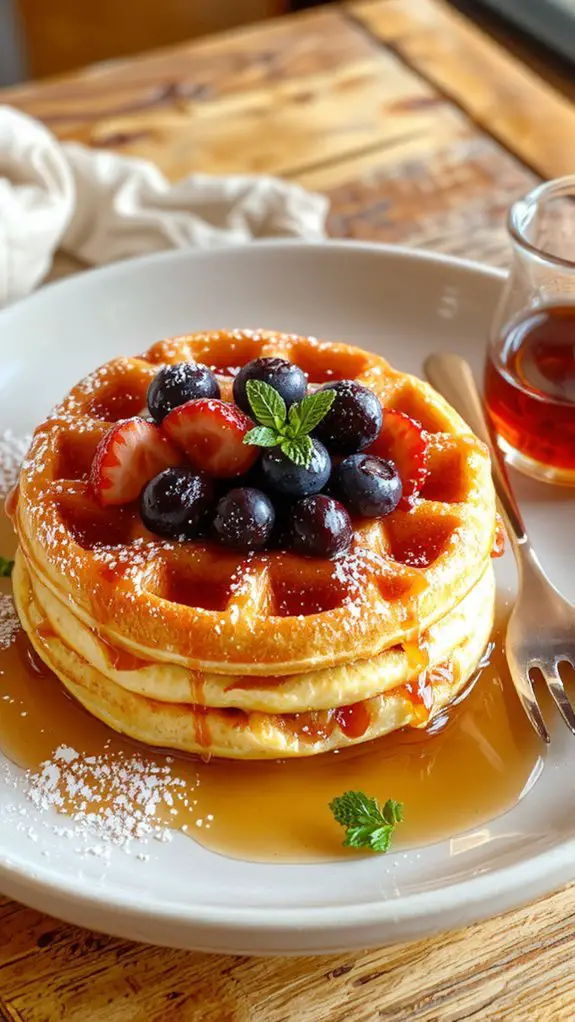
The texture is everything: tender in the middle, slightly crisp at the edges, and begging to be drizzled with syrup or piled high with fresh berries. Trust me, once you see how easy it’s to pull off, you’ll wonder why you haven’t been making it every weekend.
Ingredients
A German pancake is all about simplicity with a touch of magic—minimal ingredients transform into a puffy, golden masterpiece. The right mix guarantees that signature crisp edges and custardy center.
- Eggs (3 large) – The backbone of the pancake’s rise and richness. Fresh, room-temperature eggs whip better for maximum puff.
- Whole milk (½ cup) – Adds creaminess; swap with almond milk for a lighter version, but avoid skim—it lacks fat.
- All-purpose flour (½ cup) – Sifted to prevent lumps. For a nutty twist, sub ¼ cup with buckwheat flour.
- Sugar (1 tbsp) – Just enough to balance; skip if serving with syrup.
- Vanilla extract (½ tsp) – A must for depth. Use real vanilla—imitation tastes artificial.
- Salt (¼ tsp) – Enhances flavor; don’t omit.
- Unsalted butter (2 tbsp) – Non-negotiable for that crispy, buttery crust. Melted brown butter adds a nutty upgrade.
Pro Tip: Let the batter rest 10 minutes—it relaxes the gluten for a tender pancake.
A hot oven (425°F) is key for the dramatic rise!
How to Make the Best Traditional German Pancake Recipe
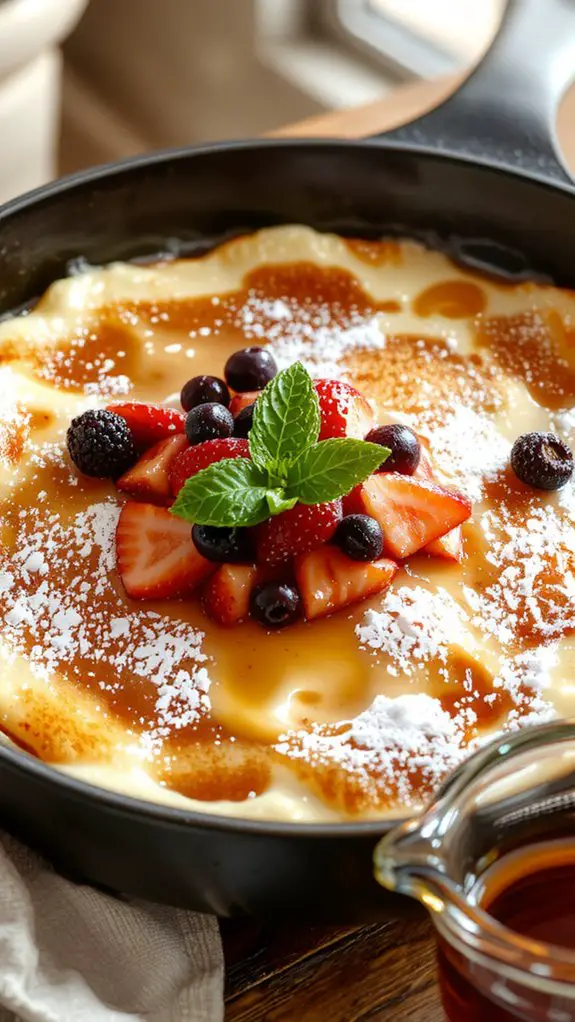
– Serve immediately – German pancakes deflate as they cool, so top with powdered sugar, fresh fruit, or syrup right away. A squeeze of lemon juice adds a bright, classic touch.
Pro Tip: For extra lift, let the batter rest for 10 minutes before baking. This relaxes the gluten for a lighter texture.
Watch Out: Don’t skip preheating the skillet—it’s key for the pancake’s dramatic rise. A cold pan = flat results.
Flexibility: No skillet? Use a 9×13-inch baking dish—just adjust the bake time by a few minutes.
Nutrition
German pancakes are a delightful breakfast option, offering a balance of flavor and nutrition. Below is the nutritional breakdown per serving.
| Nutrient | Amount |
|---|---|
| Calories | 230 |
| Total Fat | 10g |
| Saturated Fat | 5g |
| Cholesterol | 120mg |
| Sodium | 250mg |
| Carbohydrates | 25g |
| Dietary Fiber | 1g |
| Sugars | 5g |
| Protein | 8g |
Chef Tips
When making German pancakes, I always recommend preheating the oven thoroughly before starting—it guarantees even cooking. Use room-temperature ingredients for a smoother batter, and whisk it well to incorporate air.
Pour the batter into a hot, buttered skillet for a crisp edge. Don’t open the oven door while baking; it can cause the pancake to deflate.
Sprinkle powdered sugar or add fresh fruit for serving.
What to Serve With This Recipe


Leave a Review or Ask a Question
Your rating, tips, and questions help other home cooks. Tell us how it turned out or ask anything before you make it.