The Best Homemade Pita Recipe
Keep your pitas soft and pocket-perfect with this simple recipe; uncover the secret to achieving bakery-quality pita every time.
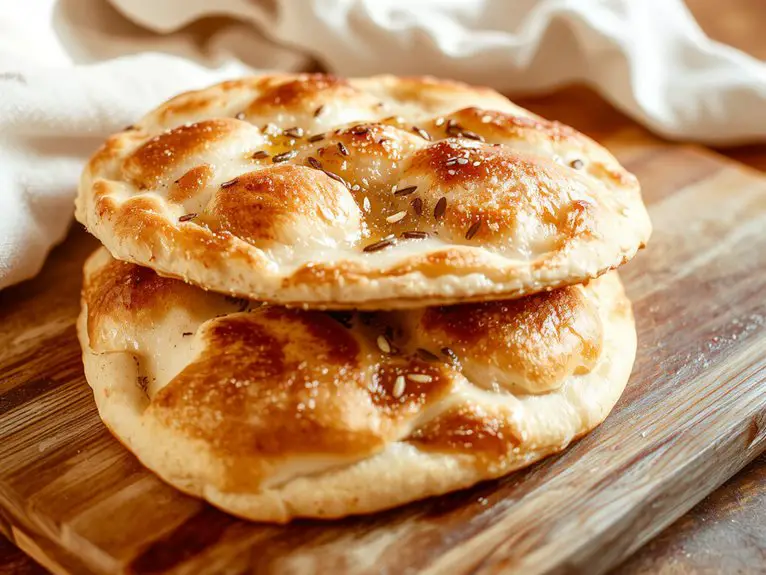
I’ve tried countless recipes for homemade pita, but this one stands out for its simplicity and consistency. Using just a handful of ingredients, it yields soft, pillowy bread with that signature pocket perfect for stuffing. The secret lies in the technique—getting the dough just right and cooking it at the right temperature. Curious how to avoid common pitfalls and achieve that perfect puff? Let’s break it down step by step.
Recipe
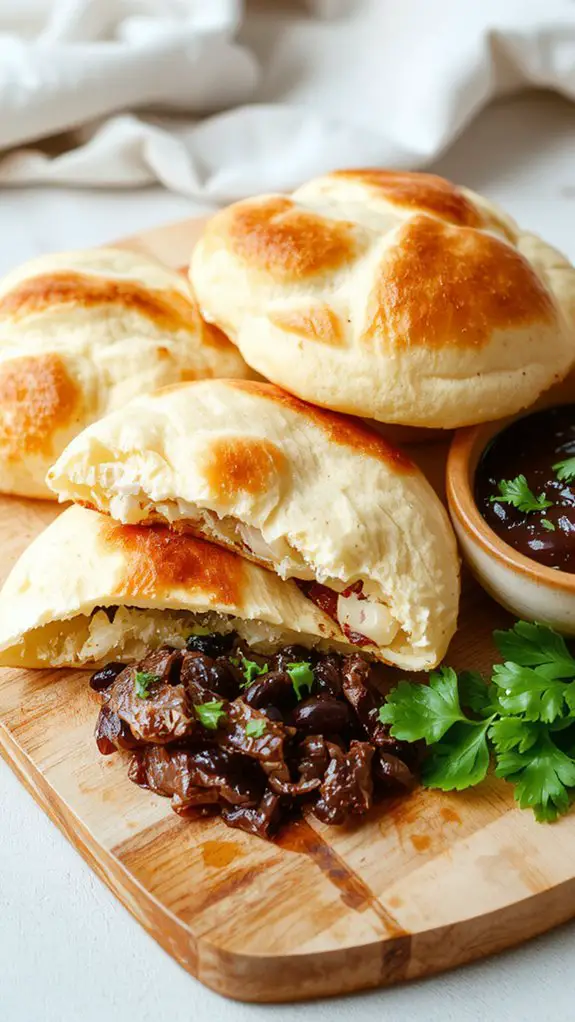
There’s something downright magical about homemade pita—warm, pillowy pockets just waiting to cradle your favorite fillings, straight from the oven. Once you try this recipe, you’ll never go back to store-bought.
The secret? A simple dough that puffs up like a dream, thanks to a hot oven and a little patience. I’ve made these countless times, and every bite still feels like a small victory—crisp on the outside, soft and chewy inside, with that irresistible fresh-bread aroma filling your kitchen.
Whether you’re stuffing them with falafel, dipping them in hummus, or just tearing off pieces straight from the pan, these pitas are a game-changer. Trust me, you’ve got this.
Ingredients
To achieve soft, pillowy pita bread with the perfect pocket, start with the right ingredients. The key is using high-quality flour and allowing the dough to rest properly for maximum elasticity. Here’s what you’ll need, plus insider tips to make it foolproof:
- Bread flour (3 cups) – The higher protein content creates that chewy yet tender texture. All-purpose flour works, but bread flour is the secret to perfection.
- Warm water (1 cup + 2 tbsp) – Lukewarm water (about 110°F) activates the yeast without killing it. Too hot or too cold, and your dough won’t rise.
- Active dry yeast (2 ¼ tsp) – Fresh yeast can also be used (just double the amount). Proof it in the warm water with a pinch of sugar to verify it’s alive and active.
- Olive oil (2 tbsp) – Adds richness and keeps the dough pliable. Use good-quality olive oil for a subtle flavor boost.
- Salt (1 tsp) – Don’t skip it! Salt enhances flavor and strengthens the gluten structure.
- Sugar (1 tsp) – Feeds the yeast and helps with browning. Honey or maple syrup works as a substitute if needed.
- Extra flour (for dusting) – Keep some on hand while rolling out the dough to prevent sticking.
Pro tip: Freshly milled whole wheat flour can replace up to half of the bread flour for a nuttier, heartier pita—just add a bit more water to balance the texture.
And always let your dough rest in a warm, draft-free spot for the best rise!
How to Make the Best Fluffy Homemade Pita Bread
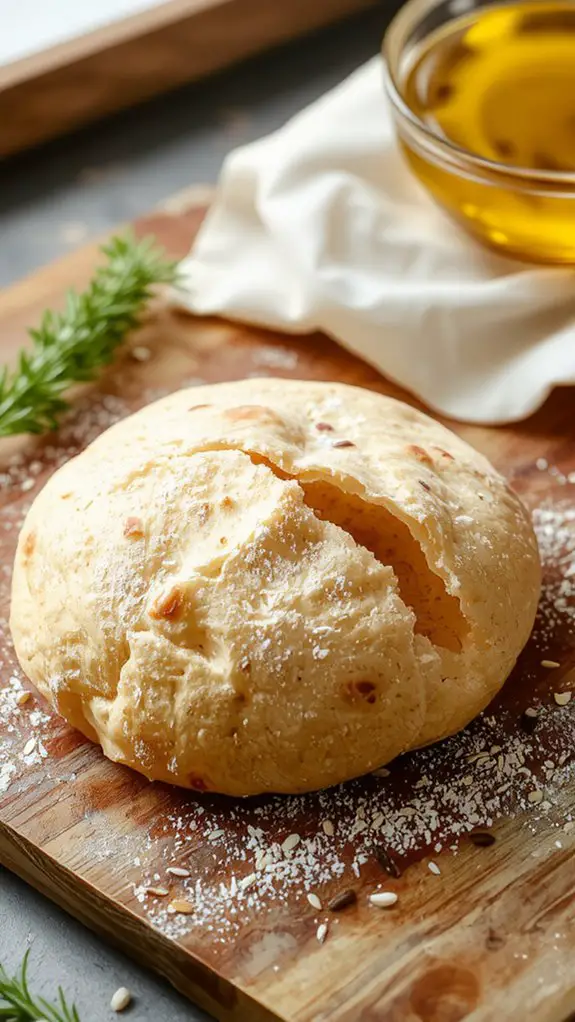
– Prepare the dough
In a large mixing bowl, combine 2 ¼ teaspoons of active dry yeast, 1 teaspoon of sugar, and 1 cup of warm water (about 110°F). Let it sit for 5-10 minutes until frothy. This activates the yeast, ensuring your pita rises beautifully.
Add 2 ½ cups of all-purpose flour, 1 teaspoon of salt, and 1 tablespoon of olive oil. Mix until a shaggy dough forms.
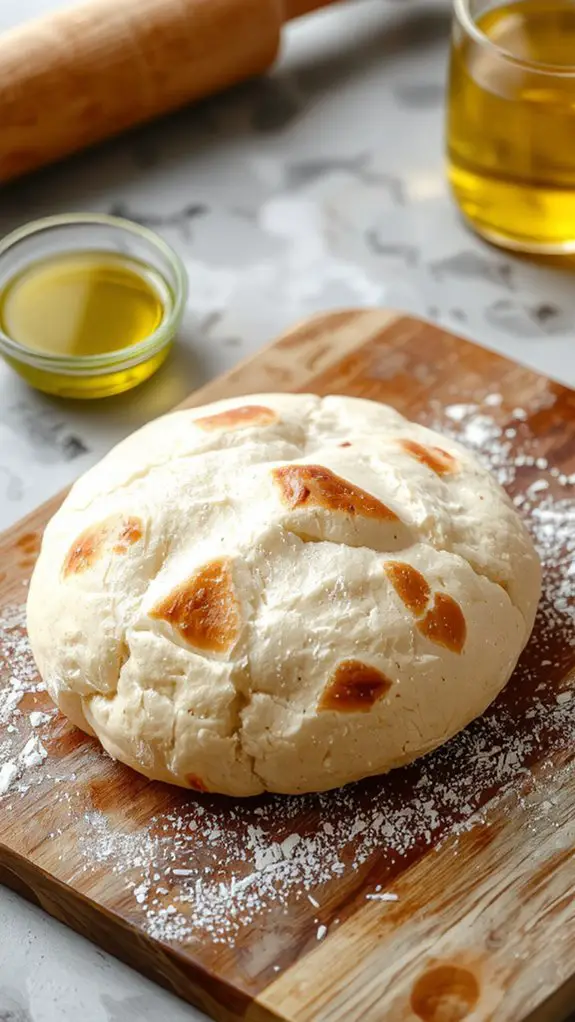
Knead on a lightly floured surface for 8-10 minutes until smooth and elastic. Pro tip: If the dough feels too sticky, add a sprinkle of flour, but avoid over-flouring, as it can make the pita dense.
– Let the dough rise
Place the kneaded dough in a lightly oiled bowl, cover with a clean kitchen towel or plastic wrap, and let it rise in a warm spot for 1-1 ½ hours, or until doubled in size.
The warmth helps the yeast work efficiently. If you’re short on time, placing the bowl in a slightly warmed oven (turned off) can speed things up.
Visual cue: The dough should spring back slowly when poked with a finger.
– Divide and shape
Punch down the risen dough to release any air bubbles, then divide it into 8 equal pieces. Roll each piece into a ball, cover them with a towel, and let rest for 10 minutes.
This relaxes the gluten, making the dough easier to roll out. Flatten each ball into a circle about ¼-inch thick using a rolling pin.
Watch out: Avoid rolling too thin, as it can prevent the pita from puffing up in the oven.
– Cook the pita
Preheat a large skillet or griddle over medium-high heat. Lay one rolled-out pita in the dry skillet and cook for 30-40 seconds, or until bubbles start to form.
Flip and cook for another 1-2 minutes until the pita puffs up like a balloon and develops golden brown spots. If it doesn’t puff, don’t worry—it’s still delicious!
Pro tip: Keep cooked pitas wrapped in a clean kitchen towel to stay warm and soft while you cook the rest.
– Serve and enjoy
Once all the pitas are cooked, serve them immediately with your favorite dips, fillings, or as a side to a meal.
Leftovers can be stored in an airtight bag at room temperature for up to 2 days or frozen for longer storage. Reheat in a skillet or toaster for the best texture.
Flexibility: For a softer pita, brush them with a little olive oil after cooking.
Nutrition
Homemade pita bread is a nutritious option that can be part of a balanced diet. It provides essential macronutrients and energy.
| Nutrient | Amount per Serving (1 pita, 60g) |
|---|---|
| Calories | 165 |
| Protein | 5g |
| Carbs | 33g |
| Fat | 1g |
| Fiber | 1g |
| Sugar | 1g |
Chef Tips
Making great pita bread isn’t just about the ingredients—it’s about technique. I always knead the dough until it’s smooth and elastic, then let it rest until doubled in size.
Rolling the dough evenly guarantees it puffs up perfectly in the oven—don’t skip this step!
Preheat your baking surface thoroughly; it’s key for that signature pocket. Watch carefully; overbaking makes it dry.
Practice makes perfection.
What to Serve With This Recipe
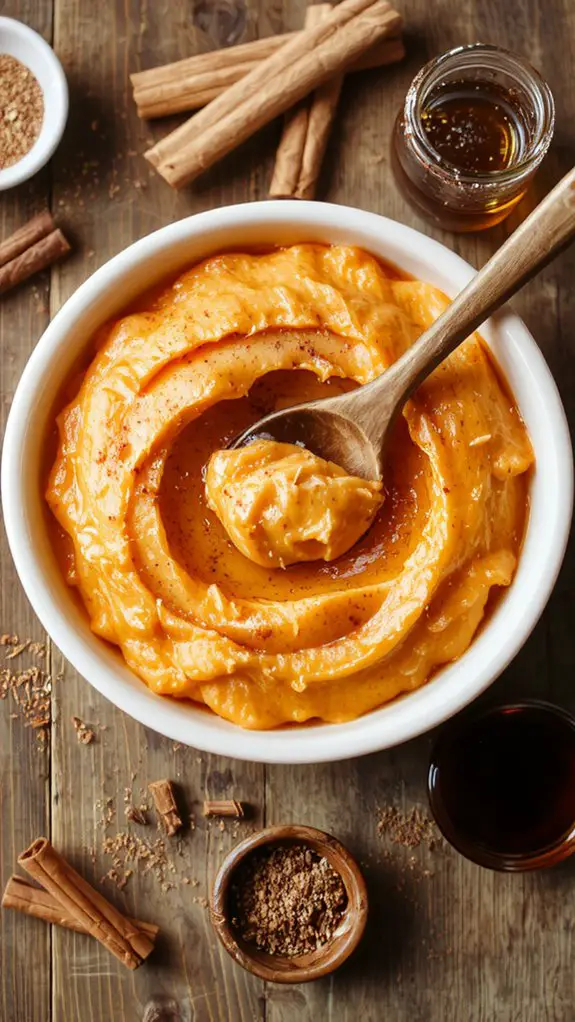
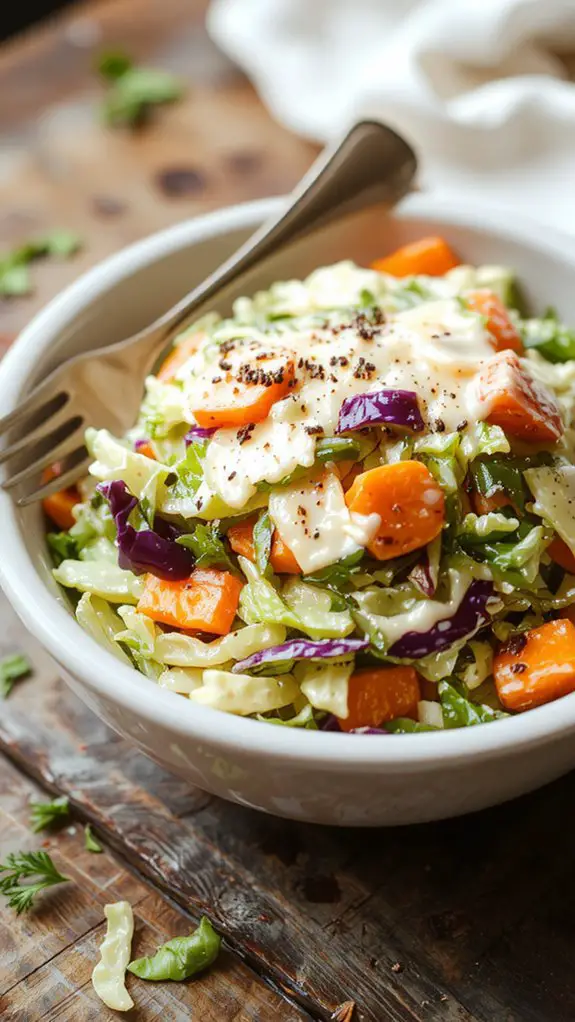
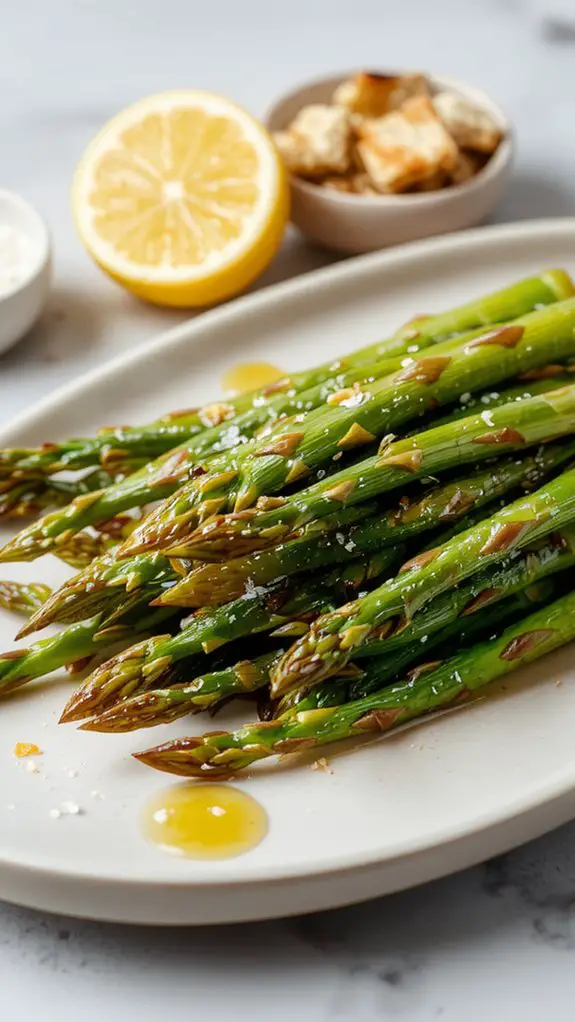

Leave a Review or Ask a Question
Your rating, tips, and questions help other home cooks. Tell us how it turned out or ask anything before you make it.