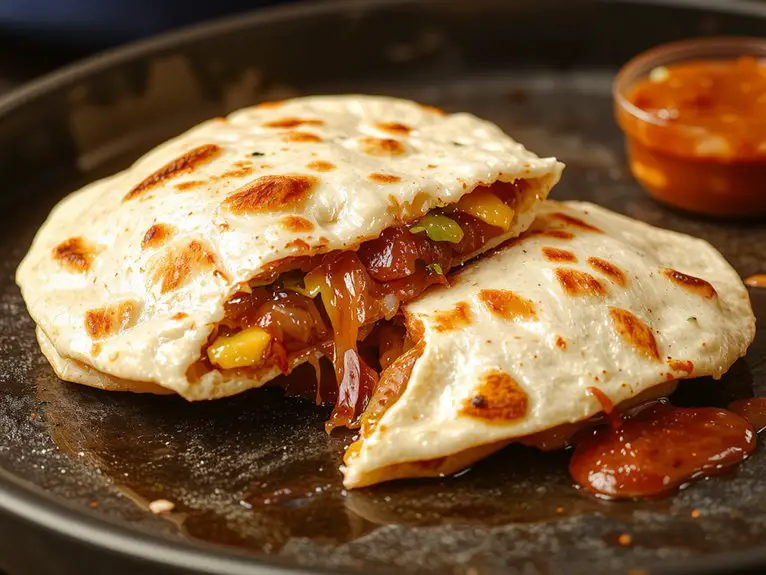
I’ve spent years perfecting my pupusa recipe, and I’m convinced this version hits all the right notes. The crispy exterior gives way to a tender, cheesy center that’s hard to resist. With just a few simple ingredients, you’ll get restaurant-quality results at home. But the real secret lies in the technique—something I’ll share that makes all the difference. Trust me, once you try these, you won’t look back.
Recipe
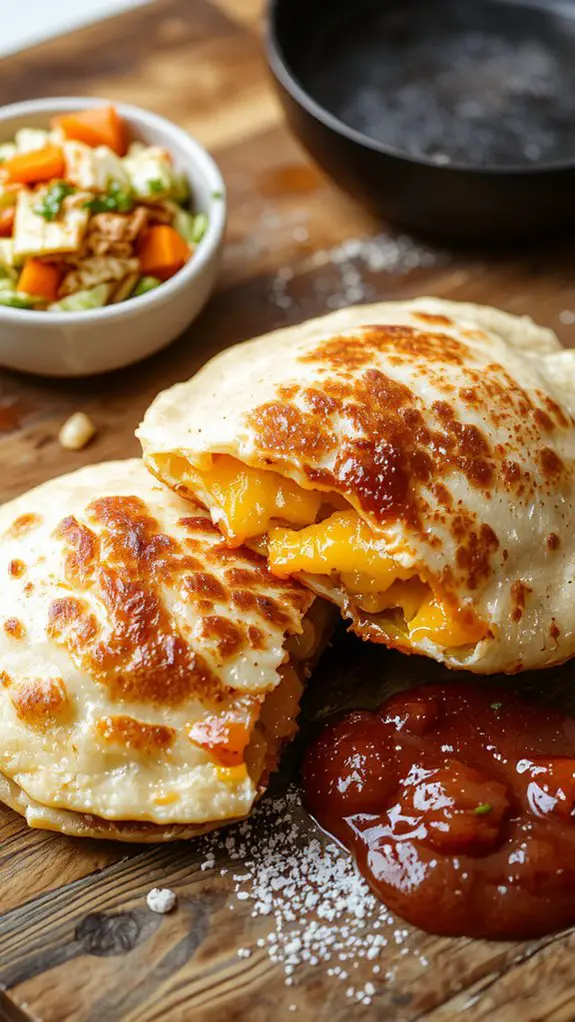
There’s something magical about biting into a perfectly made pupusa—crispy on the outside, tender and cheesy on the inside, with just the right amount of savory filling bursting through. This isn’t just another recipe; it’s the kind of dish that turns first-time makers into lifelong fans. Trust me, once you taste these, you’ll wonder why you ever settled for store-bought.
The secret? A simple dough that’s forgiving yet transforms into golden perfection, stuffed with melty cheese and your choice of flavorful fillings—whether it’s classic refried beans, juicy pork, or even zucchini for a veggie twist.
The aroma alone as they sizzle on the griddle will have everyone hovering in the kitchen. And the best part? They’re easier to make than you think.
Let’s get those hands messy and make pupusas so good, they’ll rival your favorite Salvadoran spot.
Ingredients
To make authentic, flavorful pupusas, you’ll need a few simple ingredients. While the recipe is forgiving, there are some key elements that elevate the dish. Freshness and quality matter here—so don’t skimp on the essentials!
- Masa Harina: The backbone of any pupusa. This corn flour is non-negotiable—it gives the dough its signature texture and flavor. Look for brands like Maseca for reliable results.
- Warm Water: Essential for hydrating the masa. It should be lukewarm to help the dough come together smoothly.
- Salt: A pinch enhances the masa’s natural flavor without overpowering it.
- Refried Beans: For a classic bean pupusa, use smooth refried beans. Canned works, but homemade refried beans add a richer taste.
- Cheese: Queso Oaxaca or mozzarella is ideal—melty, stretchy, and not too salty. Queso fresco can also be crumbled in for a firmer texture.
- Chicharrón (Pork): Optional, but traditional. Use finely ground chicharrón for a savory filling. If you’re vegetarian, skip this or swap in sautéed mushrooms.
- Oil: For greasing your hands and the skillet. Neutral oils like vegetable or avocado oil work best.
Pro Tip: If your dough feels dry, add a splash more water. It should be pliable but not sticky. For extra flavor, mix a bit of garlic powder or finely chopped cilantro into the masa dough.
Optional Garnishes: Serve with curtido (pickled cabbage slaw) and a simple tomato salsa for a complete pupusa experience.
How to Make the Best Pupusa Cooking Instructions
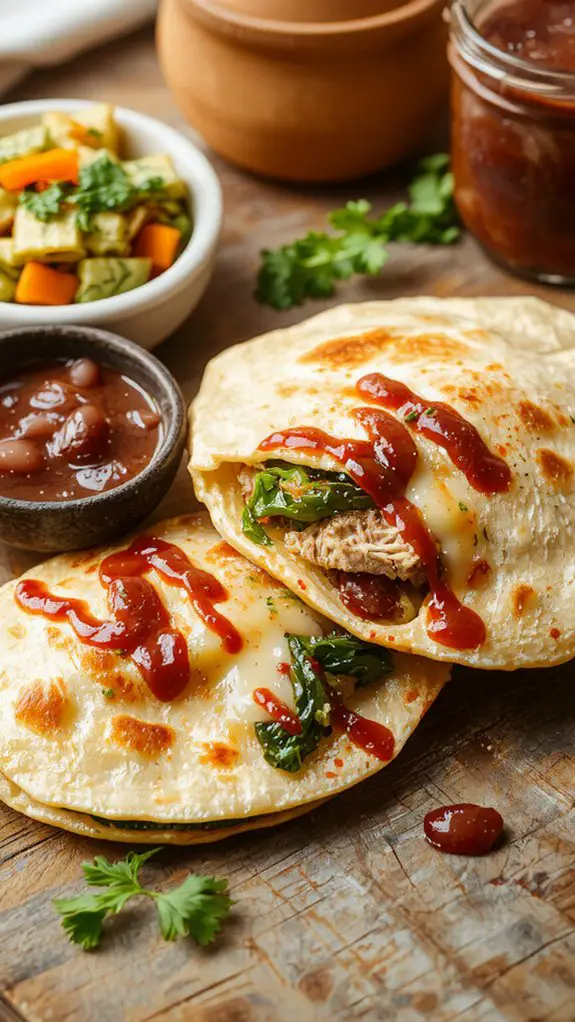
– Prepare the dough: Mix masa harina with warm water and salt until it forms a soft, pliable dough. The dough should hold together without cracking—if it’s too dry, add water a teaspoon at a time.
Pro tip: Let the dough rest for 10 minutes to hydrate fully, making it easier to shape.
– Shape the pupusas: Divide the dough into golf ball-sized portions. Flatten each ball into a disc, then create a small well in the center. Fill with your choice of filling (cheese, beans, or chicharrón), then pinch the edges to seal. Gently pat into a ½-inch-thick round.
Watch out: Overstuffing can cause the pupusa to burst while cooking.
– Cook on a griddle: Heat a lightly greased skillet or griddle over medium heat. Cook pupusas for 3–4 minutes per side until golden brown and slightly crispy.
Visual cue: They’re ready when they release easily from the pan and sound hollow when tapped.
Pro tip: Keep cooked pupusas warm in a towel to stay soft.
– Serve immediately: Enjoy hot with curtido (pickled cabbage slaw) and salsa roja.
Flexibility: If making ahead, reheat on a griddle for best texture—microwaving can make them soggy.
Nutrition
Pupusas are a traditional Salvadoran dish made with corn masa and stuffed with various fillings. Here’s the nutritional information for a typical homemade pupusa.
| Nutrient | Amount per serving |
|---|---|
| Calories | 250 kcal |
| Carbohydrates | 30 g |
| Protein | 8 g |
| Fat | 10 g |
| Fiber | 3 g |
| Sodium | 400 mg |
Chef Tips
Making pupusas at home can be a rewarding experience, and I’ve found a few tricks that help them turn out just right.
First, keep the dough moist but not sticky. Use warm water to make it pliable.
Second, flatten the dough evenly to avoid thick spots.
Finally, cook them on medium heat to guarantee they’re golden without burning.
Practice makes perfect—don’t rush the process.