I’ve always found cabbage to be underrated, but when cooked right, it transforms into something truly special. My go-to recipe balances simplicity with deep, savory flavors—just a few pantry staples elevate it beyond the ordinary. The secret lies in how you handle the texture and acidity. If you’re looking for a side dish that’s both comforting and unexpectedly satisfying, this might just change how you see cabbage forever.
Recipe
Let me tell you—this cabbage recipe is a game-changer. Whether you’re a veggie lover or just looking for a simple, flavorful side dish, this one hits all the right notes. It’s earthy, slightly sweet, and has that satisfying crunch that makes every bite feel wholesome.
What makes it truly special is how effortlessly it comes together—just a handful of pantry staples and fresh cabbage work magic in minutes. I’ve made this countless times, and it never fails to impress.
Imagine tender cabbage caramelized to perfection, with a hint of garlic and a touch of smokiness from a quick sauté. It’s comforting yet invigorating, and it pairs beautifully with just about anything.
Trust me, once you try it, you’ll wonder why you hadn’t been cooking cabbage like this all along. Let’s get started—you’ll be amazed at how something so simple can taste so extraordinary.
Ingredients
The secret to a standout cabbage dish lies in choosing the right ingredients—fresh, vibrant, and packed with flavor. Here’s what you’ll need to make this recipe shine, along with insider tips to elevate your cooking game.
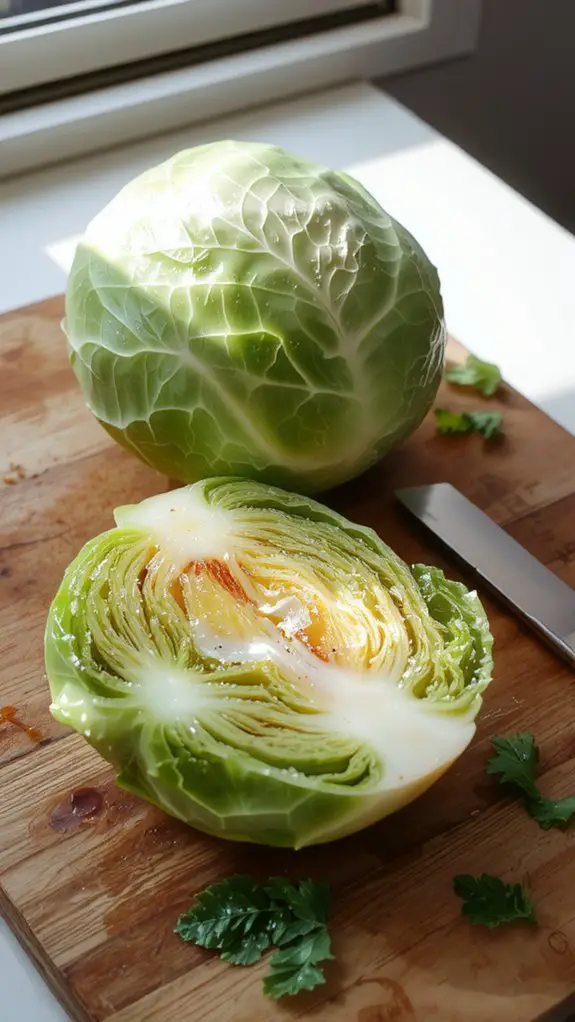
- Green cabbage – The star of the dish. Look for firm, tightly packed heads with crisp leaves for the best texture.
- Olive oil – A good-quality oil adds richness and helps caramelize the cabbage. (Swap: Butter for a richer taste.)
- Garlic – Freshly minced is non-negotiable—it brings depth and aroma that powdered garlic just can’t match.
- Onion – Yellow or white onions work best for sweetness. (Swap: Shallots for a milder, more refined flavor.)
- Apple cider vinegar – A splash brightens the dish and balances the cabbage’s natural sweetness. (Swap: White wine vinegar in a pinch.)
- Salt & black pepper – Essential for seasoning. Freshly cracked pepper makes a noticeable difference.
- Red pepper flakes – Just a pinch adds a subtle heat. (Optional, but highly recommended for depth.)
- Fresh herbs (parsley or dill) – A finishing touch that adds freshness. Don’t skip—it’s the little things that make it special.
Pro Tip: If you can find savoy cabbage, its tender leaves and slightly sweeter taste make a fantastic alternative to green cabbage.
And for an extra layer of umami, a dash of soy sauce or smoked paprika works wonders.
How to Make the Best “Best Homemade Cabbage Dish
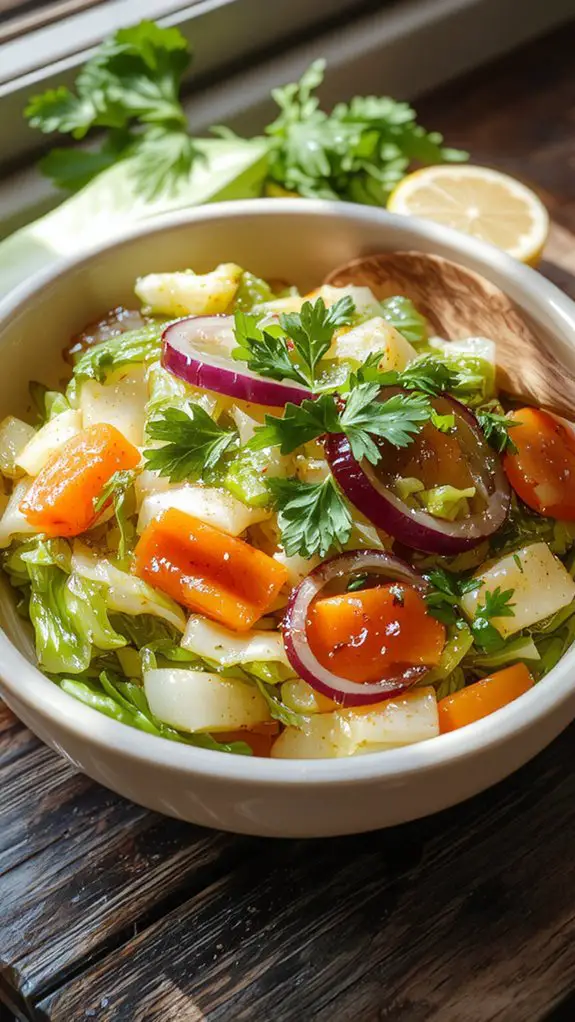
Serve warm: Pair it as a side dish or add protein like tofu or sausage for a hearty main.
Time-saving trick: Double the batch—leftovers make a great addition to salads or stir-fries!
Nutrition
Cabbage is a nutritious vegetable packed with vitamins and minerals. Here’s the nutritional breakdown per serving of homemade cabbage.
| Nutrient | Amount per Serving |
|---|---|
| Calories | 22 kcal |
| Carbohydrates | 5 g |
| Fiber | 2 g |
| Protein | 1 g |
| Vitamin C | 36 mg |
| Vitamin K | 76 mcg |
| Folate | 43 mcg |
| Potassium | 170 mg |
Chef Tips
You’ve got the basics on cabbage’s nutrition; now let’s talk about making the most of it in the kitchen.
I always slice cabbage thinly for even cooking. A quick salt-and-rest trick softens it without overcooking.
For stir-fries, high heat keeps it crisp. Don’t discard the core—it’s great for slaws when grated. A splash of vinegar brightens flavors.
Store leftovers airtight to keep freshness.