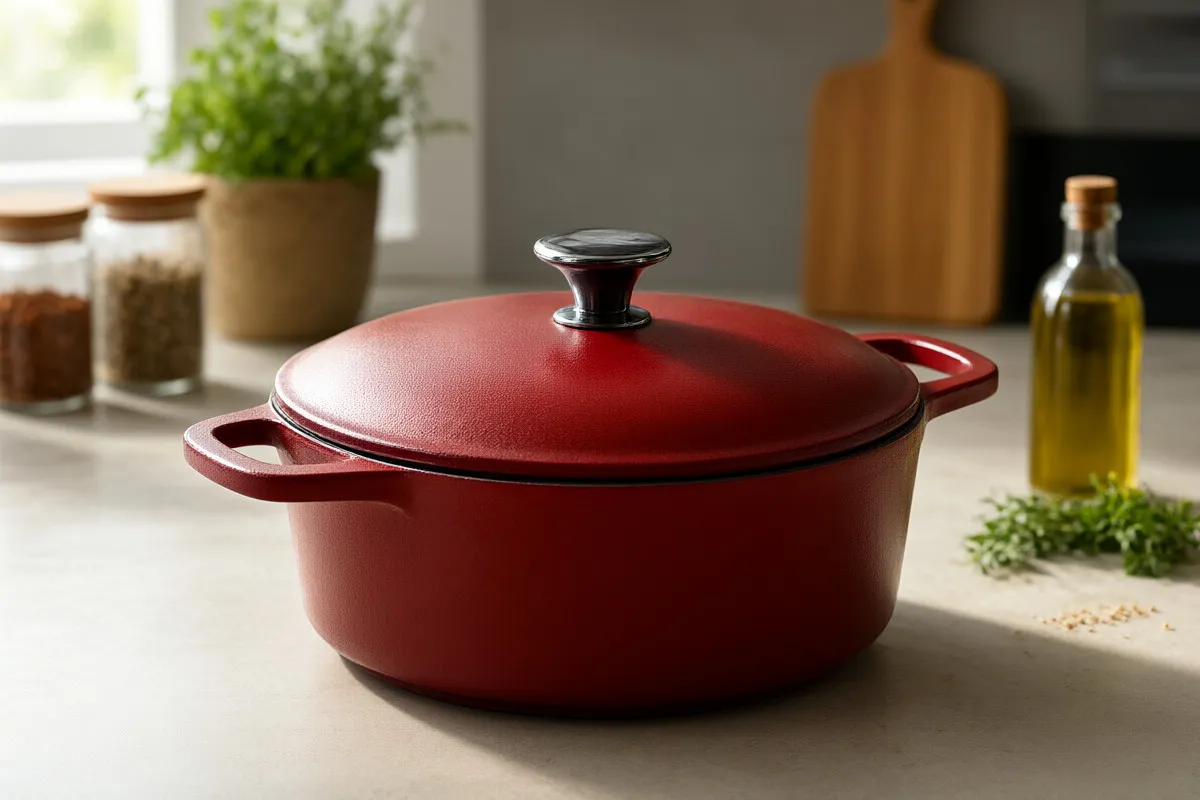
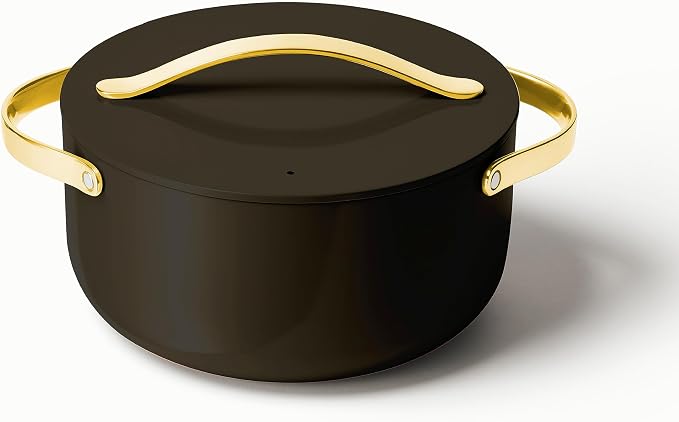
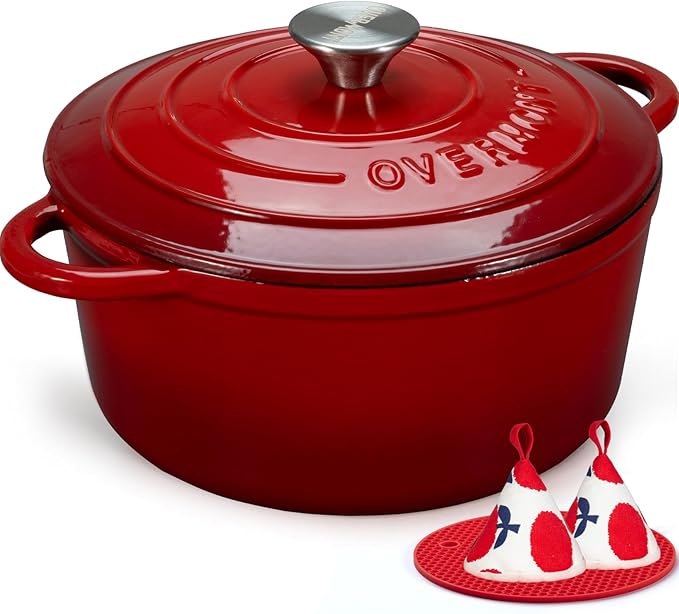
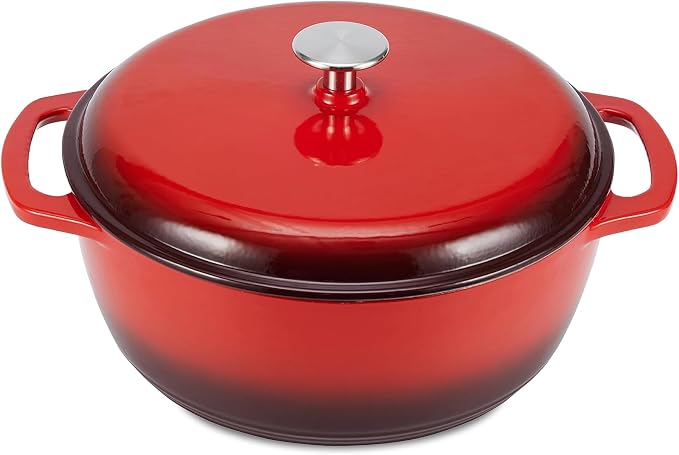
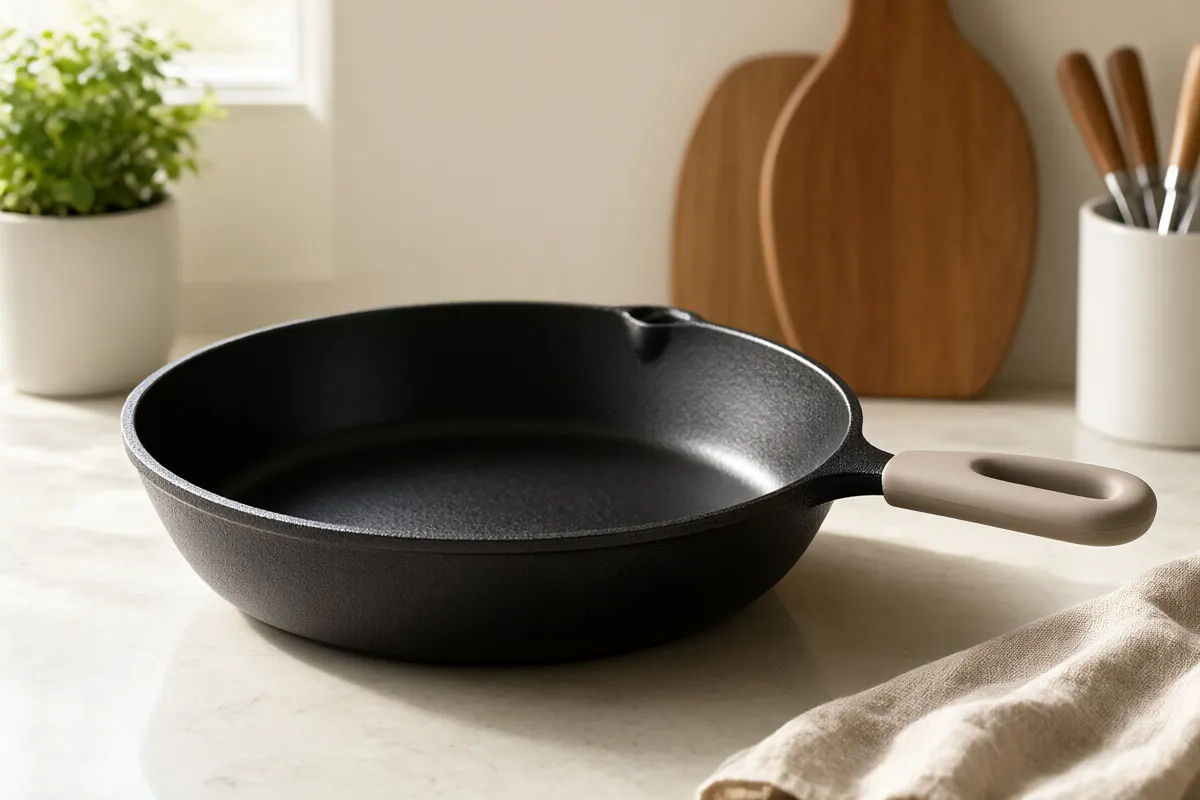
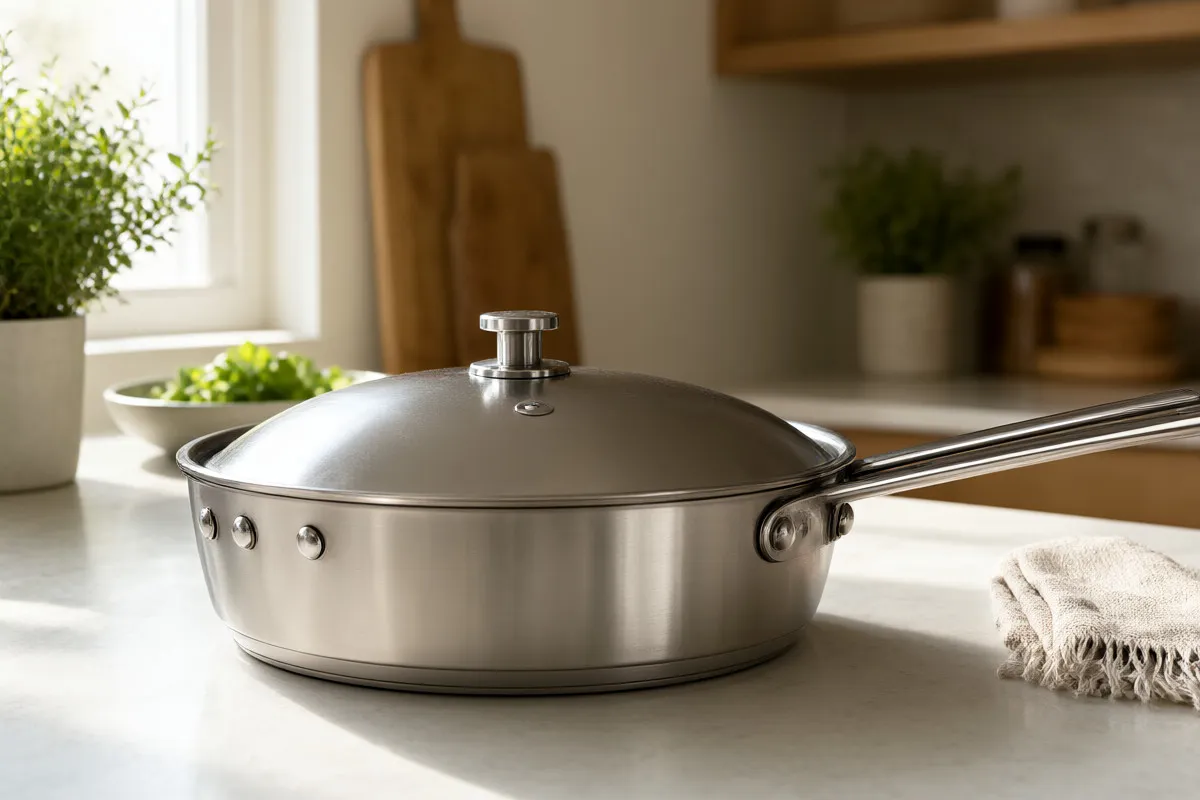
01Material type can make or break your Dutch oven experience, so it’s worth taking a moment to think about what suits you best. Cast iron is a classic choice, known for its unbeatable heat retention and even cooking. Enameled versions add a sleek, non-reactive coating that’s easy to clean and great for acidic dishes. They’re durable but heavy, so keep that in mind if you’re not a fan of lifting. Ceramic Dutch ovens, on the other hand, are lighter and often come with a naturally non-stick surface, making cleanup a breeze. They’re also free from harmful chemicals, which I love for peace of mind. Heat tolerance matters too—most handle up to 500°F, but check the specifics. Think about your cooking style, and pick what feels right!
02Now that we’ve covered material types, let’s talk about size —because no one wants a Dutch oven that’s too small for their famous chili or so big it barely fits on the stove. When it comes to capacity, think about how many people you’re usually cooking for. A 4.3-quart Dutch oven is perfect for one to three servings, while a 6.5-quart model handles family dinners or bigger dishes like stews and casseroles. I usually cook for four, so a 5.5-quart size works great for me. Larger ovens offer versatility, but they can get heavy, so consider how comfortable you are lifting and moving them. I’ve learned it’s all about finding that sweet spot: enough space for your meals without making your arms ache every time you use it.
03Because heat retention can make or break a dish, it’s one of the most important features to evaluate in a Dutch oven. I’ve learned that cast iron is king when it comes to holding heat, keeping my stews simmering evenly and my breads baking perfectly. Enameled surfaces add durability and improve heat retention, which I’ve found makes cleanup easier without sacrificing performance. A snug-fitting lid is another must—it traps moisture and heat, keeping flavors locked in and ensuring dishes cook evenly. I’ve noticed heavier, thicker Dutch ovens maintain consistent heat better, which is great for slow-cooked meals. When I’m cooking, I rely on my Dutch oven’s ability to hold steady temperatures, and it’s made a world of difference in my dishes. Heat retention isn’t just a feature—it’s essential for cooking success.
04When it comes to choosing a Dutch oven, its cooking versatility is what really makes it shine in the kitchen. I love how one pot can handle roasting, baking, and simmering—perfect for everything from crusty bread to hearty stews. Look for one that works on all stovetops, including induction, and is oven-safe, so you’re never limited. A tight-fitting lid locks in moisture, making dishes tender and flavorful. Enameled cast iron is my go-to for even heat, but ceramic nonstick is great for lighter meals. A 5.5- or 6.5-quart size lets you cook for a crowd or just yourself. Trust me, once you start using it, you’ll wonder how you ever cooked without it. It’s like having a kitchen superhero!
05Besides being versatile in the kitchen, a Dutch oven should also be easy to clean —trust me, no one wants to spend more time scrubbing than cooking! When I’m choosing one, I look for features that make cleanup a breeze. Enameled cast iron Dutch ovens usually need hand washing with warm, soapy water to keep their finish intact, but smooth enamel surfaces let food residues wipe away easily. Nonstick ceramic options are even simpler to clean, often needing just a quick rinse. I’ve found that nonstick surfaces also cut down on the oil or butter I need, which means less mess overall. One tip—avoid the dishwasher, as it can damage finishes and cause rust. After washing, I always dry mine thoroughly to keep it in great shape for years to come.
06If you’re like me and love cooking, you know that having the right tools can make all the difference. When it comes to Dutch ovens, compatibility is key. I always check if it works with my stovetop—whether it’s gas, electric, ceramic, or induction. Enamel-coated cast iron is a winner here, handling all types seamlessly. Heat tolerance matters, too; most Dutch ovens can withstand 500°F to 550°F, perfect for roasting or baking. Size is another factor; I’ve found 4.3 quarts ideal for smaller meals, while 6.5 quarts suits larger gatherings. Finish plays a role as well—ceramic coatings offer non-stick convenience, while cast iron excels in durability and heat retention. Finally, I confirm it’s easy to care for, with straightforward cleaning and maintenance tips to keep it in top shape. Compatibility guarantees versatility and longevity.
07Finding the right Dutch oven that fits both your cooking needs and your budget can feel like a balancing act. Dutch ovens come in a wide price range, with budget-friendly options starting at $30-$50, perfect for beginners or casual cooks. If you’re willing to invest a bit more, mid-range models between $100-$200 often offer better heat retention and stylish designs, making them great for regular use. For serious cooks, high-end Dutch ovens—costing over $200—deliver exceptional performance, durability, and craftsmanship. While they’re pricier, they often come with better warranties and customer support, which can save you money in the long run. I’ve found that choosing the right price point depends on how often you’ll use it and the features you value most. Don’t be afraid to splurge if it aligns with your cooking goals!