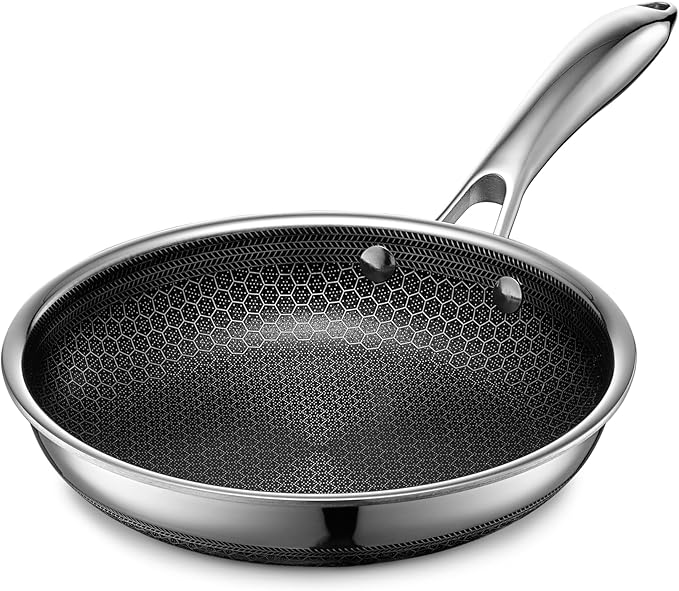
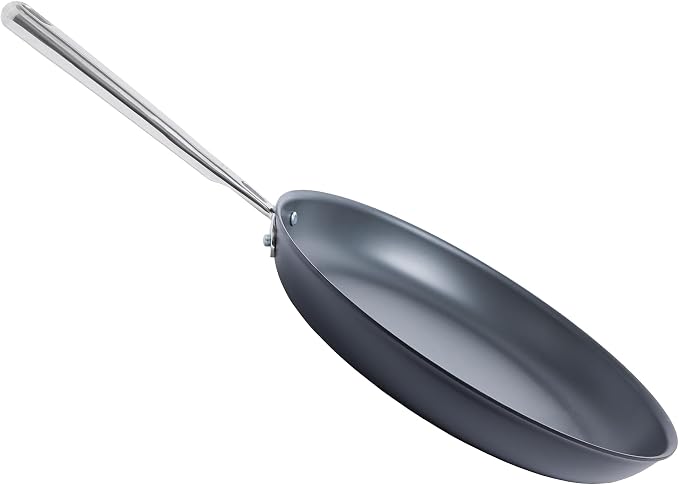
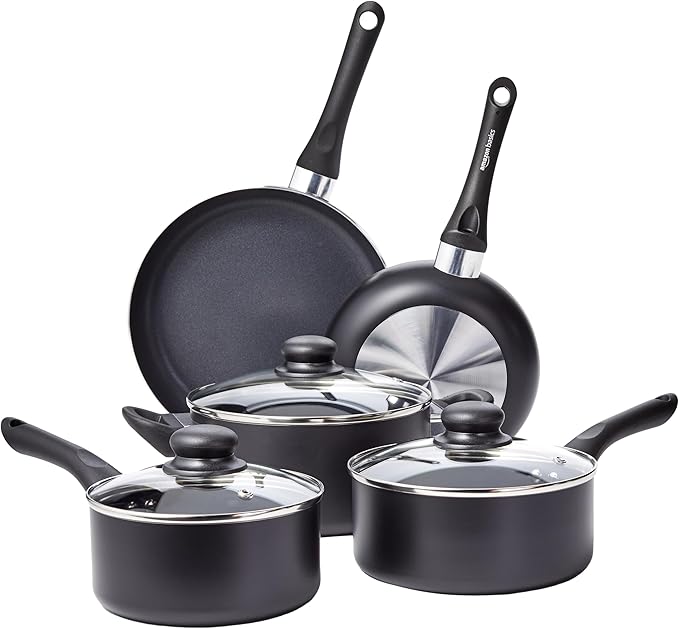
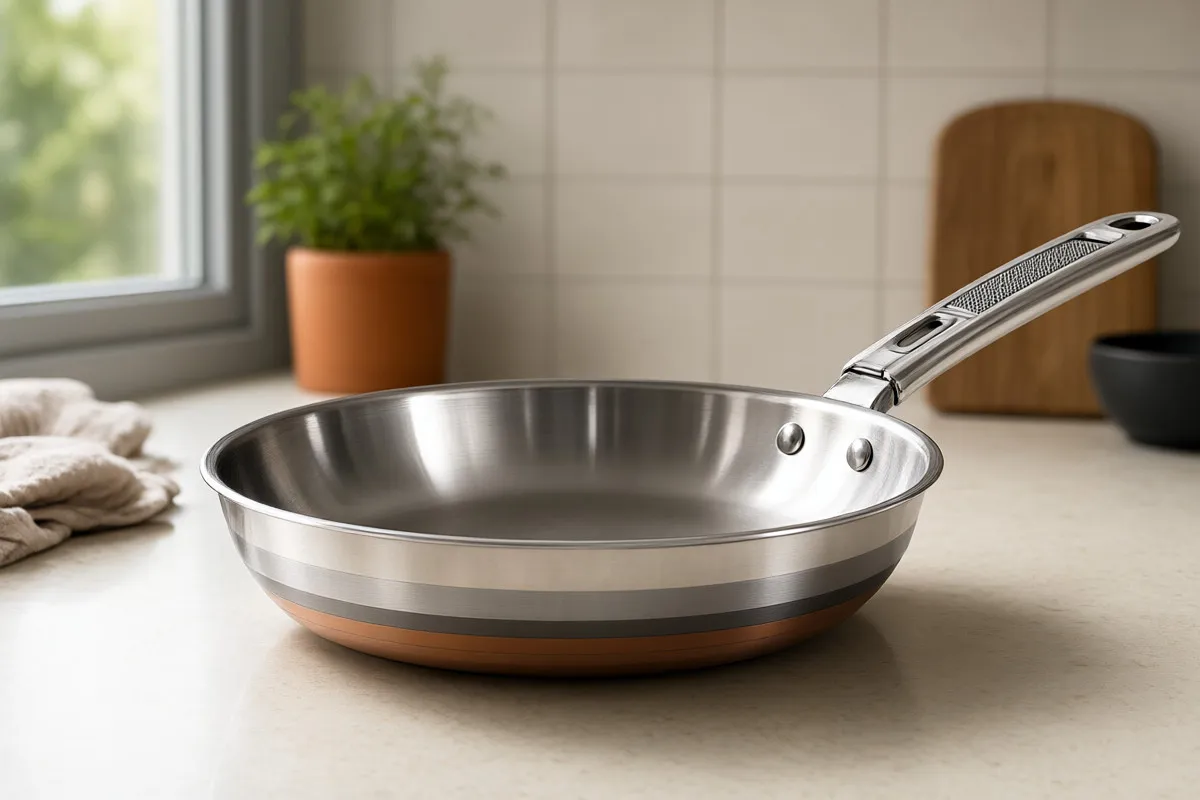
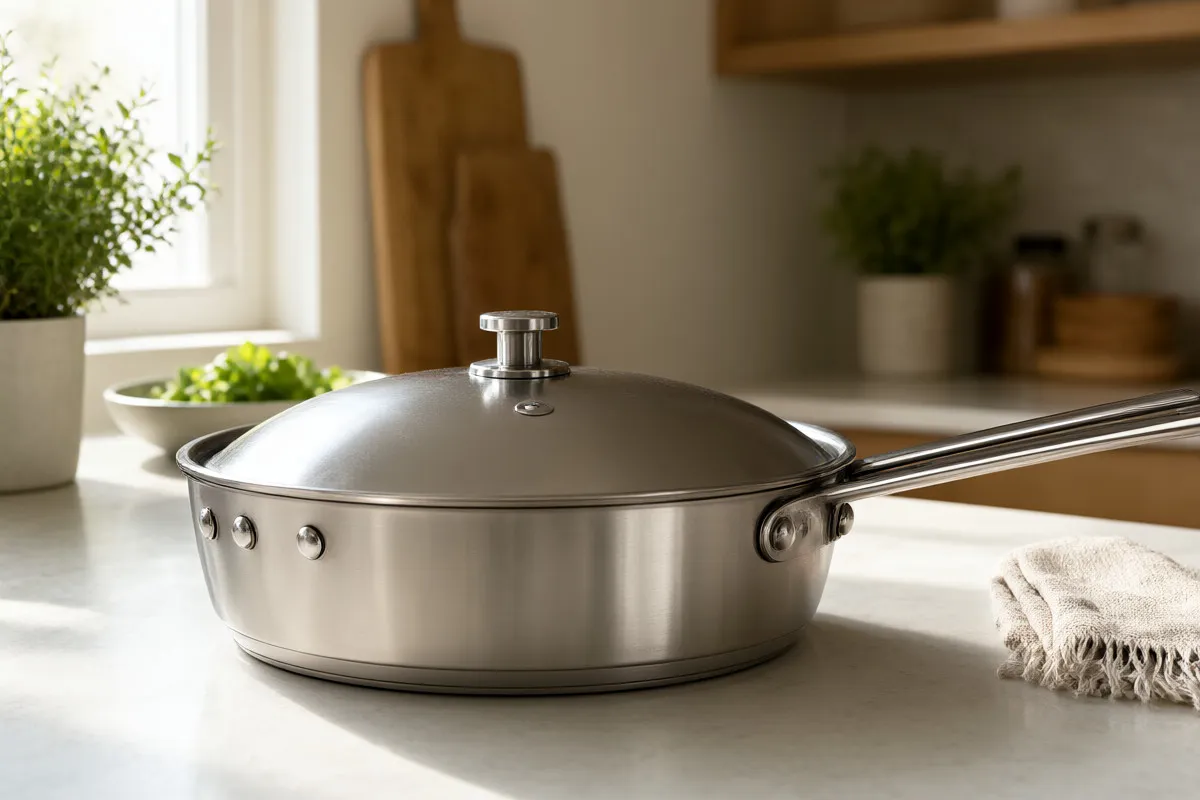
01If you’re like me, you’ve probably wondered what makes one non-stick pan perform better than another, and it all starts with the material. Aluminum pans are my go-to for everyday cooking because they’re lightweight and heat up evenly, making them super practical. Stainless steel hybrids, on the other hand, are tough—they resist scratches and handle high heat like a champ, perfect for when I’m feeling adventurous in the kitchen. I’ve also tried carbon steel pans, which develop their own nonstick surface over time, and they’ve become a favorite for their durability. Ceramic coatings are eco-friendly and non-toxic, though I’ve learned to handle them gently. Finally, tri-ply pans with an aluminum core heat up fast and evenly, making them a versatile choice for any meal.
02Since I’m all about getting dinner on the table without burning half of it, heat conductivity is one of the first things I check when picking a non-stick pan. Heat conductivity refers to how evenly the pan distributes heat, and trust me, it makes a huge difference. Pans made with materials like aluminum or copper heat up quickly and evenly, so you won’t end up with hot spots that burn your eggs or leave your pancakes undercooked. I also look for thicker bases or layered designs, like tri-ply, because they combine materials to balance responsiveness and heat retention. A pan with great heat conductivity means less fussing with the stove temp and more perfectly cooked meals. It’s a game-changer for delicate tasks like frying or searing, where precision really matters.
03Whether you’re whipping up a quick breakfast or tackling a multi-step dinner, cooking versatility can make or break your non-stick pan experience. I look for pans that handle everything from delicate eggs to high-heat searing without a hitch, ensuring nothing sticks or gets ruined. Oven-safe pans, especially those that can handle up to 500°F, are a game-changer when I need to finish a dish under the broiler or bake directly in the pan. Plus, compatibility with gas, electric, and induction stovetops means I’m never limited by my kitchen setup. Even heat distribution is key—no burnt spots or undercooked areas, whether I’m sautéing veggies or frying chicken. And lightweight pans with comfy handles make flipping pancakes or tossing stir-fries feel effortless. Versatility keeps my cooking smooth and stress-free!
04After a satisfying meal, I don’t want to spend forever scrubbing my pan, and that’s where the ease of cleaning in a non-stick pan really shines. The nonstick coating keeps food from sticking, so I can wipe it clean with minimal effort—no scraping or soaking required. I’ve learned that handwashing with mild soap and a soft sponge works best to keep the surface in great shape. Harsh scrubbers, like steel wool, can scratch the coating, so I steer clear of those. I also make it a habit to let the pan cool down before cleaning to avoid warping. A little warm water and gentle detergent are all I need to remove grease or residue, making cleanup a breeze and leaving me more time to relax after cooking.
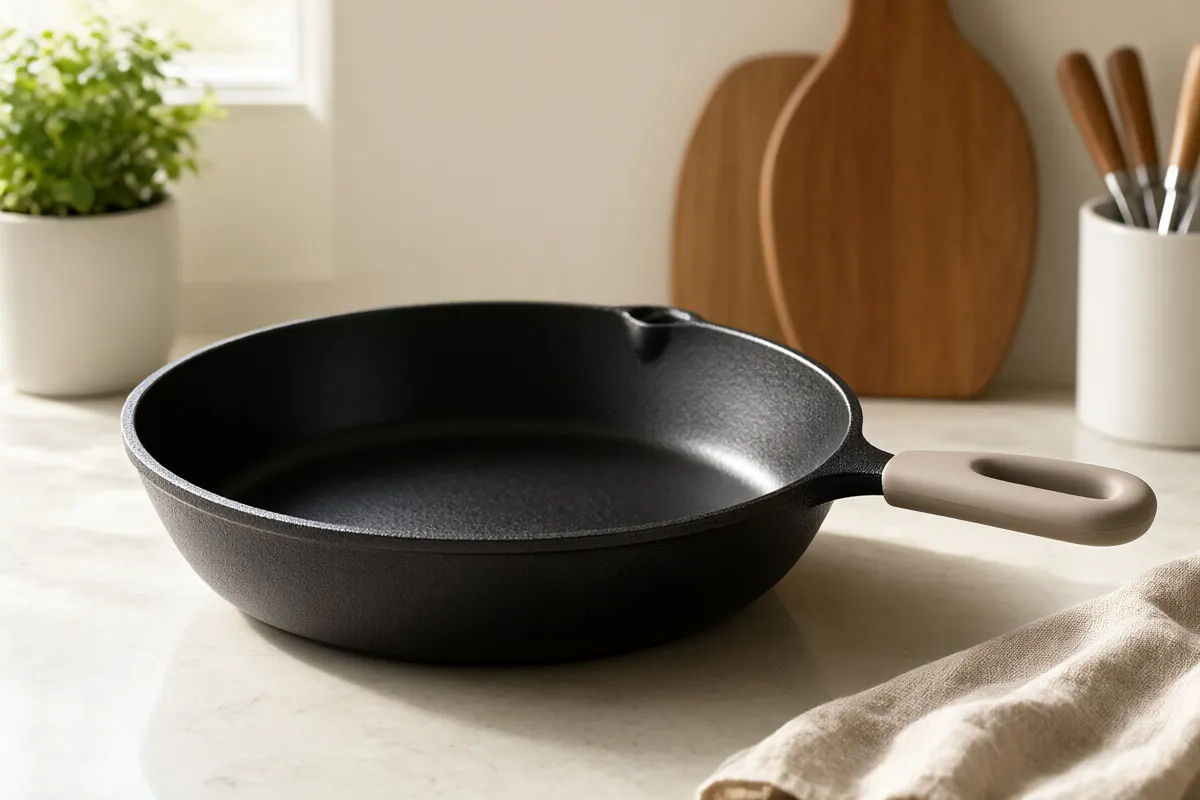
05When I’m in the kitchen, I want to focus on cooking without my hand cramping or my grip slipping, which is why handle comfort is a big deal for me. I’ve learned that soft-touch handles that stay cool keep my hand safe and relaxed, even during long cooking sessions. A textured or non-slip grip is a must for me because it gives me better control and prevents accidents when flipping pancakes or tossing veggies. I also look for lightweight handles that balance the pan’s weight, making it easy to tilt or lift without straining my wrist. Finally, the right length and angle of the handle make a world of difference, offering a natural grip and better leverage. It’s these small details that make cooking feel smooth and enjoyable.
06Many of my favorite recipes involve starting on the stovetop and finishing in the oven, so oven safety is a key feature I always look for in a non-stick pan. I make sure the pan’s maximum oven-safe temperature matches my cooking needs, typically between 400°F and 900°F. It’s also important to check if the handles are oven-safe, as I’ve learned the hard way that not all can handle the heat! I always verify compatibility with my oven type, like conventional, convection, or broiler settings, to avoid any surprises. Since some nonstick coatings can degrade at high temperatures, I stick to the recommended limits to keep my pan performing its best. Finally, I confirm the pan’s material, as oven safety varies between options like carbon steel, stainless steel, and coated aluminum.
07Since I want my non-stick pan to last for years, I always pay close attention to durability quality when choosing one. A durable pan resists wear, scratches, and warping, even with daily use. I look for high-density coatings or reinforced layers, as they protect the non-stick surface from chipping or peeling. Thicker materials and multi-ply construction also help prevent deformation, so the pan stays flat and steady on the stove. Even heat distribution is key too—it guarantees the pan handles high temperatures without damage. I’ve learned that proper care, like avoiding metal utensils and harsh scrubbers, makes a huge difference in extending its life. By focusing on these features, I know I’m investing in a pan that’ll handle my busy kitchen for years to come.
08Finding the right price point for a non-stick pan can feel like a tricky balancing act, but it’s worth taking the time to get it just right. Non-stick pans range from under $50 for budget options to over $100 for high-end models. I’ve found that mid-range pans, typically priced between $50 and $100, often strike the best balance between quality and affordability. These pans usually last longer and perform better than cheaper ones, saving money in the long run. Keep in mind, accessories like lids or special cleaning tools can add to the cost, so factor those in. While it’s tempting to go for the cheapest option, investing a bit more upfront can mean fewer replacements and a better cooking experience. It’s all about finding what works for your budget and needs.