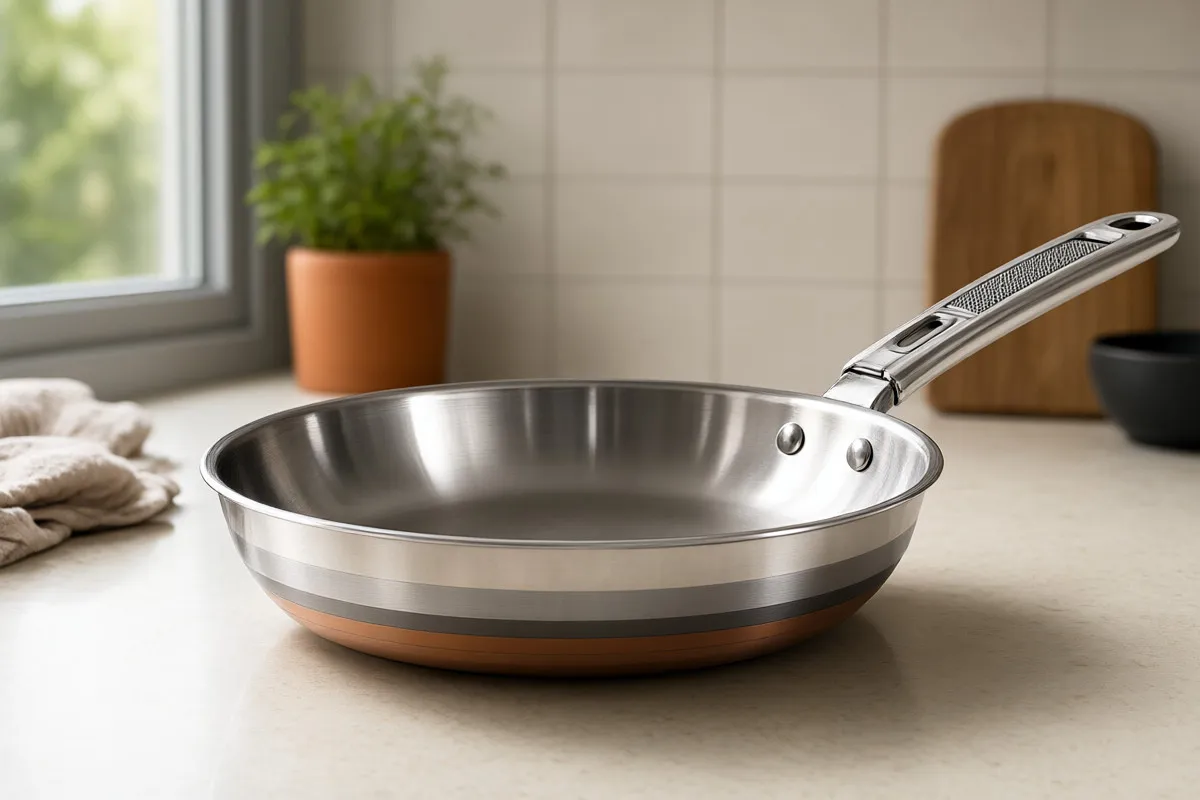
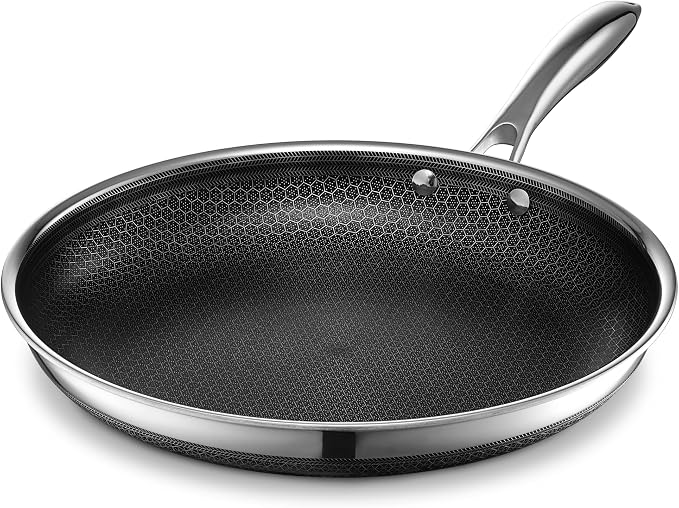
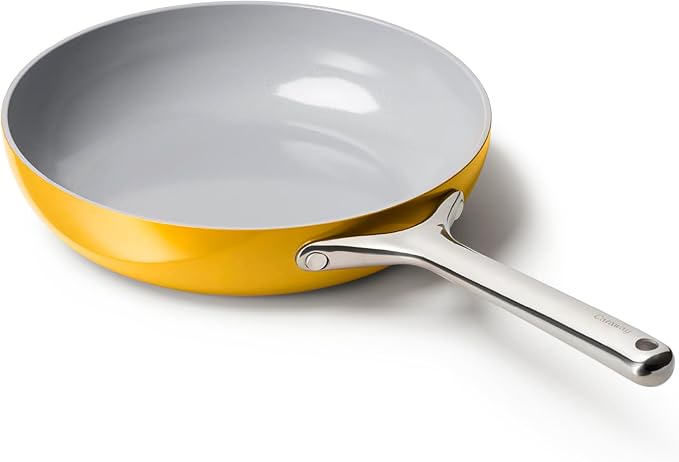
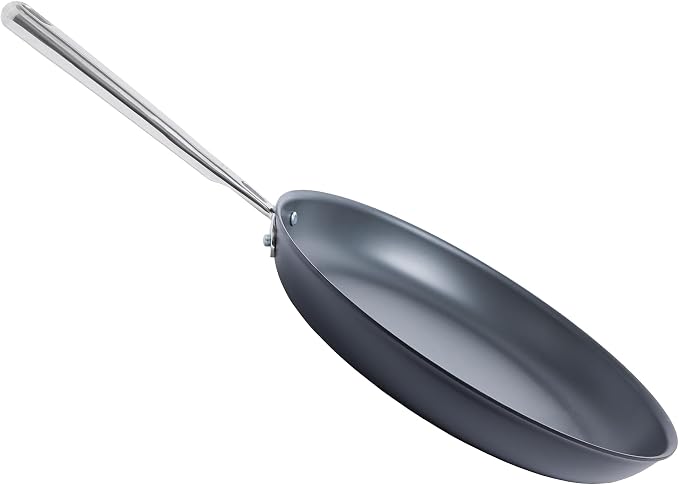
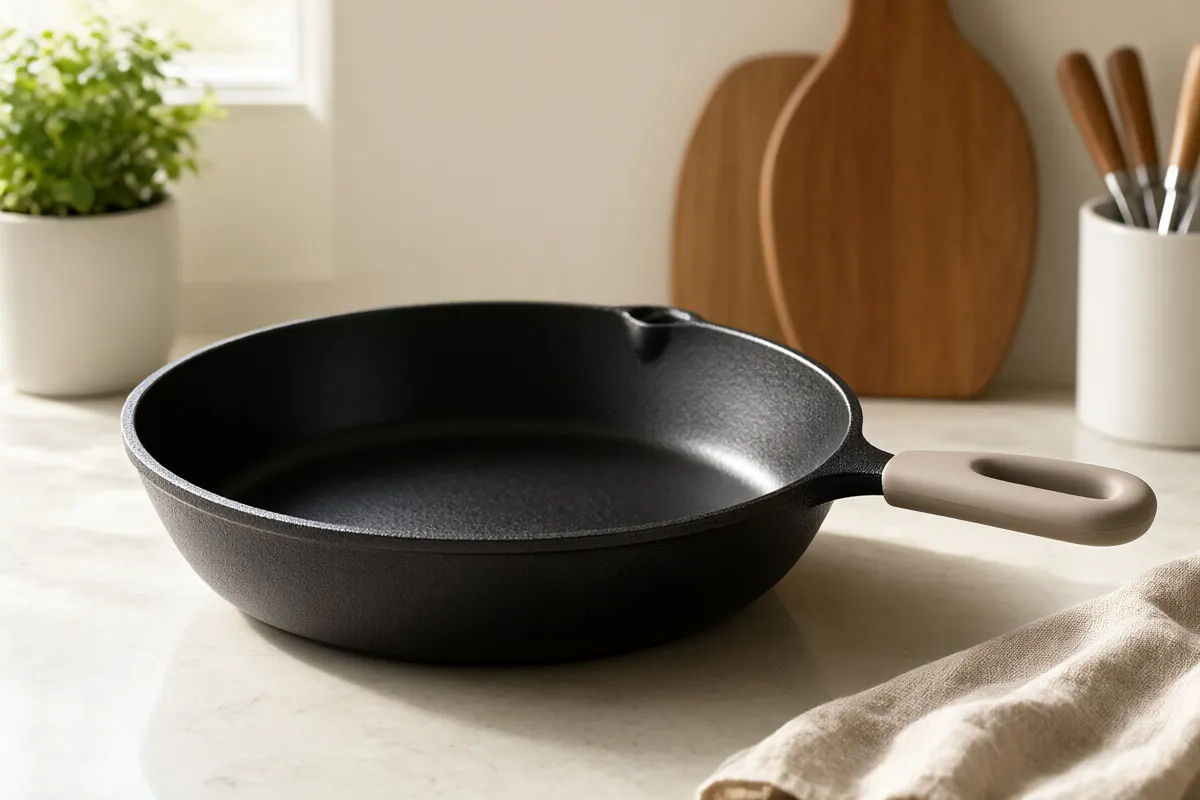
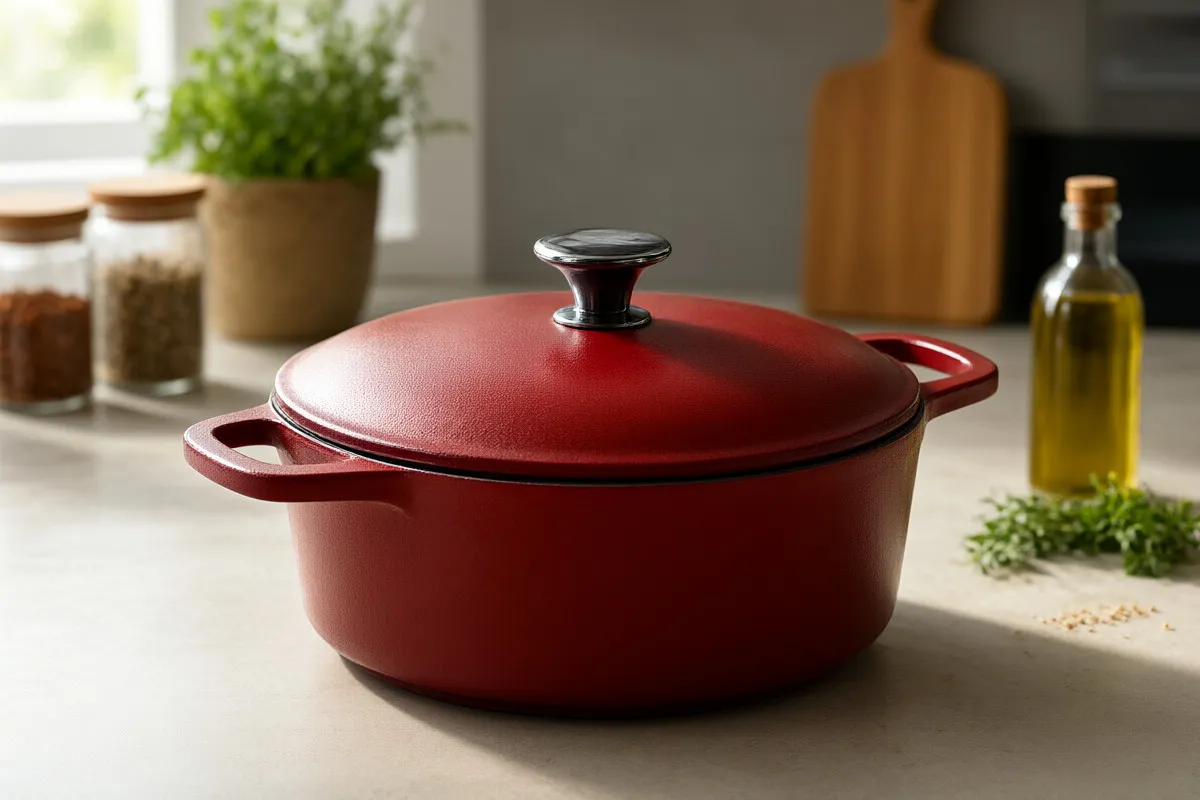
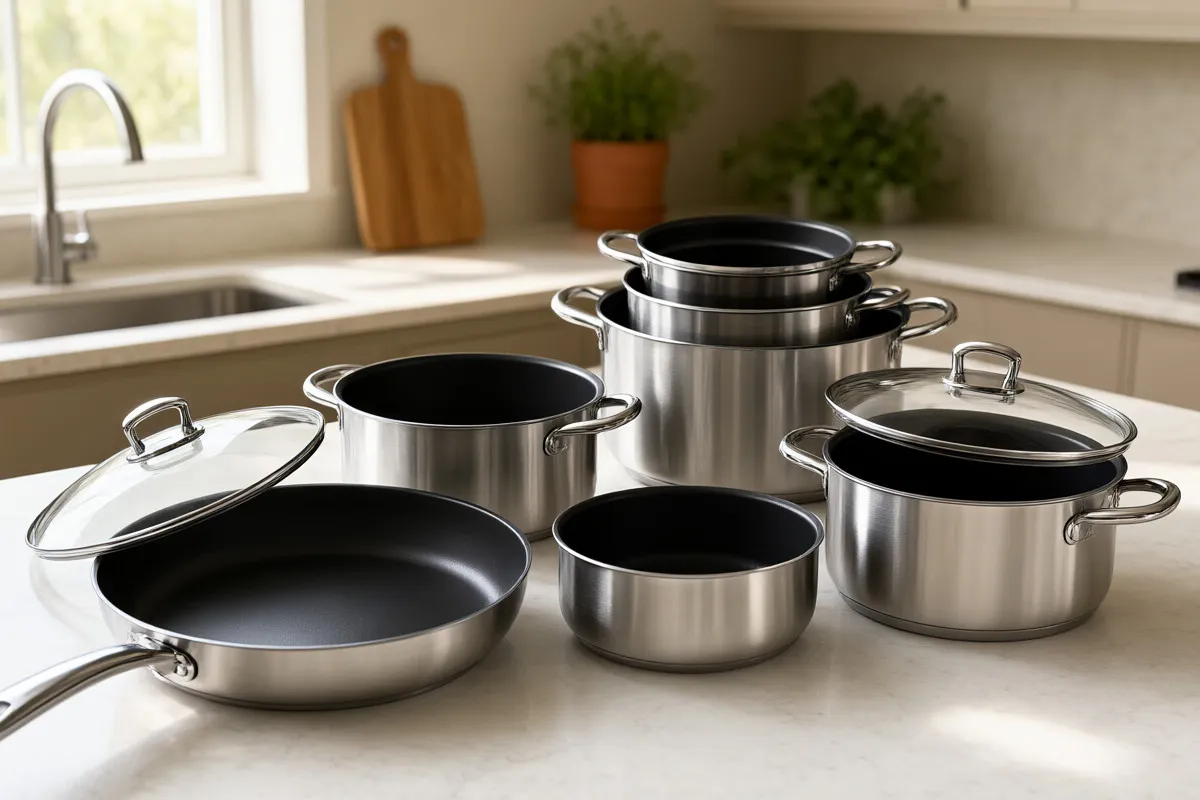
01Because I’m always on the hunt for the perfect tool to make cooking a breeze, I’ve learned that the material and construction of a frying pan can make or break your experience in the kitchen. The type of material you choose, whether it’s stainless steel, nonstick, carbon steel, or cast iron, directly affects how your pan performs. I love tri-ply pans because they’re built with layers—usually stainless steel and aluminum—that make them sturdy and great for even cooking. Nonstick pans are super easy to clean, but I’m careful to avoid coatings with harmful chemicals. Weight is another factor; lighter pans are easier to handle, but heavier ones, like cast iron, hold heat better. Finally, I always check if the pan works with my cooktop, since not all materials are induction-friendly.
02One key feature I always look for in a frying pan is how well it spreads heat across its surface. I’ve found that pans with tri-ply construction, like those mixing aluminum and stainless steel, do an excellent job of cooking food evenly. Aluminum’s high thermal conductivity means the pan heats up fast and responds quickly when I adjust the temperature, which is great for delicate dishes. Thicker pans are a favorite of mine because they retain heat better, reducing hot spots that can ruin a meal. If you’re using an induction stovetop, pans with magnetic metals heat up faster and give you more control. Smooth surfaces are also key—I avoid anything porous or uneven since they can trap heat and lead to uneven cooking.
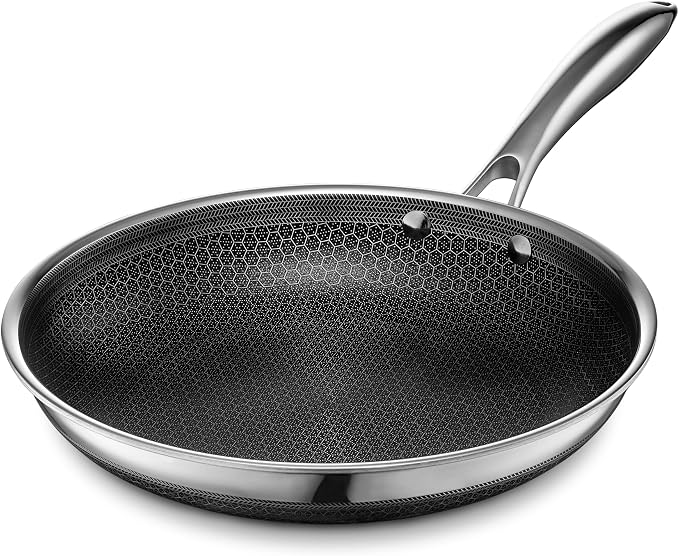
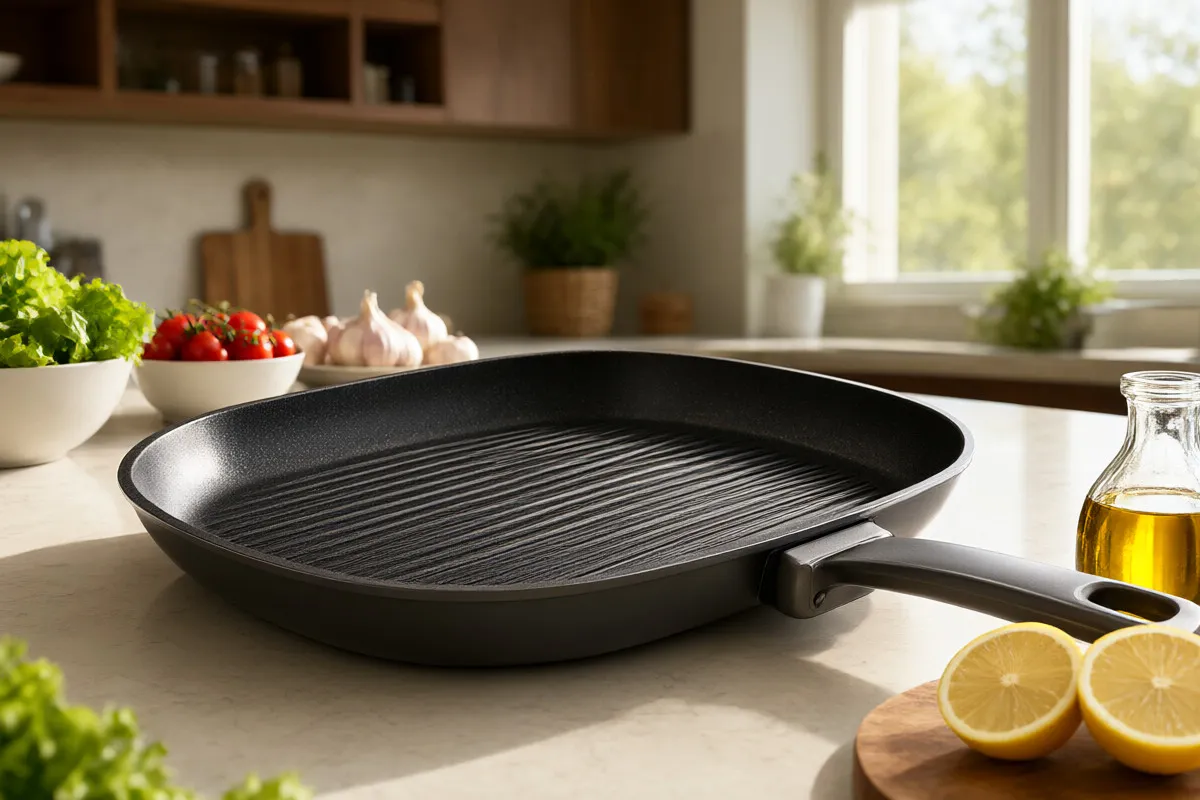
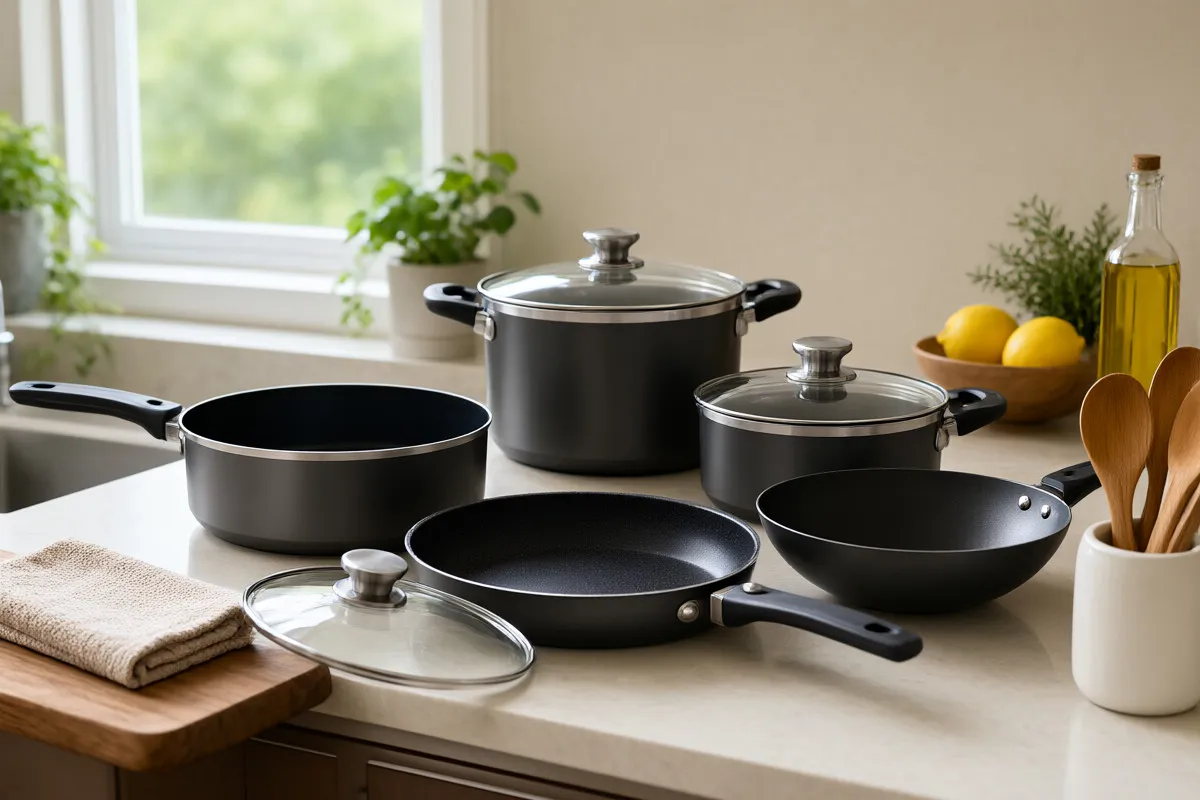
03Although I’m a fan of versatile cookware, I’ve got to admit—nothing beats the convenience of a good nonstick frying pan. Nonstick surfaces, often made from PTFE, ceramic, or enamel, make cooking a breeze by reducing the need for oil and letting food slide right off the pan. That said, not all nonstick coatings are created equal. Higher-quality options tend to resist scratches and wear better, giving you a smoother cooking experience for longer. I also appreciate pans that can handle higher heat or are oven-safe —they’re game-changers for dishes like frittatas or baked chicken. Just remember, using silicone or wooden utensils and avoiding high heat keeps the nonstick properties intact. For peace of mind, I always check if the pan is free from chemicals like PFOA and PTFE—it’s a small detail that makes a big difference for health-conscious cooks like me.
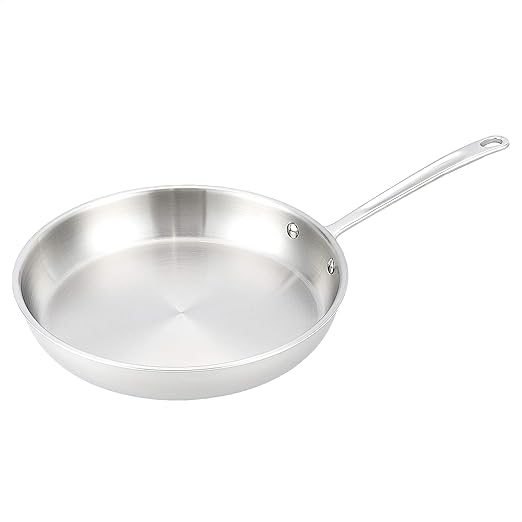
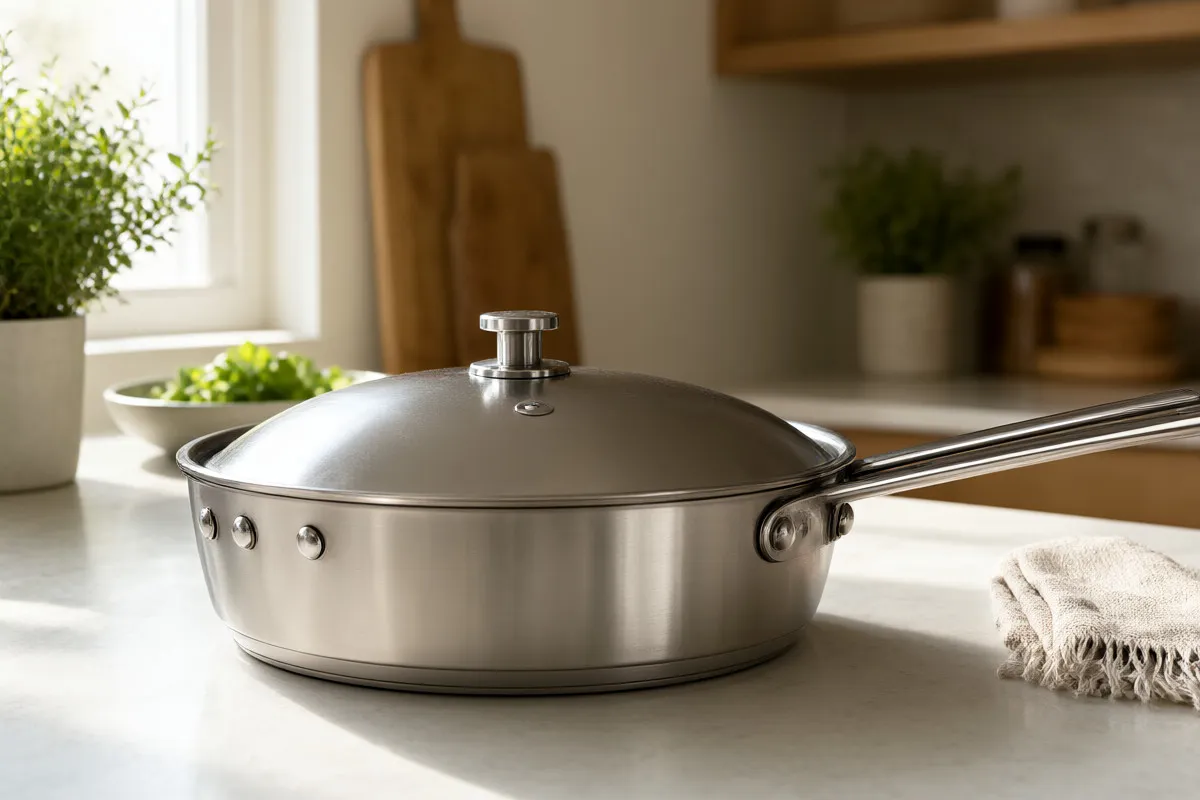
04While nonstick pans make cooking easier, they’re not always the toughest option out there. I’ve found that materials like stainless steel and carbon steel hold up better over time, especially when I crank up the heat. Tri-ply pans, with their layers of stainless steel and aluminum, are my go-to because they resist warping and distribute heat evenly. Pre-seasoned carbon steel pans get better with use, developing a natural nonstick coating that lasts for years if I care for them right. I always check for warranties too—knowing the company stands behind their product gives me peace of mind. And remember, using the right heat and cleaning methods, like avoiding harsh scrubbers, keeps my pans in great shape longer. A durable pan is worth the investment!
05When I’m choosing a frying pan, how the handle feels in my hand makes a big difference—trust me, I’ve learned this the hard way! A comfortable grip is key, especially when lifting or tilting a heavy pan. I always look for handles made of heat-resistant materials like cast stainless steel; they keep my hands safe even when the pan gets super hot. Riveted handles are my go-to because they’re sturdy and won’t wiggle loose over time. Balance is also important—if the handle is too heavy or too light, it can make cooking feel awkward. I’ve burned my fingers on poorly insulated handles, so I make sure they’re designed to stay cool. A well-designed handle makes cooking safer and more enjoyable, and I never compromise on it!
06After making sure the handle feels just right in my hand, I turn my attention to how well the frying pan works with my cooktop. Compatibility matters —my gas stove heats differently than induction or electric, so I need a pan that adapts. Tri-ply pans with aluminum cores are my go-to because they distribute heat evenly on all surfaces, even induction. I also check if the base is flat and sturdy; warped pans mess with heat distribution. Nonstick pans with metal-safe coatings are versatile, but I always confirm their oven safety, especially for high temps. Personally, I’ve learned the hard way that not all pans work on induction, so I double-check before buying. A pan that fits my cooktop makes cooking smoother, tastier, and way less frustrating.
07Ever wonder why some pans feel like a breeze to clean while others turn into a scrubbing nightmare? The secret often lies in the material. Nonstick pans, like ceramic or coated ones, are my go-to because food slides right off, and a quick wipe does the job. Stainless steel, on the other hand, can be tricky—I’ve spent way too long scrubbing burnt bits, even with cleaners like Bar Keepers Friend. Carbon steel pans are a middle ground; they get better with use, needing less effort over time. I also love that many pans are dishwasher-safe —total lifesavers after a big meal! Just remember, using the right heat helps prevent stuck-on messes. Trust me, a little care upfront saves so much elbow grease later!
08Cleaning your pan is one thing, but knowing how it handles the oven can make or break your cooking game. When I’m searching for a frying pan, I always check its oven-safe temperature limit —it tells me how hot it can get without warping or getting damaged. For example, ceramic-coated pans usually max out around 550°F, while stainless steel can often handle up to 900°F. Carbon steel and some alloys are even tougher, which makes them great for high-heat tasks. I also make sure the handles and lids are oven-safe since they might have different heat tolerances than the pan itself. Knowing these details lets me finish dishes in the oven or broil without worrying about ruining my pan. It’s a small step that makes a big difference!