The Best Homemade Bread Pudding Recipe
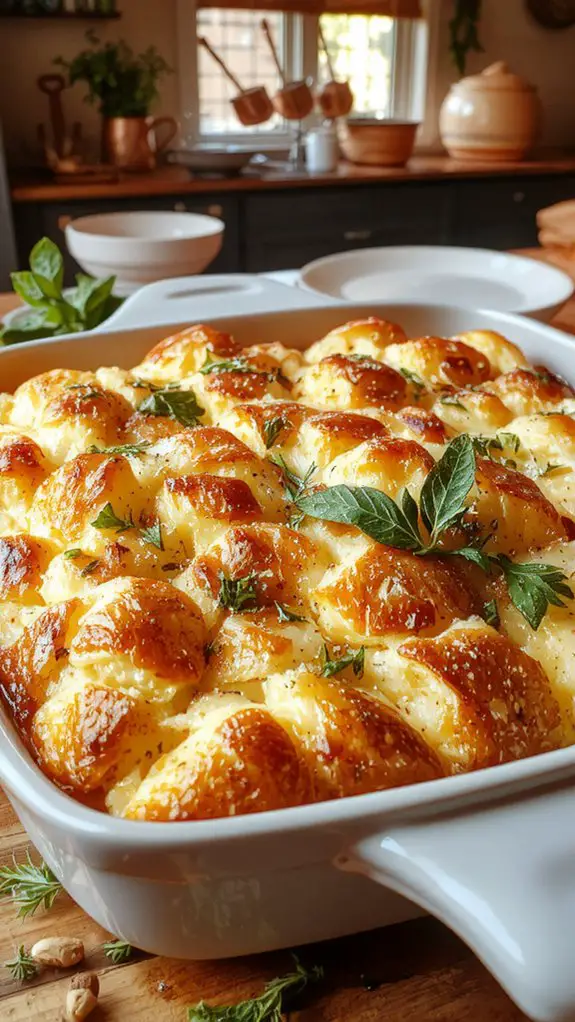
Juicy, caramelized bread pudding with a hint of cinnamon awaits—perfectly crisp on the outside, custardy within. Discover the secret to making it unforgettable.
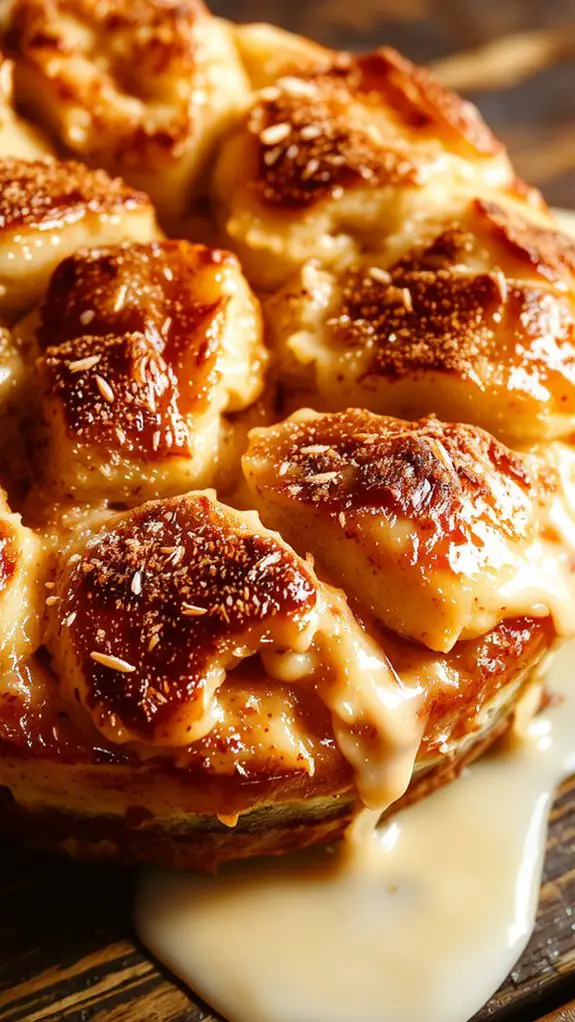
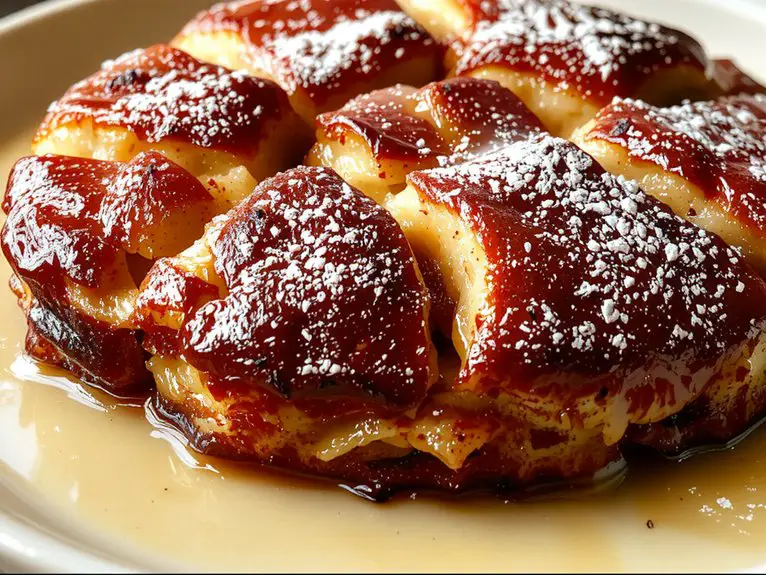
I’ve always found bread pudding to be the ultimate comfort dessert, a dish that turns humble ingredients into something truly special. This recipe starts with stale bread soaked in a rich custard, seasoned with warm spices, and baked to golden perfection. It’s simple, yet endlessly customizable, and I’ve discovered a few tips to elevate it even further. If you’re ready to transform your kitchen into a haven of warmth and aroma, this is where it begins.
Recipe
I can confidently say this bread pudding recipe is a game-changer—it’s rich, comforting, and ridiculously easy to make. Imagine this: tender chunks of bread soaked in a creamy custard, baked until golden, with a hint of cinnamon and vanilla that fills your kitchen with the coziest aroma.
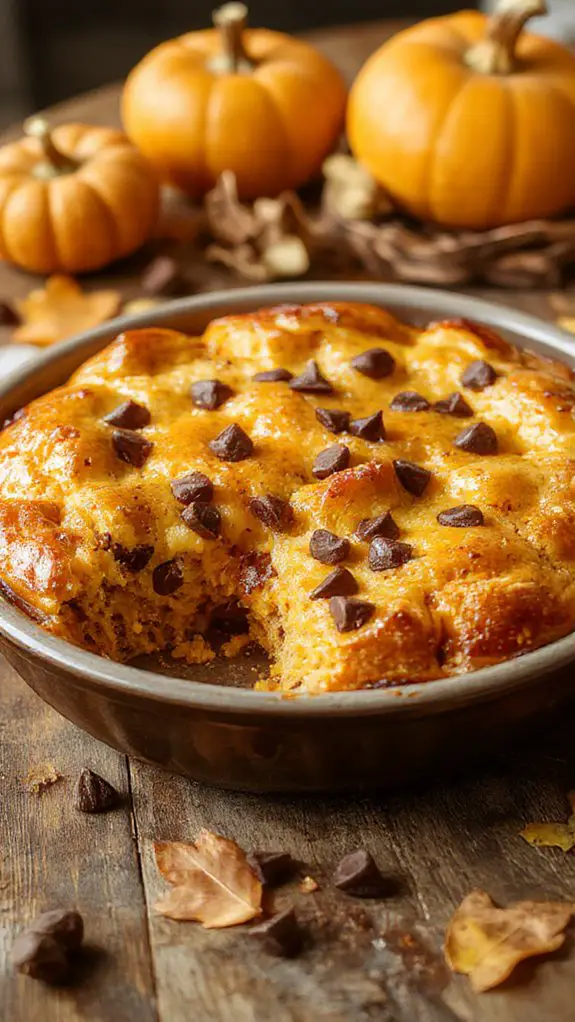
It’s the kind of dessert that feels indulgent yet familiar, like a warm hug on a chilly day. What makes it extra special is its versatility—use stale bread, toss in whatever you have on hand (raisins, chocolate chips, or even a drizzle of caramel), and it still turns out perfect every time.
Trust me, once you try this, it’ll become your go-to treat for any occasion. Let’s get baking!
Ingredients
The secret to an unforgettable bread pudding lies in the quality and balance of your ingredients. Stale bread soaks up the custard like a dream, while whole milk and eggs create that signature creamy texture. Don’t skimp on the vanilla—it’s the backbone of flavor. Here’s what you’ll need:
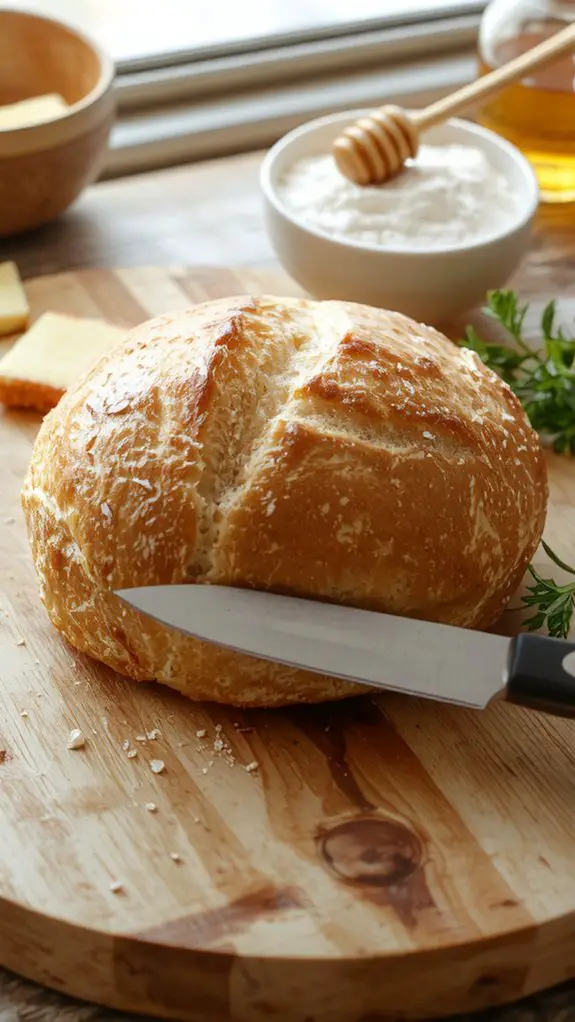
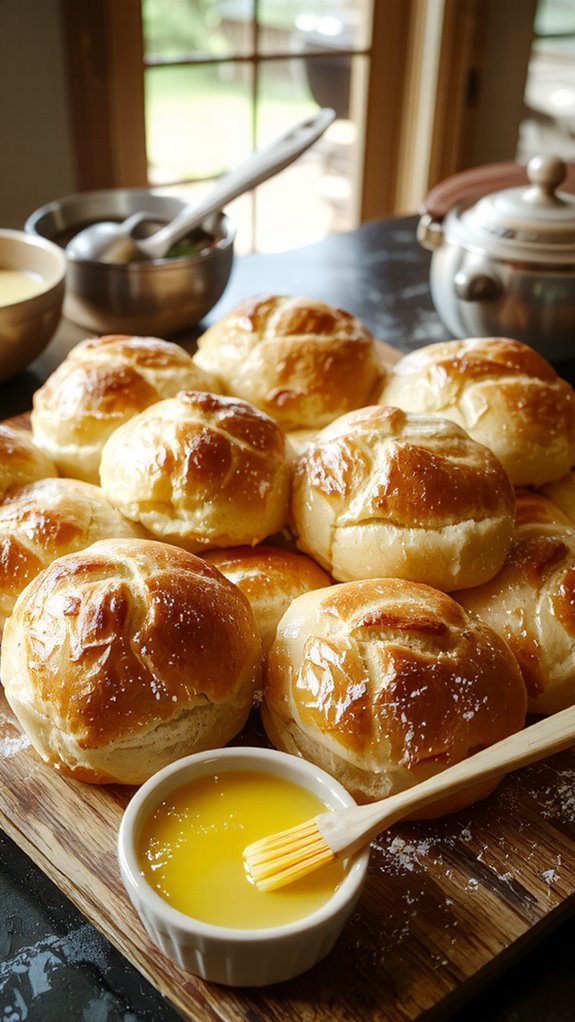
- Bread: 6 cups of day-old, slightly stale bread (challah, brioche, or French bread work best—avoid sandwich bread for a richer texture). *Pro tip: Toast fresh bread at 300°F for 10 minutes if you’re in a pinch.*
- Eggs: 4 large eggs (room temperature blends smoother into the custard).
- Dairy: 2 cups whole milk (or sub half-and-half for extra decadence).
- Sugar: ¾ cup granulated sugar (brown sugar adds a deeper caramel note if you prefer).
- Vanilla: 1 tbsp pure vanilla extract (imitation vanilla won’t give the same depth). *Non-negotiable!*
- Spices: 1 tsp cinnamon + ¼ tsp nutmeg (freshly grated nutmeg is a game-changer).
- Butter: 2 tbsp melted (for greasing the dish and drizzling on top—salted butter adds a nice contrast).
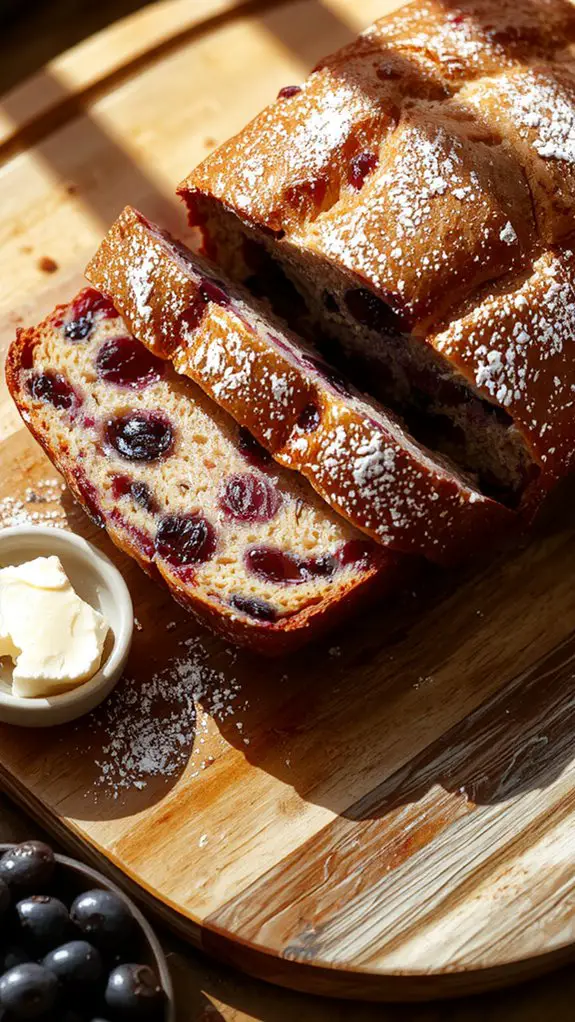
- Raisins or mix-ins: ½ cup (optional, but golden raisins plumped in rum take it to the next level).
- Salt: ¼ tsp kosher salt (balances the sweetness and enhances flavor).
*Little win*: Dust with powdered sugar or serve with warm bourbon sauce for a showstopping finish.
How to Make the Best Classic Vanilla Bread Pudding
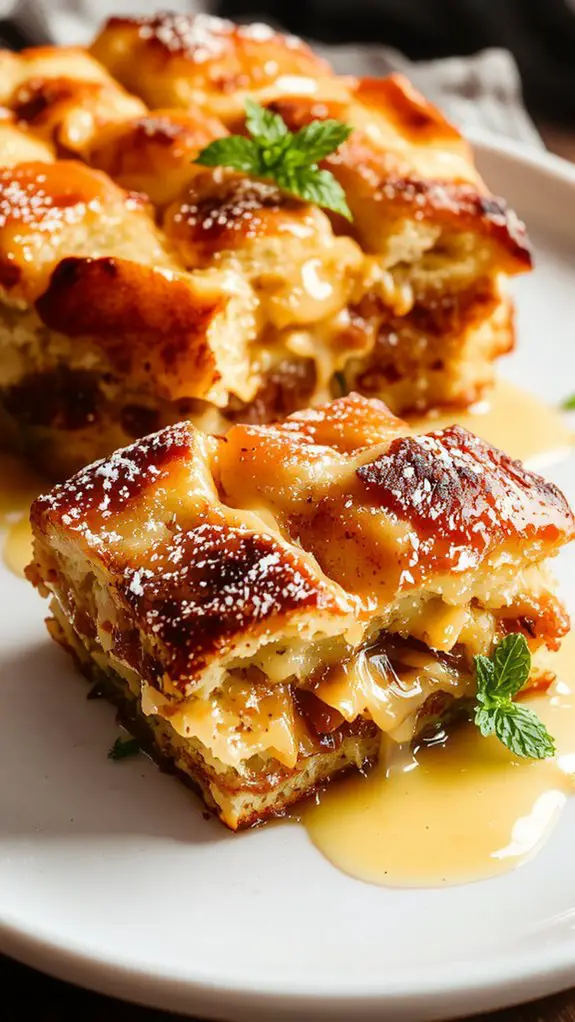
– Pour the custard mixture evenly over the bread cubes. Let it sit for 15-20 minutes, pressing the bread down occasionally to guarantee it soaks up the liquid.
This step is vital for a creamy, uniform texture.
- Sprinkle the top with a light dusting of cinnamon and sugar for a sweet, spiced crust.
- Bake in the preheated oven for 45-55 minutes, or until the top is golden brown and the center is set but still slightly jiggly.
Overbaking can make the pudding dry, so keep an eye on it.
– Let the bread pudding cool for at least 10 minutes before serving.
This allows it to set further and makes it easier to slice.
– Optional: Serve warm with a drizzle of vanilla sauce, whipped cream, or a sprinkle of powdered sugar for added indulgence.
Pro Tip: If you want to make it ahead, assemble the pudding the night before, cover it, and refrigerate. Bake it the next day for a stress-free dessert.
Watch-Out Warning: Avoid using bread that’s too fresh, as it won’t absorb the custard properly, resulting in a soggy bottom layer.
Nutrition
This homemade bread pudding recipe is both delicious and indulgent. Here is the nutritional breakdown per serving.
Calories: 350
Total Fat: 12g
Saturated Fat: 6g
Cholesterol: 110mg
Sodium: 300mg
Total Carbohydrates: 50g
Dietary Fiber: 1g
Sugars: 30g
Protein: 8g
Chef Tips
Even though making bread pudding is straightforward, I’ve picked up a few tricks over the years to make certain it turns out perfectly every time. Use slightly stale bread—it soaks up the custard better without turning soggy.
Let it sit for 15 minutes before baking to confirm even absorption. Bake in a water bath for a creamy texture, and always test doneness with a knife; it should come out clean.
What to Serve With This Recipe




Leave a Review or Ask a Question
Your rating, tips, and questions help other home cooks. Tell us how it turned out or ask anything before you make it.