The Best Homemade Lemon Balm Recipe
Honey-infused lemon balm tea unlocks the herb’s full potential—discover the secret to crafting the most refreshing homemade version.
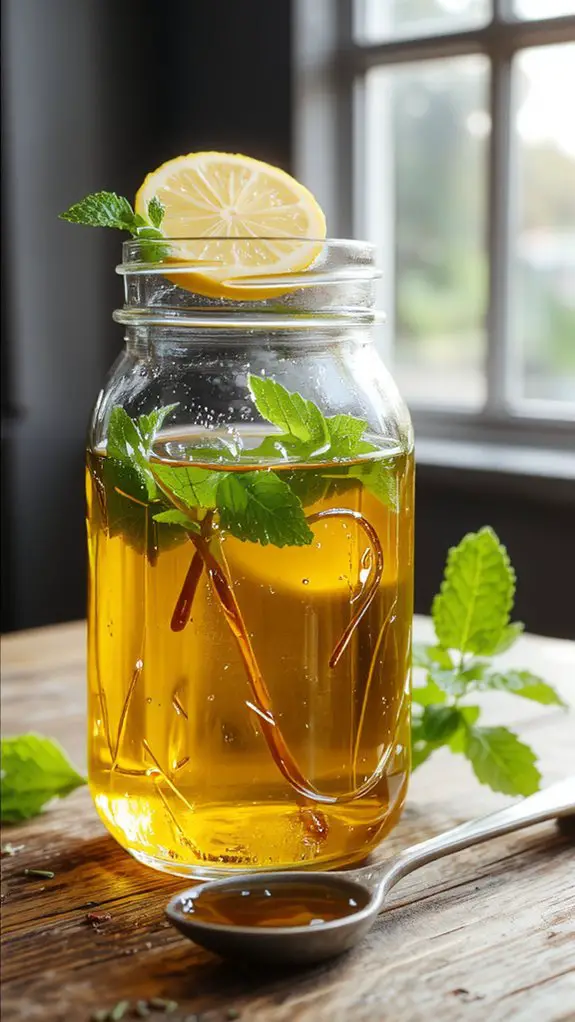

I’ve been experimenting with lemon balm for years, and I’ve found that its fresh, citrusy flavor shines brightest in simple recipes. Whether you’re looking for a soothing tea or a versatile infusion, the key lies in how you handle the leaves and enhance their natural essence. There’s a trick to releasing its full potential, and it’s easier than you might think. The result? A vibrant, aromatic creation that elevates both drinks and dishes effortlessly.
Recipe
I can confidently say this homemade lemon balm recipe is a total game-changer for anyone who loves fresh, herbal flavors.
Made with vibrant lemon balm straight from the garden (or your favorite farmer’s market), this recipe is bursting with citrusy, minty notes that’ll transport you to a sunny herb garden with every sip or bite.
Whether you’re sipping it warm as a soothing tea, blending it into a zesty pesto, or infusing it into a revitalizing syrup, lemon balm’s bright and aromatic essence shines through.
Trust me, once you try this, you’ll be obsessed with its versatility and how effortlessly it elevates your dishes and drinks.
Plus, it’s so simple to make—you’ll wonder why you haven’t been whipping this up all along!
Let’s explore and uncover the magic of lemon balm together.
Ingredients
When it comes to making homemade lemon balm tea, the magic lies in the simplicity of fresh, high-quality ingredients. Let’s break it down—these are the essentials, plus a few swaps and upgrades to make your brew shine.
- Fresh Lemon Balm Leaves: Use ½ cup packed, lightly bruised to release their oils. This is non-negotiable—fresh leaves deliver that bright, citrusy flavor you’re after.
- Water: 2 cups, filtered for the cleanest taste.
- Honey (Optional): 1-2 teaspoons for natural sweetness. Substitute with maple syrup or agave if preferred.
- Lemon Slice (Optional): Adds a tangy kick and makes it extra revitalizing.
- Fresh Mint Leaves (Optional): A few leaves for a cool, layered flavor.
Pro Tip: If you’re growing lemon balm, pick the leaves in the morning when their flavor is most potent.
And skip dried lemon balm—it lacks the vibrant punch of fresh!
How to Make the Best Lemon Balm Tea Instructions
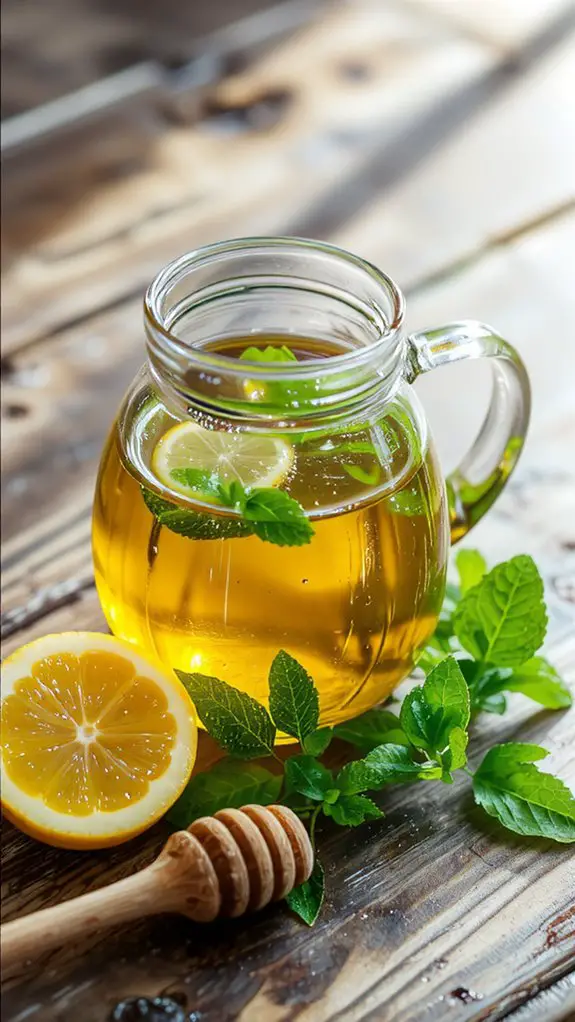
6. Customize (optional) – Add honey for sweetness, a slice of lemon for tang, or a sprig of mint for freshness.
7. Enjoy warm or chilled – Sip immediately for warmth, or refrigerate for iced tea.
Pro Tips:
- Crush leaves slightly before steeping to release more oils.
- Avoid boiling leaves directly—it can make the tea bitter.
- Store fresh lemon balm in a damp paper towel in the fridge to extend shelf life.
Watch-Outs:
- Oversteeping (beyond 10 mins) may intensify bitterness.
- Use ceramic or glass vessels—metal can alter flavor.
- Pregnant individuals should consult a doctor before consuming large quantities.
Nutrition
This lemon balm recipe offers an invigorating and nutritious herbal infusion. It contains essential nutrients beneficial for overall health.
| Nutrient | Amount per Serving |
|---|---|
| Calories | 2 |
| Vitamin C | 1.5 mg |
| Calcium | 2 mg |
| Iron | 0.1 mg |
| Potassium | 10 mg |
| Magnesium | 1 mg |
Chef Tips
Though lemon balm is easy to work with, I’ve found that freshly picked leaves yield the best flavor and aroma. Always harvest before noon when oils are most concentrated.
Chop leaves finely to release their essence, but avoid overcooking to preserve brightness. Pair with mint or honey for complexity.
Store extra leaves in an airtight container or freeze in ice cubes for later use.
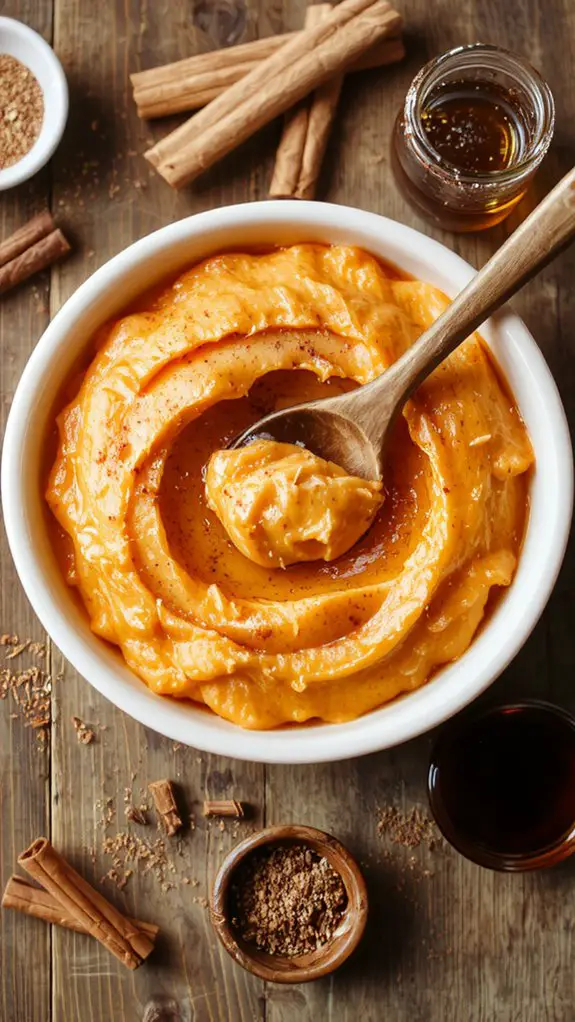
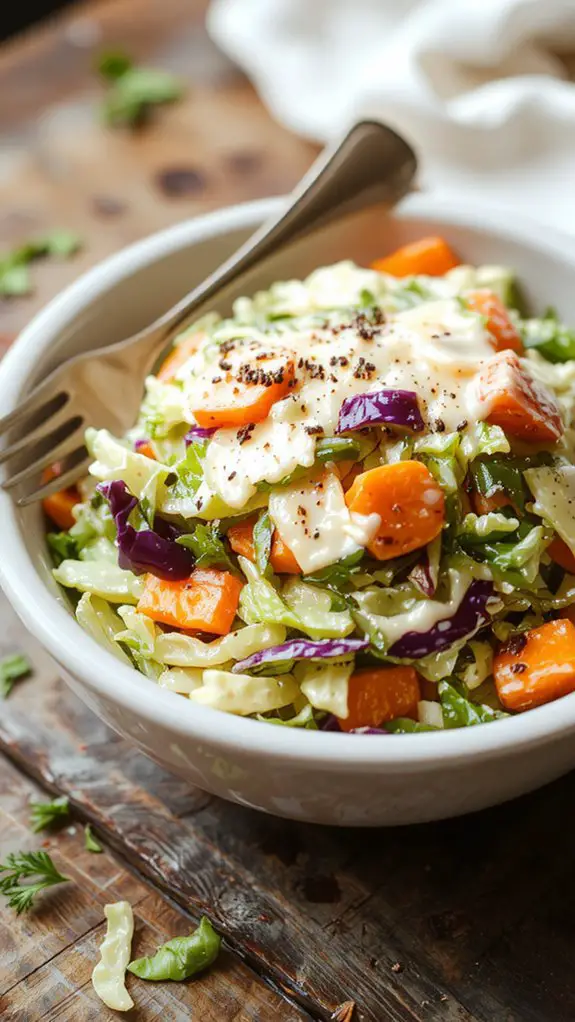
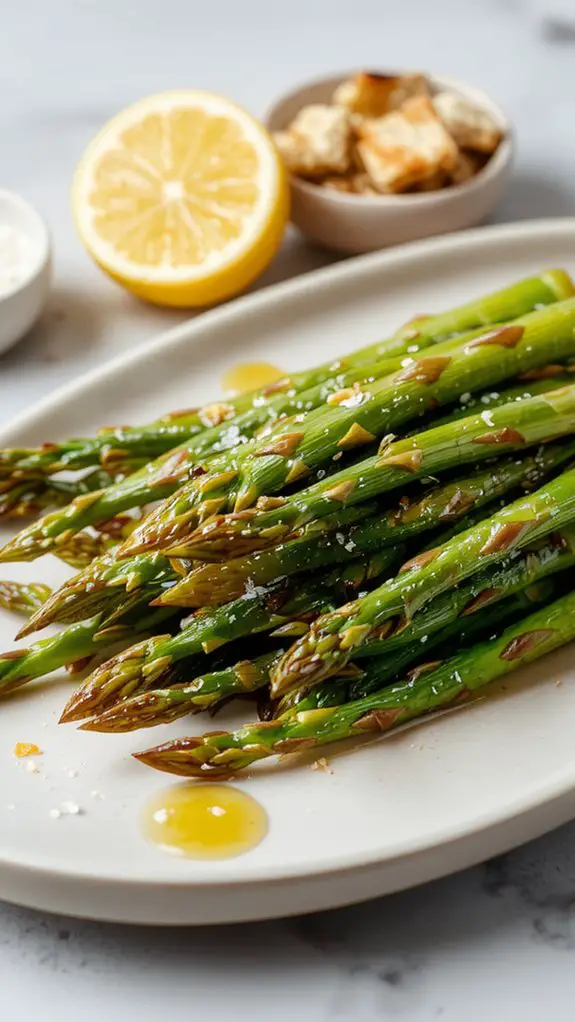
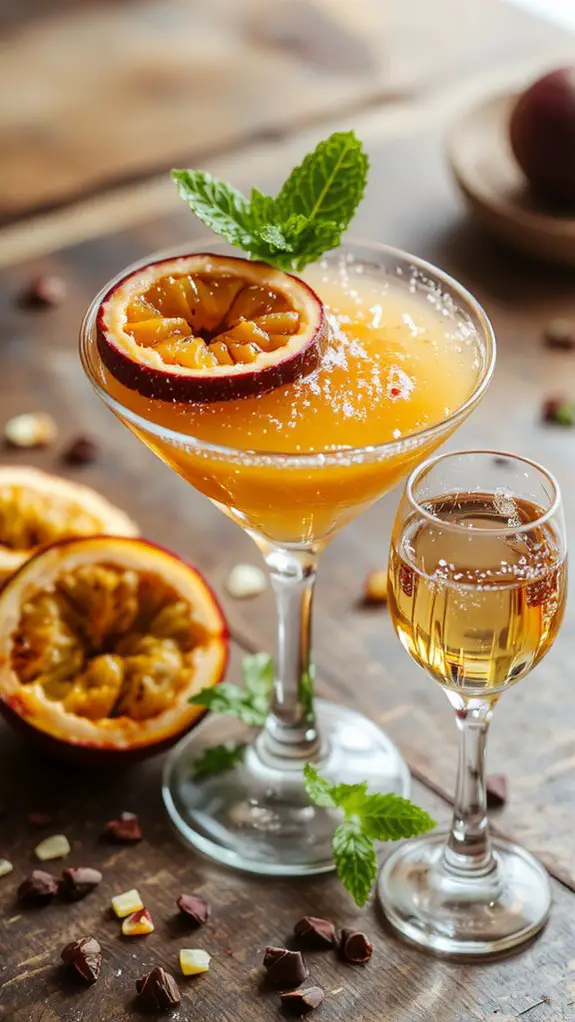
What to Serve With This Recipe
Leave a Review or Ask a Question
Your rating, tips, and questions help other home cooks. Tell us how it turned out or ask anything before you make it.