The Best Homemade Flatbread Recipe
Learn the secret to the best homemade flatbread that will transform your meals—soft, versatile, and irresistibly delicious in minutes.
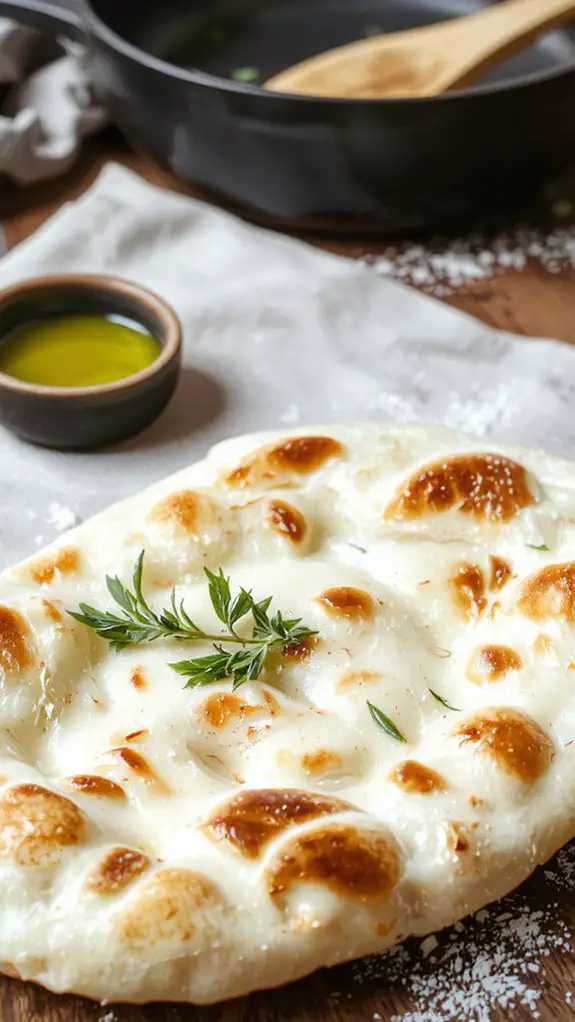
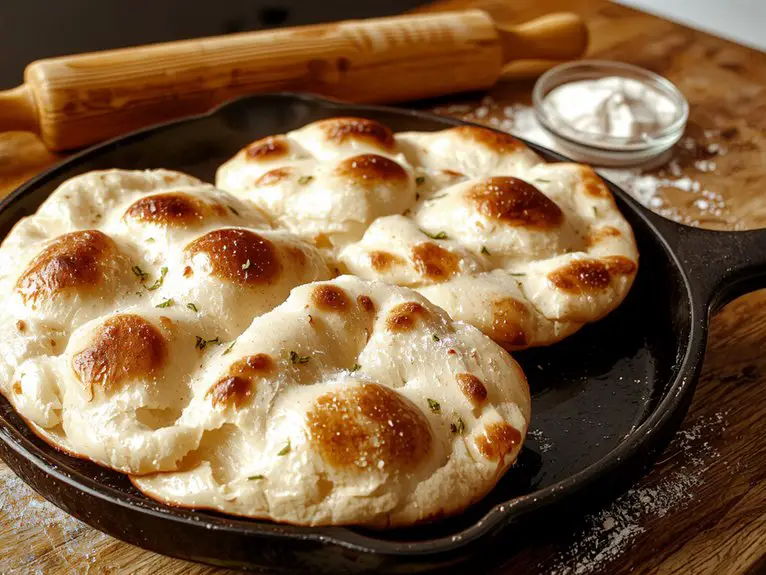
I’ve tried countless flatbread recipes, but this one stands out for its simplicity and versatility. Using basic pantry staples, it yields soft, slightly chewy bread perfect for wraps, dips, or even pizza bases. The process is straightforward, but a few key tips make all the difference. If you’re looking to elevate your homemade bread game, this recipe might just become your go-to. The results are worth the minimal effort—trust me, you’ll want to try it.
Recipe
There’s something magical about homemade flatbread—soft, pillowy, and just begging to be torn apart and dunked into your favorite dip or piled high with toppings. This recipe is my go-to because it’s foolproof, requires just a handful of pantry staples, and delivers that irresistible chewiness you crave.
No fancy equipment needed—just your hands, a little patience, and a hot skillet. The secret? A quick rest for the dough to develop flavor, and a blast of high heat for those perfect golden-brown spots.
One bite of this warm, slightly crisp yet tender flatbread, and you’ll never reach for store-bought again. Trust me, once you try it, you’ll be making it weekly.
Ingredients
Great flatbread starts with simple, high-quality ingredients—each one plays a vital role in achieving that perfect chewy-yet-tender texture. Here’s what you’ll need, plus a few insider swaps to make it work with what’s in your pantry:
- All-purpose flour – The backbone of your dough. For extra tenderness, swap in ½ cup bread flour, but all-purpose works beautifully.
- Warm water (110°F) – Not hot, not cold. Too hot kills the yeast; too cold slows it down. Use a thermometer if you’re unsure.
- Active dry yeast – The magic leavener. No yeast? Try 1 tsp baking powder + 1 tsp sugar for a quick-rise version (but the flavor won’t be as deep).
- Olive oil – Adds richness and keeps the dough supple. Don’t skip it—sub melted butter if you must, but olive oil’s fruity notes shine here.
- Salt – Non-negotiable. It balances flavor and strengthens gluten. Use fine sea salt for even distribution.
- Sugar or honey (1 tsp) – Feeds the yeast and adds a hint of sweetness. Skip if you prefer a purely savory bread.
Little win: Dust your rolling pin with flour to prevent sticking, and brush the cooked flatbreads with garlic butter or za’atar oil for next-level flavor.
How to Make the Best Fresh Homemade Flatbread Details
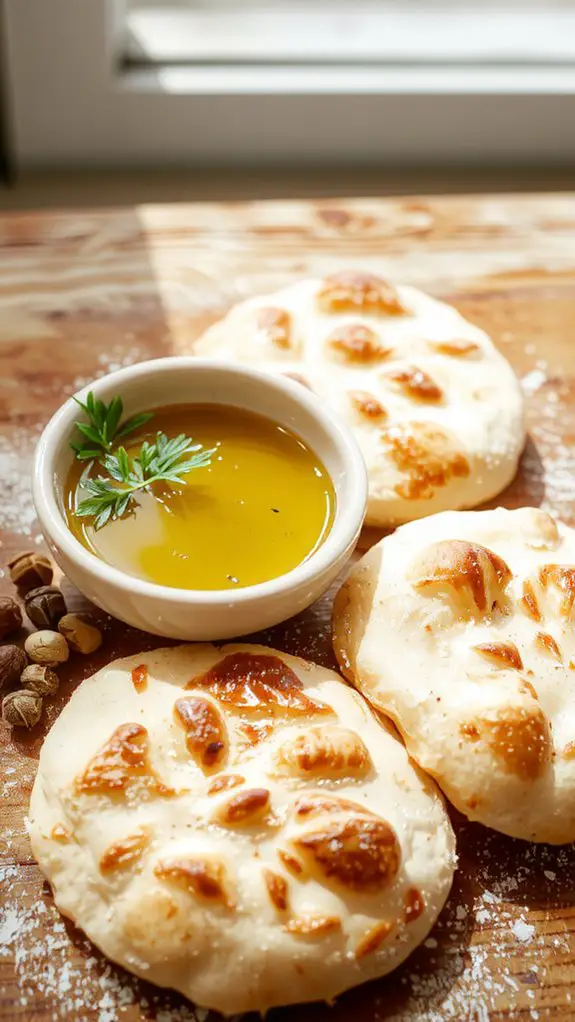
- Prepare your workspace: Gather all your ingredients and tools before starting. This includes flour, yeast, water, salt, and a mixing bowl. Having everything ready guarantees a smooth process.
- Mix the dough: Combine the flour, yeast, and salt in a bowl. Gradually add warm water while stirring until a shaggy dough forms. Warm water activates the yeast, helping the dough rise properly.
- Knead the dough: Turn the dough onto a lightly floured surface and knead for about 8-10 minutes until smooth and elastic. Proper kneading develops gluten, giving the flatbread its structure.
- Let the dough rise: Place the dough in a lightly oiled bowl, cover it with a damp cloth, and let it rest in a warm place for about 1 hour or until doubled in size. This step is vital for a soft and airy texture.
- Divide and shape: Once risen, punch down the dough to release air bubbles. Divide it into equal portions and roll each into a ball.
Flatten each ball into a thin, round shape using a rolling pin. Aim for even thickness to guarantee even cooking.
- Preheat your skillet: Heat a cast-iron skillet or griddle over medium-high heat. A hot skillet is essential for creating those perfect golden-brown spots on the flatbread.
- Cook the flatbread: Place one piece of dough onto the skillet and cook for 1-2 minutes on each side, or until bubbles form and the bread is lightly charred. Flip carefully using tongs for even cooking.
- Keep warm: As each flatbread finishes cooking, wrap it in a clean kitchen towel to keep it soft and warm while you prepare the rest. This also prevents them from drying out.
- Serve immediately: Enjoy your flatbread fresh off the skillet! Pair it with dips, spreads, or use it as a wrap for your favorite fillings.
- Storage tips: If you have leftovers, store them in an airtight container at room temperature for up to 2 days. Reheat gently on a skillet to restore their softness.
Nutrition
Flatbread is a simple, versatile option for any meal, offering a wholesome base for various toppings or accompaniments. Below is the nutritional breakdown per serving.
| Nutrient | Amount per Serving |
|---|---|
| Calories | 180 |
| Total Fat | 5g |
| Saturated Fat | 1g |
| Cholesterol | 0mg |
| Sodium | 300mg |
| Total Carbs | 28g |
| Dietary Fiber | 1g |
| Sugars | 0g |
| Protein | 5g |
Chef Tips
While making flatbread might seem straightforward, I’ve learned a few tricks that can elevate your results. Always let the dough rest—it makes rolling easier and improves texture.
Use a hot skillet or griddle for cooking; it guarantees quick bubbles and a lightly charred finish. Dust your rolling pin and surface lightly with flour to prevent sticking.
Finally, don’t overwork the dough; gentle handling keeps it tender.
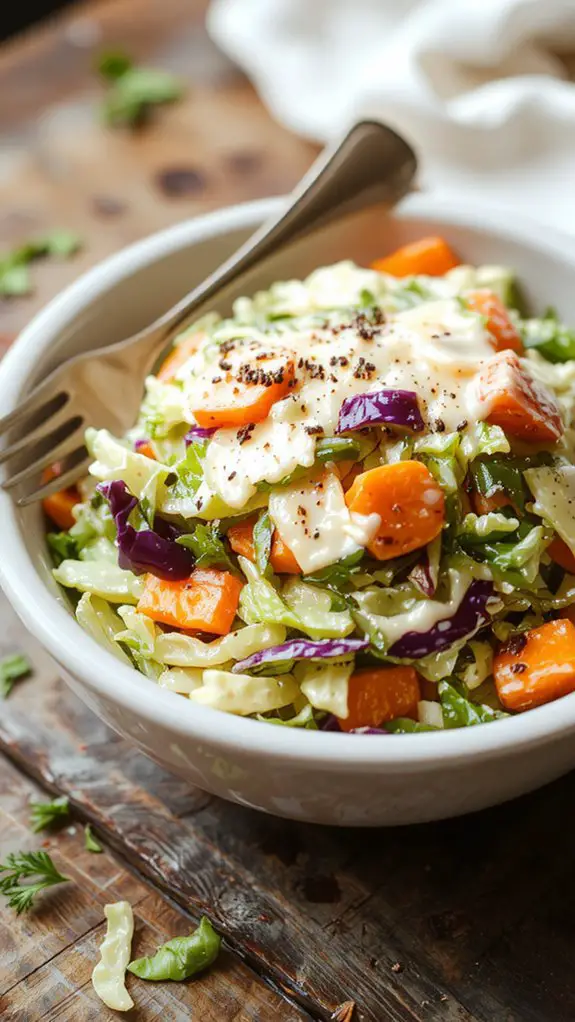
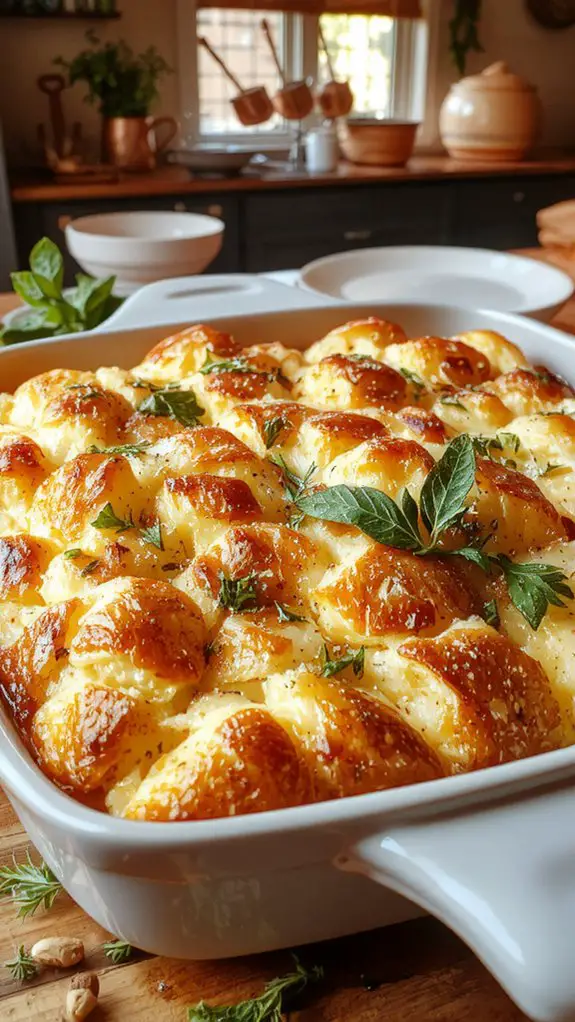
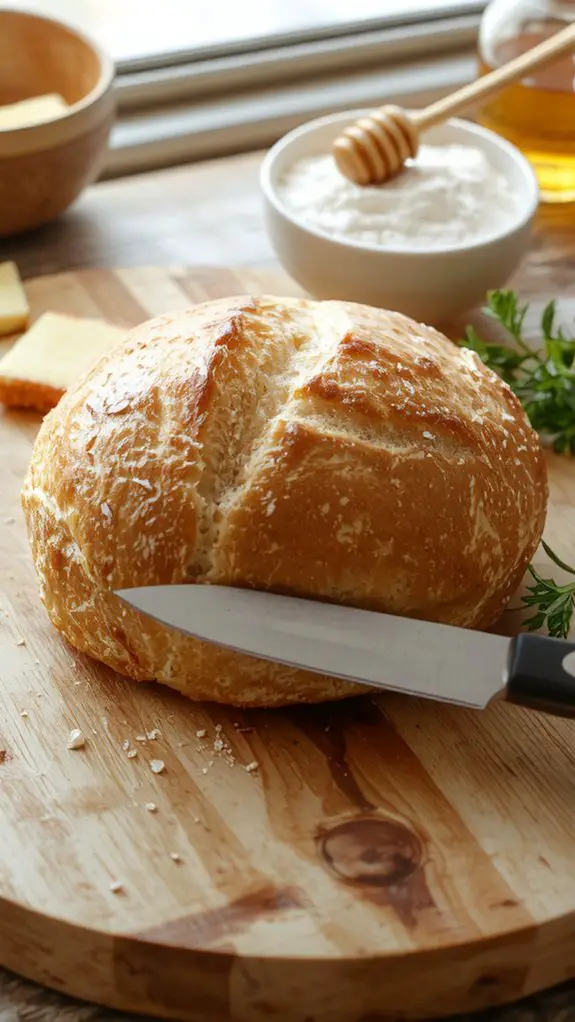
What to Serve With This Recipe

Leave a Review or Ask a Question
Your rating, tips, and questions help other home cooks. Tell us how it turned out or ask anything before you make it.