The Best Homemade Beignet Recipe
Light, fluffy homemade beignets that melt in your mouth—discover the secret to perfecting this New Orleans classic in just a few simple steps.
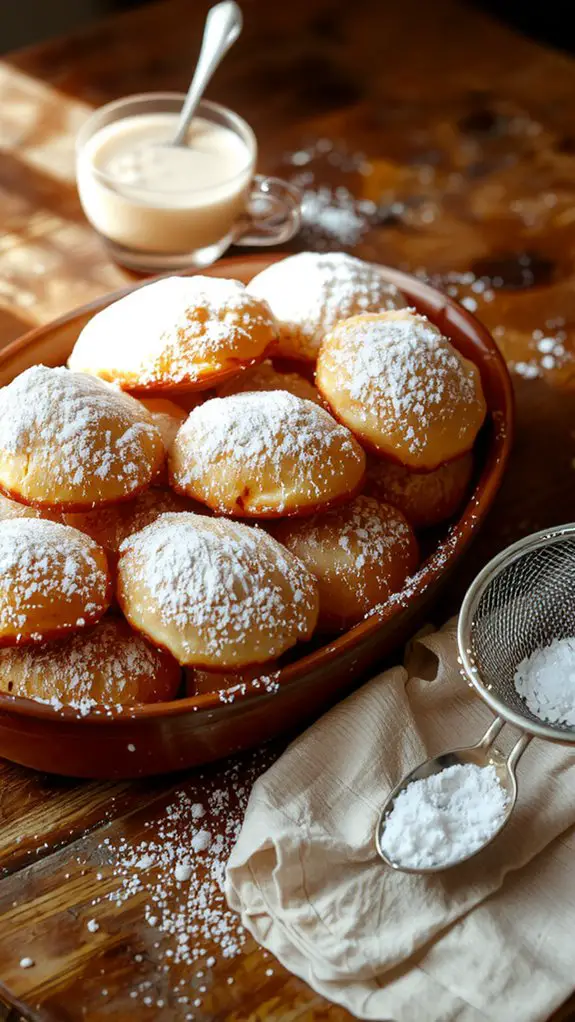
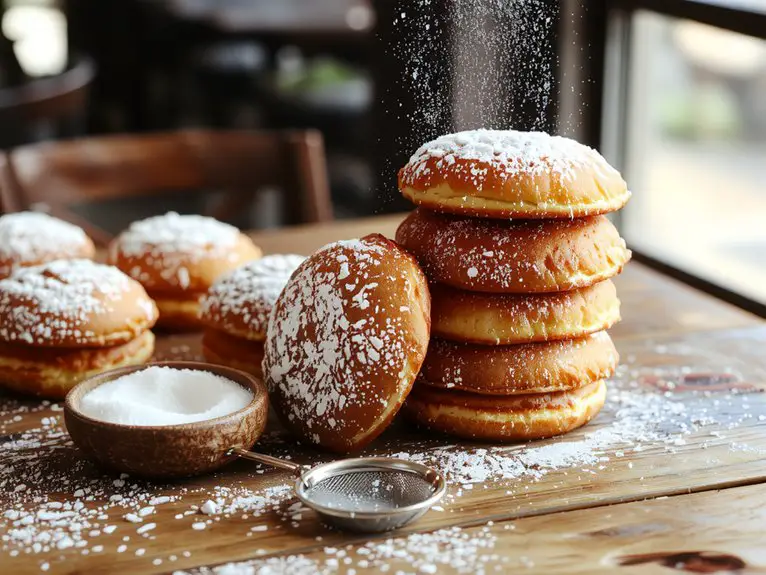
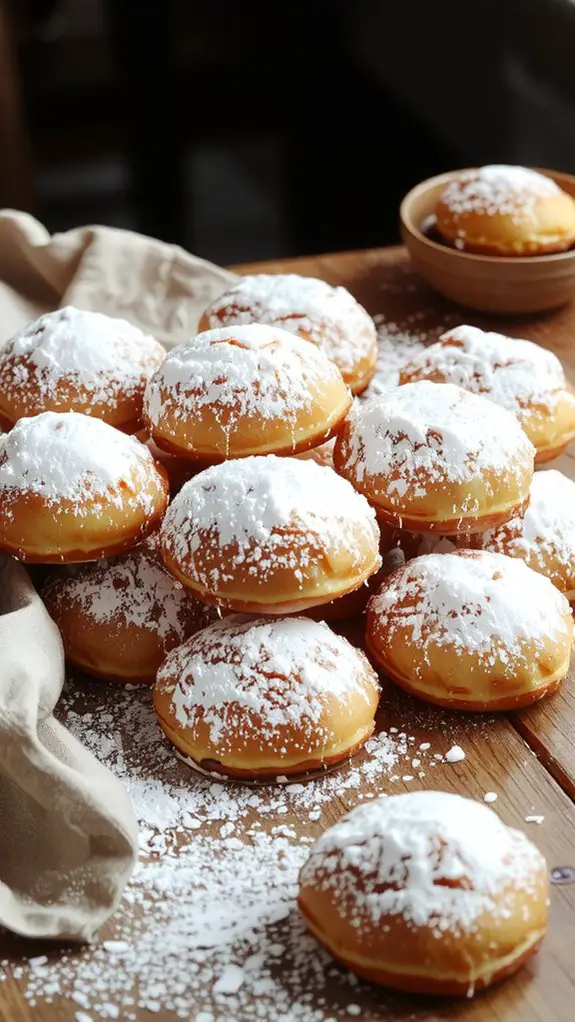
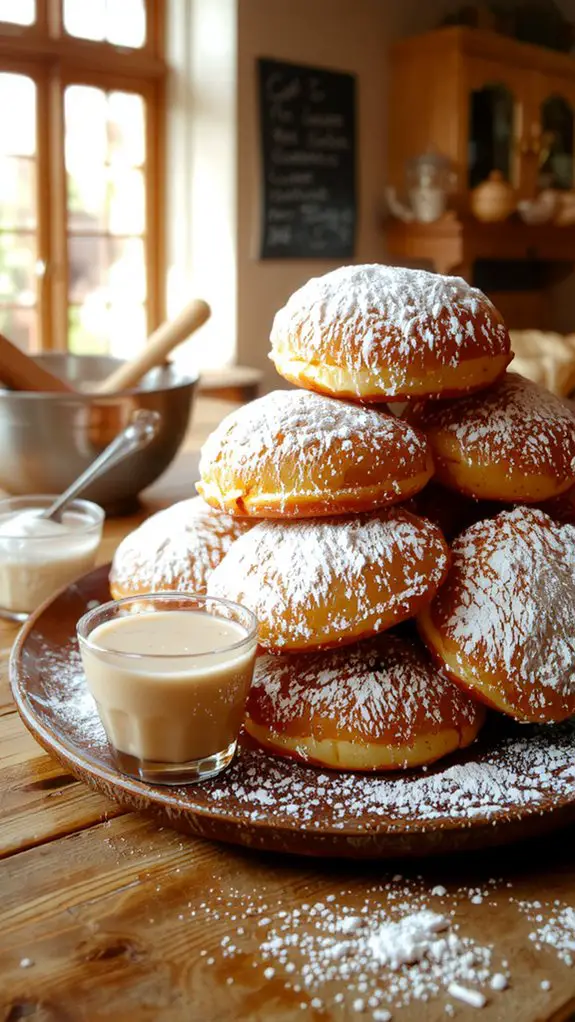
I’ve always found the best homemade beignets start with a balance of simplicity and technique. Combining bread flour with active dry yeast creates a light, airy texture, while whole milk and eggs add richness. The dough needs patience—letting it rise guarantees it’s soft and pillowy. Frying them just right turns them golden and crisp, ready for a dusting of powdered sugar. Mastering these steps transforms a simple recipe into something unforgettable.
Recipe
Let me tell you straight up: this homemade beignet recipe is life-changing. Once you taste these pillowy, golden-brown pockets of joy, you’ll wonder why you ever waited in line at a café.
Made with just a handful of simple ingredients and a whole lot of love, these beignets are impossibly light, crispy on the outside, and melt-in-your-mouth tender on the inside. Dusted generously with powdered sugar, they’re the perfect balance of sweet and decadent—like a cloud of happiness you can eat.
Trust me, I’ve made these countless times, and every batch feels like a little piece of New Orleans magic in my kitchen. Whether you’re a seasoned baker or just looking for a fun weekend project, this recipe is foolproof and utterly rewarding.
Grab your apron—you’re about to make something unforgettable.
Ingredients
The secret to perfect beignets lies in the ingredients—using the right flour, fat, and yeast makes all the difference between dense doughnuts and those ethereal, cloud-like puffs dusted with powdered sugar. Here’s what you’ll need, with chef-approved swaps and non-negotiables:
- Bread flour – Higher protein content gives structure and chew. *Swap:* All-purpose flour in a pinch, but your beignets won’t be as airy.
- Active dry yeast – Freshness matters! Test it in warm water first—if it doesn’t foam, it’s dead. *Non-negotiable:* Without it, you’ll get flat, sad discs.
- Whole milk – Adds richness. *Swap:* 2% milk works, but avoid skim—it lacks fat for tender texture.
- Eggs – Room temperature blends smoother. *Pro tip:* Crack them into a bowl first to avoid shell bits.
- Unsalted butter – Melted and cooled slightly. *Non-negotiable:* Margarine or oil won’t give the same flavor depth.
- Sugar – Just enough to feed the yeast and balance savoriness. *Bonus:* A pinch in the frying oil prevents over-browning.
- Salt – Enhances all flavors. *Skip at your peril:* Without it, beignets taste bland.
- Vegetable oil – For frying. Use something neutral with a high smoke point (peanut or canola). *Never olive oil*—it’ll overpower.
- Powdered sugar – The classic finish. *Pro move:* Sift it generously for that iconic snowy look.
Little win: Add a splash of vanilla or a pinch of nutmeg to the dough for extra warmth—just don’t tell the purists in New Orleans.
How to Make the Best New Orleans-Style Beignets
- Activate the yeast: In a small bowl, combine warm water (110°F), sugar, and active dry yeast. Let it sit for 5–10 minutes until frothy. This verifies the yeast is alive and ready to work its magic in the dough.
- Mix the wet ingredients: In a large bowl, whisk together evaporated milk, egg, and vanilla extract. Pour in the yeast mixture and stir until smooth. The evaporated milk adds richness, while the egg binds everything together.
- Incorporate the dry ingredients: Gradually add flour and salt to the wet mixture, stirring with a wooden spoon until a shaggy dough forms. Avoid overmixing—just combine until no dry spots remain. Overworking the dough can make the beignets tough.
- Knead the dough: Turn the dough onto a lightly floured surface and knead for 5–7 minutes until smooth and elastic. If it’s too sticky, add a sprinkle of flour, but don’t overdo it—too much flour = dense beignets.
- Let it rise: Place the dough in a greased bowl, cover with a damp towel, and let it rise in a warm spot for 1–2 hours, or until doubled in size. Pro tip: If your kitchen is cool, place the bowl in the oven with the light on for a gentle warmth.
- Roll and cut: Punch down the risen dough, then roll it out on a floured surface to ¼-inch thickness. Cut into 2-inch squares using a sharp knife or pizza cutter. Don’t worry about perfection—rustic edges add charm!
- Fry to golden perfection: Heat vegetable oil (about 3 inches deep) to 350°F in a heavy pot. Fry the beignets in batches for 1–2 minutes per side until puffed and golden. Watch closely—they cook fast! Drain on paper towels.
- Dust generously: While still warm, shower the beignets with powdered sugar. For extra flair, use a fine-mesh sieve to distribute the sugar evenly. Serve immediately—they’re best fresh and crispy!
- Pro tip: If you don’t have a thermometer, test the oil by dropping in a small piece of dough. If it sizzles and rises to the surface within 5 seconds, the oil is ready. Too hot? The outside will burn before the inside cooks. Too cool? The beignets will absorb excess oil.
- Warning: Don’t overcrowd the pot—frying too many at once lowers the oil temperature, leading to greasy beignets. Stick to 3–4 per batch for even cooking.
- Flexibility: No evaporated milk? Substitute whole milk or half-and-half for a similar richness. For a quicker rise, use rapid-rise yeast and reduce the proofing time by half.
Nutrition
Beignets are a delicious treat, but it’s important to be mindful of their nutritional content. Here’s a breakdown of what you’ll find in a typical serving:
| Calories | Fat (g) | Carbohydrates (g) | Protein (g) | Sugar (g) | Sodium (mg) |
|---|---|---|---|---|---|
| 200 | 10 | 25 | 3 | 10 | 150 |
Chef Tips
Although making beignets might seem simple, I’ve learned a few tricks over the years to guarantee they turn out perfectly every time. Use room-temperature dough to avoid toughness, and don’t over-knead it.
Heat your oil to 375°F—use a thermometer for accuracy. Fry in small batches to prevent overcrowding, and flip them gently.
Dust with powdered sugar immediately after frying for the best texture and flavor. These steps make all the difference!
What to Serve With This Recipe
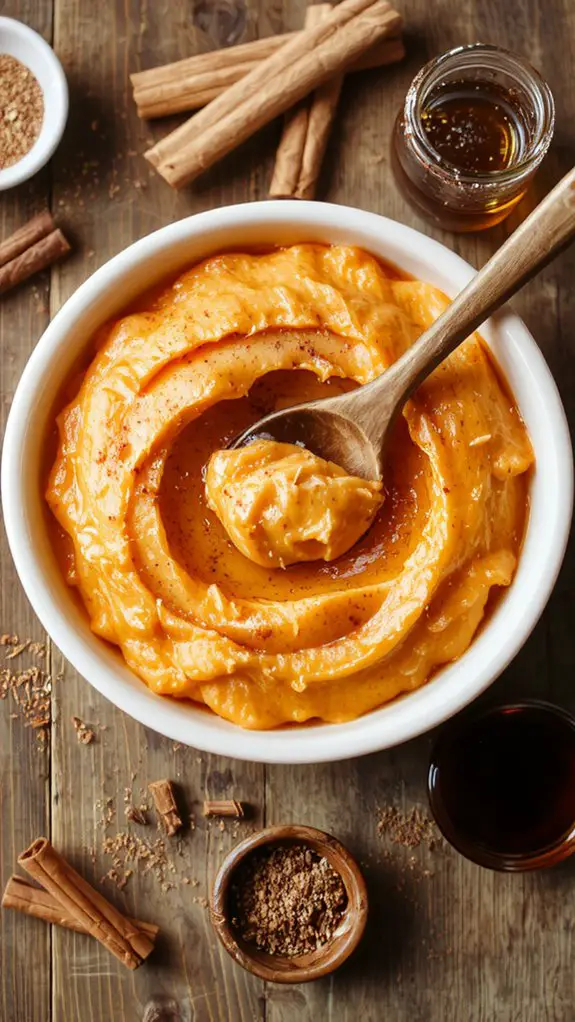
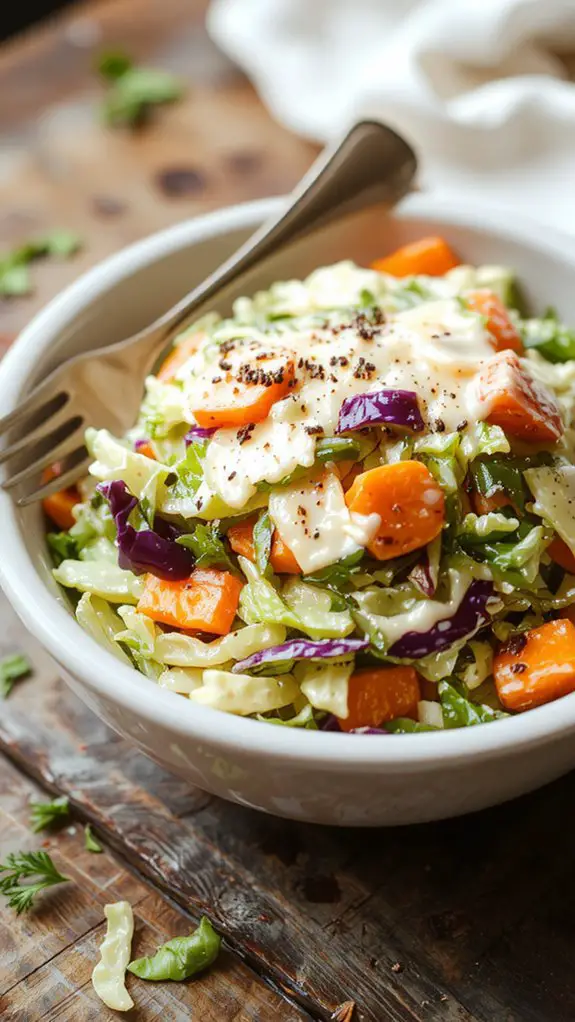
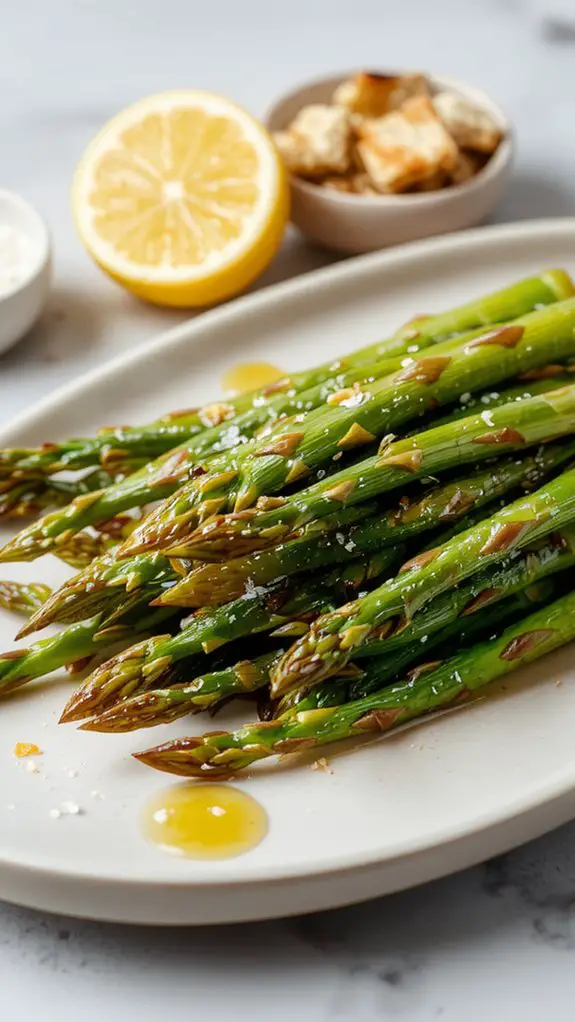

Leave a Review or Ask a Question
Your rating, tips, and questions help other home cooks. Tell us how it turned out or ask anything before you make it.