The Best Homemade Roast Recipe
Indulge in the ultimate roast recipe—perfectly seasoned, tender, and dripping with flavor, but one secret step will elevate it instantly.


I’ve spent years perfecting the art of a homemade roast, balancing flavors and techniques for a dish that’s both hearty and memorable. The secret lies in choosing the right cut, seasoning thoughtfully, and roasting slowly to achieve that ideal tenderness. Yet, there’s one pivotal step that often gets overlooked, and it makes all the difference. Curious? Let’s explore how to elevate your roast from good to extraordinary.
Recipe
There’s nothing quite like the magic of a perfectly roasted dish—crispy on the outside, tender on the inside, and bursting with flavor in every bite. This roast recipe? It’s a game-changer.
Whether it’s a cozy Sunday dinner or a special occasion centerpiece, this dish delivers every single time. The secret? A simple but genius blend of herbs and a slow-roasting technique that locks in juiciness while creating that irresistible golden crust.
Imagine this: savory aromas filling your kitchen, the sound of crackling skin, and that first forkful of melt-in-your-mouth goodness. Trust me, once you try this, it’ll become your go-to roast—no fancy skills required, just pure, delicious results.
Let’s get cooking!
Ingredients
A great roast starts with the right ingredients—those that build flavor, texture, and that irresistible aroma. The key is to choose quality components and understand why they work. Here’s your insider guide to selecting and substituting ingredients for a standout roast:
Meat:
- Beef, pork, lamb, or chicken: Opt for well-marbled cuts like chuck roast, pork shoulder, or lamb leg for maximum tenderness and flavor.
- Pro Tip: Bone-in cuts add depth to the dish—don’t shy away from them!
- Substitution: If you’re short on time, pre-cut stew meat works, but slow-cooking larger cuts yields better results.
Vegetables:
- Onions, carrots, celery: These aromatics form the flavor foundation.
- Potatoes, parsnips, or sweet potatoes: Hearty veggies absorb the juices and become melt-in-your-mouth tender.
- Pro Tip: The celery adds a subtle earthiness—don’t skip it!
- Substitution: Swap parsnips for turnips or rutabaga for a slightly different sweetness.
Liquid:
- Beef or chicken broth: Enhances richness and keeps the roast moist.
- Red wine or vinegar: Adds acidity and depth of flavor.
- Pro Tip: Use dry red wine for beef or lamb roasts; white wine or apple cider vinegar works beautifully for pork or chicken.
- Substitution: Swap broth for water if needed, but a bouillon cube adds essential flavor.
Seasonings:
- Salt, pepper, garlic: Non-negotiables—they elevate every bite.
- Herbs (rosemary, thyme, bay leaves): Fresh herbs are ideal, but dried versions work in a pinch.
- Pro Tip: Fresh rosemary is a game-changer—its piney aroma infuses the dish beautifully.
- Substitution: No thyme? Oregano or sage can step in, but use sparingly.
Extras:
- Tomato paste: Adds umami richness—don’t skip it!
- Worcestershire sauce or soy sauce: A splash boosts savory depth.
- Pro Tip: Worcestershire sauce is especially good for beef roasts—it’s worth the extra bottle!
- Substitution: Soy sauce works, but reduce salt elsewhere to balance flavors.
The secret to a perfect roast lies in layering flavors—start with quality ingredients, and let them shine through slow, patient cooking.
How to Make the Best Classic Beef Roast Recipe

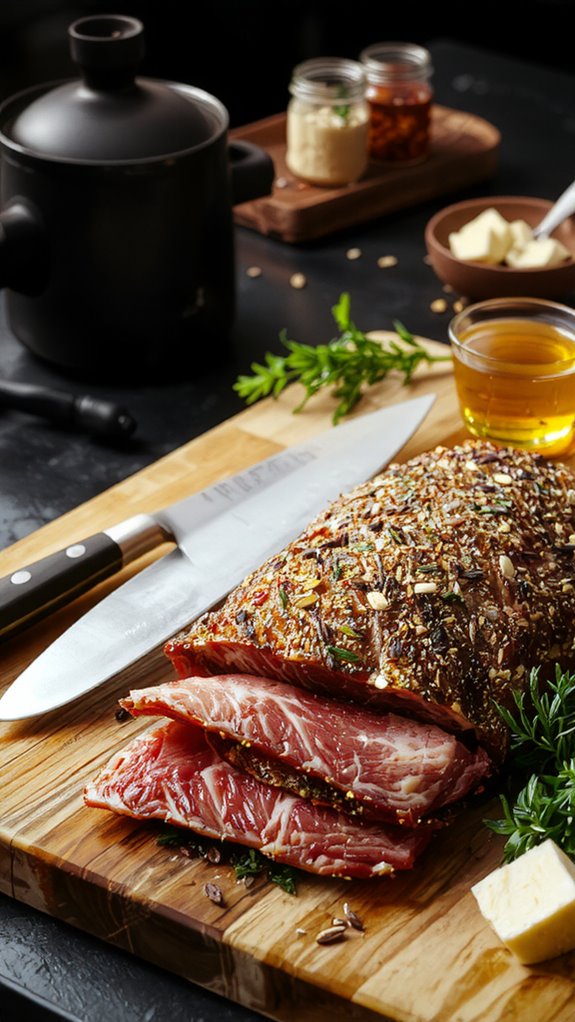
- Season generously with salt, pepper, and any desired herbs or spices, massaging them into the meat. This creates a flavorful exterior and enhances the overall taste of the roast.
- Heat a heavy-bottomed skillet or Dutch oven over medium-high heat and add a small amount of oil. Searing the roast on all sides locks in juices and creates a rich, caramelized crust—about 3-4 minutes per side.
- Transfer the seared roast to a roasting pan or keep it in the Dutch oven.
Add aromatic vegetables like onions, carrots, and celery around the roast for added flavor during cooking.
- Insert a meat thermometer into the thickest part of the roast, avoiding fat or bone. This enables you to monitor the internal temperature accurately.
- Roast in the preheated oven, uncovered, until the thermometer reads your desired doneness: 135°F (57°C) for medium-rare, 145°F (63°C) for medium, or 155°F (68°C) for medium-well. This typically takes about 20 minutes per pound.
- Let the roast rest for 15-20 minutes after removing it from the oven.
Resting allows the juices to redistribute throughout the meat, guaranteeing a moist and tender slice.
- Carve against the grain for the most tender bite. This technique shortens the muscle fibers, making the roast easier to chew.
- Serve with pan juices or a simple gravy made from the drippings and aromatic vegetables for added richness.
Pro Tip: If you’re short on time, sear the roast the night before and refrigerate it. This cuts down on prep time and allows the seasoning to penetrate deeper.
Watch-Out Warning: Avoid opening the oven door frequently to check the roast, as this can cause temperature fluctuations and extend cooking time. Trust the thermometer!
Nutrition
Roast recipes provide a hearty and nutritious meal option. Understanding the nutritional content helps in maintaining a balanced diet.
| Nutrient | Amount per Serving |
|---|---|
| Calories | 300 |
| Protein | 25g |
| Fat | 15g |
| Carbohydrates | 10g |
| Fiber | 3g |
| Sodium | 500mg |
Chef Tips
When preparing a roast, I always recommend letting the meat rest at room temperature for 30 minutes before cooking—this guarantees even heat distribution.
Season generously with salt, pepper, and herbs, pressing them into the meat. Preheat your oven to maintain consistent cooking.
For tender results, use a meat thermometer to avoid overcooking. Finally, let the roast rest for 15 minutes after baking to lock in juices.
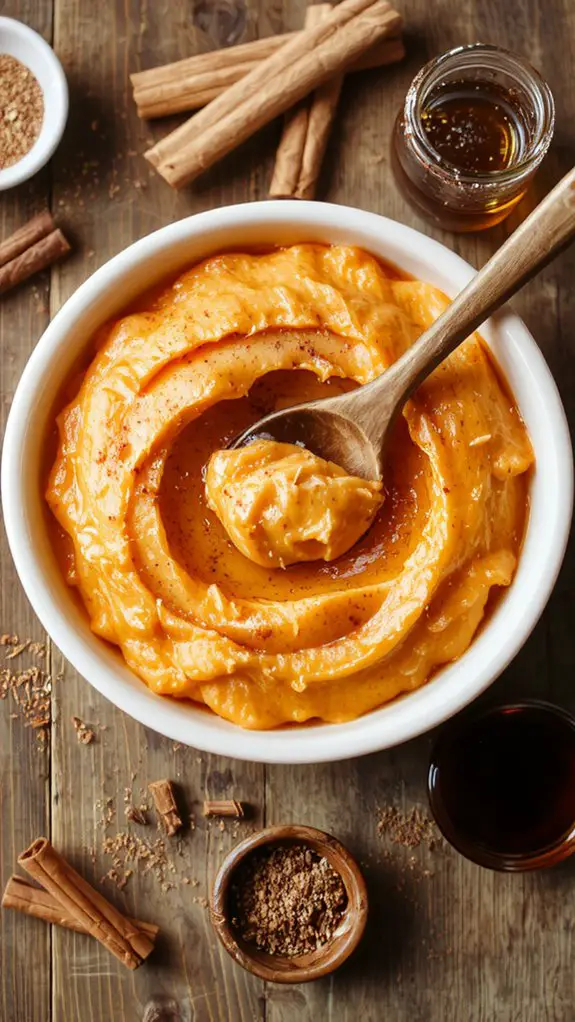
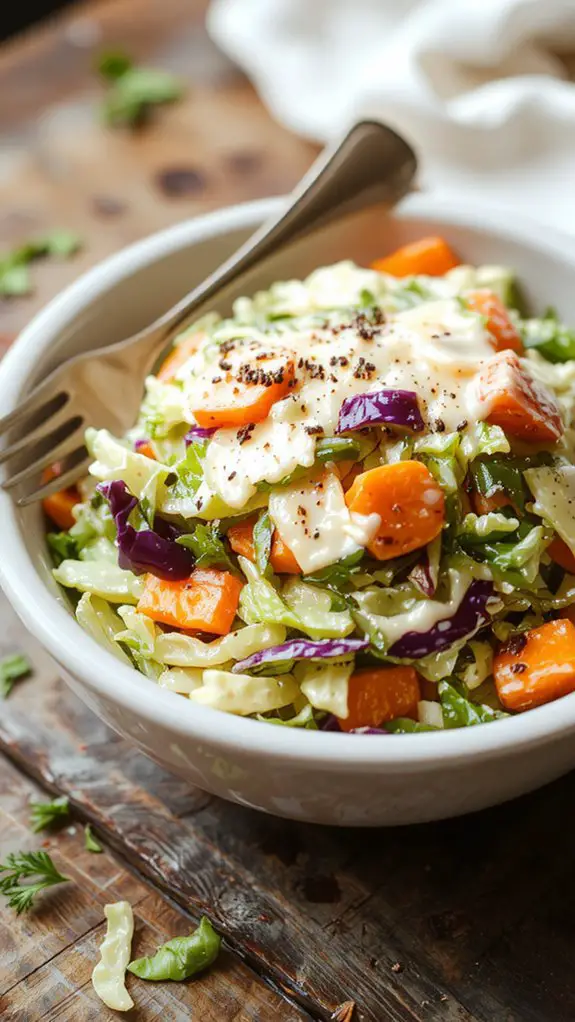
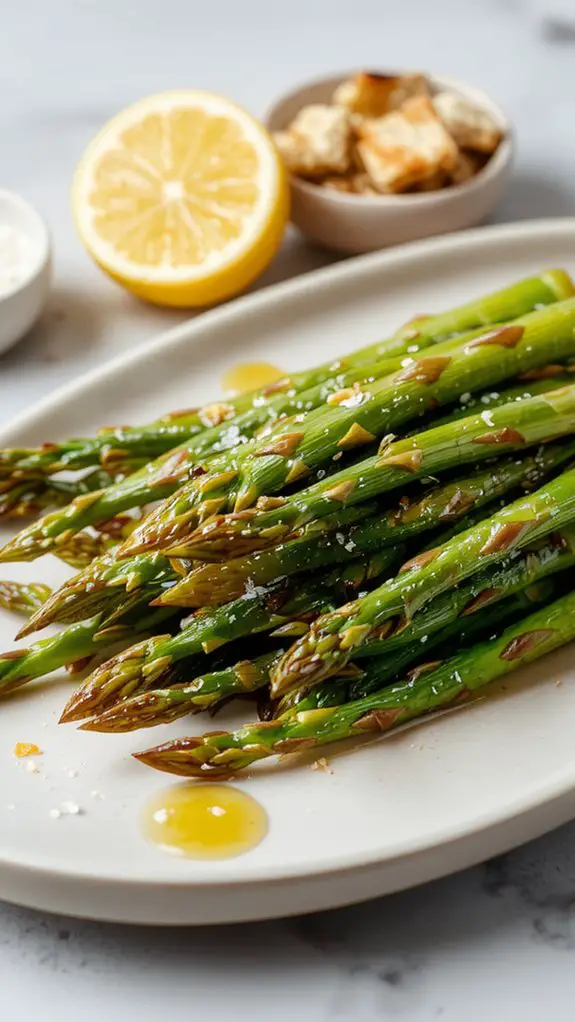
What to Serve With This Recipe

Leave a Review or Ask a Question
Your rating, tips, and questions help other home cooks. Tell us how it turned out or ask anything before you make it.