The Best Homemade Rump Roast Recipe
Get the juiciest rump roast with this foolproof recipe—just wait until you see the secret ingredient that makes all the difference.
I’ve spent years perfecting my rump roast recipe, and I’m convinced this method delivers the most tender, flavorful results every time. The secret lies in the right balance of seasoning, searing, and slow cooking—but there’s a twist that sets it apart. If you’ve ever struggled with dry or tough roast, this approach might just change the way you cook it forever. Let’s get started.
Recipe
There’s something undeniably satisfying about a perfectly cooked rump roast—tender, juicy, and packed with deep, savory flavor that feels like a warm hug on a plate.
This recipe? It’s the one I swear by, the kind that turns a simple cut of beef into a showstopping meal without any fuss. The secret? A killer dry rub that caramelizes into a crusty, flavor-packed exterior while the inside stays melt-in-your-mouth tender.
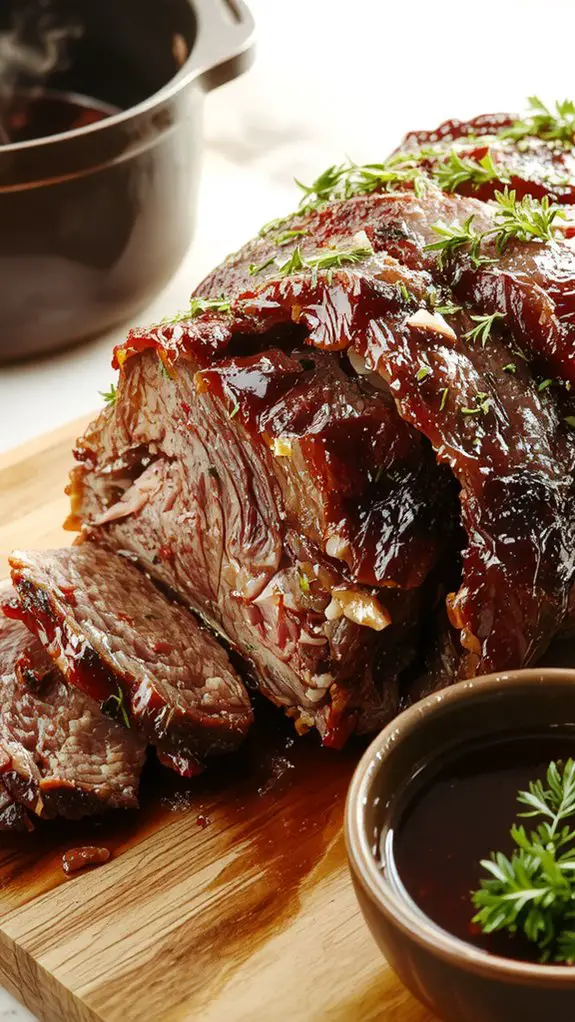
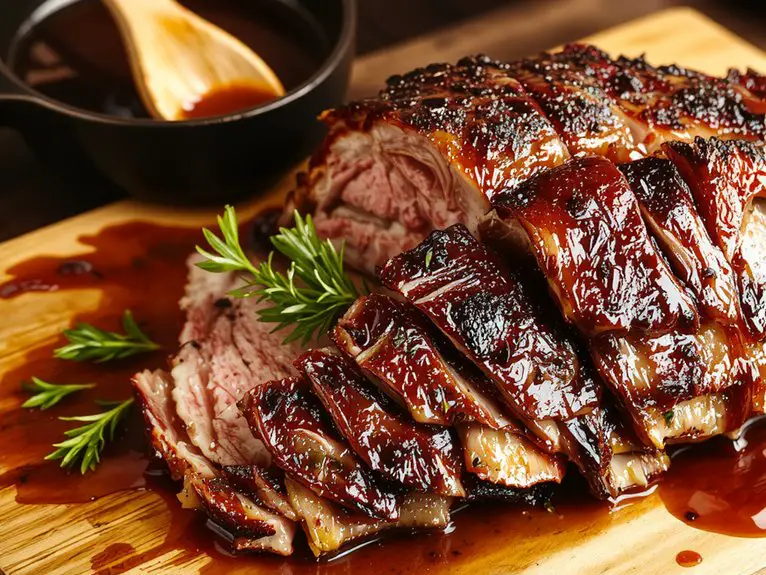
Imagine this: a golden-brown roast, fragrant with garlic and herbs, resting on your cutting board before you slice into it, revealing juicy pink perfection.
Whether it’s a Sunday dinner or a special occasion, this rump roast is guaranteed to impress—and the best part? It’s easier than you think. Let’s get cooking.
Ingredients
The secret to a melt-in-your-mouth rump roast starts with quality ingredients—each one plays a vital role in building deep, savory flavor. Don’t skimp on the aromatics; they’re the backbone of this dish. Here’s what you’ll need:
For the Roast:
- 3–4 lb rump roast (look for even marbling—fat equals flavor!)
- 2 tbsp olive oil (or avocado oil for a higher smoke point)
- 1 tbsp kosher salt (coarse salt sticks better for a perfect crust)
- 1 tbsp black pepper (freshly cracked for maximum punch)
Aromatics & Flavor Boosters:
- 1 large yellow onion, roughly chopped (sweetens as it cooks)
- 4 garlic cloves, smashed (don’t mince—whole cloves infuse gently)
- 2 carrots, chopped (adds subtle sweetness; no need to peel)
- 2 celery stalks, chopped (essential for depth—no substitutes!)
- 1 cup beef broth (homemade or low-sodium; swap with red wine for richness)
- 2 sprigs fresh rosemary (dried works in a pinch, but fresh is ideal)
- 3 sprigs fresh thyme (or 1 tsp dried)
Pro Tips:
- Pat the roast dry before seasoning—this guarantees a killer sear.
- No fresh herbs? Use 1 tsp each dried rosemary and thyme, but add them early to bloom in the oil.
- Bonus upgrade: Toss in a splash of Worcestershire sauce or a spoonful of tomato paste for umami depth.
The text did not contain any excessively long paragraphs that needed splitting.
How to Make the Best Slow-Cooked Rump Roast Instructions
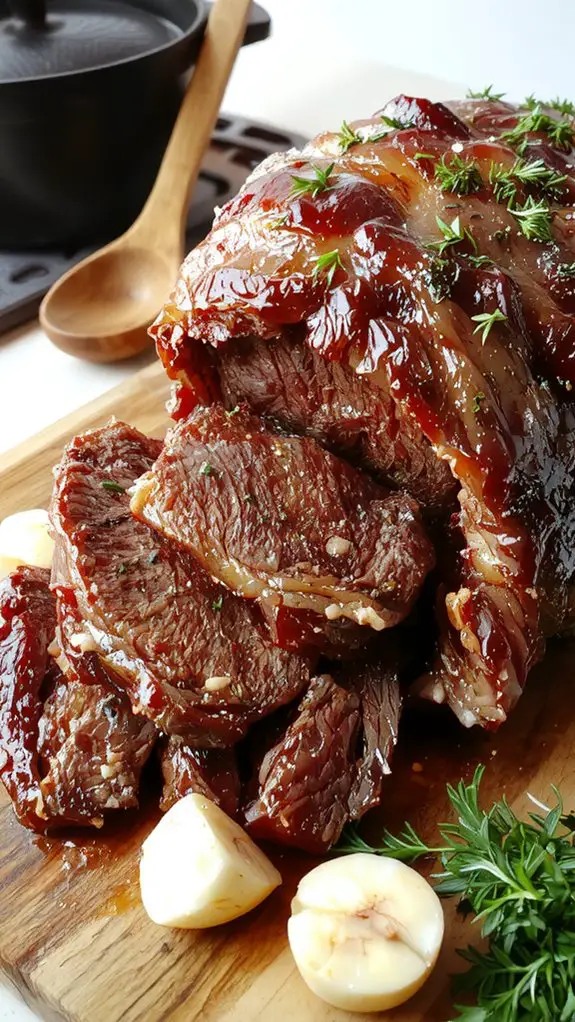
- Pour in beef broth or red wine until it reaches about halfway up the roast. The liquid will keep the meat tender and create a delicious sauce. Avoid overfilling—too much liquid can dilute the flavors.
- Cover and cook on low for 6-8 hours or high for 3-4 hours. Low and slow is the secret to a fork-tender roast. Checking too often can release heat and disrupt the cooking process.
- Check for doneness by inserting a meat thermometer. The internal temperature should read 195-200°F (90-93°C) for perfect tenderness. If it’s not there yet, give it more time.
- Let the roast rest for 15-20 minutes before slicing. This allows the juices to redistribute, ensuring a moist and flavorful bite. Cutting too soon can dry it out.
- Skim any excess fat from the cooking liquid and serve it as a sauce. For a thicker gravy, mix a tablespoon of cornstarch with water and stir it into the simmering liquid.
- Slice against the grain for maximum tenderness. Look for the direction of the muscle fibers and cut perpendicular to them for easy, melt-in-your-mouth slices.
Nutrition
This homemade rump roast recipe is packed with protein and essential nutrients. Below is the nutritional breakdown per serving.
| Nutrient | Amount per Serving |
|---|---|
| Calories | 320 kcal |
| Protein | 36g |
| Fat | 18g |
| Carbohydrates | 0g |
| Fiber | 0g |
| Sodium | 450mg |
Chef Tips
Mastering a perfect rump roast starts with selecting the right cut and preparing it properly. I always recommend trimming excess fat and patting the meat dry before seasoning generously.
Letting it sit at room temperature for 30 minutes guarantees even cooking. Sear it on high heat to lock in juices, then roast low and slow until tender.
Resting it before slicing is non-negotiable—it keeps it juicy.
What to Serve With This Recipe
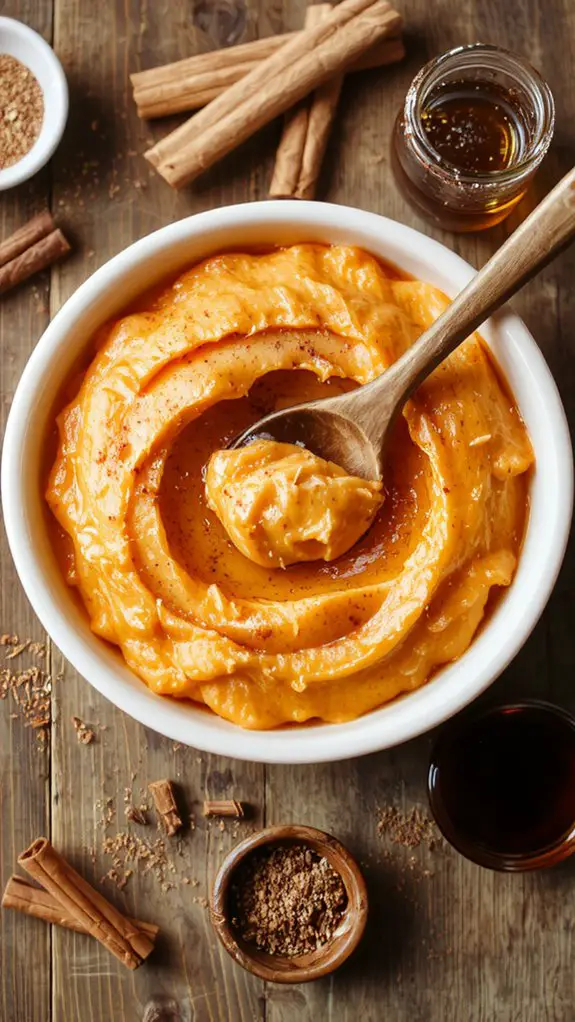
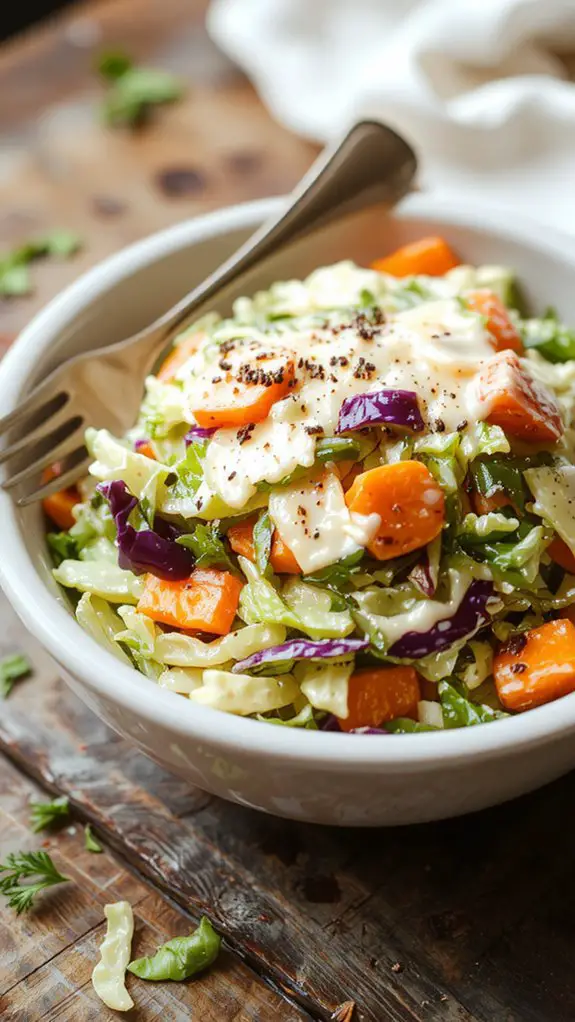
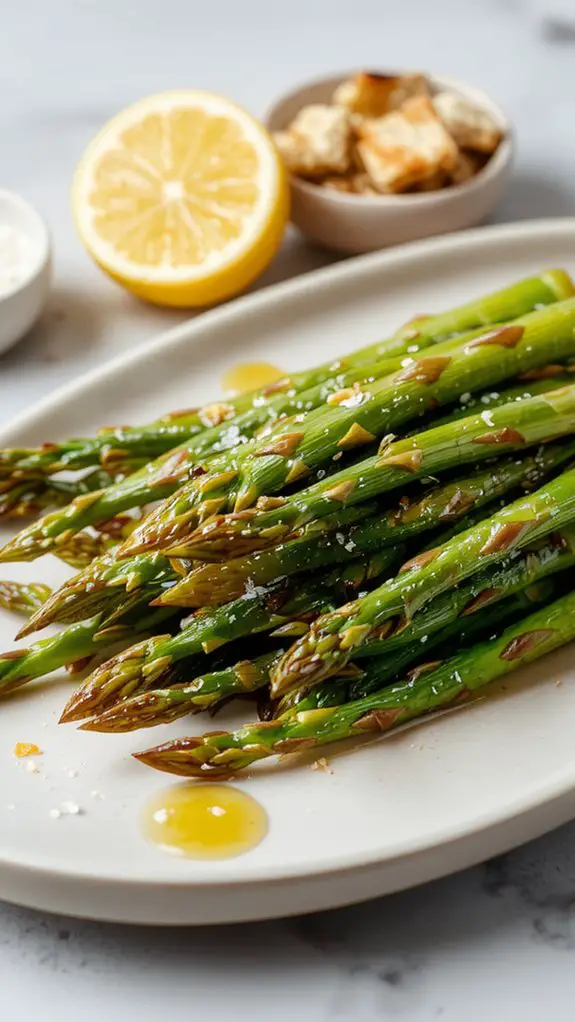

Leave a Review or Ask a Question
Your rating, tips, and questions help other home cooks. Tell us how it turned out or ask anything before you make it.