The Best Homemade Smoked Ribs Recipe
Get ready to unlock the secret to the juiciest smoked ribs—discover the one step everyone misses for perfection.
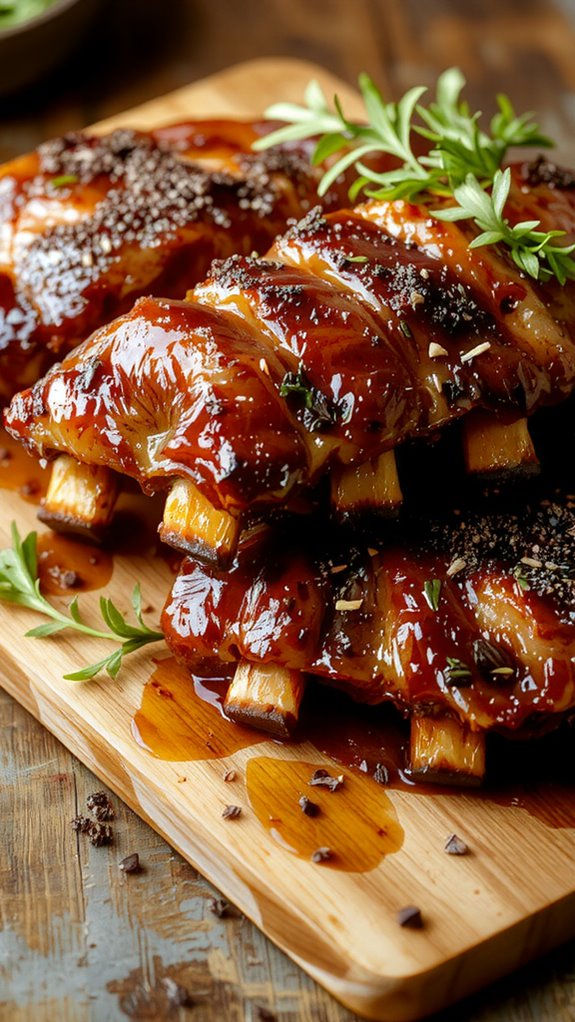
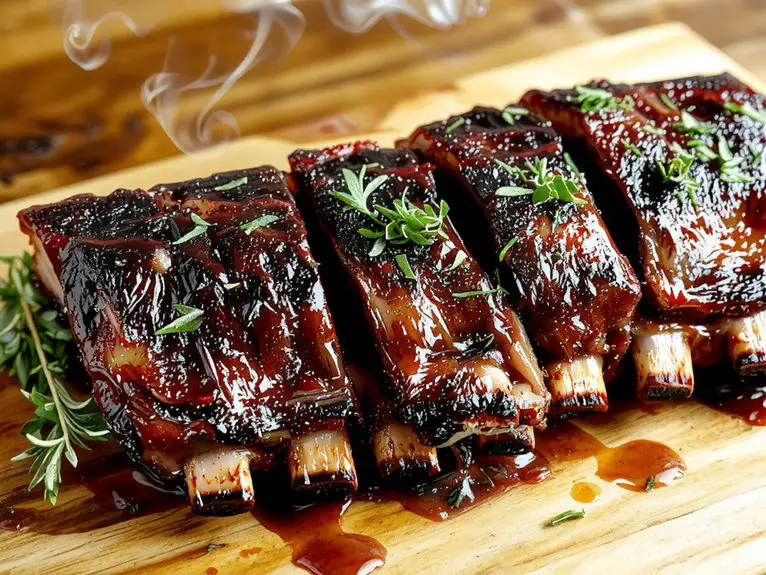
I’ve spent years perfecting my smoked ribs recipe, and I’m convinced it’s the best way to achieve tender, flavorful meat every time. The secret lies in the prep, the right wood chips, and a slow smoke that locks in moisture. But there’s one step most people skip that makes all the difference—let me show you how to elevate your ribs from good to unforgettable.
Recipe
There’s nothing quite like the smell of smoky, tender ribs slow-cooking to perfection—it’s the kind of meal that turns an ordinary day into something special.
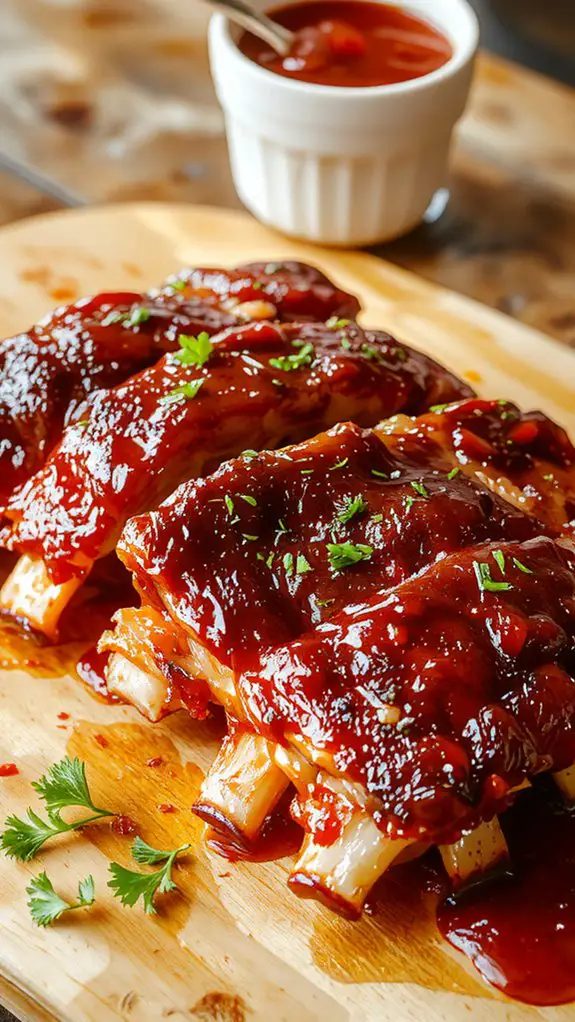
These homemade smoked ribs are the real deal, with a deep, rich bark and meat so juicy it practically falls off the bone with just a gentle tug.
The secret? A killer dry rub that caramelizes into a sticky-sweet crust, plus hours of low-and-slow smoking that infuses every bite with that irresistible wood-fired flavor.
Trust me, once you try these, you’ll never go back to store-bought ribs again.
Whether it’s a backyard BBQ or just a craving you need to satisfy, these ribs are guaranteed to impress—and they’re way easier to make than you think.
Fire up the smoker, grab your favorite wood chips, and get ready for the most mouthwatering ribs of your life.
Ingredients
For the most flavorful smoked ribs, the ingredients you choose matter. Freshness and quality elevate the dish, and a few pro tips can make all the difference. Here’s what you’ll need:
For the Ribs:
- 1 rack of baby back ribs (or spare ribs for a richer flavor)
- 2 tbsp olive oil (helps the rub stick and adds moisture)
For the Dry Rub:
- 1/4 cup brown sugar (adds sweetness and helps caramelize the crust)
- 2 tbsp paprika (smoky and essential for color)
- 1 tbsp garlic powder (brings depth)
- 1 tbsp onion powder (adds savory notes)
- 1 tbsp black pepper (must-have for a zesty kick)
- 1 tbsp kosher salt (balances the sweetness)
- 1 tsp cayenne pepper (optional, for a touch of heat)
For the Smoke:
– Wood chips (hickory or applewood for classic smoky flavor)
For the Glaze (Optional):
– 1/2 cup barbecue sauce (homemade or your favorite store-bought brand)
Pro Tips:
- Brown sugar is non-negotiable – it’s key for that caramelized crust.
- Paprika adds smoky depth – don’t skip it, even if you’re smoking the ribs.
- Wood choice matters – hickory for bold smokiness, applewood for a sweeter profile.
- Optional glaze adds shine – brush it on in the last 30 minutes for sticky, finger-licking ribs.
Substitutions:
- No brown sugar? Use granulated sugar mixed with a teaspoon of molasses.
- Out of olive oil? Melted butter works as a binder for the rub.
- Swap barbecue sauce for a honey-mustard glaze if you prefer tanginess.
How to Make the Best Smoked Pork Spare Ribs
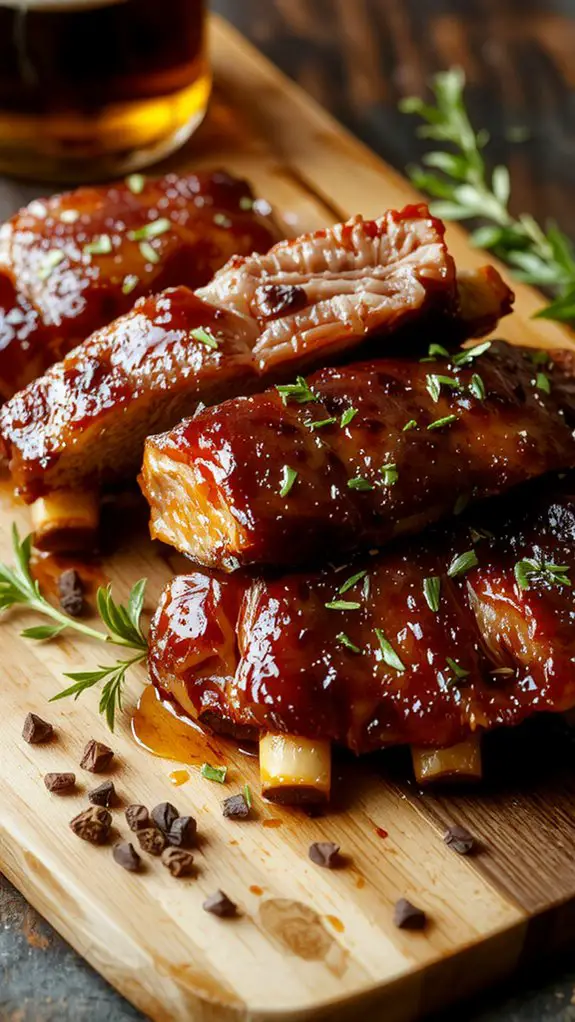
- Finish Unwrapped: Remove the ribs from the foil and place them back on the smoker for about 30 minutes to firm up the exterior. This will give them a perfect bark.
- Rest and Serve: Let the ribs rest for 10 minutes before slicing. This allows the juices to redistribute, ensuring each bite is moist and flavorful.
Serve with your favorite barbecue sauce on the side.
– Pro Tip: Check the ribs for doneness by bending them gently. If they crack slightly but don’t break apart, they’re perfectly cooked.
Overcooking can dry them out, so keep a close eye during the final stages.
The internal temperature of the ribs should read around 195°F (90°C) when they’re done.
Nutrition
Smoked ribs are a flavorful dish, but they also come with specific nutritional values.
Here’s a breakdown of the key nutrients per serving:
Calories: 450
Protein: 25g
Fat: 30g
Carbohydrates: 15g
Sodium: 800mg
Cholesterol: 90mg
Chef Tips
Getting the best results with smoked ribs isn’t just about the ingredients—it’s how you handle them. I always remove the membrane from the bone side for better texture and seasoning absorption.
Low and slow is key—I aim for 225°F and let them smoke for 5-6 hours. Wrap them in foil halfway to keep them tender.
Finally, let them rest before slicing—patience pays off.
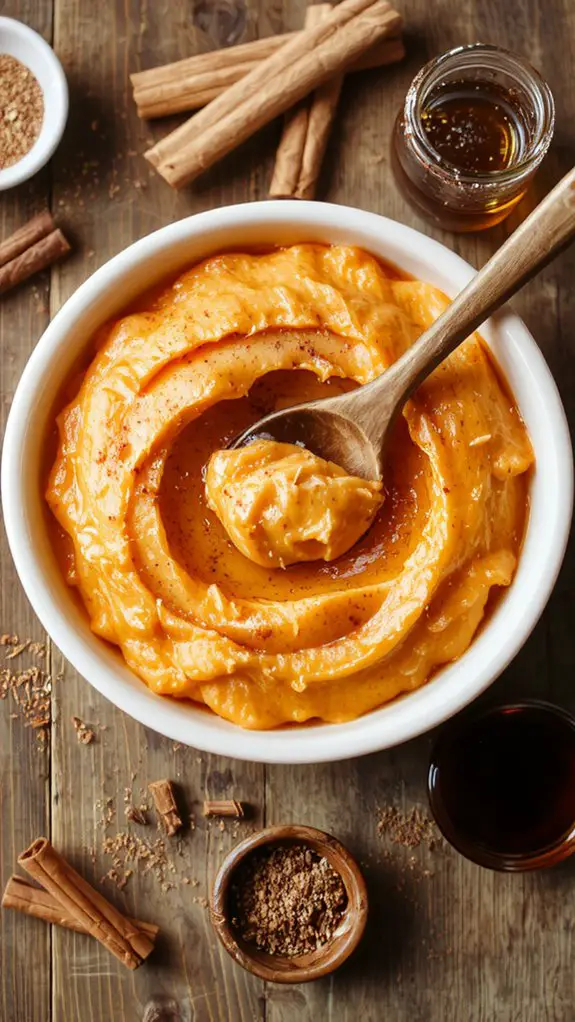
What to Serve With This Recipe
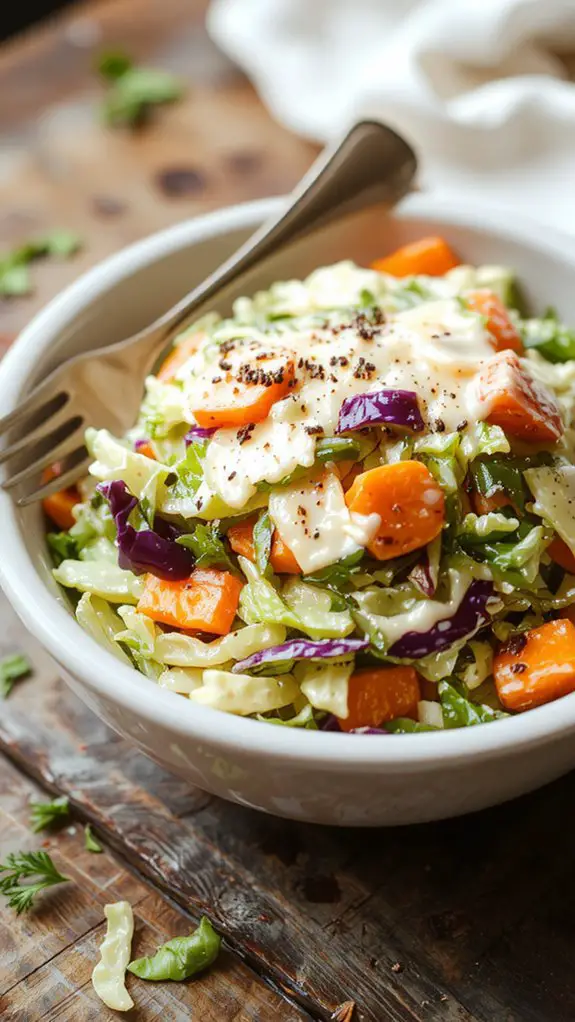
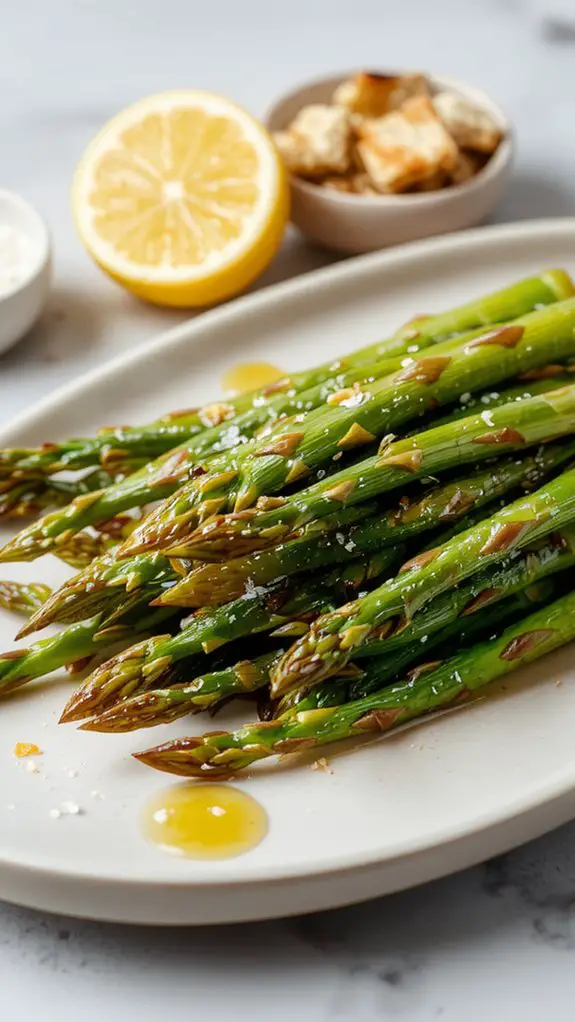

Leave a Review or Ask a Question
Your rating, tips, and questions help other home cooks. Tell us how it turned out or ask anything before you make it.