The Best Homemade Butter Cake Recipe
Get ready to bake the ultimate homemade butter cake with a secret step that guarantees perfect richness—your dessert game will never be the same.
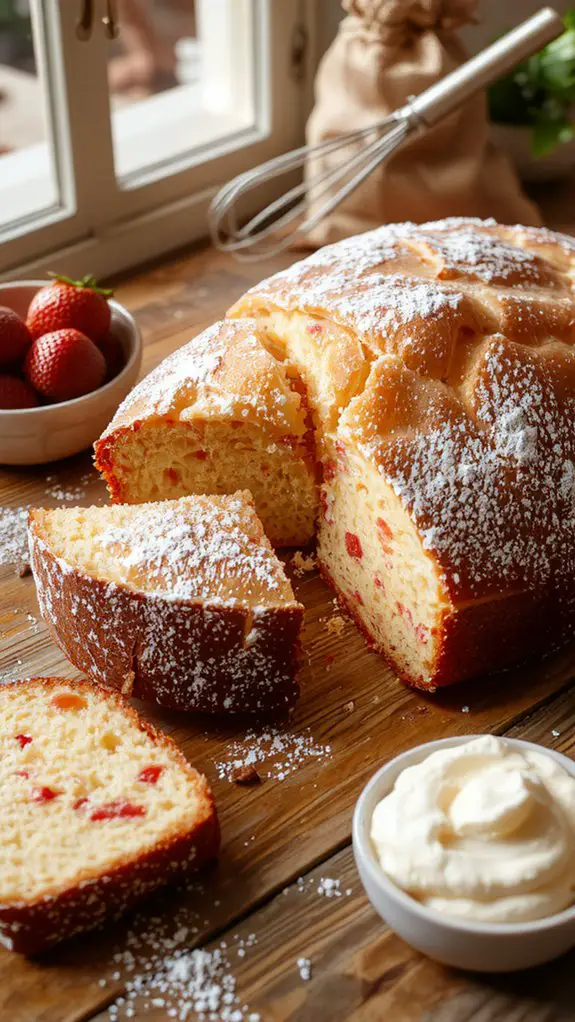
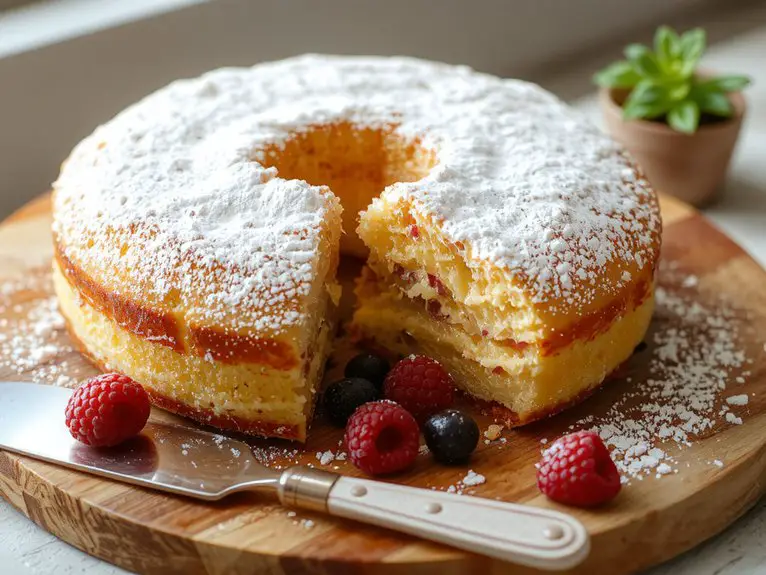
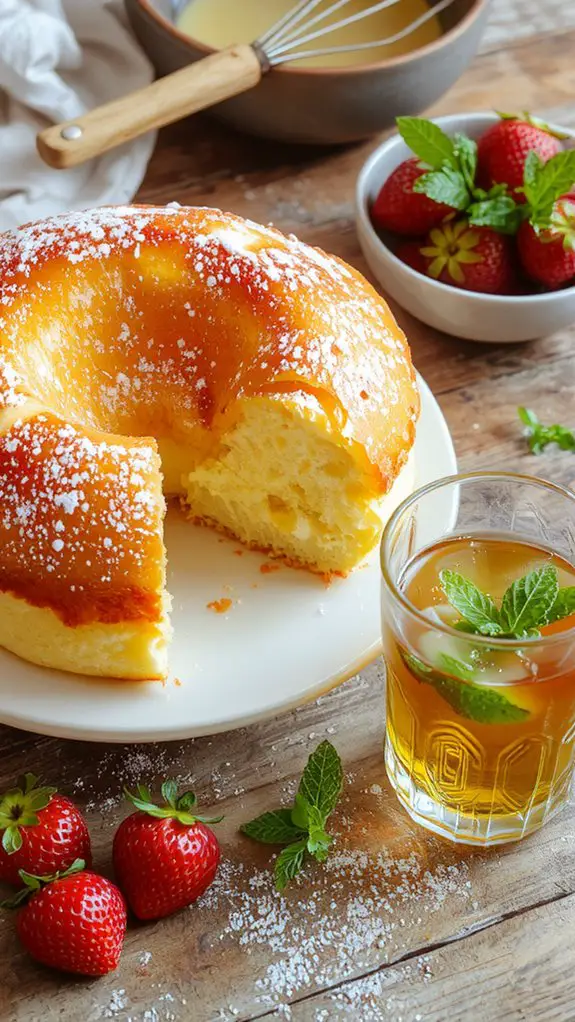
I’ve baked countless cakes, but nothing beats the simplicity and richness of a homemade butter cake. It’s the kind of dessert that feels indulgent yet comforting, with a texture that’s perfectly tender and moist. Getting the details right, from ingredient quality to baking time, makes all the difference. There’s a secret step in this recipe that elevates it to a whole new level—something you won’t want to miss.
Recipe
I can confidently say this butter cake will become your new go-to dessert—it’s that good. What makes it special? The simplicity.
Just a handful of pantry staples come together to create a cake that’s rich, moist, and impossibly tender, with a golden crust that’s perfection. The secret? Using real butter (no substitutes here!) and whipping it until it’s pale and fluffy, which gives the cake its signature melt-in-your-mouth texture.
Every bite is a buttery dream, balanced with a hint of vanilla sweetness. Whether it’s for a birthday, a potluck, or just because you deserve a treat, this cake never disappoints.
Trust me, once you try it, you’ll wonder why you haven’t been making it all along. Let’s bake!
Ingredients
A great butter cake starts with quality ingredients—each one plays a pivotal role in texture, flavor, and that melt-in-your-mouth richness. Here’s what you’ll need, plus insider tips to guarantee your cake turns out bakery-level delicious every time.
Dry Ingredients
- All-purpose flour – The backbone of the cake; measure it properly (spoon & level!) for the right crumb.
- Granulated sugar – Not just for sweetness—it helps create a tender texture.
- Baking powder & salt – Baking powder secures a light rise, while salt balances the sweetness.
Wet Ingredients
- Unsalted butter – Must be room temperature for smooth creaming; it’s the star of the show!
- Eggs – Use large eggs, and bring them to room temp for better emulsification.
- Whole milk – Adds moisture; buttermilk can be swapped for extra tenderness (just add 1 tsp vinegar to milk if you don’t have buttermilk).
- Vanilla extract – Pure extract is non-negotiable for that rich, warm flavor.
Pro Tips & Swaps
- Butter quality matters – European-style butter (higher fat content) makes a richer cake.
- No buttermilk? Mix 1 cup milk + 1 tbsp lemon juice/vinegar, let sit 5 mins.
- Extra flavor boost? Add 1 tsp almond extract or a pinch of cinnamon for depth.
Little Wins
- Brush with syrup – After baking, brush warm cake with simple syrup (equal parts sugar + water) for extra moisture.
- Top with berries – Fresh strawberries or raspberries add a pop of color and freshness.
How to Make the Best “Follow Precise Ingredient Measurements
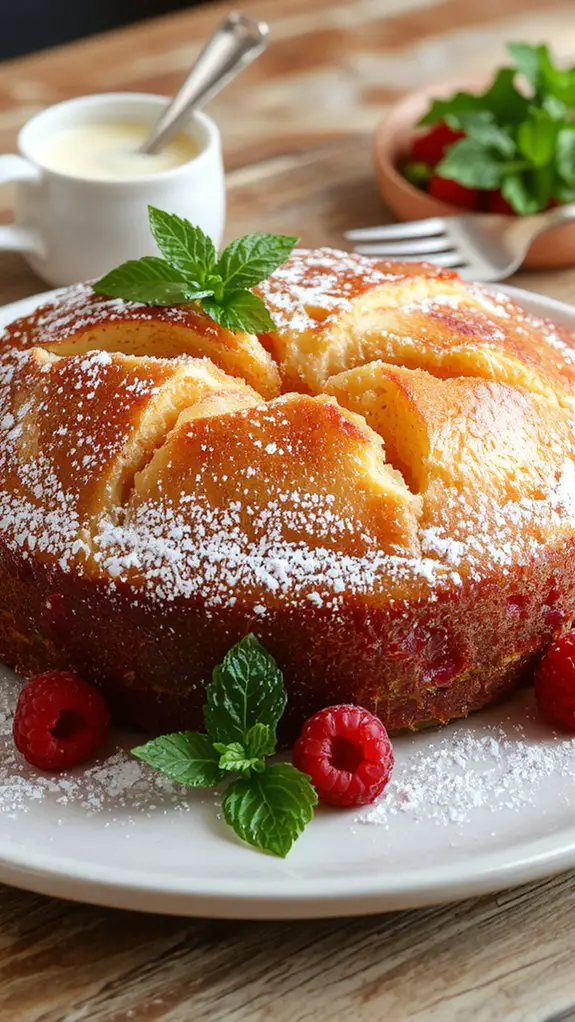
- Sift the dry ingredients together—2 cups of flour, 1 ½ teaspoons of baking powder, and ¼ teaspoon of salt—into a large bowl. Sifting aerates the flour and removes lumps, creating a lighter cake texture.
- In a separate bowl, cream 1 cup of softened butter and 1 ½ cups of sugar until light and fluffy, about 3-4 minutes. Softened butter mixes more easily, and creaming incorporates air for a tender crumb.
- Add 4 eggs, one at a time, beating well after each addition. Adding eggs gradually guarantees proper emulsification and prevents the batter from curdling.
- Mix in 2 teaspoons of vanilla extract for flavor. Vanilla enhances the buttery richness of the cake—pure extract is preferred for the best taste.
- Alternately add the dry ingredients and ½ cup of milk to the butter mixture, beginning and ending with the dry ingredients. Mix just until combined after each addition. This method prevents overmixing, which can toughen the cake.
- Pour the batter into the prepared pan and smooth the top with a spatula. Spreading evenly guarantees the cake bakes uniformly without uneven peaks.
- Bake for 30-35 minutes, or until a toothpick inserted into the center comes out clean. Avoid opening the oven door too early, as this can cause the cake to sink.
- Let the cake cool in the pan for 10 minutes, then transfer it to a wire rack to cool completely. Cooling in the pan prevents it from breaking, while moving it to a rack guarantees it doesn’t become soggy.
- Slice and serve as is or dust with powdered sugar for a simple finish. This cake pairs wonderfully with fresh berries or a dollop of whipped cream.
Pro Tip: For a richer flavor, substitute milk with buttermilk or add a teaspoon of lemon zest to the batter. If doubling the recipe, use two pans for even baking.
Nutrition
Butter cake is a rich and indulgent dessert, but it’s important to be mindful of its nutritional content. Below is a breakdown of the nutrition facts per serving (based on a standard recipe).
| Nutrition | Per Serving (1 slice) |
|---|---|
| Calories | 320 kcal |
| Total Fat | 15 g |
| Saturated Fat | 9 g |
| Cholesterol | 85 mg |
| Sodium | 220 mg |
| Total Carbohydrates | 42 g |
| Sugars | 30 g |
| Protein | 4 g |
Chef Tips
While baking a butter cake might seem straightforward, I’ve found that attention to detail makes all the difference.
I always use room-temperature butter for smooth mixing and preheat my oven to avoid uneven baking. Sifting flour guarantees a lighter texture, and I generously grease the pan to prevent sticking.
Finally, I let the cake cool completely before slicing, as it firms up beautifully. These small steps guarantee perfection every time.
What to Serve With This Recipe

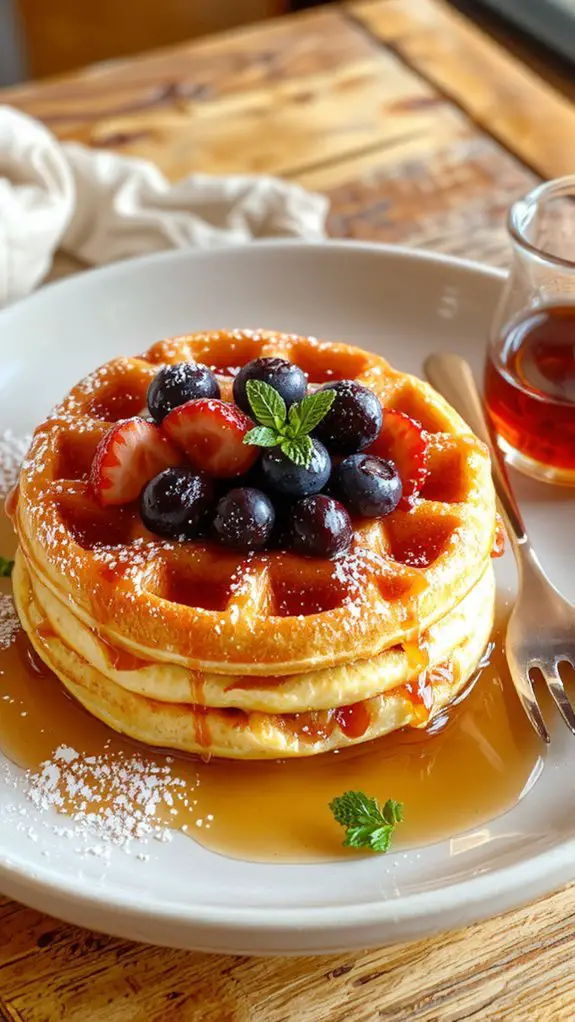
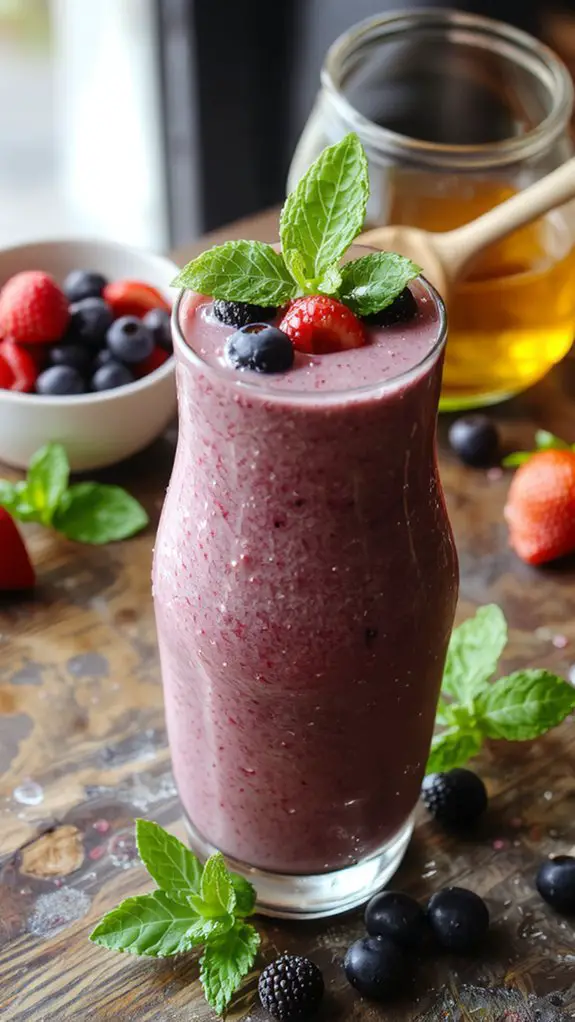

Leave a Review or Ask a Question
Your rating, tips, and questions help other home cooks. Tell us how it turned out or ask anything before you make it.