The Best Homemade Beignets Recipe
Indulge in fluffy, golden beignets—discover the secret to perfect homemade dough that melts in your mouth. This recipe will change your dessert game.
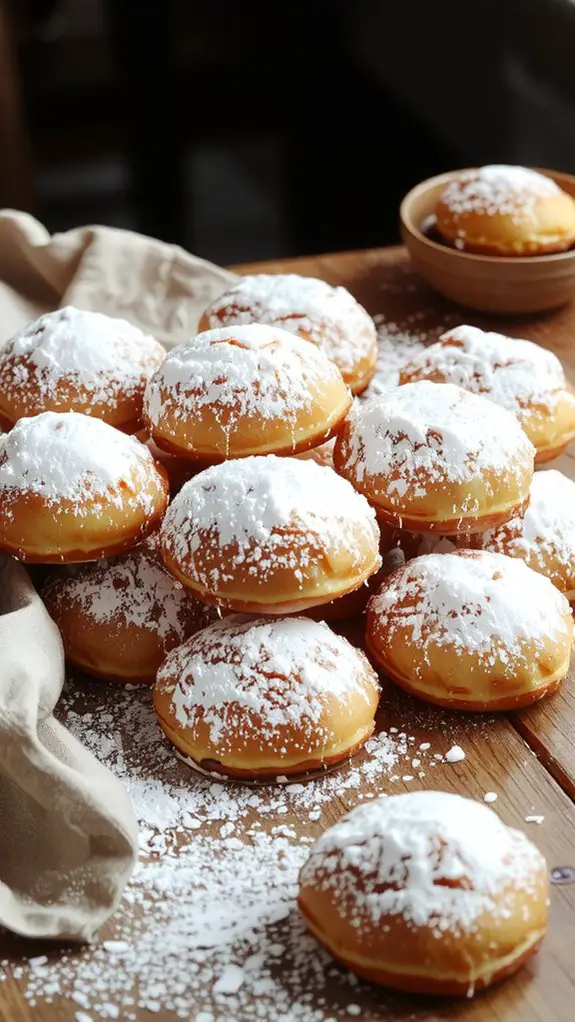
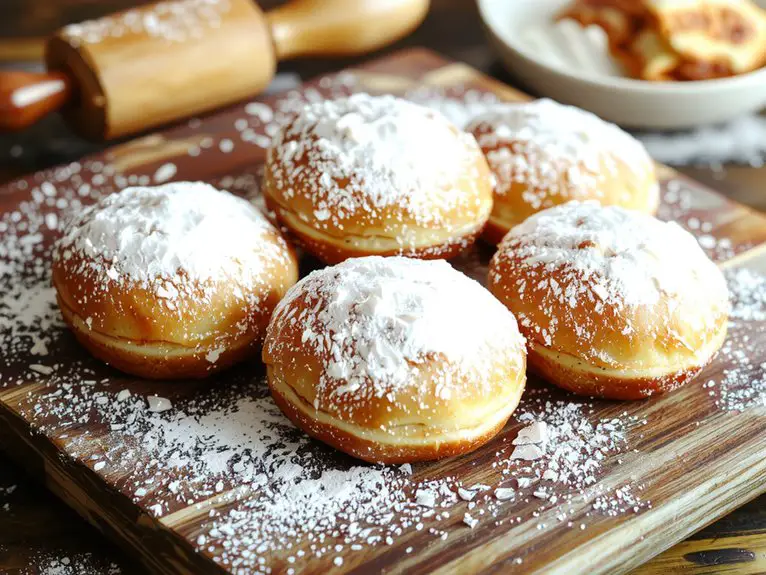
I’ve always found that the key to perfect beignets lies in the balance of texture—soft and airy on the inside, yet crisp and golden on the outside. Getting there requires precise timing and technique, from proofing the dough to frying it just right. Once you master those details, the result is a treat that feels like a warm hug. There’s a reason these are a classic—they’re worth every minute.
Recipe
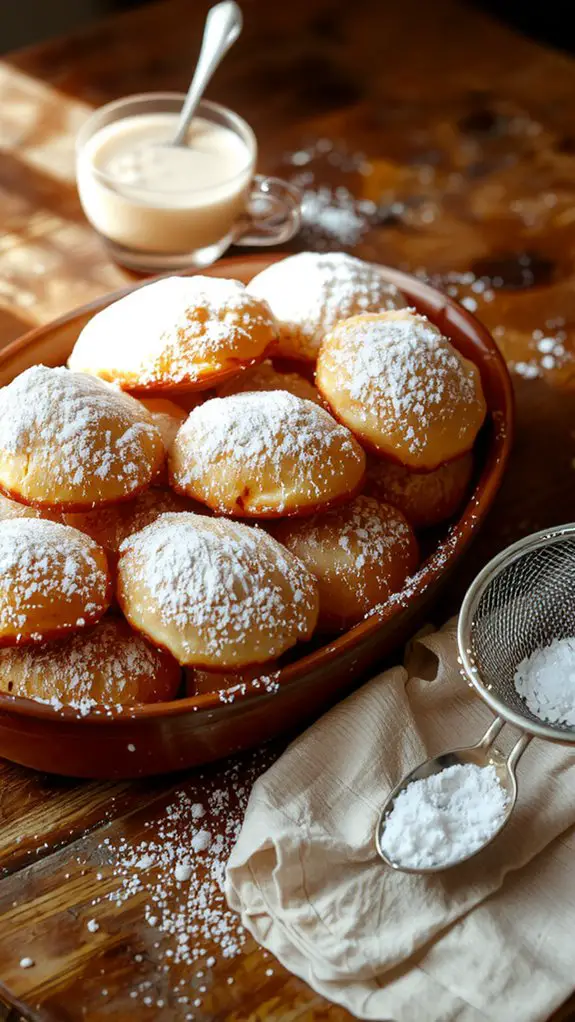
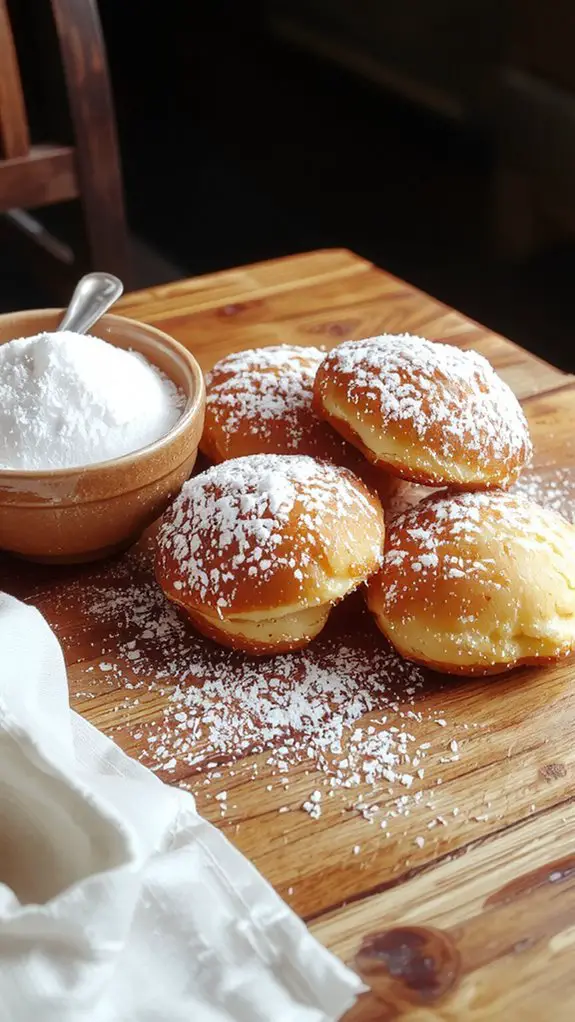
There’s something magical about biting into a warm, pillowy beignet—crisp on the outside, soft and airy inside, and dusted with a snowfall of powdered sugar.
If you’ve ever dreamed of bringing that New Orleans café experience into your kitchen, this recipe is your golden ticket. Forget store-bought; these homemade beignets are next-level delicious, thanks to a simple dough that’s lightly sweetened and fried to golden perfection.
I’ve tested this method countless times, and trust me, the moment you pull them out of the oil, you’ll be hit with that irresistible aroma of buttery, yeasty goodness.
Whether you’re serving them for brunch or as a sweet midnight treat, one bite will have everyone asking for seconds. Let’s make some magic happen!
Ingredients
The secret to perfect beignets lies in the ingredients—using the right flour and keeping your dough light are non-negotiables for that iconic airy texture. Here’s what you’ll need, with chef-approved swaps and insider tricks to nail it every time.
- All-purpose flour – The backbone of your dough. For extra-tender beignets, swap in ½ cup cake flour, but don’t go full cake flour or they’ll lack structure.
- Active dry yeast – Freshness matters! Test it in warm water with a pinch of sugar—if it doesn’t bubble, it’s dead.
- Whole milk – Adds richness. In a pinch, 2% works, but avoid skim—it’ll leave your beignets dry.
- Granulated sugar – Just enough to balance the yeast. Reduce slightly if you prefer less sweetness (but trust us, the powdered sugar shower later does the heavy lifting).
- Eggs – Room temperature blends smoother. Cold eggs can make the dough stubborn.
- Unsalted butter – Melted and cooled. Salted butter works in a pinch, but adjust added salt accordingly.
- Salt – Enhances flavor. Skip it, and your beignets will taste flat.
- Vegetable oil – For frying. Peanut oil is a stellar sub for a slightly nutty depth, but avoid olive oil—its smoke point is too low.
- Powdered sugar – The crowning glory. Sift it for a snow-like finish, and go heavy—there’s no such thing as too much here.
Pro Tip: Let your dough rise slowly in the fridge overnight for deeper flavor and easier handling.
Rushing it with a warm rise risks dense beignets.
How to Make the Best New Orleans-Style Beignets
- Activate the yeast first: Dissolve yeast and 1 tsp sugar in warm water (110°F—too hot kills yeast!). Let sit until foamy (~5 mins). This guarantees your dough rises properly.
- Mix wet ingredients: In a large bowl, whisk together egg, milk, salt, and remaining sugar. Add the yeast mixture. Pro tip: Use room-temperature ingredients for even mixing.
- Incorporate flour gradually: Add half the flour, mix until combined, then add softened butter.
Slowly add remaining flour until a sticky dough forms. Warning: Overmixing makes tough beignets—stop when just combined!
- Knead lightly: Turn dough onto a floured surface and knead for 2–3 mins until smooth. It should be soft but not sticky. Too much flour? Dough will be dense.
- Let dough rise: Place in a greased bowl, cover with a damp towel, and let rise in a warm spot until doubled (~1–2 hours). No rush—slow rises = better flavor!
- Roll and cut: Punch down risen dough, roll to ¼-inch thickness, and cut into squares. Keep them uniform for even frying.
- Fry to golden perfection: Heat oil to 370°F (use a thermometer!). Fry beignets 2–3 at a time until puffed and golden (1–2 mins per side).
Too crowded? Oil temp drops, leading to greasy beignets.
- Dust generously: Immediately toss fried beignets in powdered sugar while warm. Want extra flair? Add cinnamon or a drizzle of honey.
- Serve hot: Beignets are best fresh! If needed, reheat in a 350°F oven for 5 mins to crisp them back up.
Nutrition
Beignets are a delightful treat, but it’s important to be mindful of their nutritional content. Here’s an overview of the nutritional values per serving.
| Nutrient | Amount per Serving |
|---|---|
| Calories | 250 kcal |
| Total Fat | 12 g |
| Saturated Fat | 5 g |
| Cholesterol | 30 mg |
| Sodium | 200 mg |
| Total Carbs | 30 g |
| Dietary Fiber | 1 g |
| Sugars | 10 g |
| Protein | 4 g |
Chef Tips
To guarantee your beignets turn out light and fluffy every time, I recommend keeping the dough chilled before frying—it’ll help maintain their shape and texture.
Use a candy thermometer to monitor oil temperature, keeping it around 375°F.
Fry in small batches to avoid overcrowding.
Dust generously with powdered sugar while warm.
Serve immediately for the best experience—beignets are meant to be enjoyed fresh and hot.
What to Serve With This Recipe


Leave a Review or Ask a Question
Your rating, tips, and questions help other home cooks. Tell us how it turned out or ask anything before you make it.