The Best Homemade Rib Rub Recipe
Bursting with bold flavors, this homemade rib rub recipe creates the perfect crust—your ribs will never be the same after trying this secret blend.
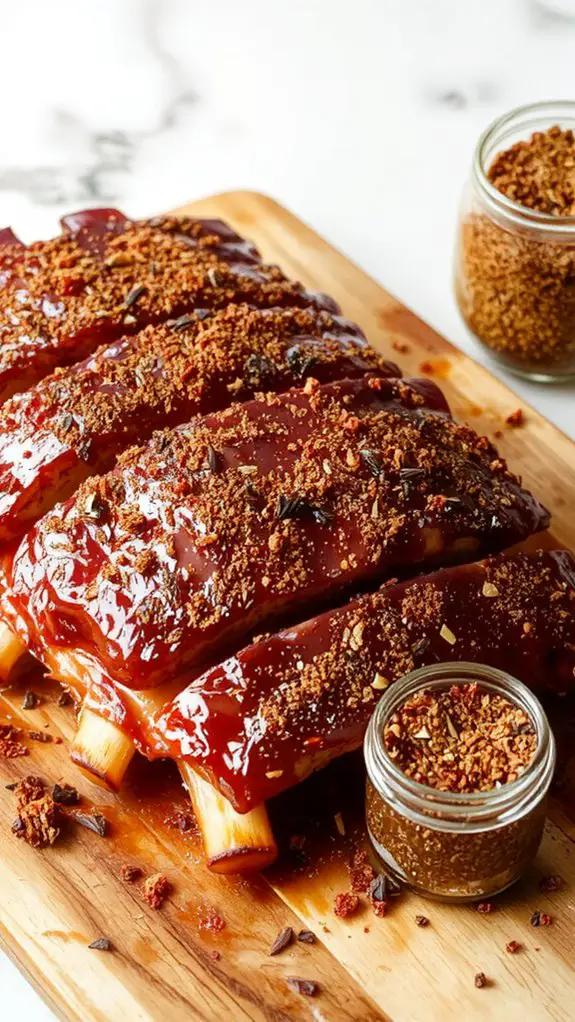
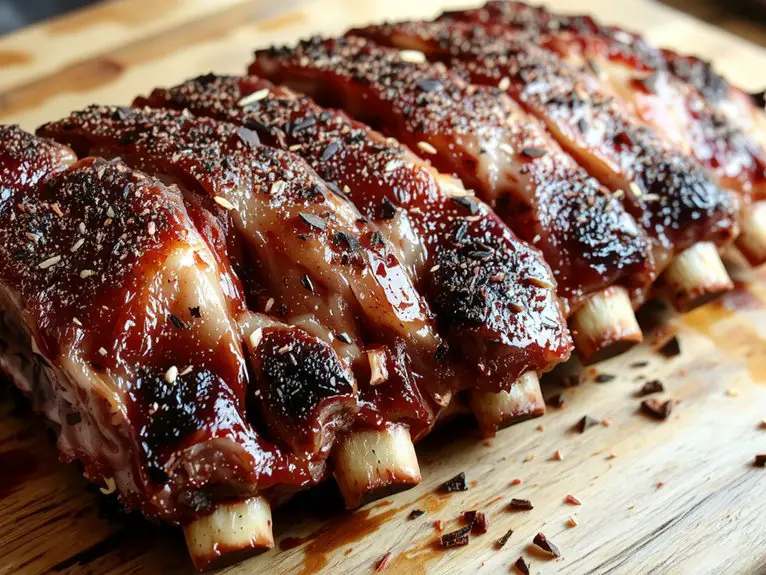
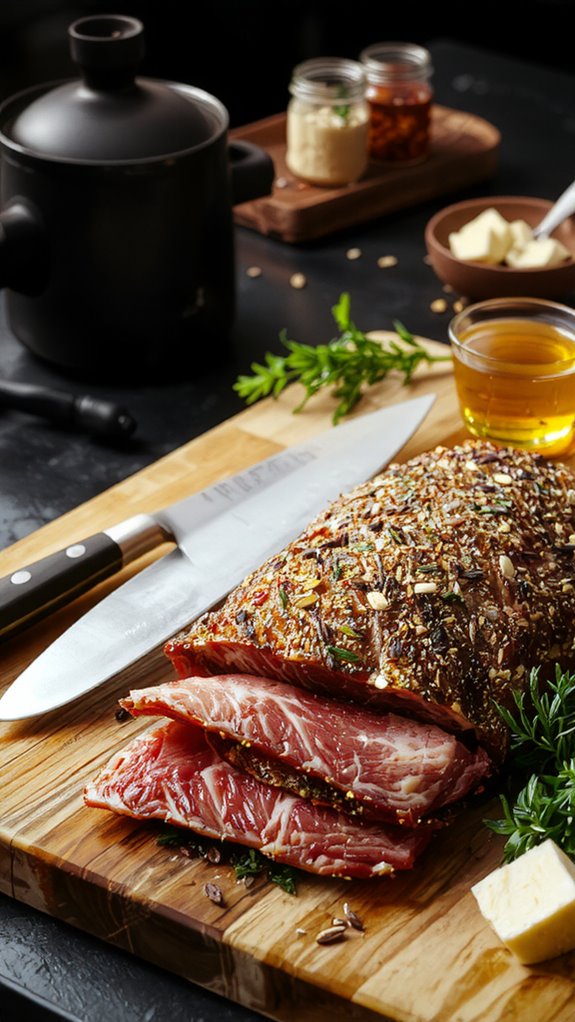
I’ve experimented with countless rib rubs over the years, and this one strikes the perfect balance of sweet, savory, and smoky. It’s easy to whip up with pantry staples, yet it transforms ribs into a dish that’s irresistibly tender and flavorful. The secret lies in the blend of spices and herbs that create a rich crust when grilled or slow-cooked. Trust me, this rub will elevate your ribs to a whole new level.
Recipe
There’s nothing quite like the rich, smoky depth of perfectly seasoned ribs—and this homemade rub is the secret weapon you didn’t know you needed. Trust me, once you try this blend of sweet, savory, and just the right kick of heat, you’ll never go back to store-bought again.
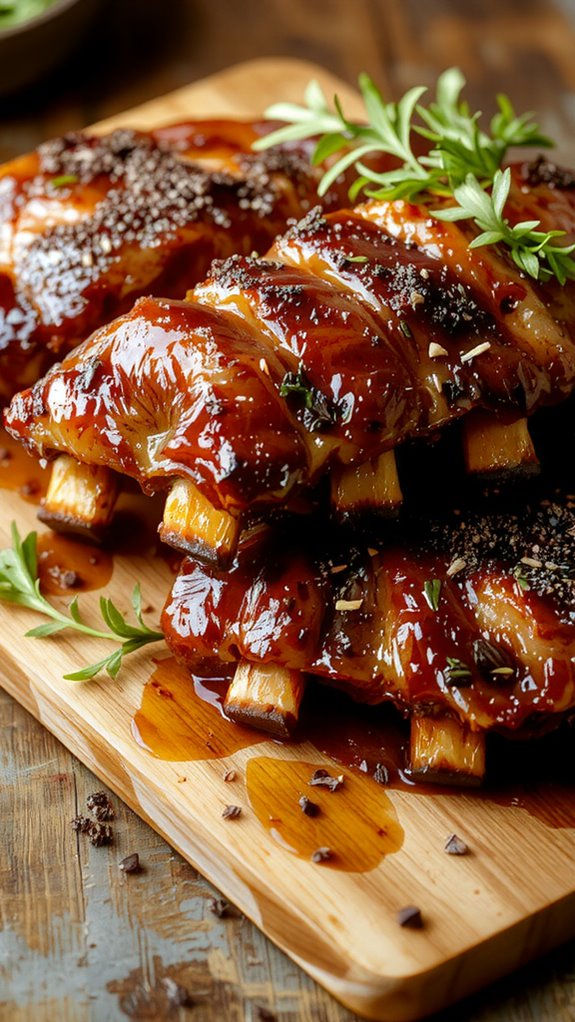
Imagine this: tender, fall-off-the-bone ribs with a caramelized crust that crackles with flavor—every bite packed with warmth from paprika, a hint of brown sugar sweetness, and a whisper of garlic and chili that lingers just long enough to keep you reaching for more.
Whether you’re firing up the grill or slow-cooking in the oven, this rub is foolproof and guaranteed to turn your ribs into the star of the table. Let’s make magic happen.
Ingredients
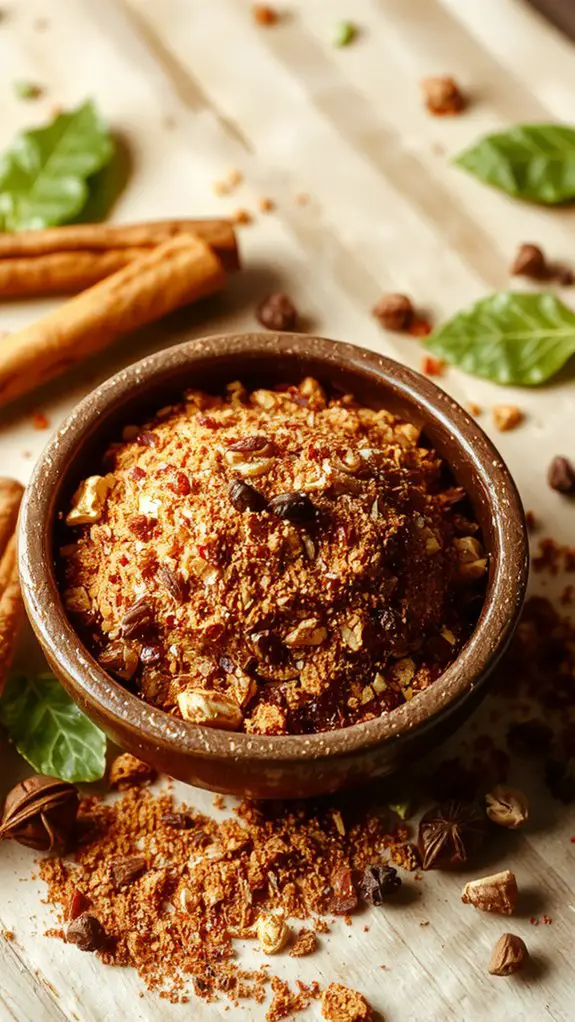
A great rib rub is all about balancing flavors—sweet, smoky, salty, and spicy—while enhancing the natural richness of the meat. This recipe uses pantry staples but packs a punch. Don’t shy away from experimenting with ratios or substitutions to make it your own. Here’s what you’ll need:
- Brown Sugar (1/4 cup): Adds sweetness and helps create a caramelized crust. Light or dark brown sugar works, but dark brings a deeper molasses flavor.
- Kosher Salt (2 tablespoons): Essential for seasoning. Avoid table salt—its finer texture can make the rub too salty.
- Paprika (2 tablespoons): Smoked paprika is ideal for that smoky depth, but sweet paprika works in a pinch.
- Garlic Powder (1 tablespoon): Provides a savory kick. Fresh garlic can burn, so stick with powder for the rub.
- Onion Powder (1 tablespoon): Adds a subtle sweetness and umami.
- Black Pepper (1 tablespoon): Freshly ground is best for maximum flavor.
- Chili Powder (1 tablespoon): For a mild heat. Adjust the amount or use cayenne pepper if you like it spicier.
- Mustard Powder (1 teaspoon): An underrated ingredient that adds tang and helps the rub stick to the ribs.
- Cumin (1 teaspoon): Brings a warm, earthy note.
- Optional Add-Ins: A pinch of cayenne for extra heat, or a teaspoon of dried herbs like thyme or oregano for complexity.
Pro tip: Store any leftover rub in an airtight container—it’ll stay fresh for months and can double as a seasoning for chicken, pork chops, or roasted veggies.
How to Make the Best Traditional Rib Rub Formula
- Use leftovers creatively – Sprinkle extra rub on chicken, roasted veggies, or even popcorn for a smoky, savory twist.
- Just remember it’s already salted, so adjust other seasonings accordingly.
- Watch for sugar burn – If grilling or smoking at high heat, the brown sugar can caramelize quickly.
- Keep temps low (225–250°F) or wrap ribs in foil after the first hour to prevent charring.
Nutrition
The nutrition information provided is based on the ingredients used in the homemade rib rub recipe. Nutritional values may vary depending on specific brands and quantities.
| Nutrient | Amount Per Serving |
|---|---|
| Calories | 10 kcal |
| Sodium | 480 mg |
| Carbohydrates | 2 g |
| Sugar | 1 g |
| Protein | 0 g |
| Fat | 0 g |
Chef Tips
When making a rib rub, I recommend balancing flavors to enhance both taste and texture. Use sugar for caramelization, salt for seasoning, and spices for depth. Always adjust the ratio based on your preference—don’t overdo the heat if you’re sensitive.
Apply the rub generously, letting it sit overnight for maximum flavor. Experiment with smoked paprika or coffee for unique twists. Consistency matters—keep it fine for even coating.
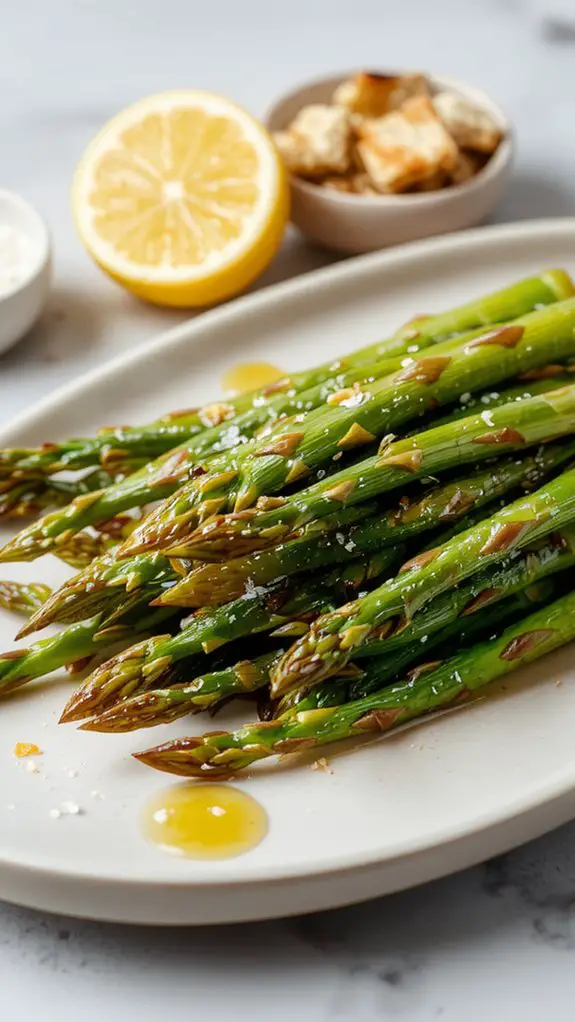
What to Serve With This Recipe

Leave a Review or Ask a Question
Your rating, tips, and questions help other home cooks. Tell us how it turned out or ask anything before you make it.