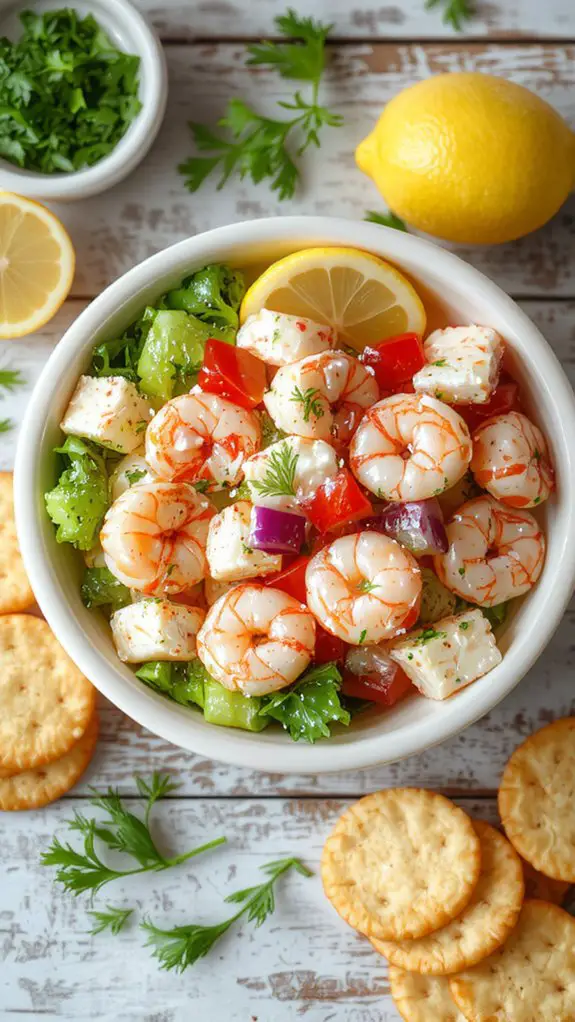
I’ve always found shrimp to be incredibly versatile, but finding the perfect recipe took some trial and error. The key lies in balancing fresh ingredients with a few simple techniques. Garlic, butter, and a hint of lemon elevate the shrimp’s natural sweetness without overpowering it. If you’re looking for a dish that’s quick yet impressive, this recipe might just be what you’ve been searching for.
Recipe
There’s something magical about perfectly cooked shrimp—juicy, tender, and packed with flavor—and this homemade recipe is the easiest way to nail it every time. Whether you’re a seafood lover or just looking for a quick, impressive dish, this recipe delivers restaurant-quality results with minimal effort.
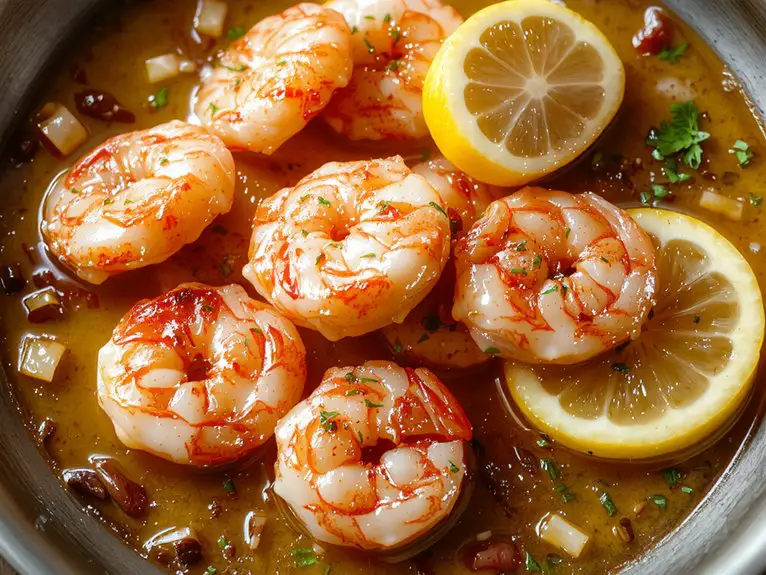
The secret? A simple yet bold marinade that lets the natural sweetness of the shrimp shine, plus a quick sear to lock in all that deliciousness. Imagine this: plump, garlicky shrimp with a hint of citrus and a touch of heat, all coming together in under 15 minutes.
Trust me, once you try this, it’ll become your go-to for weeknight dinners, date nights, or even last-minute entertaining. Let’s get cooking!
Ingredients
Great shrimp dishes start with quality ingredients—freshness is non-negotiable, but smart swaps can save the day. Here’s what you’ll need to make this recipe shine:
- Fresh shrimp (16/20 count): Opt for wild-caught if possible—they’re sweeter and firmer. Frozen works too (thaw in cold water!), but avoid pre-cooked.
- Butter (unsalted): The base for richness. Salted butter? Just adjust added salt later.
- Garlic (freshly minced): Powder is a last resort—fresh garlic adds depth you can’t fake.
- Lemon (juice + zest): Brightness is key. Bottled juice lacks punch, but in a pinch, a dash of white wine vinegar works.
- Olive oil: Extra virgin for flavor, but any neutral oil (like avocado) will do.
- Red pepper flakes: For heat. Skip if sensitive, or sub with smoked paprika for a smoky twist.
- Parsley (fresh): Flat-leaf packs more flavor. Dried? Use half the amount, but fresh is worth it.
- Salt & black pepper: Diamond Crystal kosher salt blends evenly; freshly cracked pepper is a must.
Pro tip: Pat shrimp *dry* before cooking—soggy shrimp won’t sear properly.
And if you’re feeling fancy, a splash of dry white wine deglazes the pan like a pro.
How to Make the Best Garlic Butter Shrimp Recipe
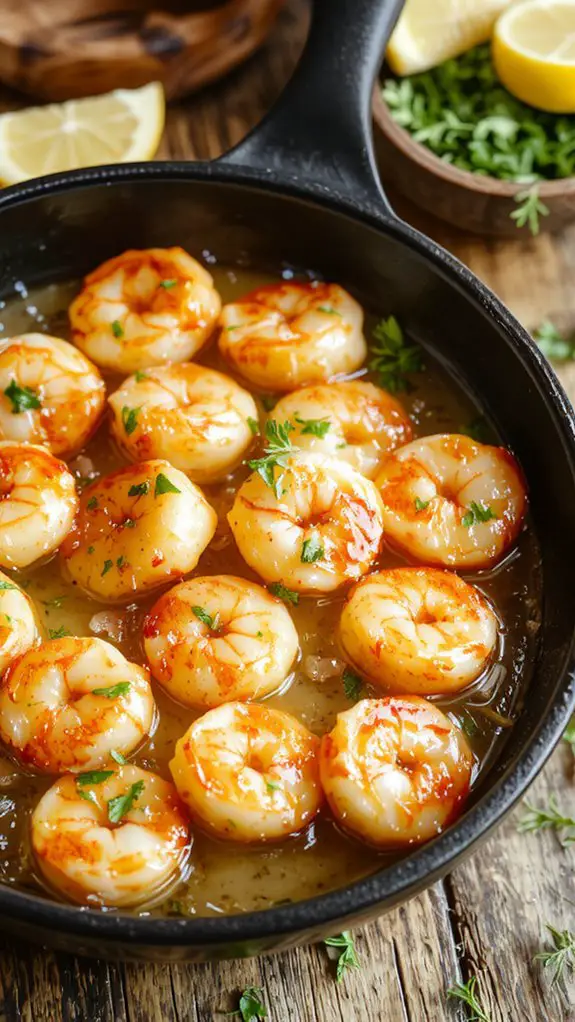
- Prepare the shrimp: Start by peeling and deveining the shrimp, leaving the tails on for presentation if desired. Pat them dry with paper towels to guarantee they sear properly rather than steam.
- Season the shrimp: Lightly season the shrimp with salt and pepper. This step makes certain the shrimp are flavorful from the inside out.
- Melt the butter: In a large skillet, melt butter over medium heat. Using unsalted butter allows you to control the seasoning, but salted butter works if adjusted accordingly.
- Sauté the garlic: Add minced garlic to the melted butter and cook until fragrant, about 30 seconds. Be careful not to burn the garlic, as it can turn bitter.
- Cook the shrimp: Add the shrimp to the skillet in a single layer. Cook for 2-3 minutes on each side, or until they turn pink and opaque. Overcooking can make them rubbery, so keep an eye on them.
- Deglaze the pan (optional): For added flavor, splash in a bit of white wine or lemon juice to deglaze the pan, scraping up any browned bits. Simmer for 1-2 minutes to reduce slightly.
- Finish with herbs: Stir in chopped parsley or cilantro for a fresh, vibrant finish. Toss the shrimp to coat them evenly in the buttery garlic sauce.
- Serve immediately: Plate the shrimp with your choice of sides, such as rice, pasta, or crusty bread to soak up the sauce.
- Pro tip: For extra richness, add a tablespoon of heavy cream or a sprinkle of Parmesan cheese before serving.
- Watch out alert: Avoid crowding the skillet; cook in batches if necessary to confirm even cooking.
Nutrition
Shrimp is a nutritious seafood option that provides a variety of essential nutrients. Below is the nutritional breakdown per serving of shrimp.
| Nutrient | Amount per Serving |
|---|---|
| Calories | 99 kcal |
| Protein | 24 g |
| Fat | 0.3 g |
| Carbohydrates | 0.2 g |
| Cholesterol | 189 mg |
| Sodium | 111 mg |
| Potassium | 220 mg |
| Vitamin D | 0.1 mcg |
| Calcium | 70 mg |
| Iron | 0.5 mg |
| Magnesium | 37 mg |
Chef Tips
While cooking shrimp, I always recommend keeping a close eye on the timing since they cook quickly and can become rubbery if overcooked.
I prefer using fresh shrimp when possible, but thawed frozen shrimp works well too.
Don’t skip deveining—it improves texture and flavor.
Finally, I toss them with a pinch of salt before cooking to enhance their natural taste without overpowering it.