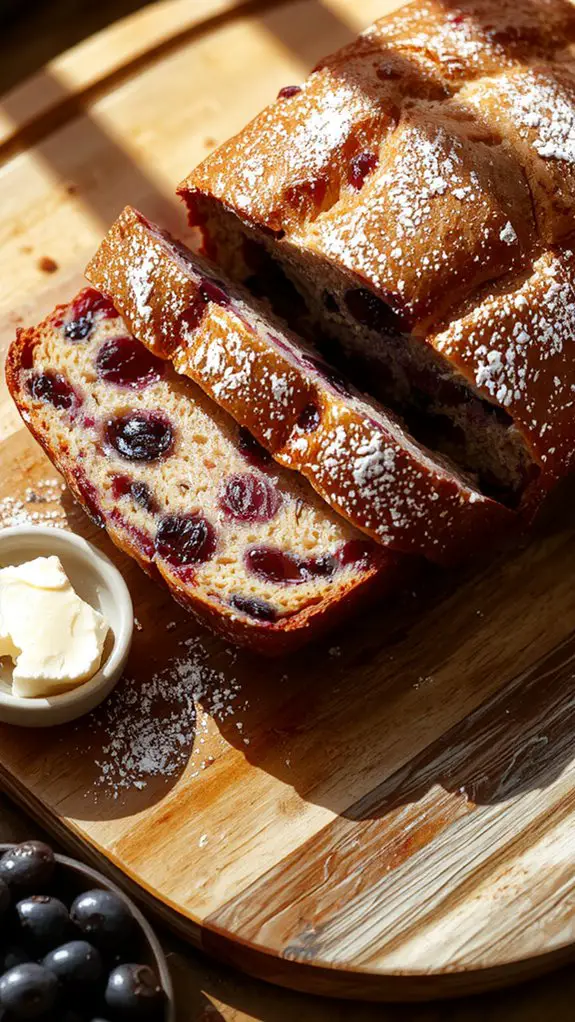
The Best Homemade Quick Bread Recipe
Crave perfectly tender quick bread with a crisp edge, but the secret's in the method—discover what makes this recipe unbeatable.
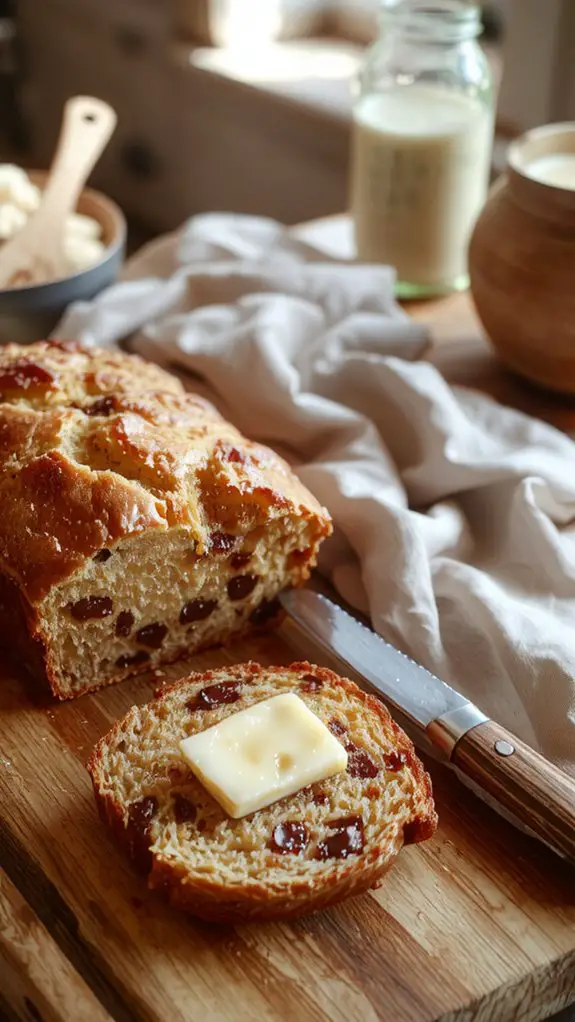
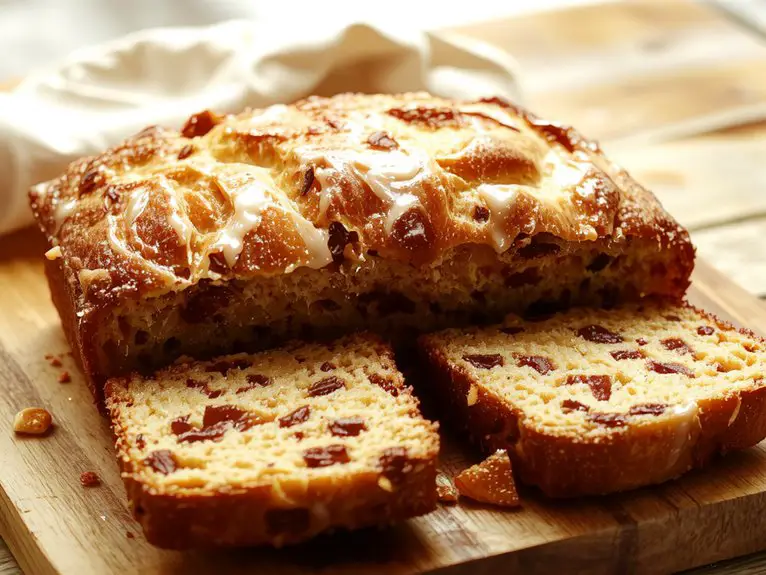
I’ve always found quick bread to be the perfect solution when I need something satisfying yet simple. What makes this recipe stand out is its versatility—whether you’re craving something sweet or savory, it adapts effortlessly. The method guarantees a tender crumb with just the right crispness on the edges. Curious about how to achieve that balance with minimal effort? There’s a trick to it that’s worth exploring.
Recipe
This quick bread recipe is the ultimate kitchen hack for when you want something deliciously homemade without the fuss—I’ve made it countless times, and it’s always a crowd-pleaser.
What makes it special? A perfect blend of simplicity and flavor, with a tender crumb and a slightly crisp crust that’s downright irresistible.
Whether you’re craving a sweet slice with your morning coffee or a savory companion to a hearty soup, this recipe adapts effortlessly.
Bonus: it’s practically foolproof, so even if you’re a baking novice, you’ll nail it on the first try. Trust me, once you smell this bread baking in your oven, you’ll wonder why you didn’t start sooner.
Ingredients
Crafting the perfect quick bread starts with the right ingredients. Each component plays a vital role in achieving that tender crumb and irresistible flavor. Whether you’re a seasoned baker or a first-timer, these foundational elements guarantee success. Feel free to adapt based on what’s in your pantry—this recipe is forgiving and flexible.
- All-purpose flour: The backbone of the bread. Use unbleached for a softer texture.
- Sugar: Granulated sugar adds sweetness and helps with browning. Substitute with honey or maple syrup for a deeper flavor.
- Baking powder and baking soda: A must-have combo for the perfect rise. Don’t skip these—they’re non-negotiable!
- Salt: Enhances all flavors. Use fine sea salt for even distribution.
- Eggs: They bind the ingredients and add richness. For a vegan option, try flax eggs.
- Oil or melted butter: Oil keeps the bread moist longer, but butter adds richness. Choose based on preference.
- Buttermilk: Adds tang and tenderness. No buttermilk? Combine whole milk with a splash of vinegar or lemon juice.
- Vanilla extract: Elevates the flavor profile. Real vanilla is worth the splurge.
- Optional add-ins: Fresh berries, nuts, or chocolate chips take it to the next level.
Pro tip: Always measure flour correctly—spoon it into the measuring cup and level it off. Too much flour can make your bread dense.
Experiment with flavors, but don’t skimp on the basics—they’re the foundation of a winning loaf.
How to Make the Best Quick Bread Baking Steps
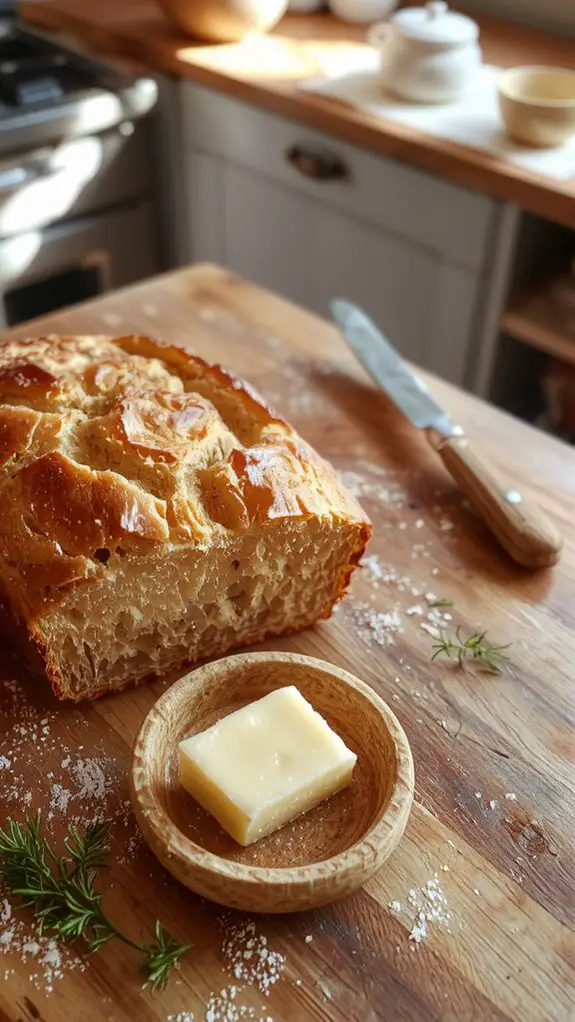
Preheat your oven to 350°F (175°C) and grease a 9×5-inch loaf pan. A properly preheated oven guarantees even baking, and greasing the pan prevents sticking—trust me, no one wants a loaf that won’t come out!
In a large bowl, whisk together 2 cups of all-purpose flour, 1 cup of sugar, 1 tablespoon of baking powder, and 1/2 teaspoon of salt. Whisking these dry ingredients thoroughly assures an even distribution of leavening agents, which is key for a perfectly risen bread.
In a separate bowl, combine 1 cup of milk, 1/3 cup of melted butter, 1 teaspoon of vanilla extract, and 2 large eggs. Mixing the wet ingredients separately allows for easier incorporation into the dry mix, preventing overmixing later.
Pro tip: Let the melted butter cool slightly so it doesn’t cook the eggs!
Gradually add the wet ingredients to the dry ingredients, stirring just until combined. Overmixing can lead to a dense loaf, so stop as soon as no streaks of flour remain. The batter should be lumpy, and that’s okay—it’s a sign you’ve mixed just enough.
If adding mix-ins like nuts, chocolate chips, or fruit, gently fold them in now. Coating mix-ins with a bit of flour beforehand helps prevent them from sinking to the bottom of the loaf during baking.
Pour the batter into the prepared loaf pan and smooth the top with a spatula. This secures an even bake and a pretty, level loaf.
Bake for 50-60 minutes, or until a toothpick inserted into the center comes out clean. Oven temperatures can vary, so start checking at the 50-minute mark. If the top browns too quickly, tent it loosely with aluminum foil.
Let the bread cool in the pan for 10 minutes, then transfer it to a wire rack to cool completely. Cooling in the pan helps the loaf set, but leaving it too long can create moisture, making it soggy.
Slice and enjoy! Store leftovers wrapped in plastic wrap or in an airtight container for up to 3 days. For longer storage, freeze slices individually and thaw as needed.
Nutrition
This homemade quick bread recipe is not only easy to make but also provides essential nutrients. Below is the nutritional information per serving.
| Nutrient | Amount per Serving |
|---|---|
| Calories | 180 kcal |
| Total Fat | 6 g |
| Saturated Fat | 1 g |
| Cholesterol | 20 mg |
| Sodium | 250 mg |
| Total Carbohydrates | 28 g |
| Dietary Fiber | 1 g |
| Sugars | 10 g |
| Protein | 4 g |
Chef Tips
To make sure your quick bread turns out perfectly every time, I always recommend using room-temperature ingredients—it helps everything blend smoothly.
Don’t overmix the batter; a few lumps are fine.
Grease your pan well or use parchment paper to prevent sticking.
Let the bread cool slightly before slicing—it’ll hold its shape better.
These small steps make a big difference in texture and flavor.
What to Serve With This Recipe
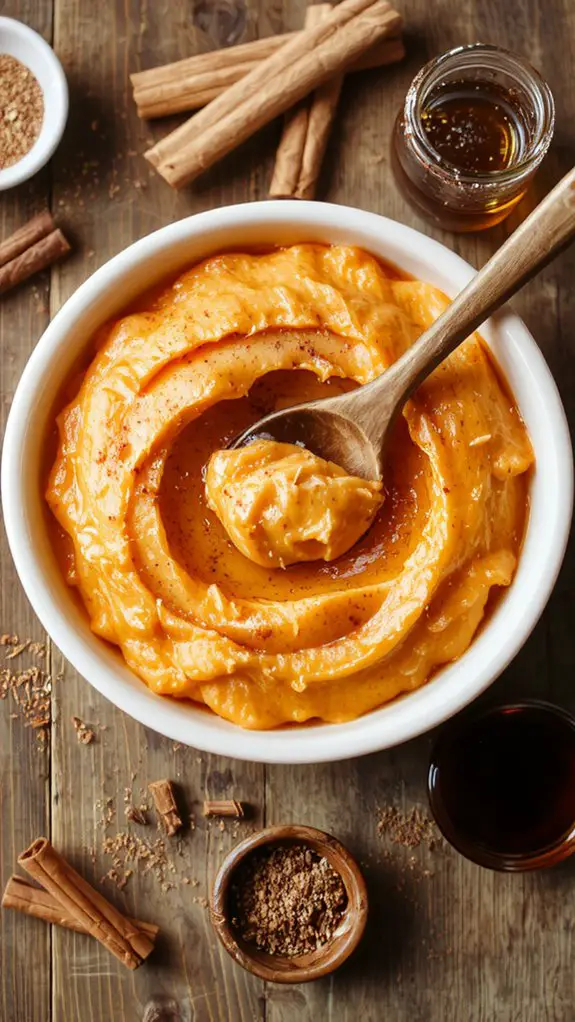
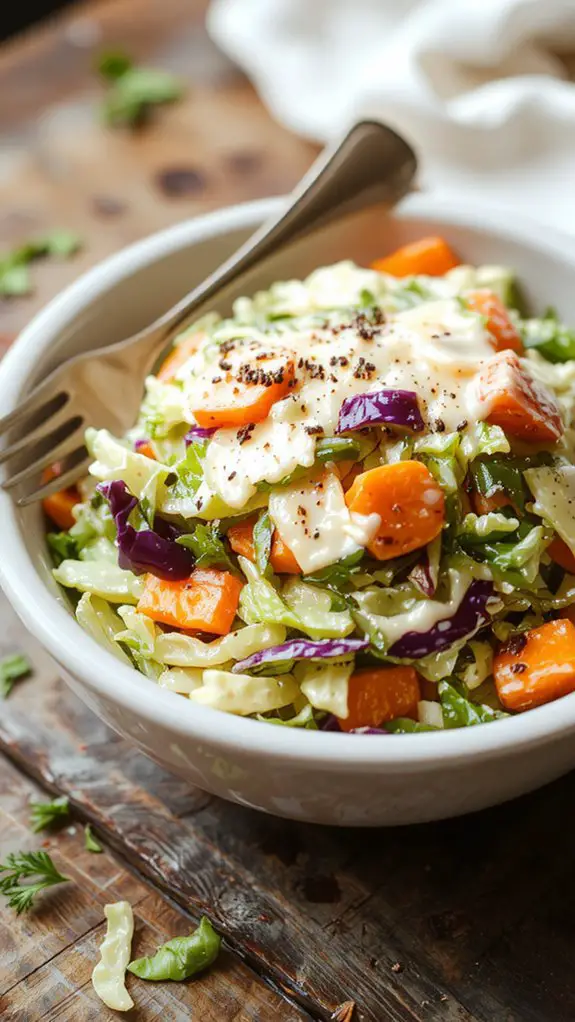
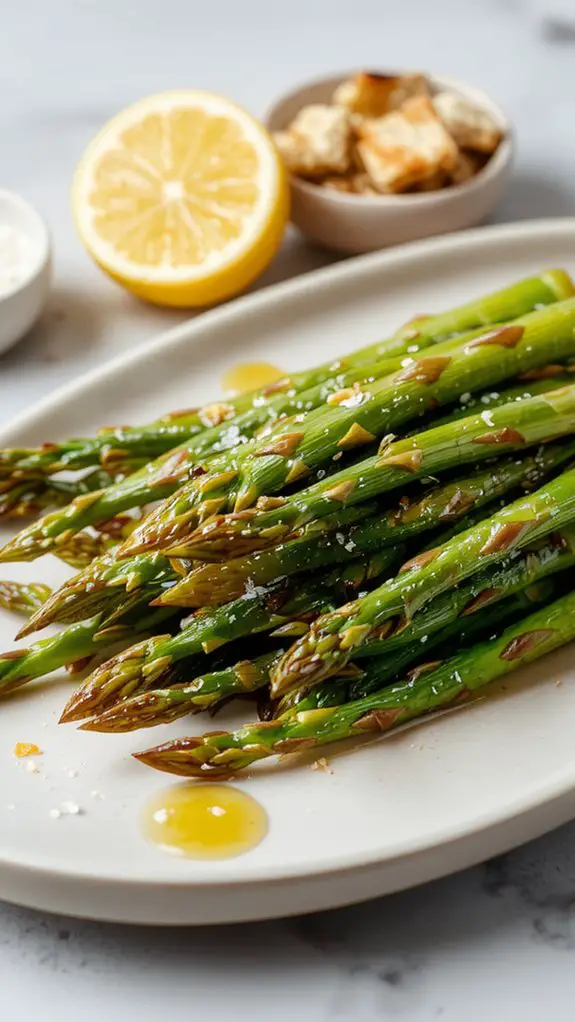

Leave a Review or Ask a Question
Your rating, tips, and questions help other home cooks. Tell us how it turned out or ask anything before you make it.