The Best Homemade Balsamic Glaze Recipe
Achieve restaurant-quality balsamic glaze at home with this easy recipe—perfect for elevating any dish. Discover the secret to its rich, velvety finish.
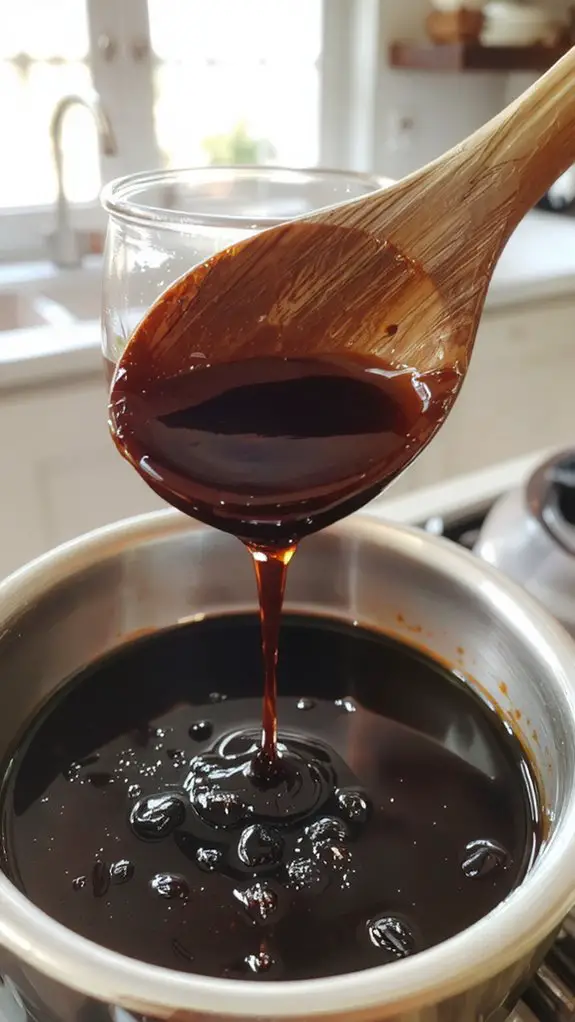
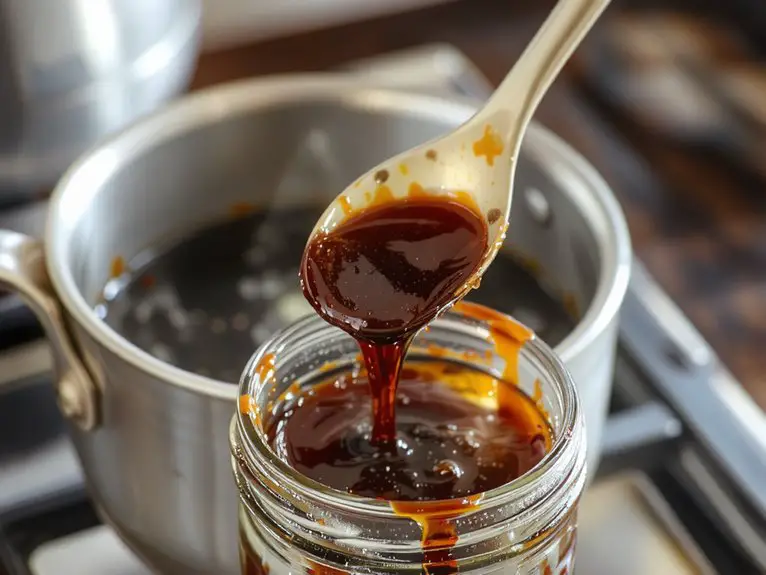
I’ve spent years perfecting my balsamic glaze recipe, and I’m convinced it’s the best you’ll find. The secret lies in balancing the vinegar’s sharpness with just the right amount of sweetness, simmered to a velvety consistency. Whether you’re dressing a salad or finishing a steak, this glaze adds a touch of elegance. But there’s more to it—wait until you see how simple it is to make at home.
Recipe
There’s something magical about a good balsamic glaze—it’s sweet, tangy, and just a little bit luxurious, turning even the simplest dishes into something special.
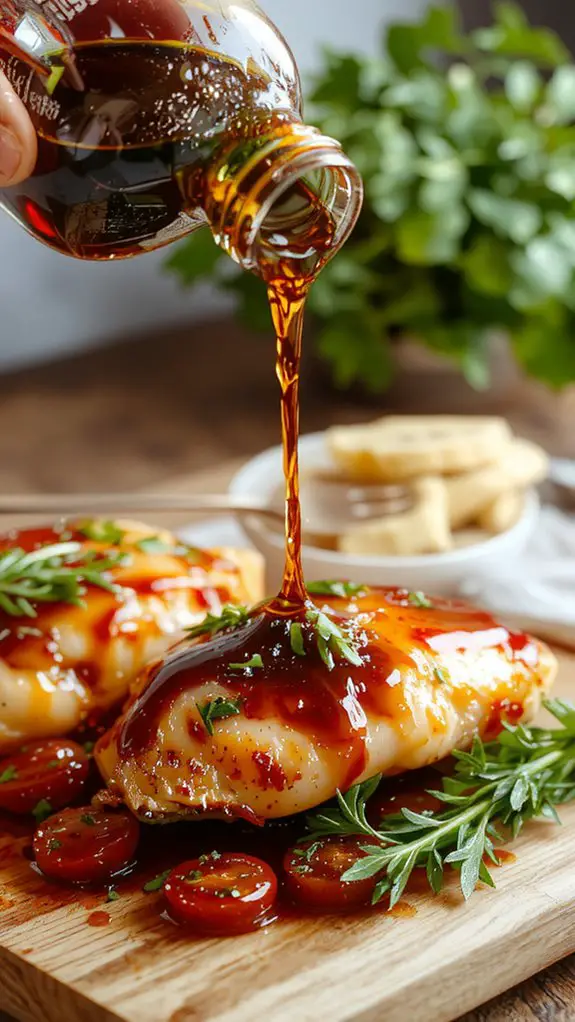
This homemade version? It’s a game-changer. No fancy ingredients, no complicated steps—just rich, velvety goodness that clings to everything from roasted veggies to grilled meats (or even strawberries, if you’re feeling adventurous).
I’ve made this more times than I can count, and trust me, once you taste it, you’ll never go back to store-bought.
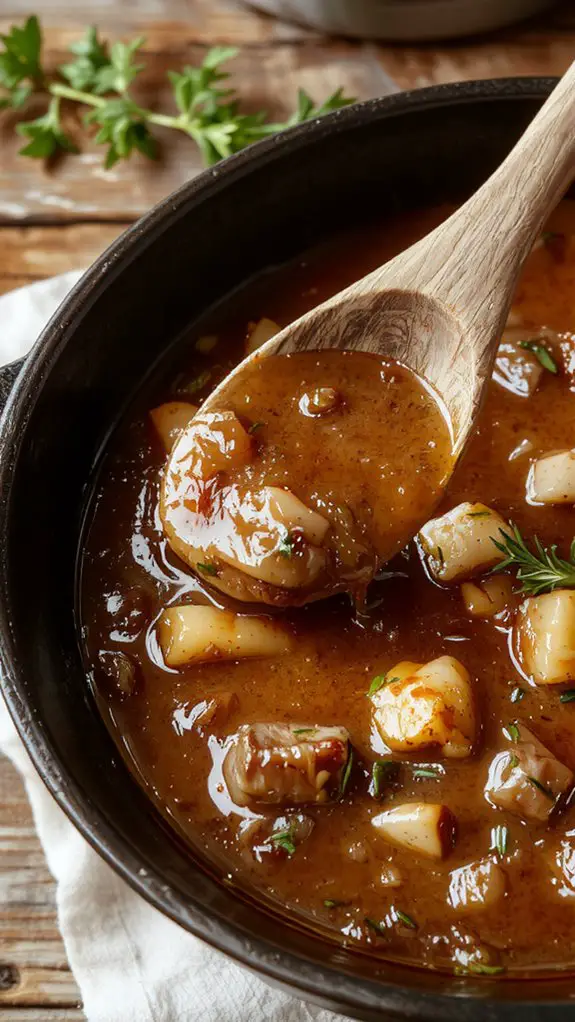
The secret? Simmering it low and slow until it’s thick enough to coat the back of a spoon, with a deep, caramelized flavor that’s balanced by a touch of honey.
It’s the kind of kitchen trick that makes you feel like a pro, and the best part? It takes just 10 minutes. Get ready to drizzle it on *everything*.
Ingredients
When it comes to making a balsamic glaze, the ingredient list is short but mighty. Every component plays a pivotal role in achieving that perfect balance of sweet, tangy, and syrupy goodness. Here’s what you’ll need, plus some insider tips to get it just right:
- Balsamic Vinegar: Opt for a high-quality, aged balsamic vinegar—this is the backbone of your glaze. The better the vinegar, the richer the flavor. (Non-negotiable!)
- Honey or Brown Sugar: Adds sweetness to balance the vinegar’s acidity. Honey offers floral notes, while brown sugar brings a caramel depth. Choose based on your preference.
- Optional Add-ins:
- Garlic: For a savory twist, mince a clove and let it simmer with the vinegar.
- Rosemary or Thyme: A sprig infuses aromatic complexity.
- Red Pepper Flakes: A pinch adds a subtle heat for those who like a kick.
Pro Tip: Whatever you do, don’t skimp on the vinegar. A cheap, overly acidic balsamic will result in a lackluster glaze. Spend a little more for that aged, complex flavor—it’s worth it!
How to Make the Best Balsamic Glaze Preparation Steps
- Measure your ingredients accurately. Start with 1 cup of balsamic vinegar and 1/4 cup of honey or sugar. Precision guarantees the glaze thickens properly and has the right balance of sweet and tangy flavors.
- Combine ingredients in a saucepan. Pour the balsamic vinegar and honey (or sugar) into a small saucepan. Using a non-reactive pan (like stainless steel) prevents the vinegar from reacting with the material, which could alter the flavor.
- Simmer gently over medium-low heat. Bring the mixture to a simmer, stirring occasionally. Avoid boiling vigorously, as this can cause the glaze to burn or become overly bitter. A slow simmer allows the liquid to reduce evenly.
- Watch for the right consistency. Let the mixture reduce by half, which usually takes 15-20 minutes. The glaze should coat the back of a spoon and drip slowly when ready. Over-reducing can make it too thick and sticky.
- Cool before using. Remove the glaze from the heat and let it cool in the pan. It will continue to thicken as it cools. Pouring it into a glass jar or bottle makes it easier to store and drizzle later.
- Store properly. Keep the glaze in an airtight container in the fridge for up to 2 weeks. If it thickens too much, gently reheat it on the stove or in the microwave with a splash of water to loosen it.
- Pro tip: Use quality ingredients. A good balsamic vinegar (aged, if possible) makes a significant difference in flavor. Skip the cheap, overly acidic options for a smoother, richer glaze.
- Watch out for over-reducing. If the glaze becomes too thick or syrupy while cooking, add a teaspoon of water at a time to thin it out to your desired consistency.
Nutrition
Balsamic glaze is a versatile condiment that adds depth to dishes. Here’s the nutritional breakdown per serving:
| Calories | Fat (g) | Carbs (g) | Sugars (g) | Protein (g) | Sodium (mg) |
|---|---|---|---|---|---|
| 60 | 0 | 15 | 14 | 0 | 10 |
Chef Tips
To achieve the perfect consistency for your balsamic glaze, I recommend simmering it slowly over low heat until it reduces by about half. Use a high-quality balsamic vinegar for depth of flavor, and don’t add sugar unless you prefer extra sweetness.
Stir occasionally to prevent burning. Let it cool before storing—it’ll thicken further. A drizzle over salads, meats, or desserts elevates any dish effortlessly.
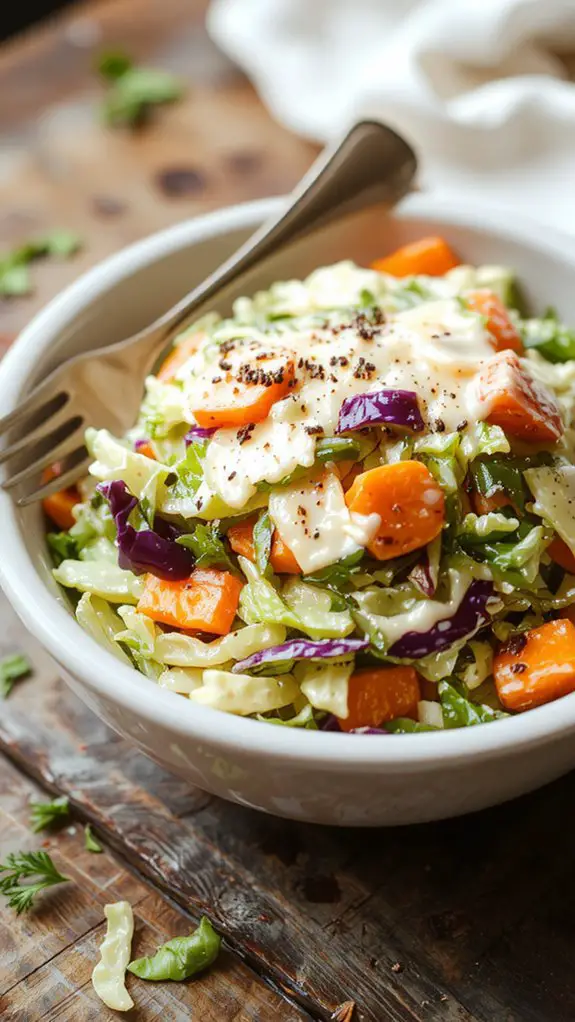
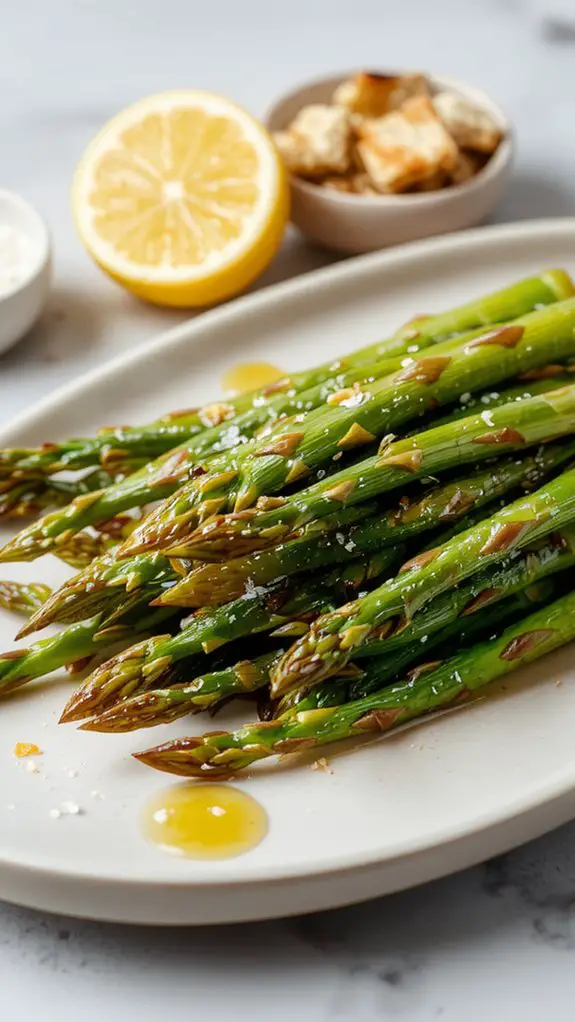
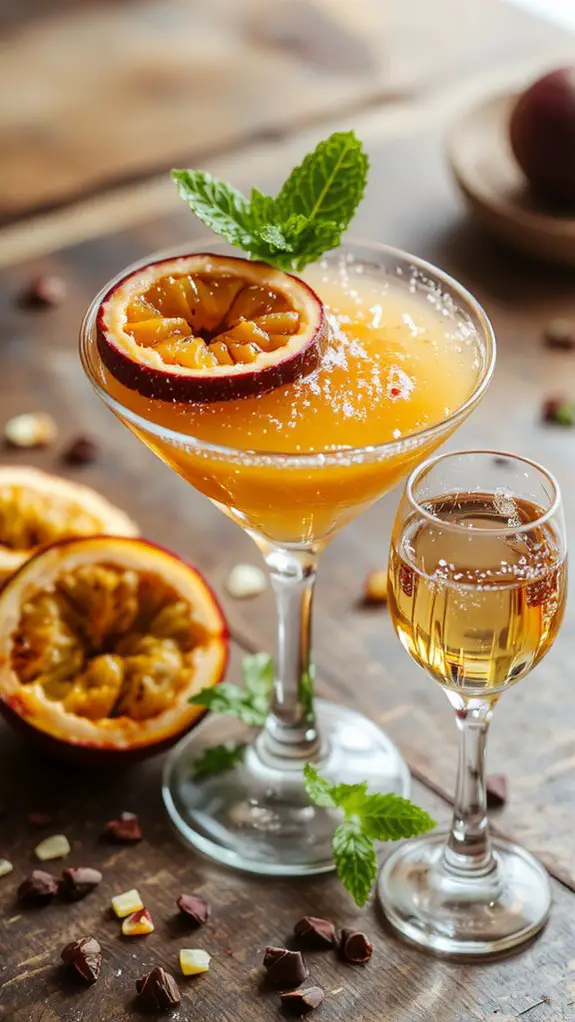
What to Serve With This Recipe
Leave a Review or Ask a Question
Your rating, tips, and questions help other home cooks. Tell us how it turned out or ask anything before you make it.