
I’ve cracked the code to perfect hard-boiled eggs, and I’m sharing the method that never fails me. It’s all about timing and temperature, but there’s a trick most recipes don’t mention. If you’ve ever struggled with rubbery whites or green-tinged yolks, this approach solves both. The secret lies in what you do after boiling—wait until you see how simple it is to get creamy yolks and easy-peel shells every time.
Recipe
I can officially say this is the *only* hard-boiled egg recipe you’ll ever need—perfectly creamy yolks, firm whites, and zero guessing.
What makes it special? It’s all about timing and technique. Trust me, once you nail this method, you’ll never overcook or undercook an egg again.
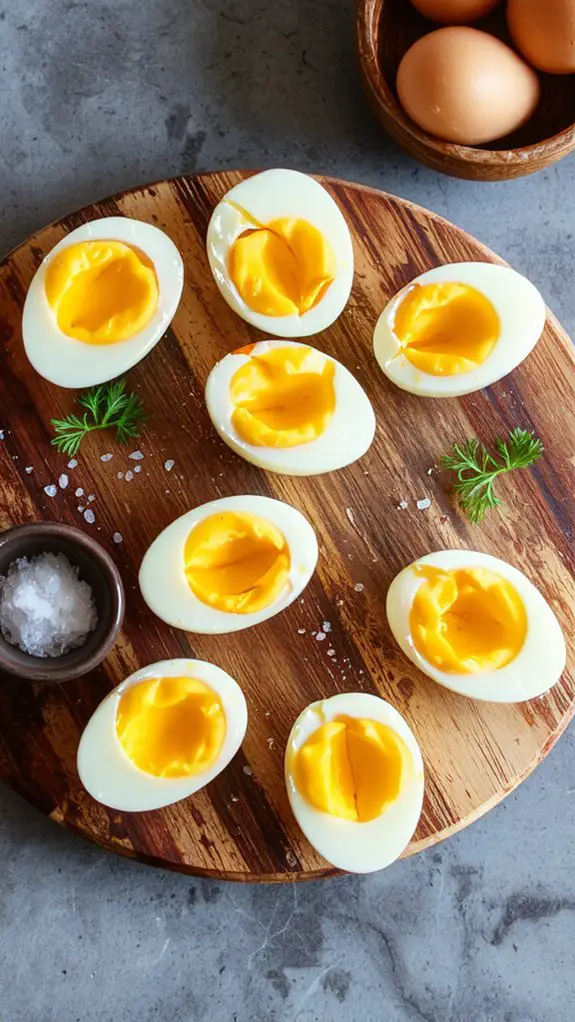
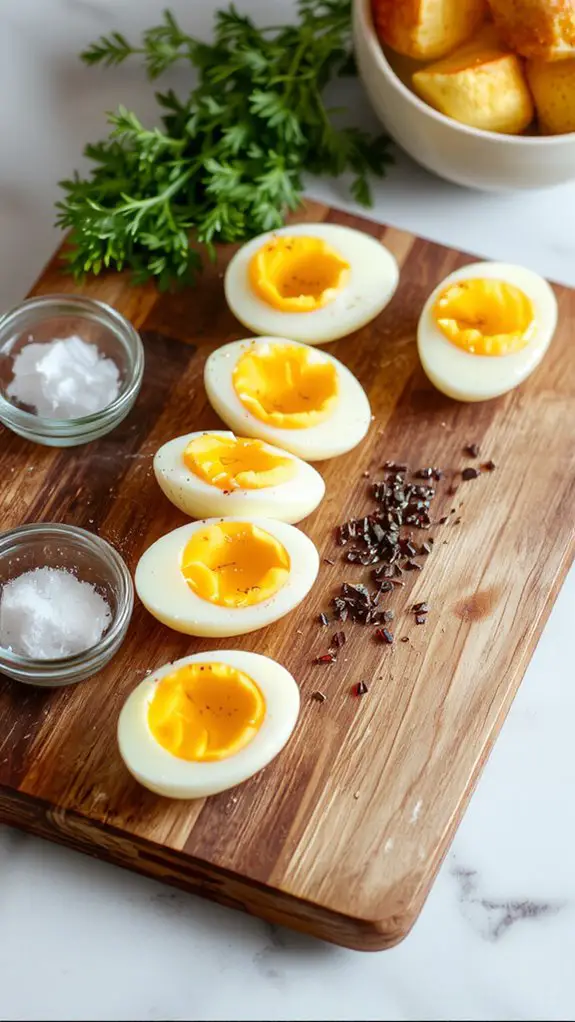
Imagine this: a velvety, sunshine-yellow yolk that’s tender but not dry, paired with a smooth, easy-to-peel white.
Whether you’re meal prepping, making deviled eggs, or just craving a quick protein-packed snack, these eggs are your go-to. Plus, they’re so simple, you’ll wonder why you ever thought boiling eggs was intimidating.
Let’s get cracking—literally.
Ingredients
Hard-boiled eggs are a kitchen staple, but the secret to perfect results lies in the simplicity and quality of your ingredients. Skip the fancy extras—it’s all about starting with the right basics and knowing a few chef-approved tricks.
– Eggs: Fresh eggs are fine, but slightly older eggs (7-10 days old) peel easier due to a slight pH change in the membrane. If you’re dealing with super fresh eggs, add a teaspoon of baking soda to the boiling water to help loosen the shells.
*Substitution*: Any size works, but large eggs are ideal for consistent cooking times.
– Water: Enough to cover the eggs by at least an inch. Use cold or room temperature water to prevent cracking when heating.
*Tip*: Add a pinch of salt to make peeling smoother and prevent whites from sticking to the shell.
– Ice Bath: A bowl of ice water is optional but *highly recommended*. Plunging boiled eggs into ice water halts the cooking process, prevents that gray-green ring around the yolk, and makes peeling a breeze.
*Substitution*: If you don’t have ice, cold tap water works—just let the eggs cool longer.
No frills, no fuss—just a handful of basics and a few insider tips to nail the perfect hard-boiled egg every time.
How to Make the Best Perfect Hard Boiled Eggs Recipe
- Bring to a rolling boil over medium-high heat, then immediately remove from heat. This gentle approach prevents rubbery whites. Pro tip: Set a timer as soon as the water boils to avoid overcooking.
- Cover and let sit for 10–12 minutes (12 for large eggs). The residual heat finishes cooking them perfectly.
For softer yolks, reduce to 8–9 minutes.
– Transfer to an ice bath**** for at least 5 minutes. Shock-cooling stops the cooking process and loosens the membrane for easier peeling.
Swirl the eggs gently in the water to crack shells slightly.
– Peel under running water or roll on a counter to loosen shells. The water helps separate the shell from the egg.
Fresh eggs are harder to peel—use ones that are at least 7–10 days old for best results.
– Store unpeeled in the fridge for up to 1 week. Keep them in a sealed container to prevent odors.
Peel just before eating to retain moisture.
Watch out: Overcooking leads to greenish yolks and a sulfur smell—stick to the timer!
For extra-clean peeling, crack the wide end first (where the air pocket is).
Nutrition
Hard boiled eggs are a nutritious and easy-to-make snack or meal addition. They are packed with essential nutrients that support overall health.
| Nutrient | Amount per Serving (1 large egg) |
|---|---|
| Calories | 77 |
| Protein | 6.3 g |
| Total Fat | 5.3 g |
| Saturated Fat | 1.6 g |
| Cholesterol | 212 mg |
| Sodium | 62 mg |
| Potassium | 63 mg |
| Carbohydrates | 0.6 g |
| Sugar | 0.6 g |
| Vitamin A | 6% DV |
| Vitamin D | 5% DV |
| Calcium | 2% DV |
| Iron | 3% DV |
Chef Tips
While hard-boiled eggs are a great source of nutrition, I’ve found that perfecting their texture and flavor comes down to technique. Start with room-temperature eggs to avoid cracking.
Use a timer for precise cooking—12 minutes for firm yolks, 9 for slightly soft.
Immediately plunge them into ice water; it stops cooking and makes peeling easier.
Add a pinch of salt or vinegar to prevent whites from leaking.