The Best Homemade Beef Brisket Recipe
Oozing with smoky flavor, this homemade beef brisket recipe reveals the secret to tender, juicy meat—but the real trick happens before it hits the smoker.
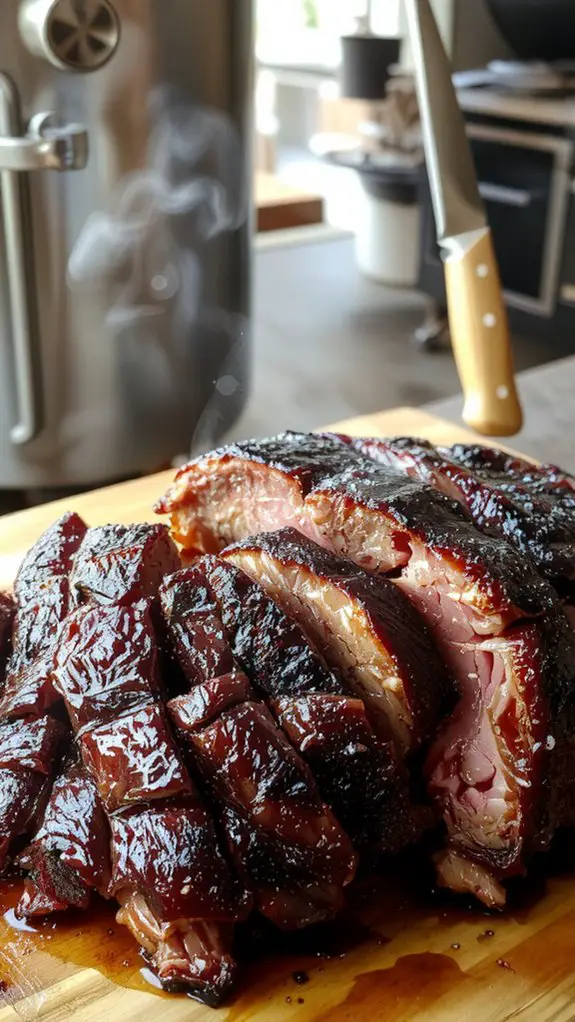
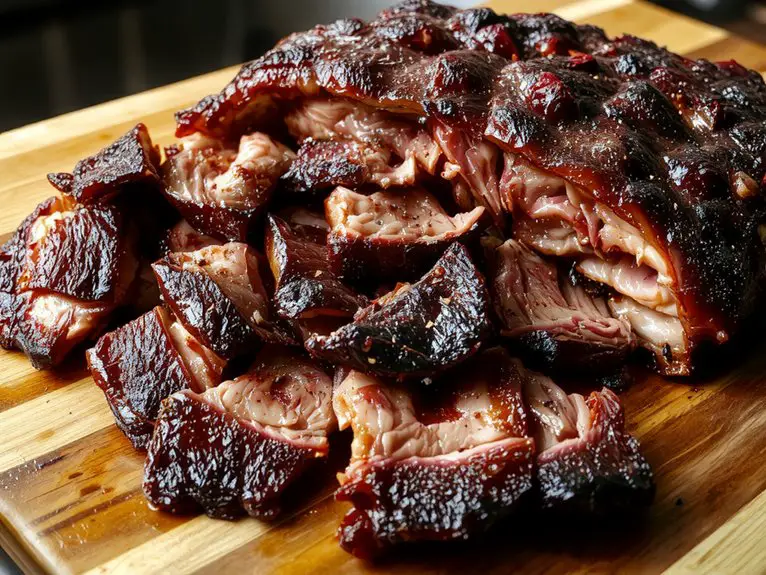
I’ve spent years perfecting my beef brisket recipe, and I’m convinced the secret lies in the balance of smoke, spice, and patience. A well-marbled cut, a simple rub, and slow cooking transform tough meat into something unforgettable. But there’s one step most home cooks overlook—it’s not just about the cook time. If you’re ready to elevate your brisket game, I’ll share what makes this method stand out.
Recipe
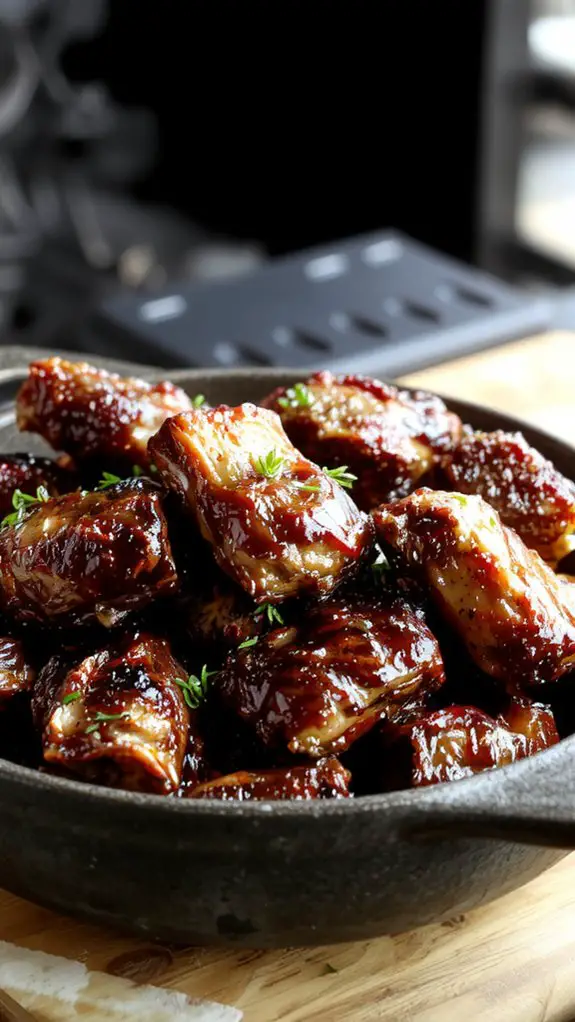
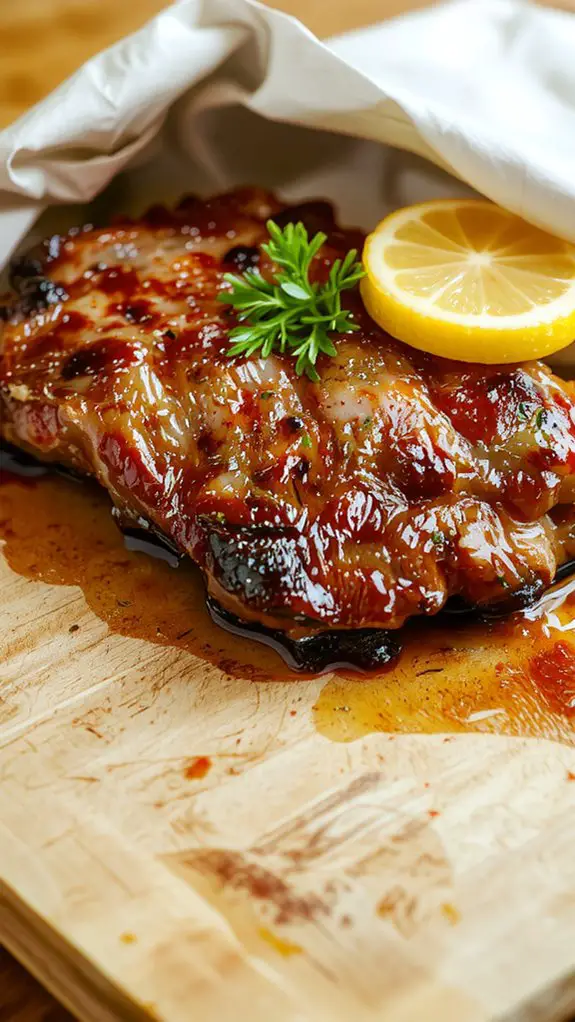
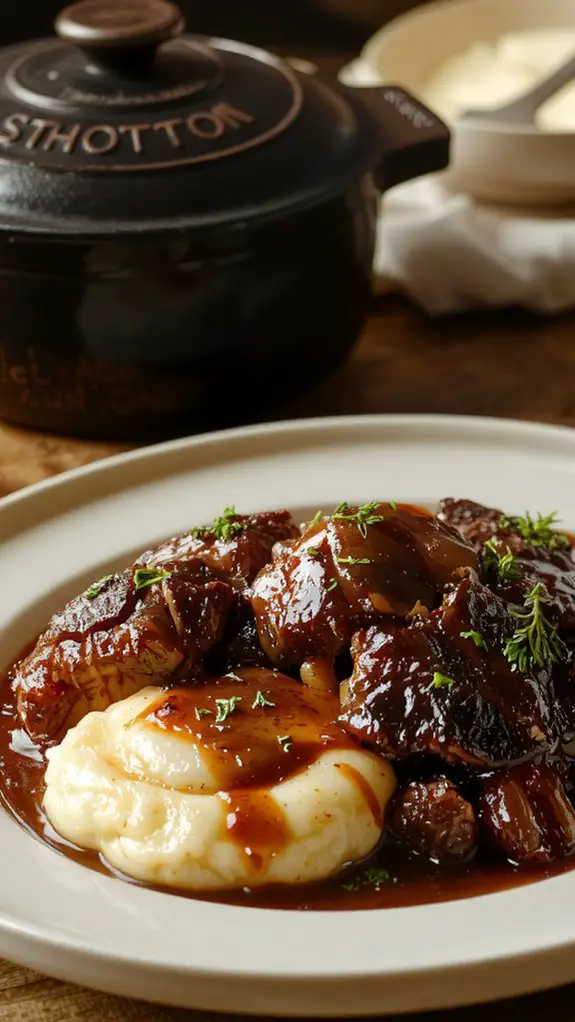
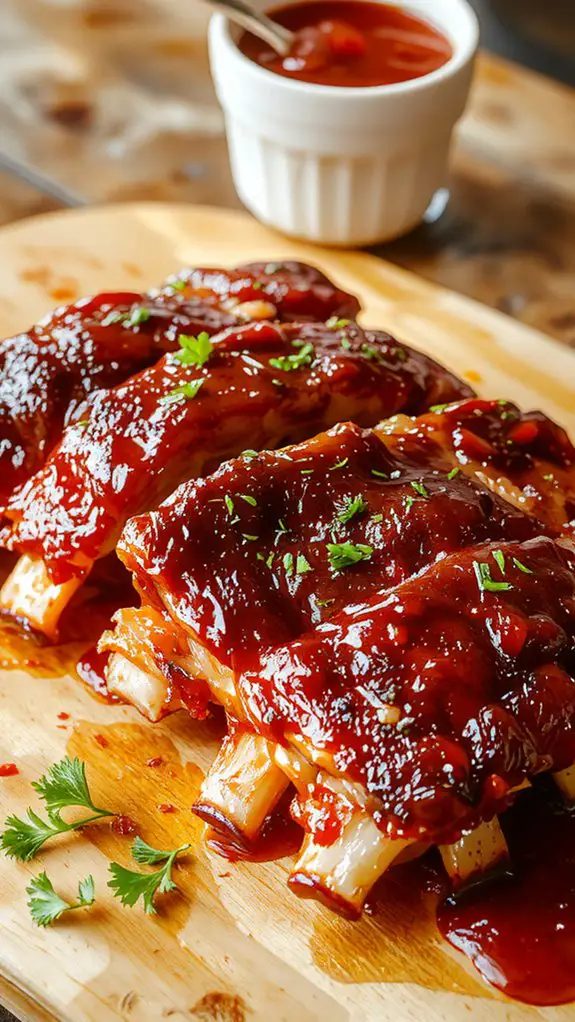
There’s nothing quite like the melt-in-your-mouth magic of a perfectly cooked beef brisket—and this recipe? It’s the real deal. Whether you’re a BBQ newbie or a seasoned pitmaster, this method delivers tender, juicy brisket with a smoky bark that’ll have everyone begging for seconds.
The secret? Low and slow cooking, a killer spice rub, and just the right amount of patience (trust me, it’s worth the wait). Envision this: a rich, beefy flavor with hints of garlic and pepper, a crust that crackles when you slice into it, and meat so tender it practically falls apart on your fork.
This isn’t just dinner—it’s an experience. And the best part? You don’t need fancy equipment to make it happen. Grab your Dutch oven or smoker, and let’s get cooking. Your taste buds (and your hungry crowd) will thank you.
Ingredients
For the ultimate homemade beef brisket, selecting the right ingredients is key to achieving that tender, smoky, and deeply flavorful result. Opt for a high-quality cut of meat and balance it with a mix of bold spices and aromatics. Here’s what you’ll need, along with some pro tips and swaps to make it your own.
- Beef Brisket (4-5 lbs): Look for a well-marbled cut—this fat is what keeps the meat juicy during the long cook. Pro Tip: If you can’t find a whole brisket, a flat cut works, but it’s leaner, so monitor the cooking time carefully.
- Kosher Salt and Black Pepper: These are the backbone of your seasoning. Non-Negotiable: Generously coat the brisket for a flavorful crust.
- Brown Sugar (2 tbsp): Adds a touch of sweetness and helps with caramelization. Swap with honey or maple syrup if needed.
- Paprika (2 tbsp): Smoked paprika is ideal for that authentic BBQ flavor, but regular paprika works in a pinch.
- Garlic Powder (1 tbsp): Essential for savory depth. Fresh minced garlic can be used, but it might burn during the cook.
- Onion Powder (1 tbsp): Enhances the umami. Substitute with finely grated fresh onion if you prefer.
- Mustard Powder (1 tsp): Adds a subtle tang and helps the rub adhere to the meat.
- Cayenne Pepper (1/2 tsp): Adjust to your spice tolerance. Omit if you prefer a milder flavor.
- Beef Broth (2 cups): Keeps the brisket moist during cooking. Pro Tip: Use low-sodium broth to control the saltiness.
- Apple Cider Vinegar (1/4 cup): Adds acidity to balance the richness. Swap with red wine vinegar or lemon juice.
- Worcestershire Sauce (2 tbsp): A flavor powerhouse for depth and umami. Soy sauce can be a substitute.
- Liquid Smoke (1 tsp): Optional but great for an extra smoky kick, especially if you’re not using a smoker.
- Onion (1 large, sliced): Adds sweetness and layers of flavor. Little Win: Toss in some garlic cloves for extra aroma.
Extra Touch: Garnish with fresh herbs like parsley or thyme for a pop of color and freshness before serving.
With these ingredients, you’re set to create a brisket that’s rich, tender, and packed with flavor.
How to Make the Best Smoky Beef Brisket Method
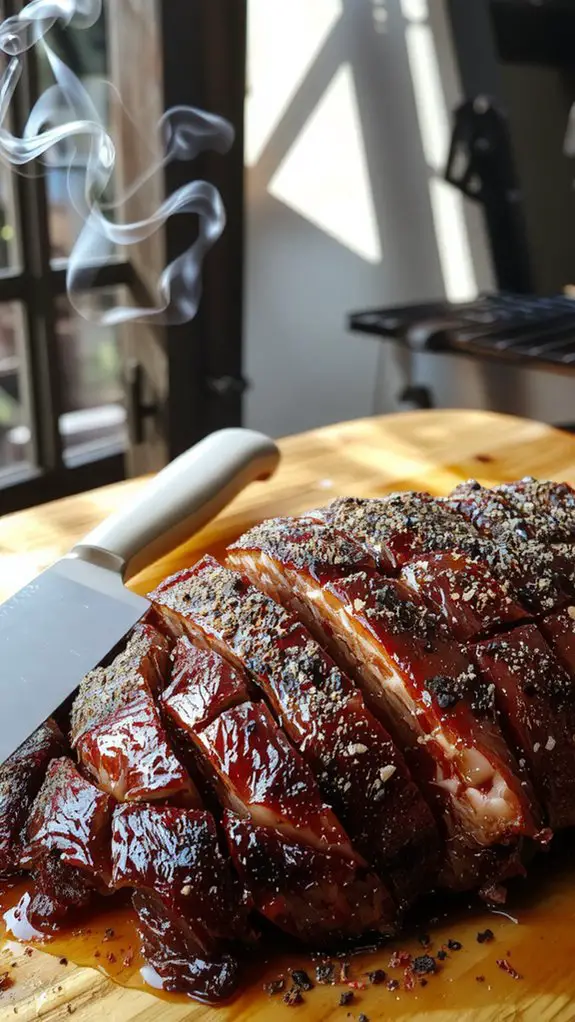
- Trim excess fat – Leave about 1/4 inch of fat on the brisket to keep it moist during cooking. Too much fat can make the bark soggy, while too little can dry it out.
- Season generously – Coat the brisket evenly with a dry rub (salt, pepper, garlic powder, and paprika). Let it sit for at least 1 hour or overnight for deeper flavor penetration.
- Preheat smoker to 225°F (107°C) – Low and slow is key for tender meat. Use hardwood like oak or hickory for a robust smoky flavor.
- Place brisket fat-side down – This protects the meat from direct heat and helps render the fat evenly. Insert a meat probe into the thickest part.
- Smoke for 4-6 hours – Maintain a steady temperature. Spritz with apple cider vinegar every hour to keep the surface moist and enhance bark formation.
- Wrap in butcher paper or foil – Once the internal temperature hits 165°F (74°C), wrapping prevents overcooking and locks in juices. This is called the “Texas crutch.”
- Continue cooking until 203°F (95°C) – The collagen breaks down at this temp, making the brisket fork-tender. Probe should slide in like butter.
- Rest for 1-2 hours – Keep it wrapped in a cooler or warm oven. Resting redistributes juices—skipping this step leads to dry meat.
- Slice against the grain – This shortens muscle fibers for a tender bite. Look for the grain direction before cutting.
Pro Tips:
- Patience pays off – Rushing the cook or rest time ruins texture.
- No smoker? Use an oven – Cook at 275°F (135°C) with a pan of water below for moisture.
- Save the drippings – Mix them into sauces or gravy for extra flavor.
Watch-Outs:
- Avoid peeking – Opening the smoker too often drops the temperature and extends cooking time.
- Don’t slice too soon – Cutting hot meat releases all the juices you worked hard to keep.
Nutrition
Beef brisket is a hearty dish rich in protein and essential nutrients. Below is the nutritional breakdown per serving.
| Nutrient | Amount per Serving |
|---|---|
| Calories | 350 kcal |
| Protein | 30 g |
| Fat | 22 g |
| Carbohydrates | 5 g |
| Fiber | 1 g |
| Sodium | 600 mg |
Chef Tips
When preparing beef brisket, I always recommend trimming excess fat to about ¼ inch for a balanced flavor. Season generously and let it rest at room temperature before cooking.
Low and slow is key—225°F for 8-10 hours guarantees tenderness. Wrap in foil or butcher paper halfway through to retain moisture.
Let it rest 30 minutes before slicing against the grain for perfect texture.
What to Serve With This Recipe
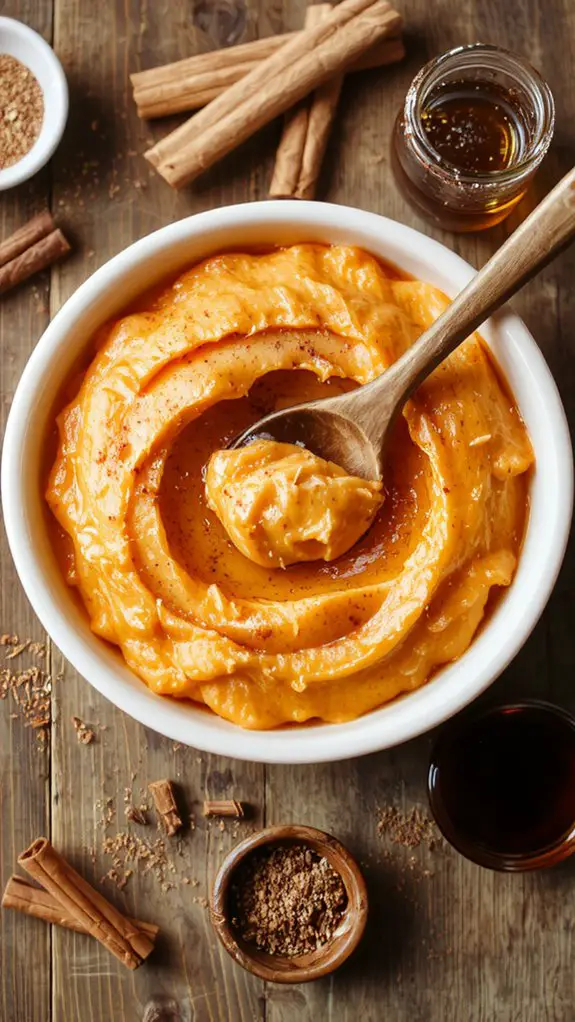
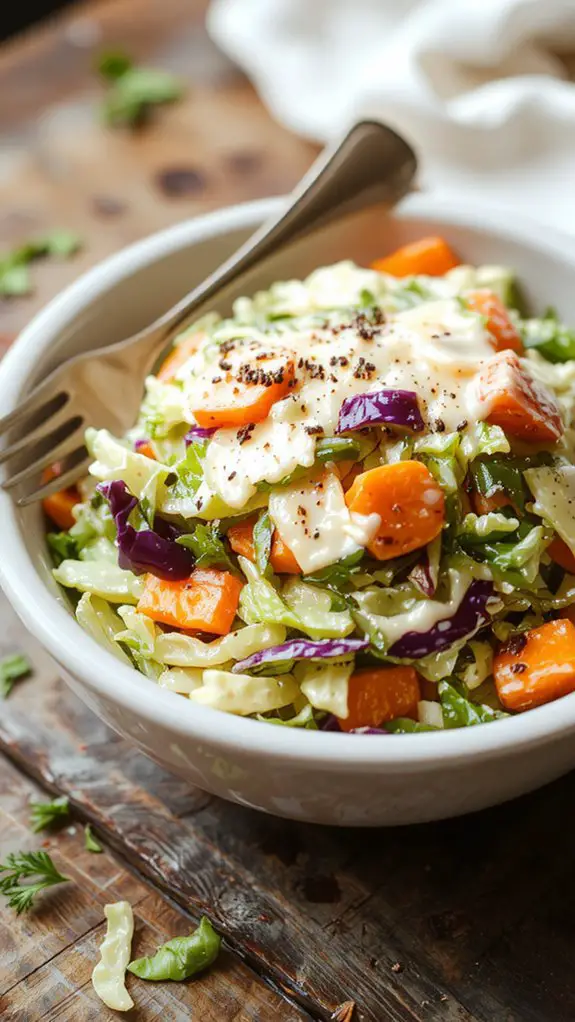
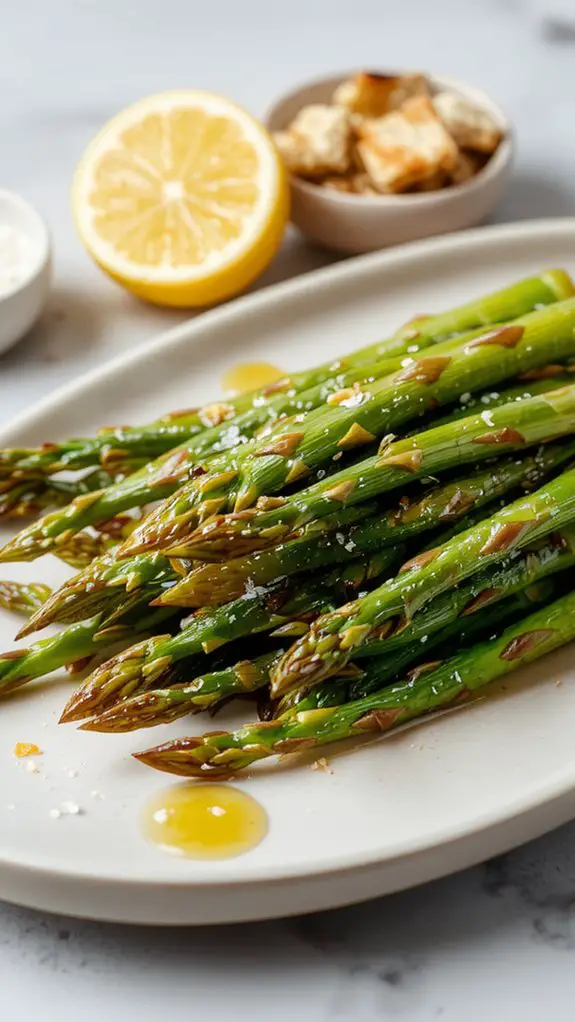

Leave a Review or Ask a Question
Your rating, tips, and questions help other home cooks. Tell us how it turned out or ask anything before you make it.