The Best Homemade Gluten Free Pancake Recipe
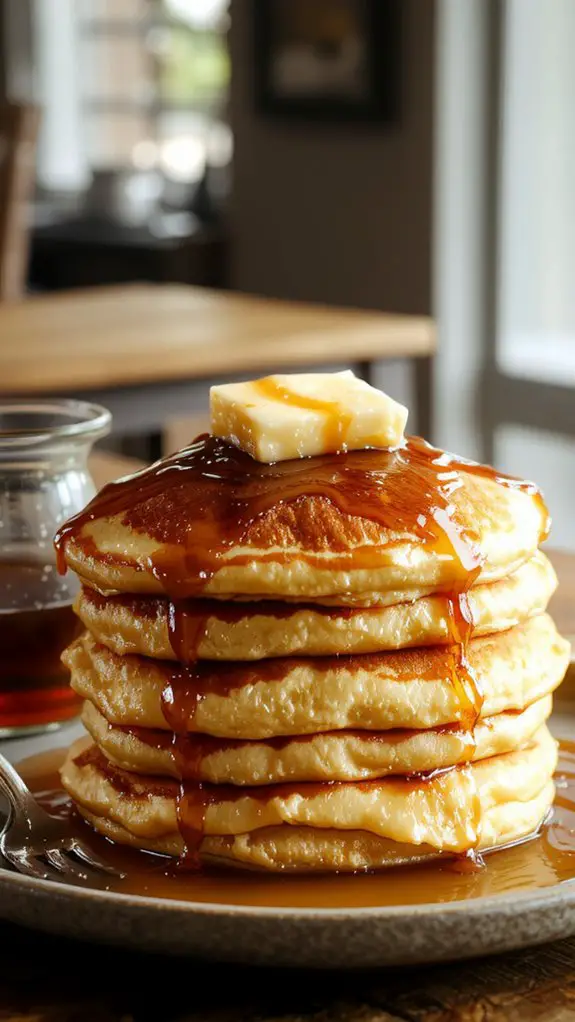
Best gluten-free pancakes you'll ever make—fluffy, golden, and so easy, you won't believe they're gluten-free. Wait until you see the secret ingredient.
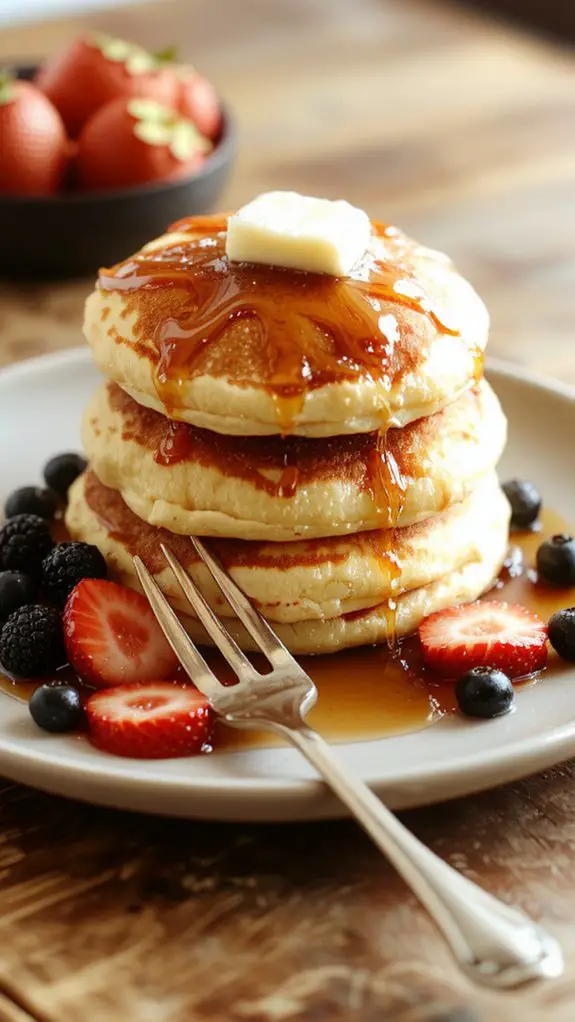
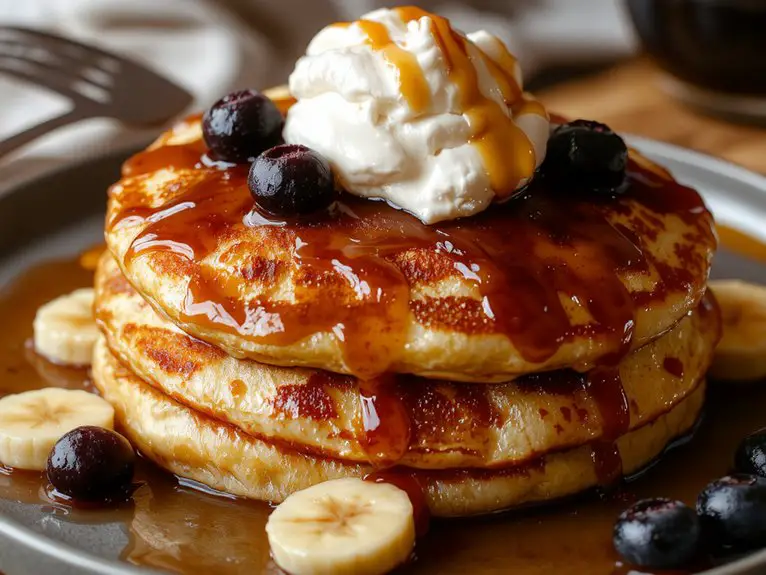
I’ve tried countless gluten-free pancake recipes, but this one stands out for its simplicity and reliability. The batter comes together quickly, and the pancakes turn out light and fluffy every time. What I love most is how adaptable it is—whether you’re adding berries or keeping it plain. The secret lies in a few key steps that make all the difference. Curious about how to achieve that perfect texture? Let’s get started.
Recipe
I can promise you one thing: these gluten-free pancakes are so good, you won’t even miss the wheat. Made with almond flour and a touch of vanilla, they’re light, fluffy, and just the right amount of sweet—perfect for a slow weekend morning or a quick weekday treat.
I’ve tweaked this recipe more times than I can count to get the texture just right, and now it’s my go-to whenever I’m craving something comforting but still wholesome. The secret? A splash of buttermilk (or a dairy-free alternative) to keep them tender, and a pinch of cinnamon for that warm, cozy flavor.
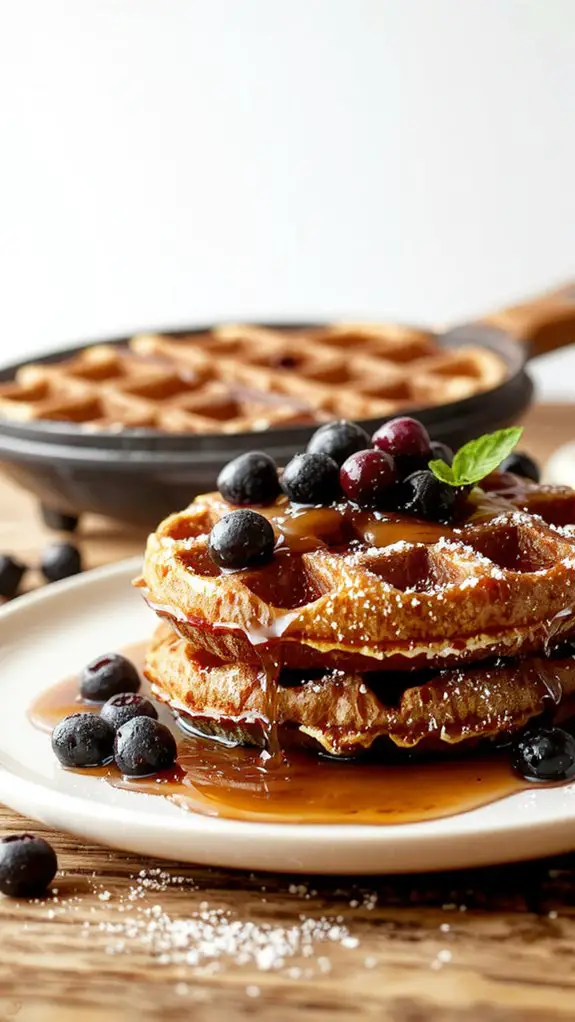
Serve them with fresh berries and a drizzle of maple syrup, and you’ve got a breakfast that feels indulgent without the guilt. Trust me, once you try these, they’ll become a staple in your kitchen.
Ingredients
Gluten-free pancakes don’t have to be bland or crumbly—the right ingredients can make them fluffy, flavorful, and just as satisfying as the classic version. Start with high-quality gluten-free flour blends for structure, and don’t skimp on the leavening agents for that perfect rise. If you’re out of something, no worries—I’ve got you covered with easy swaps. Let’s get started:
- Gluten-free flour blend (1 cup): Look for one with xanthan gum already added for better texture. Bob’s Red Mill 1-to-1 or King Arthur Measure for Measure are my go-tos. No blend? Mix ¾ cup rice flour + ¼ cup tapioca starch.
- Baking powder (2 tsp): Non-negotiable for fluffiness—make sure it’s fresh for maximum lift.
- Salt (¼ tsp): Just a pinch to balance the sweetness and enhance the flavors.
- Sugar (1 tbsp): Adds a touch of sweetness. Use coconut sugar or maple syrup if you prefer a natural option.
- Eggs (1 large): Essential for binding and structure. For a vegan swap, try a flax egg (1 tbsp ground flaxseed + 3 tbsp water).
- Milk (1 cup): Any milk works—dairy, almond, oat, or soy. Opt for unsweetened versions if you like to control the sweetness.
- Oil or melted butter (2 tbsp): Keeps the pancakes moist. Coconut oil or ghee are great alternatives.
- Vanilla extract (1 tsp): Adds depth—don’t skip it!
- Optional add-ins: Blueberries, chocolate chips, or a sprinkle of cinnamon for extra flair. Fresh berries for garnish make them look fancy.
Pro tip: Let the batter rest for 5 minutes before cooking—this helps the flour absorb the liquid and prevents grittiness.
How to Make the Best Fluffy Gluten-Free Pancakes
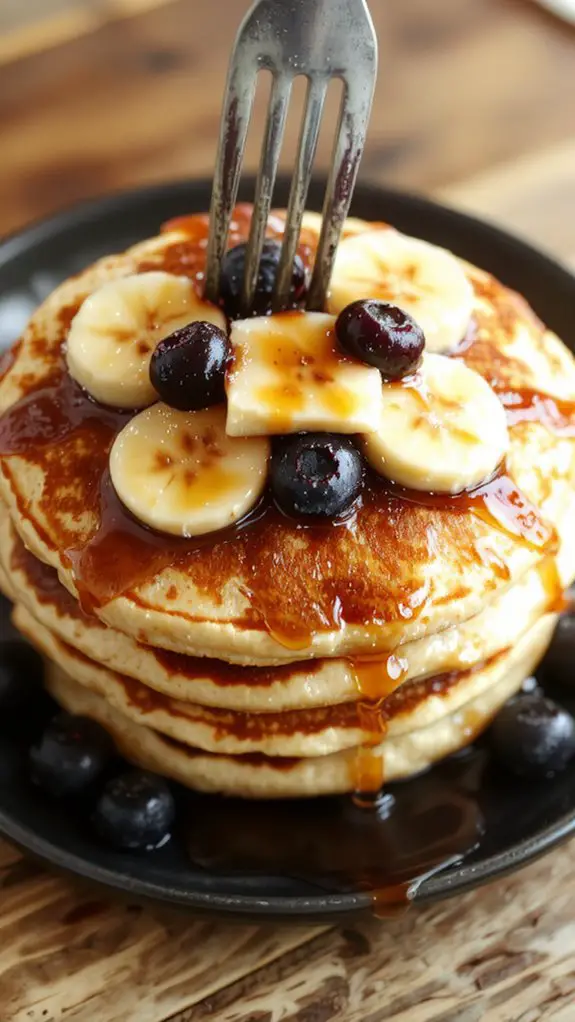
Use a ¼-cup measuring cup to pour batter onto the skillet, spreading it slightly if needed. This guarantees uniform pancake sizes for even cooking.
Watch for bubbles forming on the surface—this indicates it’s time to flip.
Flip the pancakes when the edges look set and bubbles pop on the surface, about 2–3 minutes.
Cook the other side for 1–2 minutes until golden brown.
Pro tip: Resist the urge to press them down with the spatula—that squeezes out the air and makes them less fluffy.
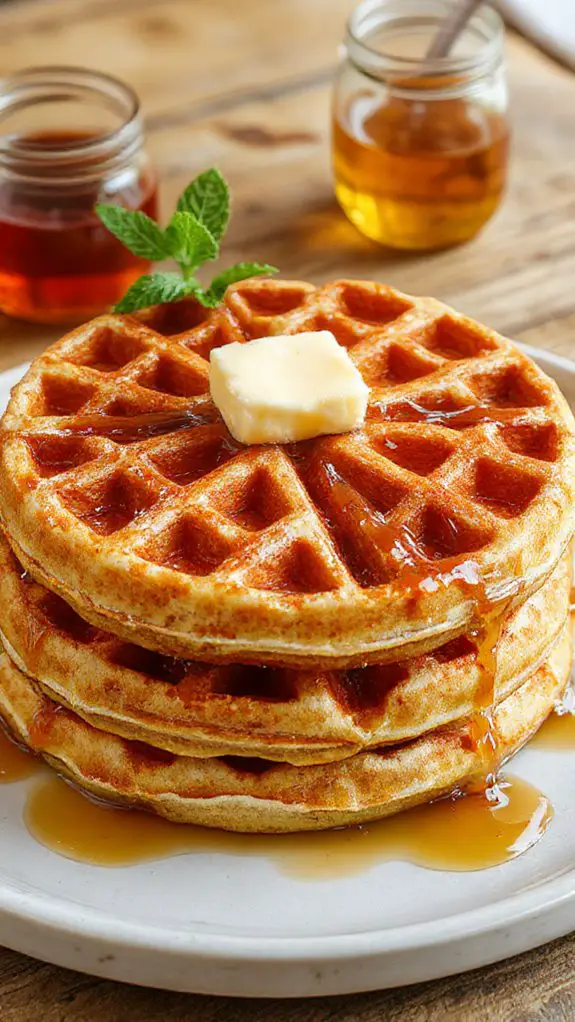
Serve immediately with your favorite toppings like maple syrup, fresh fruit, or whipped cream.
Pancakes are best enjoyed fresh and warm! If making a large batch, keep them warm in a 200°F oven while you cook the rest.
Nutrition
Gluten-free pancakes offer a nutritious alternative to traditional pancakes. Below is the nutritional breakdown per serving (one pancake).
| Nutrient | Amount per Serving |
|---|---|
| Calories | 120 |
| Carbohydrates | 18g |
| Protein | 3g |
| Fat | 4g |
| Fiber | 1g |
| Sugar | 5g |
Chef Tips
To make the most of this recipe, I’ve found that using a non-stick skillet or griddle set to medium heat secures even cooking without sticking.
I always let the batter rest for 5-10 minutes to thicken, which helps the pancakes hold their shape.
Avoid overmixing to keep them tender, and flip when bubbles form and edges look set.
A light spritz of oil between batches confirms perfect results.
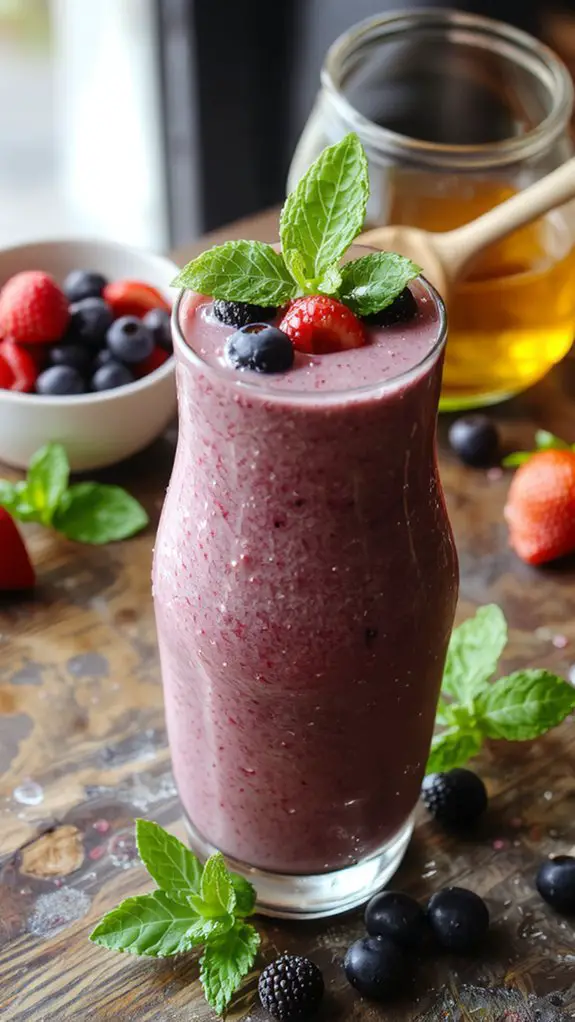
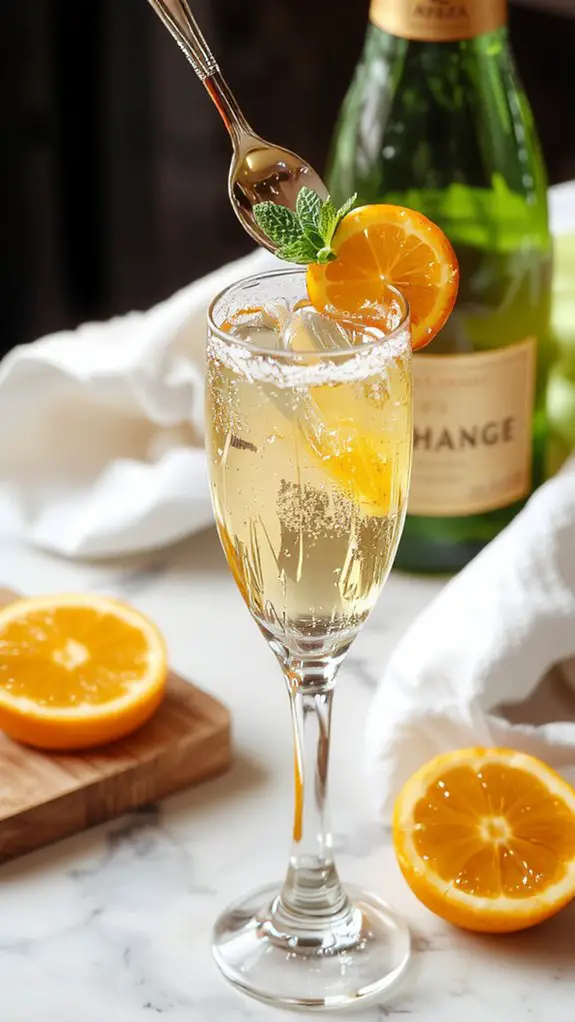
What to Serve With This Recipe
Leave a Review or Ask a Question
Your rating, tips, and questions help other home cooks. Tell us how it turned out or ask anything before you make it.