The Best Homemade Chicken Katsu Recipe
Crispy, golden chicken katsu with a juicy center—discover the secret to making it better than your favorite restaurant.
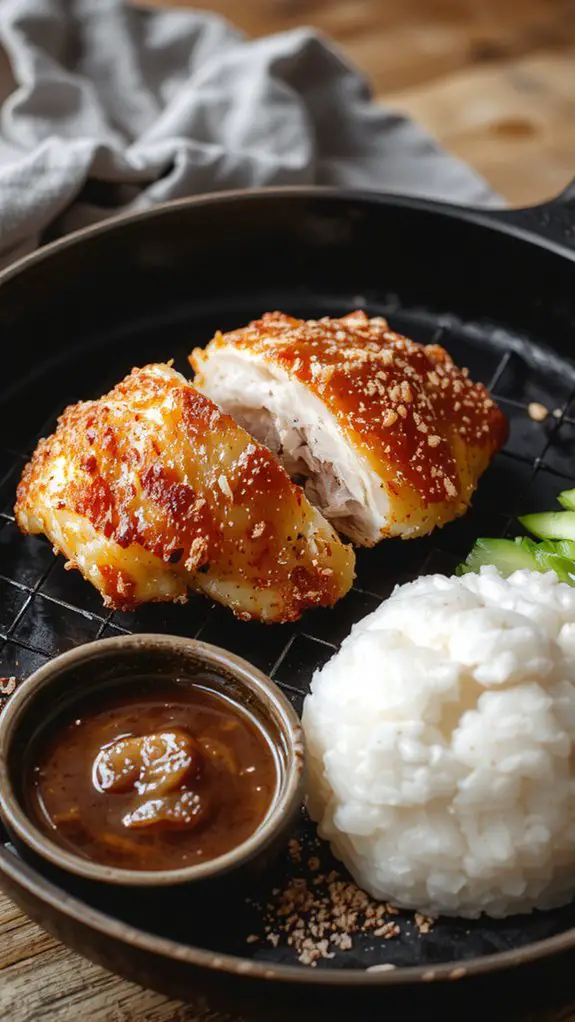
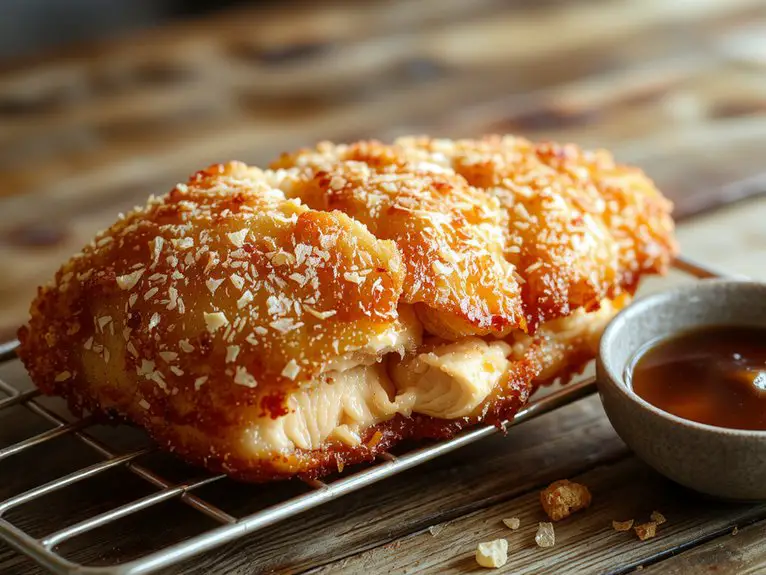
I’ve always found chicken katsu to be one of those dishes that’s both simple and deeply satisfying when done right. The key lies in achieving that perfect balance of a crispy exterior and tender, juicy chicken inside. It’s about the technique—coating, frying, and seasoning just so. If you’ve ever wondered how to make it at home with that restaurant-quality texture and flavor, there’s a method to get it just right. Curious? Let’s get started.
Recipe
Crispy, golden, and impossibly juicy—this homemade chicken katsu is the kind of dish that’ll make you swear off takeout forever.
What sets it apart? A foolproof double-dredge technique that locks in crunch, plus a quick marinade in soy and ginger for layers of savory depth.
I’ve made this recipe more times than I can count (my family demands it weekly), and the magic is in the details: panko toasted just until fragrant for extra texture, and a quick pan-fry for that perfect crunch without greasiness.
Imagine slicing into that crispy coating to reveal tender, steaming chicken—drizzled with tangy tonkatsu sauce or tucked into a fluffy sandwich.
Trust me, once you try this method, there’s no going back. Let’s get that skillet sizzling!
Ingredients
For the crispiest, juiciest chicken katsu, the right ingredients make all the difference. Panko breadcrumbs are non-negotiable—they create that signature golden crunch.
And don’t skimp on the chicken thighs; they’re more forgiving and flavorful than breast meat. Here’s everything you’ll need, plus a few chef-approved swaps:
For the Chicken:
- 4 boneless, skinless chicken thighs (breasts work if you prefer, but thighs stay juicier).
- 1 teaspoon kosher salt (it seasons better than table salt).
- 1/2 teaspoon black pepper (freshly ground for the best flavor).
For the Coating:
- 1 cup all-purpose flour (to help the egg stick).
- 2 large eggs, beaten (add a splash of milk for a lighter coating).
- 1 1/2 cups panko breadcrumbs (regular breadcrumbs won’t give the same crunch).
For Frying:
– Vegetable oil (or any neutral oil with a high smoke point—don’t use olive oil).
Optional Extras:
- Tonkatsu sauce (store-bought or homemade for dipping).
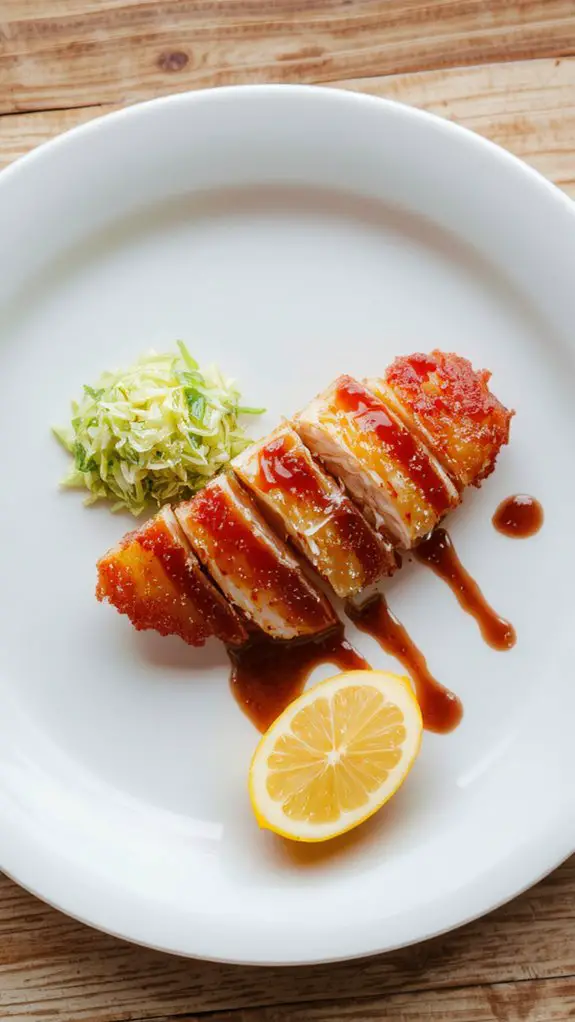
- Finely shredded cabbage (a classic garnish that adds freshness).
- Lemon wedges (a squeeze brightens up the dish).
Pro tip: If you’re gluten-free, use gluten-free panko and flour. And if you’re short on time, pre-seasoned panko can add an extra hit of flavor.
How to Make the Best Best Chicken Katsu Recipe
Prep the Chicken
Start by patting the chicken breasts dry with paper towels—this helps the breading stick better.
If the breasts are thick, slice them horizontally into thinner cutlets for even cooking and a crispier texture.
Season the Chicken
Season both sides of the chicken lightly with salt and pepper.
This step guarantees the flavor isn’t just in the coating but also in the meat itself.
Set Up the Breading Station
Prepare three shallow bowls: one with flour, one with beaten eggs (add a splash of milk for extra tenderness), and one with panko breadcrumbs.
Adding a pinch of salt and pepper to each layer enhances the flavor.
Bread the Chicken
Dredge each chicken piece in flour first, shaking off excess.
Dip it into the egg mixture, letting any extra drip off, then press it firmly into the panko to create an even, crispy coating.
Pro tip: Press the panko gently to help it adhere without crushing the crumbs.
Heat the Oil
Fill a deep skillet or pan with about ½ inch of neutral oil (like vegetable or canola) and heat it to 350°F (175°C).
Use a thermometer for accuracy—too hot, and the coating will burn before the chicken cooks; too low, and it’ll absorb too much oil.
Fry the Chicken
Carefully place the breaded chicken in the hot oil, cooking in batches if needed to avoid overcrowding.
Fry for 3-4 minutes per side until golden brown and crispy.
Keep an eye on the color—it should be a deep golden hue, not too dark.
Drain and Rest
Transfer the cooked chicken to a wire rack or paper towel-lined plate to drain excess oil.
Let it rest for a couple of minutes to retain juiciness and allow the coating to set.
Slice and Serve
Cut the chicken into strips for easy serving and pair it with tonkatsu sauce, Japanese rice, and shredded cabbage for a classic presentation.
The crispy exterior and tender inside should be your hallmark of success!
Nutrition
Nutrition information for homemade chicken katsu is based on a standard serving size. Here’s the breakdown:
| Nutrient | Amount per Serving |
|---|---|
| Calories | 350 kcal |
| Protein | 25 g |
| Carbohydrates | 15 g |
| Fat | 18 g |
| Saturated Fat | 4 g |
| Cholesterol | 75 mg |
| Sodium | 500 mg |
| Fiber | 1 g |
| Sugars | 2 g |
Chef Tips
Mastering chicken katsu starts with the details. I always pound the chicken evenly for uniform cooking.
Use panko—it’s crispier than regular breadcrumbs.
Don’t skip the double-dredge in flour, egg, then panko—it locks in juiciness.
Fry at 350°F for golden perfection. Rest slices on a rack to keep them crunchy.
Serve immediately with tonkatsu sauce. Trust me, these small steps make all the difference.
Now go impress yourself!
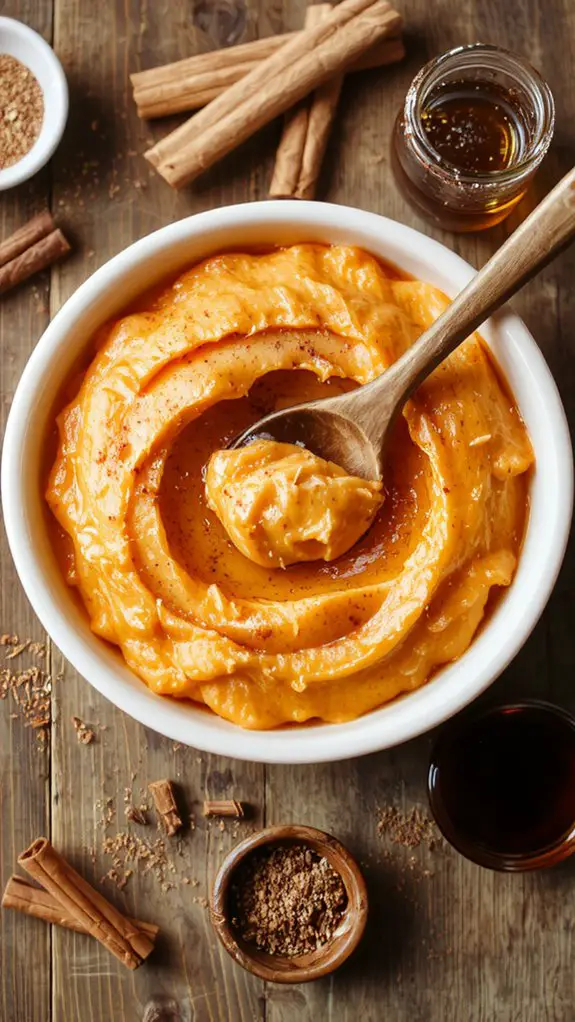
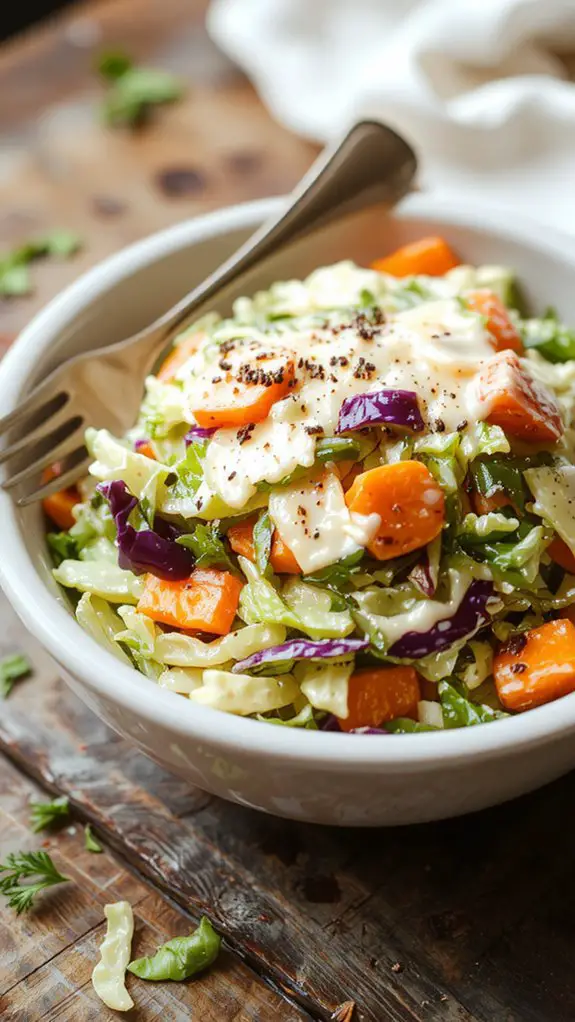
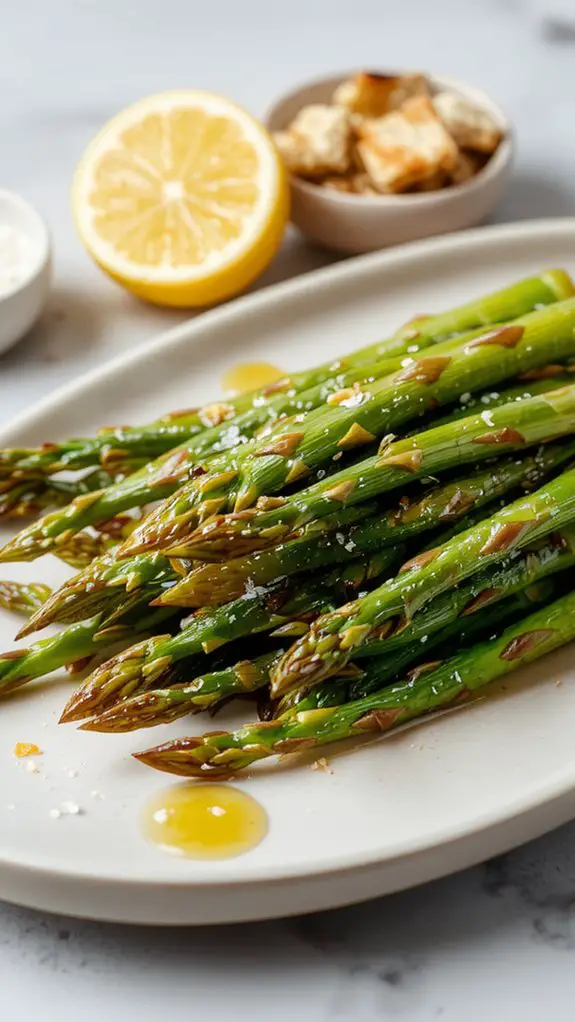
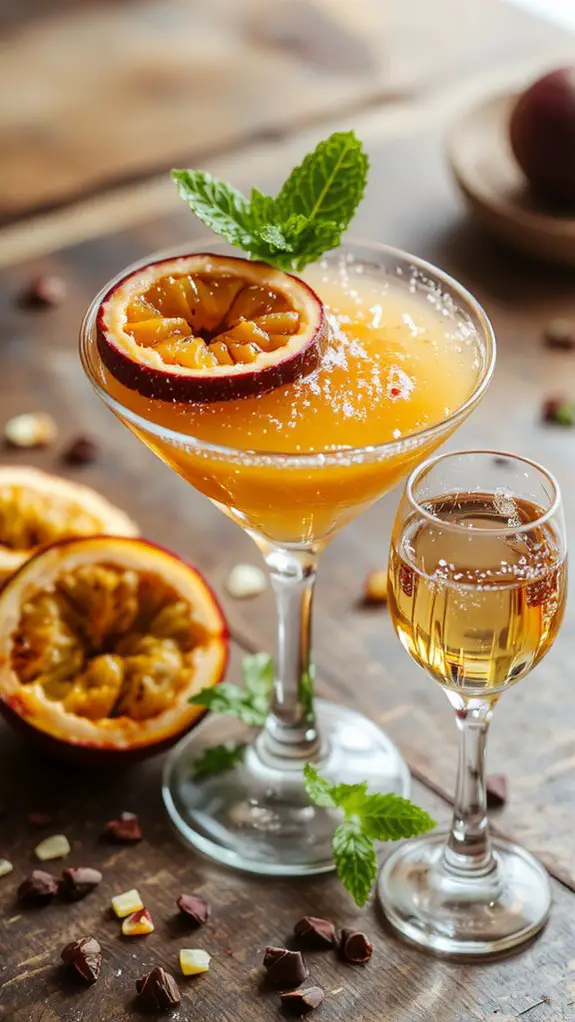
What to Serve With This Recipe
Leave a Review or Ask a Question
Your rating, tips, and questions help other home cooks. Tell us how it turned out or ask anything before you make it.