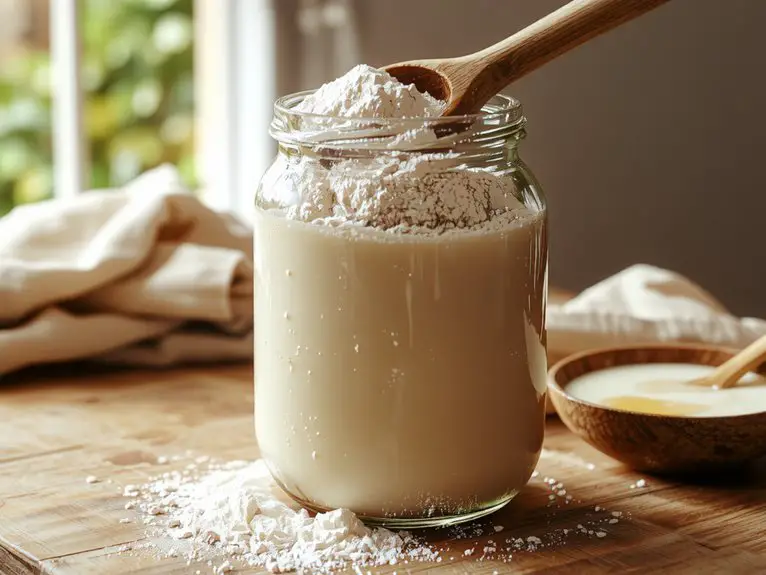
I’ve experimented with countless self-rising flour recipes, and I’ve finally nailed the perfect blend. It’s simpler than you might think, using ingredients you likely already have in your pantry. The key lies in precision—too much or too little of one component can throw off the texture of your baked goods. Whether you’re whipping up biscuits or pancakes, this recipe could become your new go-to. But there’s a trick to getting it just right.
Recipe
Ever found yourself halfway through a recipe only to realize you’re out of self-rising flour? No worries—I’ve got you covered with this foolproof homemade version that’ll save the day (and your baking plans).
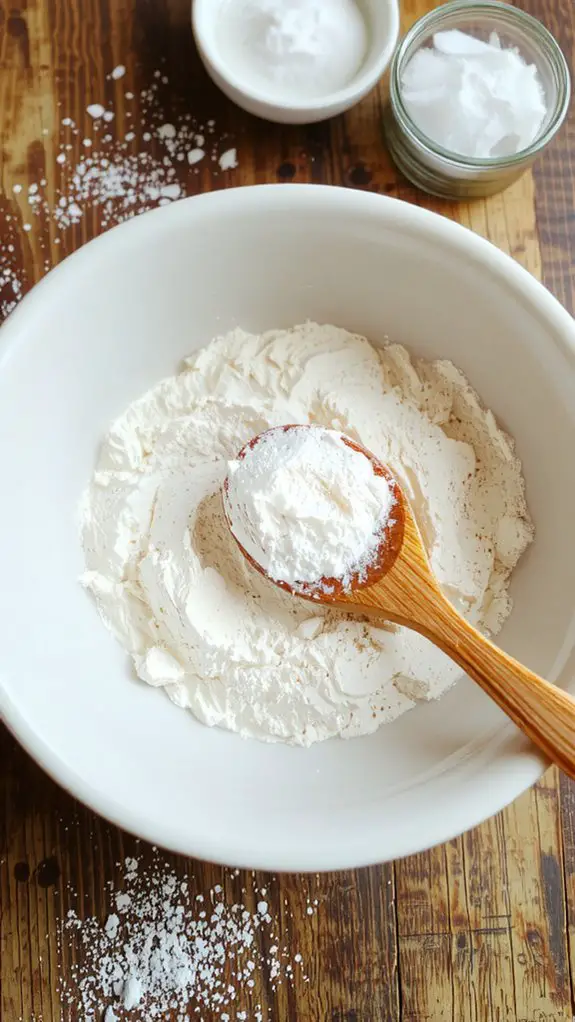
Trust me, once you try this, you’ll wonder why you ever bothered buying it pre-made. With just three pantry staples—flour, baking powder, and salt—you can whip up a batch in seconds, and it works *every* time.
I’ve been using this trick for years, from fluffy pancakes to tender biscuits, and it never disappoints. The best part? You control the quality, so there’s no mystery ingredients—just pure, baking magic.
Whether you’re a baking novice or a seasoned pro, this recipe is about to become your secret weapon. Let’s get mixing!
Ingredients
Making your own self-rising flour at home is a game-changer—it’s cheaper, fresher, and lets you control the quality of every ingredient. The best part? You likely already have everything in your pantry. Here’s what you’ll need:
– All-purpose flour – The base of your blend. For the lightest texture, sift it first to avoid clumps.
*Pro tip:* If you prefer a softer crumb, swap in cake flour, but adjust the leavening slightly (it’s more delicate).
– Baking powder – The magic lift! Use aluminum-free for a cleaner taste.
*Non-negotiable:* Check the expiration date—old baking powder won’t give you the rise you need.
– Fine salt – Balances flavor and strengthens the gluten. Skip coarse salt; it won’t distribute evenly.
*Bonus upgrade:* For extra-tender biscuits or pancakes, add 1 tablespoon of cornstarch per cup of flour—it mimics the protein content of store-bought self-rising flour.
*Substitution alert:* Out of baking powder? Mix 1 part baking soda + 2 parts cream of tartar (but use it immediately—it loses potency fast).
How to Make the Best Self Rising Flour Instructions
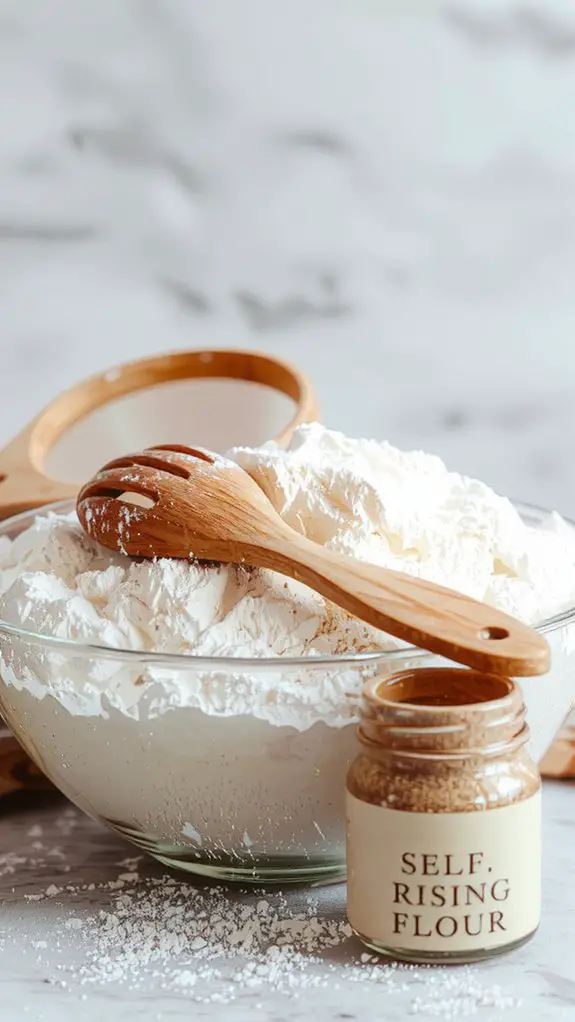
- Substitute carefully – For recipes calling for *both* baking powder and salt, omit those ingredients when using self-rising flour to avoid over-salting or bitterness.
- Shake before using – If stored, give the container a quick shake to reincorporate any settled baking powder. Clumps can create bitter spots.
- Pair with acidic ingredients – Buttermilk, yogurt, or vinegar in recipes boosts the baking powder’s rise.
Expect extra lift in pancakes or biscuits!
Nutrition
Self-rising flour is a convenient kitchen staple that can enhance baking recipes. Here’s a quick overview of its nutritional value per cup.
| Nutrient | Amount |
|---|---|
| Calories | 440 |
| Carbohydrates | 91g |
| Protein | 13g |
| Fat | 1g |
| Fiber | 3g |
| Calcium | 64mg |
| Iron | 4.8mg |
Chef Tips
A baker’s homemade self-rising flour can make all the difference in achieving light, fluffy baked goods. I always sift the flour twice to guarantee no lumps. Store it airtight to keep it fresh.
For extra lift, add a pinch of baking powder. If substituting in recipes, reduce added salt. Test freshness by mixing a spoonful with water—if it bubbles, it’s active.
Measure precisely for consistent results every time.