The Best Homemade Salmon in Oven Recipe
Perfectly baked salmon with a golden crust awaits—discover the easy steps to achieve restaurant-quality flavor without leaving your kitchen.
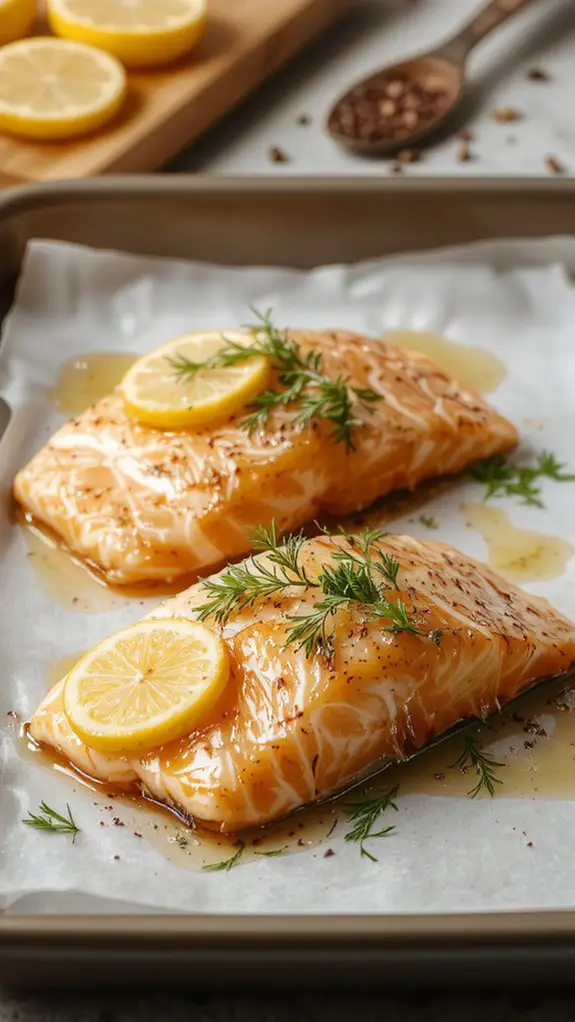
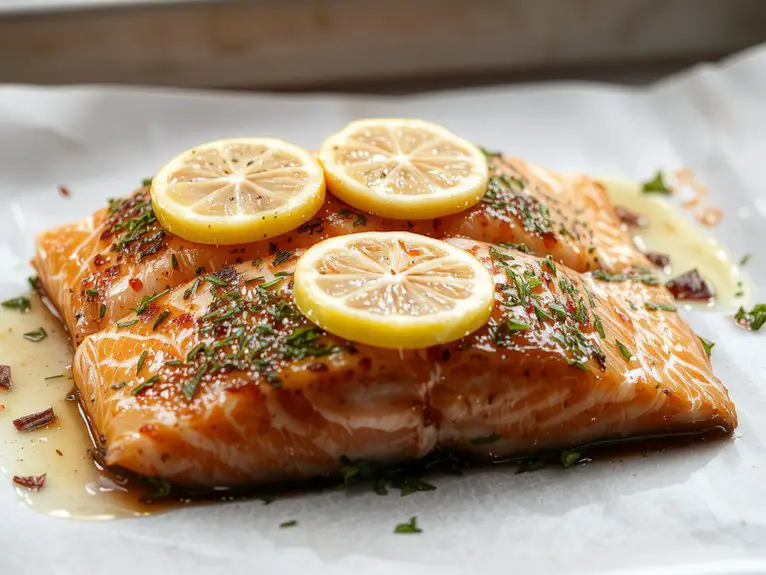
I’ve tried countless salmon recipes, but this oven-baked version stands out for its simplicity and perfect results every time. The secret lies in a few key ingredients and precise timing, ensuring tender, flavorful fillets with minimal effort. Whether you’re new to cooking salmon or looking to refine your technique, this method delivers a dish that’s both impressive and approachable. There’s more to it than just tossing it in the oven—let’s get started.
Recipe
I can confidently say this is the easiest, most foolproof way to cook salmon at home—and it turns out perfectly every single time. Whether you’re a seasoned cook or just starting out, this recipe is a game-changer.
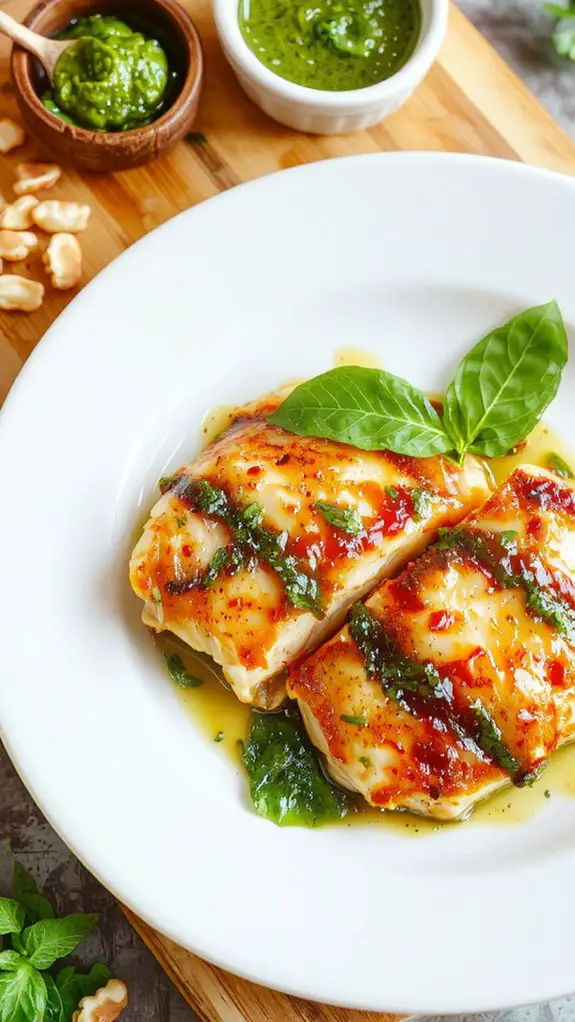
The secret? A simple marinade that lets the natural richness of the salmon shine while adding a hint of zing with fresh lemon and garlic. The result? Tender, flaky fillets with a golden crust that’s just irresistible.
I’ve made this for everything from weeknight dinners to impressing guests, and it never disappoints. Plus, it’s ready in under 20 minutes, making it a lifesaver when you’re short on time but still want something delicious.
Trust me, once you try this, it’ll become your go-to salmon recipe.
Ingredients
For a perfectly roasted salmon dish, the right ingredients make all the difference. Opt for fresh, high-quality salmon—its rich flavor and tender texture are worth the investment. Pair it with simple yet impactful additions to let the fish shine. Here’s what you’ll need:
- Salmon fillets: Skin-on or skin-off, but fresh is non-negotiable for the best flavor.
- Olive oil: Helps the seasoning adhere and creates a golden crust.
- Lemon: Fresh slices for roasting and zest for brightness—don’t skip the zest.
- Garlic: Minced or thinly sliced for aromatic depth.
- Fresh herbs: Dill or parsley works beautifully; dried herbs can substitute in a pinch.
- Salt & pepper: Essential for seasoning—use kosher salt for better control.
- Butter: A small pat adds richness and enhances moisture (optional but recommended).
Optional extras:
- Honey or maple syrup: A drizzle balances acidity if you prefer a touch of sweetness.
- White wine or broth: Adds moisture and complexity when roasting.
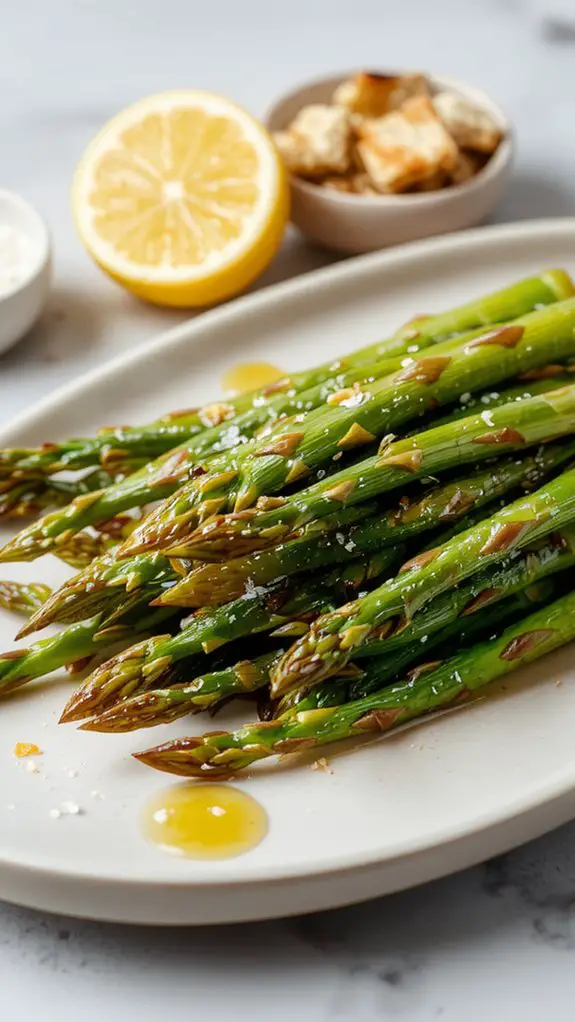
- Cherry tomatoes or asparagus: Roast alongside the salmon for a complete meal.
Pro tip: Pat the salmon dry before seasoning—this guarantees crispy edges and even cooking.
Fresh ingredients elevate the dish, but easy swaps like dried herbs or a splash of vinegar can work without compromising flavor.
How to Make the Best Oven-Baked Salmon Recipe
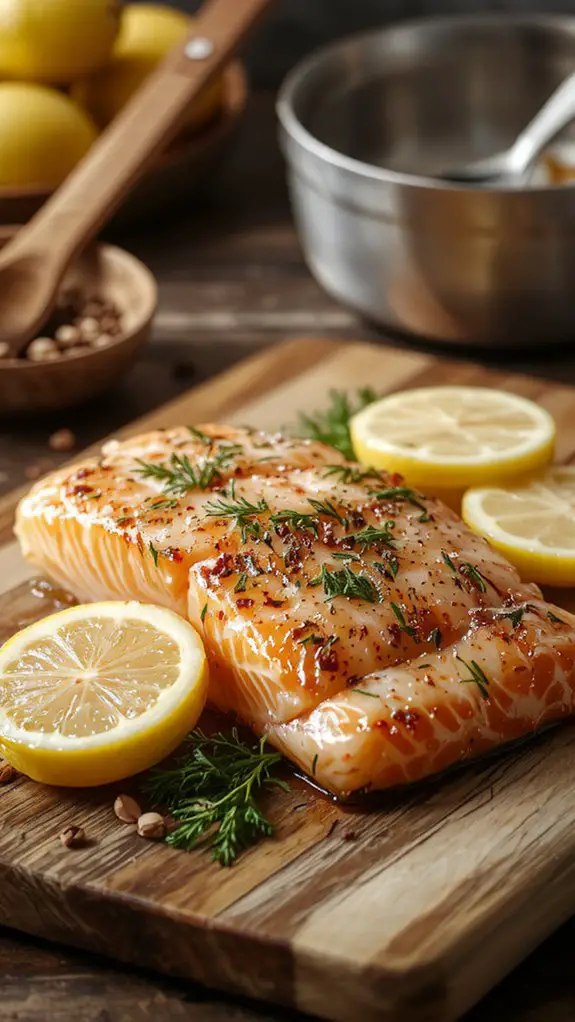
- Preheat the oven to 375°F (190°C). This guarantees the oven is at the right temperature when the salmon goes in, which is key for even cooking and a perfectly tender result.
- Line a baking sheet with parchment paper or foil for easy cleanup. Lightly grease it with olive oil or cooking spray to prevent sticking.
- Pat the salmon fillets dry with paper towels before seasoning. Removing excess moisture helps the seasoning stick better and secures a crispier exterior.
- Season the salmon generously with salt, pepper, and your favorite herbs or spices (like dill, garlic powder, or lemon zest). You can also add a drizzle of olive oil for extra flavor and moisture.
- Place the fillets skin-side down on the prepared baking sheet. This helps the skin crisp up while the flesh stays moist and tender.
- Bake for 12-15 minutes, depending on the thickness of the fillets. Check for doneness by gently flaking the salmon with a fork—it should separate easily and appear opaque.
- Let the salmon rest for 2-3 minutes before serving. This allows the juices to redistribute, keeping the fish moist and flavorful.
Pro Tip: For a citrusy twist, slice a lemon and place the rounds on top of the fillets before baking. This infuses the salmon with bright, fresh flavor.
Watch-Out Warning: Avoid overcooking the salmon, as it can dry out quickly. If you’re unsure, err on the side of undercooking, as residual heat will continue to cook the fish after it’s out of the oven.
Flexibility: This recipe works well with different-sized fillets. Just adjust the baking time—thicker fillets may need a few extra minutes, while thinner ones cook faster.
Nutrition
Salmon is a nutritious fish that provides a good source of protein and omega-3 fatty acids. Here is the nutritional breakdown for a typical serving of baked salmon:
| Nutrient | Amount per Serving |
|---|---|
| Calories | 367 kcal |
| Protein | 39g |
| Fat | 23g |
| Carbohydrates | 0g |
| Fiber | 0g |
| Sugar | 0g |
| Cholesterol | 94mg |
| Sodium | 94mg |
Chef Tips
When preparing salmon in the oven, I always make sure to pat the fish dry before seasoning it, as excess moisture can prevent it from browning properly.
I also recommend using a high smoke-point oil like avocado or grapeseed to avoid burning.
Keep the skin on for extra crispiness, and don’t overcrowd the pan—this guarantees even cooking.
Let it rest 3 minutes before serving.
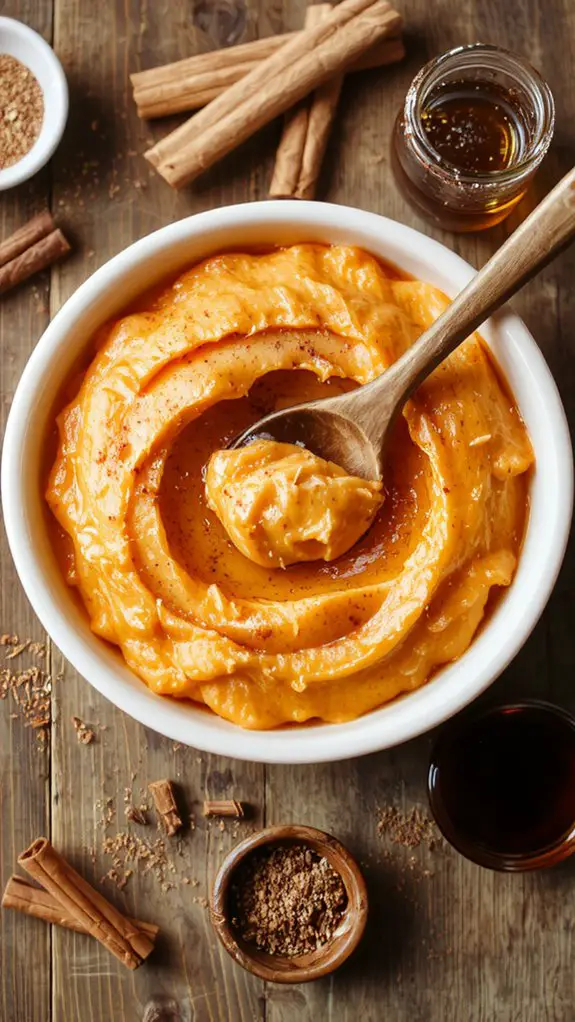
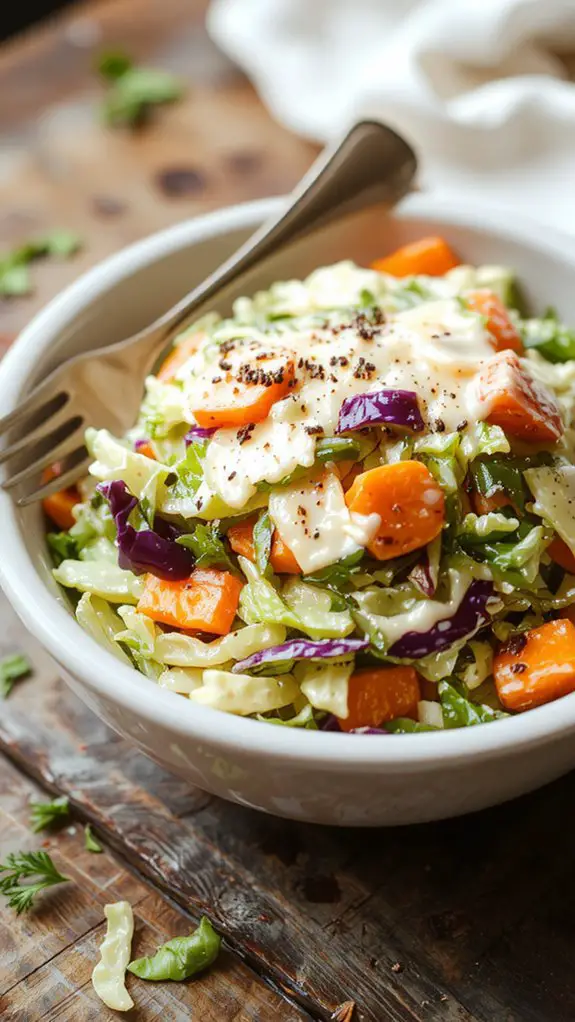
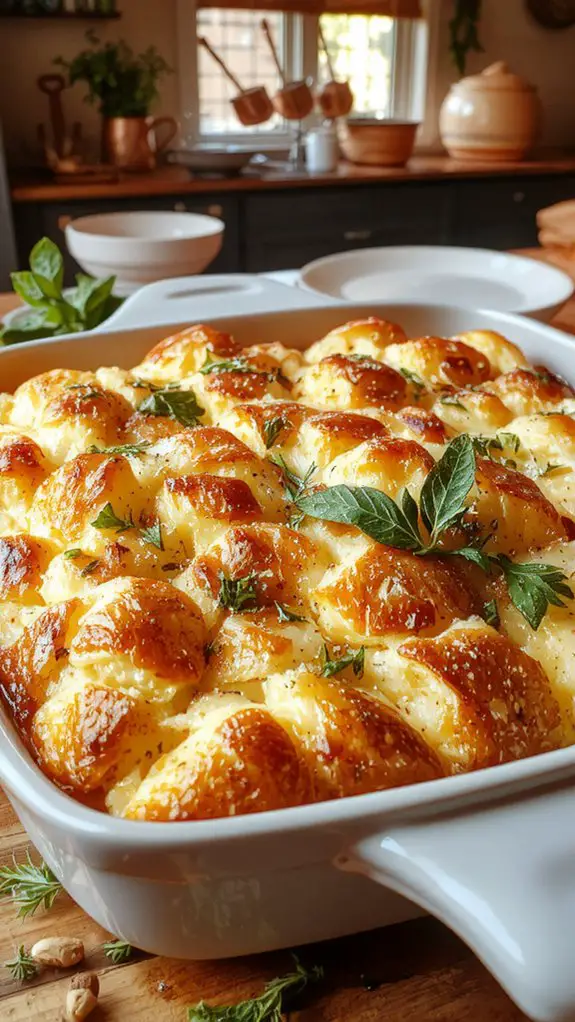
What to Serve With This Recipe
Leave a Review or Ask a Question
Your rating, tips, and questions help other home cooks. Tell us how it turned out or ask anything before you make it.