The Best Homemade Easy Crepe Recipe
Discover the secrets to perfecting homemade crepes effortlessly—light, versatile, and oh-so-easy to master. Your kitchen just got a whole lot tastier.

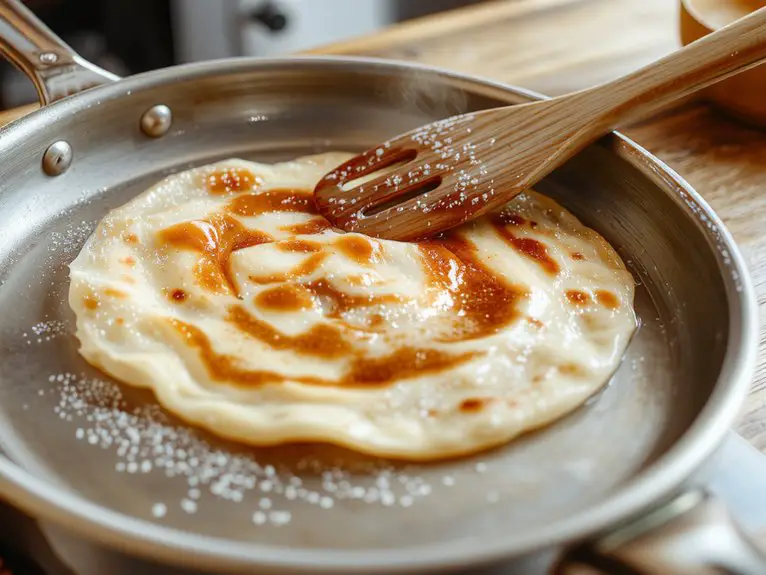
I’ve always found crepes to be one of the most versatile dishes, yet so many get intimidated by their elegance. This easy recipe changed my perspective entirely—simple ingredients, quick prep, and a technique anyone can master. The result is thin, golden crepes that adapt effortlessly, whether you’re craving sweet or savory. Once you nail the basics, you’ll find yourself experimenting endlessly. Why not start with this foolproof method and see where it takes you?
Recipe
Let me tell you, this homemade crepe recipe is an absolute game-changer. I’ve made these so many times, I could probably do it with my eyes closed, and trust me, once you try them, you’ll never go back to store-bought.
The secret? A perfectly balanced batter that’s just the right mix of simplicity and magic—flour, eggs, milk, and a hint of butter come together to create something truly special. These crepes are impossibly thin, tender, and delicately golden, with a buttery richness that’s utterly irresistible.
Whether you’re folding them into sweet masterpieces with Nutella and berries or stuffing them with savory fillings like ham and cheese, they’re endlessly versatile and downright delicious.
The best part? They’re so easy to whip up, even if you’ve never made crepes before. This recipe is your ticket to brunch stardom or a cozy breakfast in bed—go on, grab your skillet and let’s get flipping!
Ingredients
For the perfect homemade crepes, balance is key—too much flour and they’ll be dense; too little, and they’ll tear. The right ingredients guarantee a delicate, golden crepe with a slight chew. Here’s what you’ll need:
- All-purpose flour: The foundation of the batter. Use a kitchen scale for accuracy, or fluff and spoon into your measuring cup to avoid packing it.
- Eggs: They add structure and richness. Room temperature eggs mix more evenly into the batter.
- Milk: Whole milk is ideal for a creamy texture, but 2% works too. For a dairy-free option, unsweetened almond or oat milk can substitute.
- Water: Thins the batter slightly for that classic thin crepe. Don’t skip it!
- Butter: Melted and cooled, it adds flavor and helps prevent sticking. If you’re dairy-free, use a neutral oil like avocado or melted coconut oil.
- Salt: Just a pinch enhances the flavors.
- Sugar (optional): Adds a hint of sweetness. Skip it for savory crepes or increase it for dessert versions.
- Vanilla extract (optional): A splash elevates the flavor, especially for sweet crepes.
Pro Tip: Let the batter rest for at least 30 minutes (or overnight) to allow the flour to hydrate fully, securing a smoother texture.
If you’re feeling fancy, a splash of brandy or Grand Marnier in the batter adds a luxurious depth of flavor.
Non-Negotiables: Flour, eggs, and milk are essential—the rest can adapt to your pantry or preferences.
For showstopping presentation, dust with powdered sugar or drizzle with warm chocolate sauce and fresh berries.
How to Make the Best Classic French Crepe Recipe
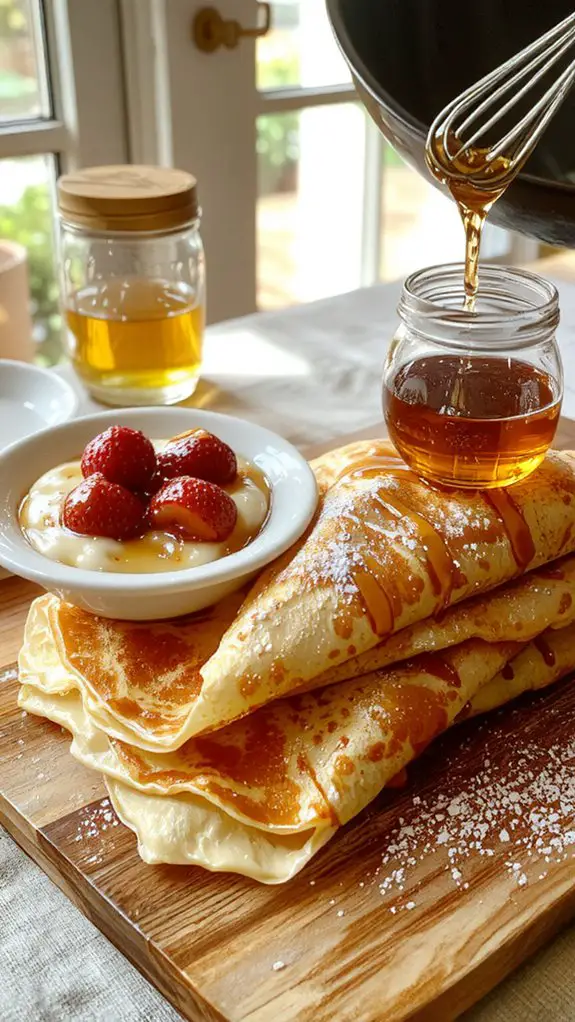
Heat a non-stick skillet or crepe pan over medium heat. Lightly grease the pan with butter or oil using a paper towel to guarantee even coverage. The pan should be hot but not smoking—test by dropping a small amount of batter to see if it sizzles gently.
Pour a ladleful of batter into the pan. Tilt and swirl the pan immediately to spread the batter into a thin, even layer. Work quickly to avoid uneven thickness.
Pro tip: Use a ladle with a consistent pour for uniform crepes.
Cook for about 1-2 minutes until the edges lift and the surface sets. Look for small bubbles forming on the surface and light golden edges.
Use a spatula to gently lift and check the underside for even browning.
Flip the crepe carefully and cook for another 30 seconds to 1 minute. Slide the spatula underneath and swiftly flip to avoid tearing. The second side cooks faster, so keep an eye on it to prevent overcooking.
Transfer the cooked crepe to a plate and cover with a towel. Stacking crepes keeps them warm and pliable.
If stacking directly, place parchment paper between layers to prevent sticking.
Repeat with the remaining batter, adjusting heat as needed. The pan may get hotter over time, so reduce the heat slightly if crepes start browning too quickly.
Re-grease the pan sparingly between crepes to maintain consistency.
Serve immediately or store for later. Crepes are best enjoyed fresh but can be refrigerated or frozen with parchment paper between layers for future use.
Reheat gently in a pan or microwave.
Nutrition
Crepes are a delightful treat that can be customized with various fillings. Here’s a breakdown of their nutritional value per serving (one crepe):
| Calories: 90 | Protein: 3g | Carbohydrates: 10g | Sugars: 1g | Fat: 4g | Saturated Fat: 2g | Cholesterol: 25mg | Sodium: 50mg | Fiber: 0g |
Chef Tips
I’ve found that mastering crepes comes down to technique and consistency. Start with a hot skillet and lightly grease it with butter between each crepe. Swirl the batter evenly for thin layers.
Don’t flip too early—wait for edges to lift and bubbles to form. Keep cooked crepes warm under a towel.
Practice makes perfect, so repeat until you’re confident. Your patience’ll pay off with flawless crepes every time.
What to Serve With This Recipe

Leave a Review or Ask a Question
Your rating, tips, and questions help other home cooks. Tell us how it turned out or ask anything before you make it.