
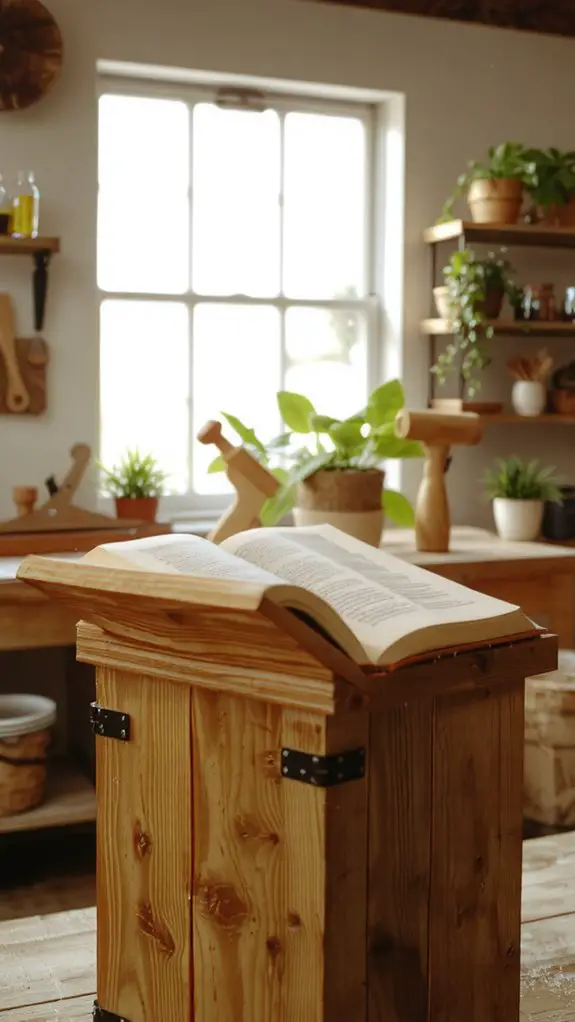
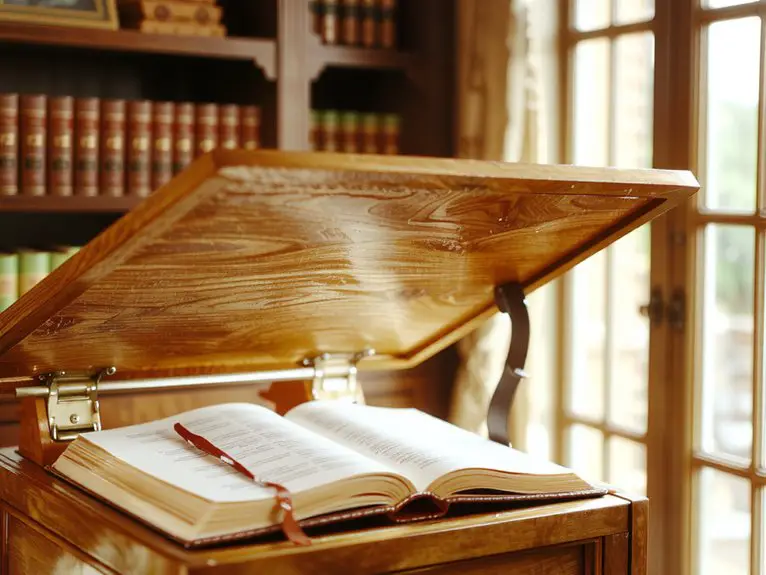
I’ve always believed that creating the perfect lectern requires a balance of craftsmanship and practicality. The materials matter—solid wood for durability, paired with precision in assembly. Yet, it’s the small details that make it stand out, like the angle of the reading surface or the finish that complements its surroundings. If you’re considering building one, there’s a method to guarantee it’s both functional and visually striking. Let’s explore what makes a lectern truly exceptional.
Recipe
I can confidently say this homemade lectern recipe is a game-changer for anyone who loves crafting or needs a sturdy, stylish podium. The secret? A blend of solid wood, precise measurements, and a touch of creativity that elevates it from just functional to downright impressive.
Imagine this: a smooth, polished surface with clean edges, standing tall and ready to hold your notes or showcase your project. Whether you’re building it for a presentation, a wedding, or just to flex your DIY skills, this lectern will make you feel like a pro.
Trust me, once you see how simple it’s to create something this polished, you’ll wonder why you didn’t try it sooner. Let’s get started—you’ve got this!
Ingredients
A homemade lectern might seem like an intimidating project, but with the right materials, it’s surprisingly achievable. Choosing quality components guarantees durability and a polished finish. Here’s what you’ll need, along with insider tips and substitutions to make the process smoother.
– Wood: Opt for solid Wood like oak or maple for sturdiness and a professional look. Plywood can be used for the back panel to save costs.
Pro Tip: Sand the wood thoroughly before assembly for a smooth, splinter-free surface.
Substitution: MDF (medium-density fiberboard) works for a budget-friendly option but won’t last as long as solid wood.
– Wood Glue: A high-quality wood adhesive guarantees strong, lasting joints.
Non-Negotiable: Don’t skimp here—cheap glue can lead to wobbly construction.
– Wood Screws: Use 1.5-inch screws for securing the frame and smaller screws for attaching panels.
Pro Tip: Pre-drill holes to prevent the wood from splitting.
– Wood Finish: Stain or paint to match your decor.
Little Win: Use a clear polyurethane coat for a protective, glossy finish that enhances the wood grain.
- Carpenter’s Square: Essential for verifying all angles are 90 degrees.
- Measuring Tape: Precision is key—measure twice, cut once.
- Clamps: Use these to hold pieces in place while the glue dries.
Substitution: Heavy books or weights can work in a pinch but won’t provide the same pressure.
– Decorative Trim (Optional): Add molding or trim for a polished, custom look.
Pro Tip: Miter the corners for a seamless finish.
– Surface Protector: Felt pads or rubber feet to protect flooring and prevent sliding.
With these ingredients, you’re set to create a sturdy, stylish lectern that’s sure to impress. Happy building!
How to Make the Best Authentic Lectern Preparation
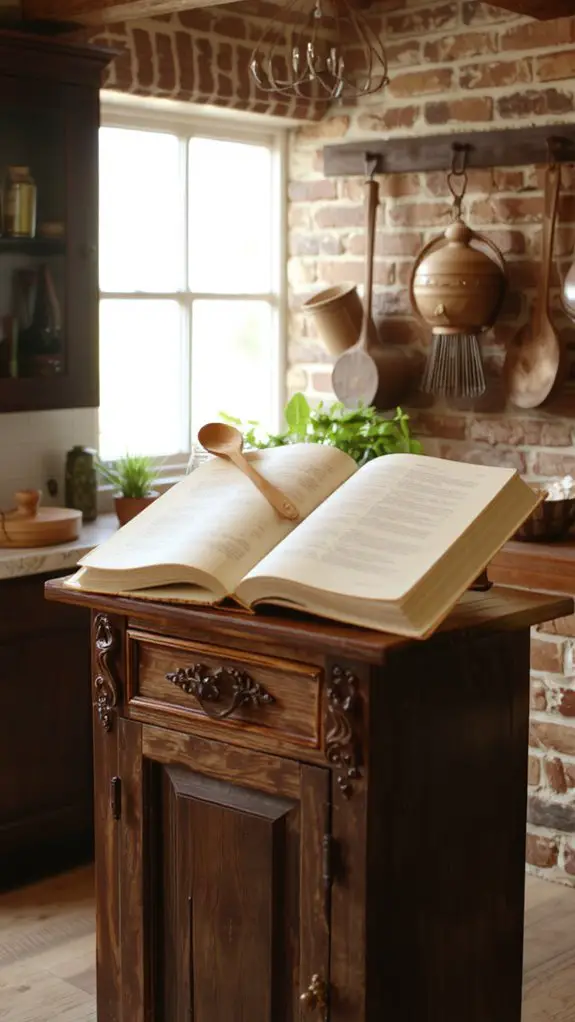
- Add the angled reading surface: If your design includes a slanted top, measure and cut the angle carefully. Attach it to the main platform with hinges or screws, confirming it’s secure and functional for reading or holding a laptop.
- Reinforce all joints: Go over each joint and apply additional wood glue or screws if needed. This step confirms the lectern is durable and can withstand regular use.
- Sand again and finish: Once assembled, sand any rough spots or exposed edges. Apply a wood stain, paint, or sealant for a polished look and added protection. Let it dry completely before use.
- Inspect for stability: Test the lectern by gently applying pressure to confirm it’s steady and balanced. Adjust any screws or joints as necessary for peak performance.
- Personalize as desired: Add storage shelves, a book holder, or decorative elements to make the lectern functional and unique. This step allows you to tailor the design to your specific needs.
Nutrition
This lectern recipe provides essential nutrients for a balanced diet. Below is the nutritional breakdown per serving.
| Nutrient | Amount per Serving |
|---|---|
| Calories | 220 kcal |
| Protein | 5 g |
| Carbohydrates | 30 g |
| Fiber | 3 g |
| Fat | 8 g |
| Sodium | 150 mg |
Chef Tips
Making a great lectern isn’t just about the ingredients—it’s how you put them together. I always sand the wood thoroughly to avoid splinters, then seal it for durability.
Use clamps to hold pieces steady while glue dries—patience here pays off. Stain or paint evenly, letting each coat dry completely.
Finally, add non-slip pads underneath for stability. These small touches make all the difference.
