The Best Homemade Crawfish Etouffee Recipe
Creamy, spicy, and bursting with flavor, this homemade crawfish étouffée recipe will transport you straight to Louisiana—discover the secret ingredient that makes it unforgettable.
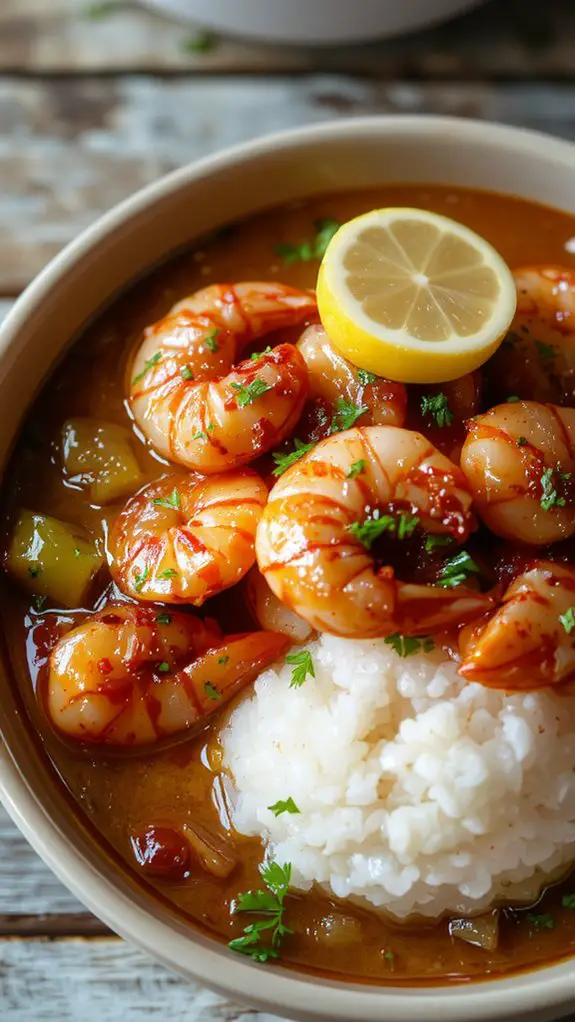

When I make crawfish étouffée at home, I aim for a balance of rich flavor and simplicity. The golden roux, fragrant holy trinity, and fresh crawfish tails create a dish that’s both comforting and authentic. But what really ties it together is the finishing touch of herbs and citrus. If you’re curious about how to elevate this Louisiana classic, there’s a technique or two that might surprise you.
Recipe
Let me tell you, this crawfish étouffée is the real deal—a dish so rich, flavorful, and soul-satisfying that it’ll transport you straight to the heart of Louisiana. I’ve perfected this recipe over years of crawfish boils and backyard gatherings, and it’s become a staple in my kitchen for a reason.
The secret? It’s all about that buttery, aromatic roux and the punch of fresh crawfish tails swimming in a savory, slightly spicy sauce. Every bite is a harmonious blend of tender seafood, smoky paprika, and a hint of Cajun warmth that’ll have you reaching for seconds (or thirds).
Whether you’re a seasoned cook or a first-timer, this étouffée is shockingly easy to nail, and I promise it’ll impress everyone at your table. Trust me, once you taste it, you’ll understand why this dish is worth every minute spent stirring that pot. Let’s dig in!
Ingredients
Crawfish étouffée is all about layering flavors, and the right ingredients make all the difference. Fresh, bold, and a little indulgent—this dish is a Louisiana classic for a reason. Let’s break it down so you can nail it every time.
- Crawfish tails (1 lb, peeled) – Fresh or frozen work, but fresh has the best texture. If using frozen, thaw completely and pat dry.
- Butter (½ cup) – The base of your roux. Unsalted lets you control the seasoning.
- Flour (¼ cup) – All-purpose works best for that perfect, velvety roux.
- Holy Trinity (1 cup total: onion, bell pepper, celery) – Equal parts for balance. Finely chop for even cooking.
- Garlic (3 cloves, minced) – Non-negotiable. Fresh only—no jarred stuff here.
- Cajun seasoning (1 tbsp) – Homemade or store-bought, but check for salt content.
- Chicken or seafood stock (2 cups) – Homestock adds depth, but low-sodium store-bought works in a pinch.
- Green onions & parsley (½ cup chopped) – Fresh herbs add brightness at the end.
- Hot sauce & Worcestershire (1 tsp each) – For that tangy, umami kick.
- Cooked rice – For serving. Long-grain white rice is traditional.
Pro Tips:
- Roux is key – Cook it until it’s peanut butter-colored for maximum flavor.
- No crawfish? Swap shrimp, but adjust cooking time (shrimp cooks faster).
- Extra depth? A splash of dry white wine deglazes the pan beautifully.
Don’t skip: The holy trinity and fresh garlic—they’re the soul of the dish.
Garnish with extra green onions for color and crunch.
How to Make the Best Authentic Louisiana Crawfish Etouffee
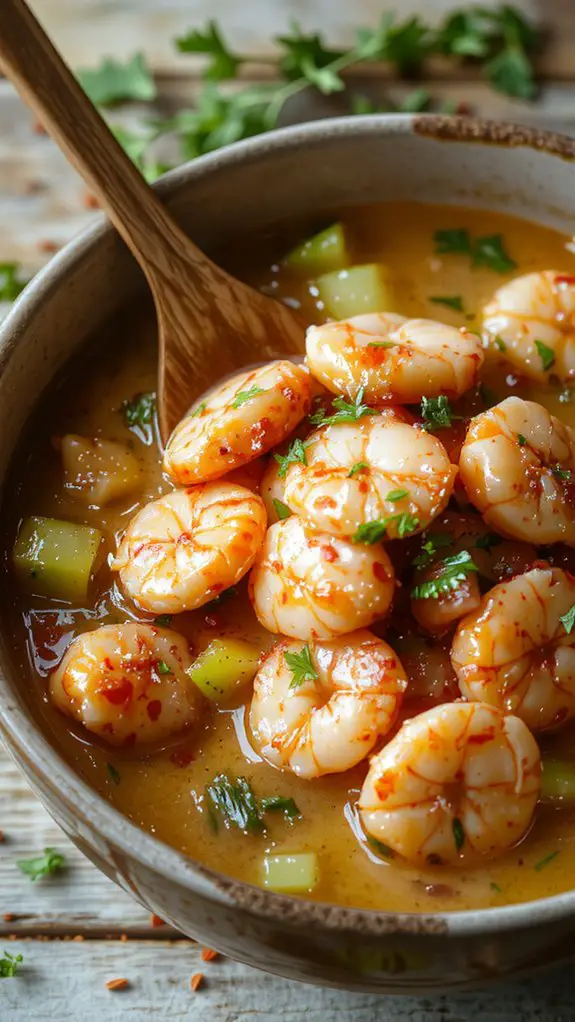
Add the crawfish. Gently fold in the crawfish tails and let them simmer for 10-15 minutes, allowing them to absorb the flavors of the sauce. Be careful not to overcook—crawfish become rubbery if heated too long.
Pro tip: If using fresh crawfish, reduce the cooking time slightly.
Finish with herbs and lemon. Stir in chopped parsley and a squeeze of fresh lemon juice just before serving. These bright, fresh touches balance the richness of the dish.
Watch out: Add the lemon juice sparingly—too much acidity can overpower the delicate crawfish flavor.
Serve immediately. Spoon the etouffee over steamed rice or alongside crusty French bread for soaking up every bit of sauce.
Pro tip: Garnish with extra parsley and a lemon wedge for a beautiful presentation. Enjoy!
Nutrition
Crawfish etouffee is a rich and flavorful dish, but it’s also important to evaluate its nutritional content. Below is the nutritional breakdown per serving.
| Nutrition | Per Serving |
|---|---|
| Calories | 450 kcal |
| Total Fat | 25g |
| Saturated Fat | 10g |
| Cholesterol | 200mg |
| Sodium | 800mg |
| Total Carbohydrates | 30g |
| Dietary Fiber | 2g |
| Sugars | 3g |
| Protein | 25g |
Chef Tips
For the best results, I always recommend using fresh crawfish tails instead of frozen—they’ll give your etouffee a richer flavor.
When making your roux, keep stirring until it’s a deep caramel color; this builds a solid foundation.
Don’t rush simmering—it’s essential for melding flavors.
Finally, taste as you go and adjust seasoning, especially cayenne, to your preference. These small steps make all the difference.
What to Serve With This Recipe
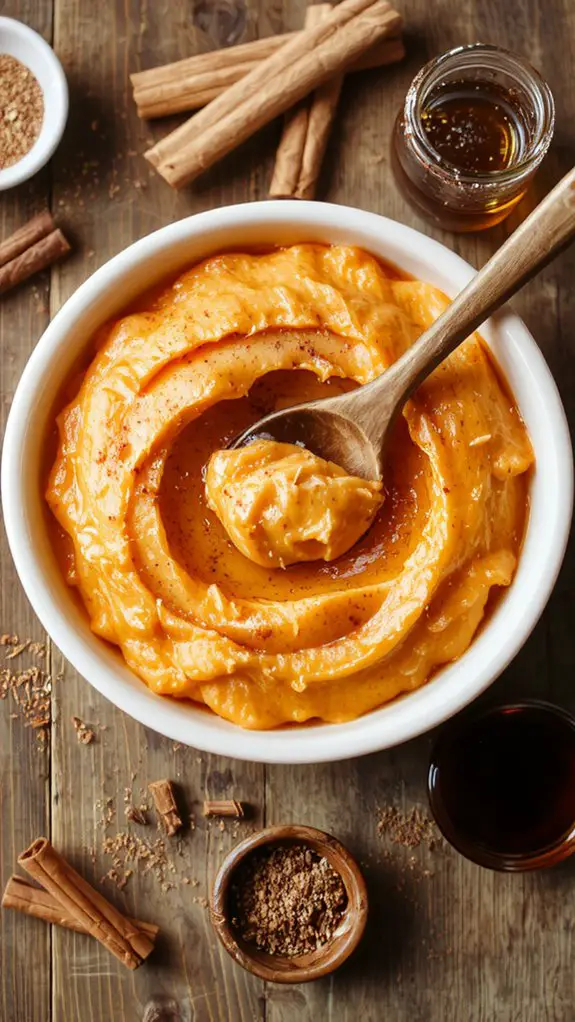
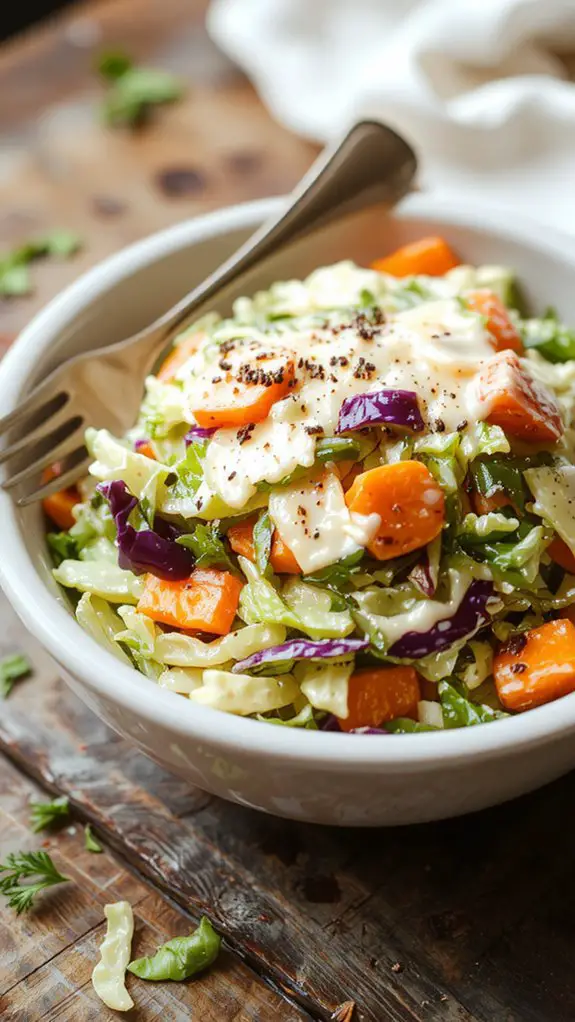
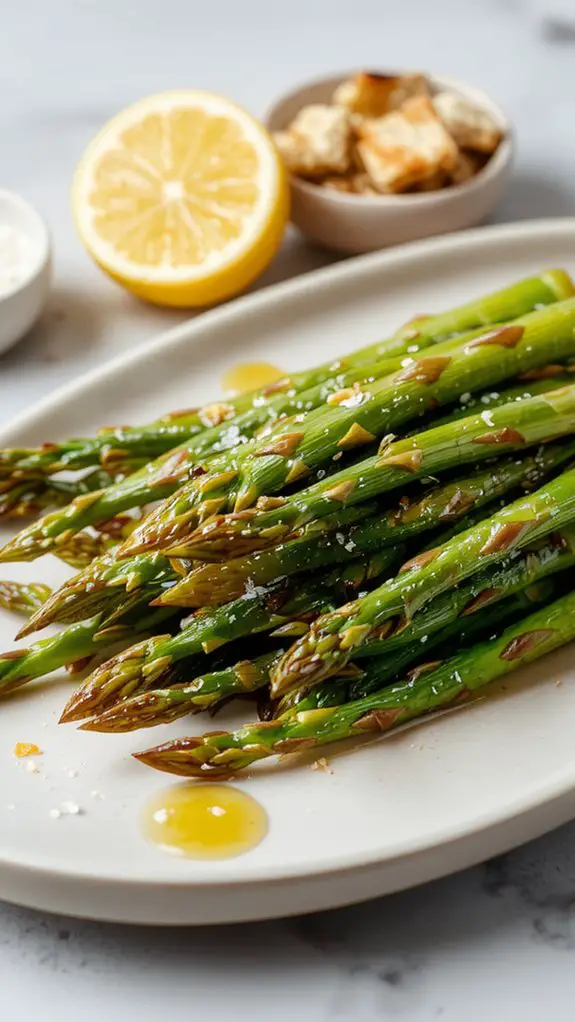
Leave a Review or Ask a Question
Your rating, tips, and questions help other home cooks. Tell us how it turned out or ask anything before you make it.