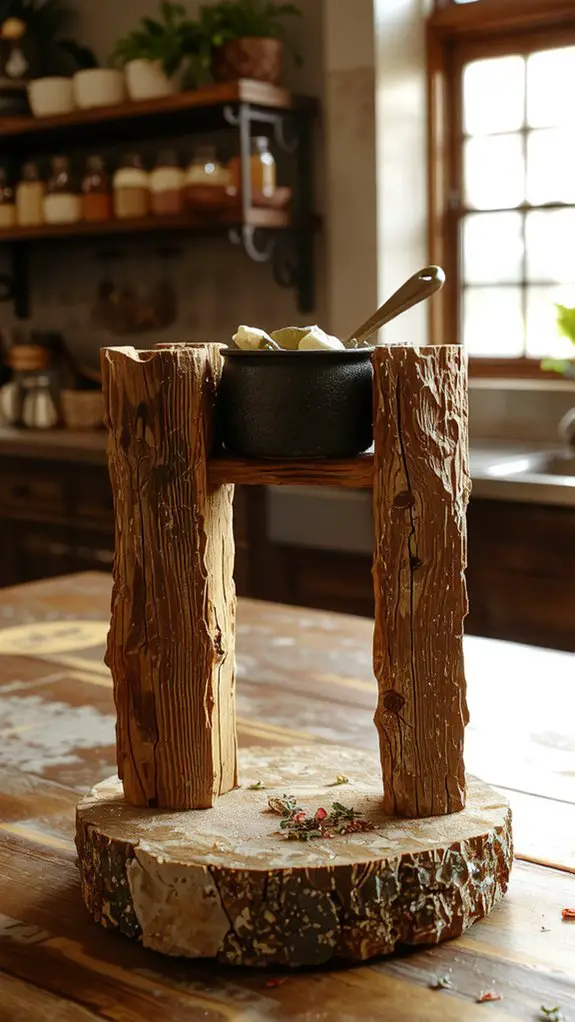
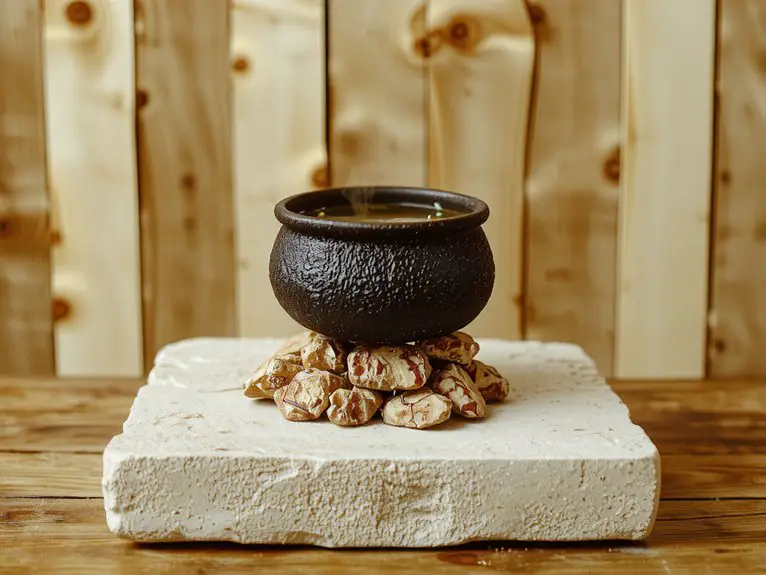
I’ve spent years perfecting my brewing stand, and I’ve found that the right materials make all the difference. A sturdy base, proper heat sources, and careful construction are key to brewing success. But there’s one secret ingredient that elevates it beyond the rest. If you want a stand that’s both functional and stylish, you’ll need to contemplate more than just the basics. Let’s break down what really works.
Recipe
There’s something magical about brewing your own stand—it’s not just functional, it’s a game-changer. I’ve tweaked this recipe more times than I can count, and trust me, once you try it, you’ll never go back to store-bought.
The secret? A perfect balance of sturdy materials and clever design, giving you a stand that’s both reliable and easy to use. Picture smooth oak planks, polished to perfection, with just the right amount of grip to hold your brews steady.
Whether you’re a seasoned brewer or just starting out, this stand will make every potion session feel effortless. Let’s get building—you’re gonna love how this turns out.
Ingredients
When it comes to crafting your own brewing stand, the right ingredients can make all the difference. Whether you’re a seasoned brewer or just starting out, these key components will guarantee your setup is efficient and effective. Here’s what you’ll need:
Essential Components:
- Blaze Rods – The backbone of your brewing stand. They provide the necessary heat for brewing potions. Without these, your setup won’t work.
- Cobblestone – A sturdy and easily accessible material for constructing the stand’s base. You can swap this out for stone bricks if you’re aiming for a more polished look.
Optional Upgrades:
- Iron Bars – Adding these can give your stand a more industrial, barricade-like appearance.
- Glass Bottles – While not part of the stand itself, having these handy secures you’re ready to brew potions as soon as your setup is complete.
Pro Tips:
- Blaze Rods Are Non-Negotiable – There’s no substitute for these; they’re essential for the stand to function.
- Cobblestone Substitution – If cobblestone feels too basic, smooth stone or even wood planks can work for a rustic vibe.
- Glass Bottles Preparation – Collect extra sand to craft more bottles in advance—being prepared saves time during brewing sessions.
How to Make the Best “Craft Perfect Brewing Stand
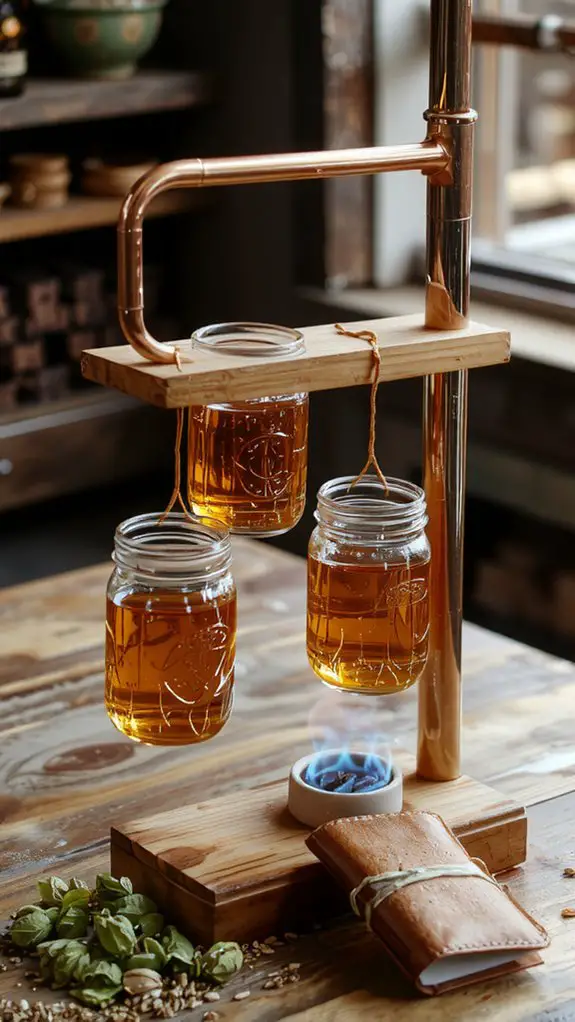
- Gather Your Materials: Start by collecting all necessary items—a sturdy base (like a stone slab), a few wooden planks, and some cobblestones. Having everything ready before you begin guarantees a smooth crafting process.
- Prepare the Base: Place the stone slab on a flat, accessible surface. This acts as the foundation for your brewing stand, so make sure it’s stable and level.
- Assemble the Frame: Stack the wooden planks vertically around the edges of the stone slab, leaving space for the cobblestones in the center. This creates a protective frame for the brewing stand.
- Place the Cobblestones: Carefully arrange the cobblestones in the center of the frame. These will hold the brewing pot securely, so verify they’re evenly spaced and firmly placed.
- Final Touches: Double-check all components to confirm stability. Adjust any uneven planks or cobblestones to prevent wobbling during use.
- Test Your Stand: Before brewing, place a small pot on the cobblestones to confirm it sits securely. This step prevents spills or accidents during the brewing process.
- Pro Tip: If you’re short on cobblestones, smooth stones can be a flexible alternative. Just check they’re heat-resistant to withstand brewing temperatures.
- Watch Out: Avoid placing the stand near flammable materials, as brewing can involve heat and open flames. Safety first!
- Flexibility: Customize the height of your stand by adjusting the number of wooden planks. Taller stands can accommodate larger pots, but maintain stability as a priority.
- Visual Cue: A well-crafted brewing stand should feel sturdy, with all components securely in place. If anything shifts easily, reinforce the base or frame before use.
Nutrition
Homemade brewing stands are simple tools for creating beverages, but their nutritional value depends on the ingredients used. Here’s an example of a basic homemade brewing stand’s nutritional profile:
| Nutrient | Amount per Serving |
|---|---|
| Calories | 0 kcal |
| Carbohydrates | 0 g |
| Protein | 0 g |
| Fat | 0 g |
| Fiber | 0 g |
| Sugar | 0 g |
| Sodium | 0 mg |
| Cholesterol | 0 mg |
Chef Tips
Creating the perfect brew starts with a few key tips I’ve picked up over time. Always use fresh, high-quality ingredients—they make a huge difference.
Keep your equipment clean to avoid off-flavors. Control the temperature carefully; too hot or cold can ruin the brew.
Finally, be patient during fermentation—rushing it compromises the taste. These simple steps guarantee a smoother, more flavorful result every time.