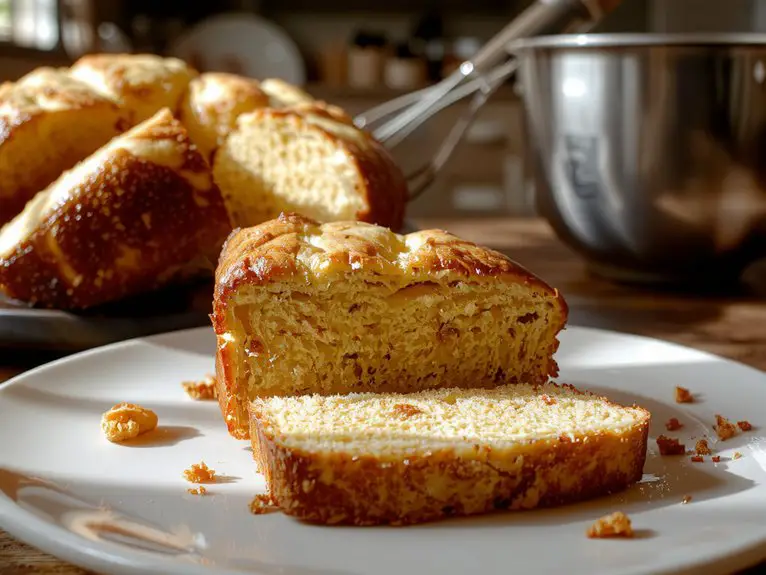
I’ve tried countless pound cake recipes, but this one stands out for its simplicity and rich, buttery flavor. The key lies in using real butter, fresh vanilla, and buttermilk, which create a moist, tender crumb that’s hard to resist. Whether you’re new to baking or a seasoned pro, this recipe offers a balance of indulgence and ease. Let’s uncover what makes it truly exceptional—and why it’s become a staple in my kitchen.
Recipe
I can confidently say this cake recipe is a showstopper—a perfect balance of moist, tender crumb and rich, indulgent flavor that will have everyone asking for seconds. What makes it special? It’s all in the details: real butter, fresh vanilla, and a touch of buttermilk to guarantee it’s light yet decadent.
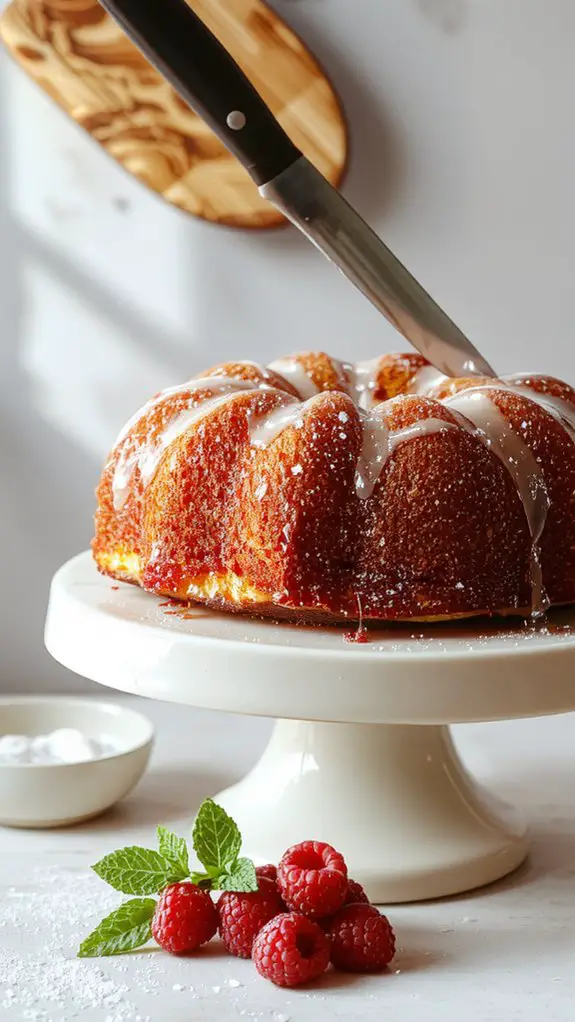
My go-to for birthdays, holidays, or just because, this cake always hits the spot. Visualize this: a golden, slightly springy cake with a delicate crumb, paired with a silky frosting that melts in your mouth.
Trust me, once you try it, you’ll never go back to boxed mixes. Let’s get baking—it’s easier than you think, and the results are absolutely worth it.
Ingredients
Intro:
Every great cake starts with the right ingredients—each one playing a key role in texture, flavor, and that irresistible homemade charm.
Whether you’re a baking novice or a seasoned pro, these carefully chosen elements (and a few insider swaps) will guarantee your cake turns out perfectly every time.
Ingredients:
- Flour – All-purpose flour gives structure, but for a lighter crumb, swap in cake flour. *Pro tip: Sift it first to avoid lumps!*
- Sugar – Granulated sugar sweetens, but brown sugar adds depth. *Must-have for caramel notes.*
- Eggs – Room temperature eggs blend smoother. *Non-negotiable for that velvety batter!*
- Butter – Unsalted butter lets you control saltiness. *No butter? Coconut oil works—but the flavor changes.*
- Milk – Whole milk keeps it moist. *No buttermilk? Mix milk + 1 tsp vinegar for a tangy kick.*
- Baking Powder/Soda – Fresh is key! *Test baking soda with vinegar—if it bubbles, it’s active.*
- Vanilla Extract – Pure extract beats artificial. *Splurge here—it’s the flavor backbone!*
- Salt – Just a pinch balances sweetness. *Skip it, and your cake will taste flat.*
Extras for Elevation:
- Lemon zest for brightness (“A must for citrusy pop!”)
- Fresh berries folded in or garnished (“Doubles the wow factor!”)
- Dark chocolate chunks (“Melty pockets of joy!”)
Frosting Essentials:
- Powdered sugar (sifted!) for smoothness
- Cream cheese for tang (“No sub—this makes it iconic!”)
- Heavy cream for fluffier peaks *(“Whipped to stiff peaks = dreamy texture!”*
How to Make the Best Best Pound Cake Recipe
- Add 4 large eggs one at a time, beating well after each addition. Make sure each egg is fully incorporated before adding the next to avoid a dense or uneven texture. Scrape down the sides of the bowl as needed to guarantee everything is evenly mixed.
- Mix in 1 teaspoon of vanilla extract for a classic, warm flavor. If you’re feeling adventurous, add a splash of almond extract for a subtle nutty aroma.
- Whisk together 3 cups of all-purpose flour, 1 teaspoon of baking powder, and ½ teaspoon of salt in a separate bowl. This secures the leavening agents are evenly distributed, which helps the cake rise uniformly.
- Alternately add the dry ingredients and 1 cup of milk to the butter mixture, starting and ending with the dry ingredients. Mix on low speed just until combined—overmixing can lead to a tough cake.
- The batter should be smooth and thick but still pourable.
- Fold in any mix-ins like fresh fruit or chocolate chips if desired. If using fruit, toss it in a tablespoon of flour first to prevent it from sinking to the bottom during baking.
- Pour the batter into the prepared pan and smooth the top with a spatula. For an even bake, gently tap the pan on the counter to release any air bubbles.
- Bake for 60-70 minutes, or until a toothpick inserted into the center comes out clean or with a few moist crumbs. If the top browns too quickly, tent it with aluminum foil halfway through baking.
- Let the cake cool in the pan for 15 minutes, then transfer it to a wire rack to cool completely. This prevents the cake from becoming soggy as it cools.
- Slice and serve once it’s at room temperature for the best texture and flavor.
- Store leftovers in an airtight container at room temperature for up to 3 days or freeze for up to 3 months. To freeze, wrap individual slices in plastic wrap and place them in a freezer-safe bag for easy thawing.
Nutrition
Homemade cakes can vary widely in nutritional content based on ingredients and serving sizes. Below is a general breakdown for a typical slice.
| Nutrition (per slice) | Amount |
|---|---|
| Calories | 250 kcal |
| Total Fat | 10 g |
| Saturated Fat | 6 g |
| Carbohydrates | 35 g |
| Sugars | 20 g |
| Protein | 3 g |
| Sodium | 150 mg |
Chef Tips
While baking a cake might seem straightforward, I’ve found that a few key tips can make all the difference in achieving a perfect result. Always use room-temperature ingredients for even mixing.
Don’t overbeat the batter—it can make the cake dense. Preheat your oven to guarantee consistent baking.
Test for doneness with a toothpick; it should come out clean. Let the cake cool completely before frosting to avoid melting.