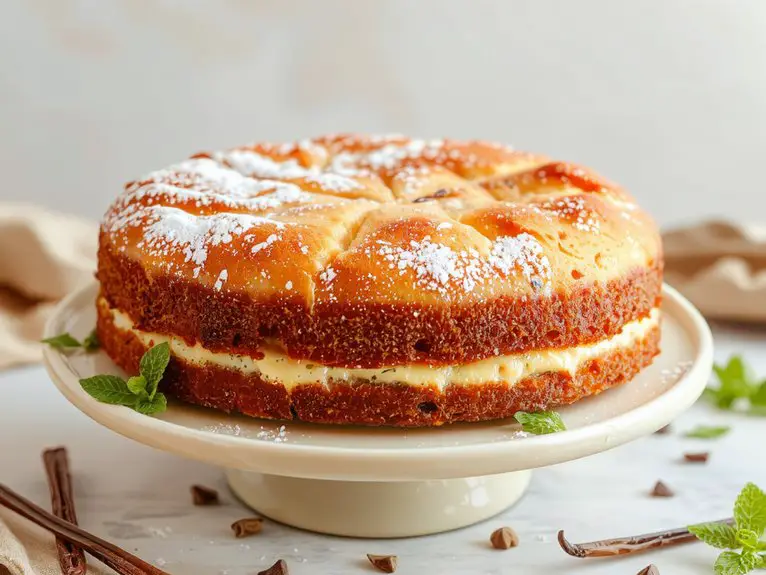
If you’ve been searching for a simple yet delicious vanilla cake recipe, you’ve come to the right place. This version uses basic ingredients you likely already have, but the result is anything but ordinary. The secret lies in the balance of flavors and the method, ensuring a moist, tender crumb every time. Curious about how to achieve that perfect texture and taste? Let me guide you through the steps.
Recipe
There’s something magical about a perfectly baked vanilla cake—soft, buttery, and bursting with pure vanilla flavor. This recipe? It’s the one I swear by, the kind that turns first-time bakers into cake-making pros and leaves everyone asking for seconds.
What makes it special? Real vanilla bean or high-quality extract, whipped butter for that dreamy crumb, and just the right balance of sweetness.
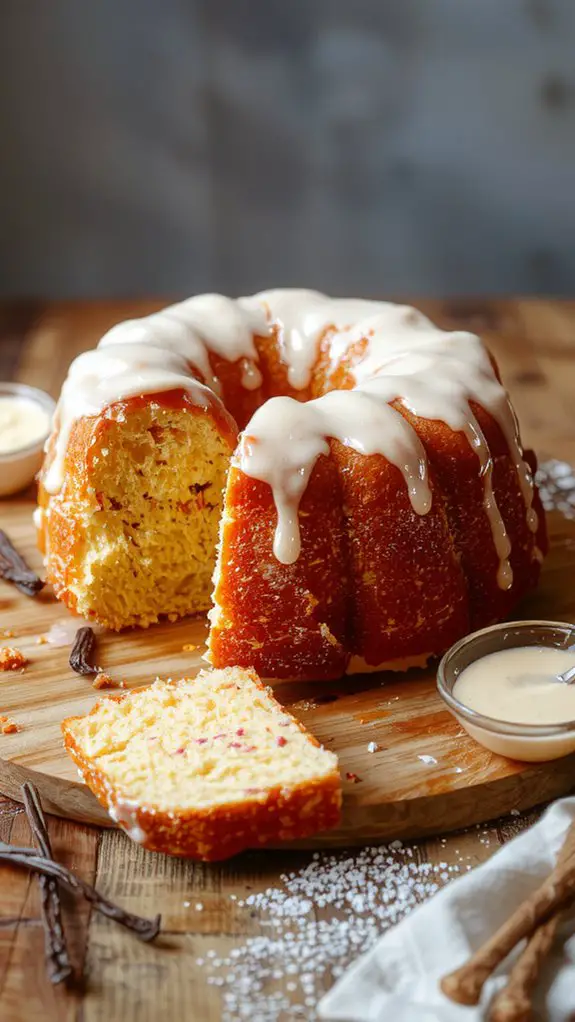
Imagine this: a tender, golden cake with a delicate crumb that practically melts in your mouth, topped with a silky vanilla frosting. Whether it’s for birthdays, celebrations, or just because, this cake never disappoints.
Trust me, once you try it, you’ll never go back to boxed mixes again. Let’s bake something unforgettable!
Ingredients
Every great vanilla cake starts with quality ingredients—the right balance creates a moist, tender crumb with pure, aromatic flavor. Here’s what you’ll need, plus insider tricks to make it shine:
Dry Ingredients:
- 1 ½ cups (190g) all-purpose flour – Spoon and level it to avoid dense cake.
- 1 ½ tsp baking powder – Freshness matters! Check the expiration date.
- ¼ tsp salt – Enhances flavor; skip it and the cake will taste flat.
Wet Ingredients:
- ½ cup (113g) unsalted butter, room temp – Must be softened (not melted!) for proper creaming.
- 1 cup (200g) granulated sugar – Superfine sugar dissolves faster for a smoother batter.
- 2 large eggs, room temp – Cold eggs can curdle the batter.
- 2 tsp pure vanilla extract – Splurge on the real stuff—imitation vanilla lacks depth.
- ½ cup (120ml) whole milk, room temp – Swap with buttermilk for extra tenderness (add ½ tsp vinegar to milk as a hack).
- 2 tbsp vegetable oil – The secret to ultra-moist cake; don’t omit!
Pro Garnish (Optional but Worth It):
- Vanilla bean seeds – Scrape into the batter for flecks of real vanilla.
- Powdered sugar or whipped cream – Dust or dollop for a simple, elegant finish.
Substitutions:
- Butter → Coconut oil (for dairy-free, but expect a slight flavor change).
- Milk → Almond milk (works in a pinch, though the crumb may be less tender).
Non-Negotiable: Real vanilla and room-temperature ingredients make all the difference—don’t rush the process!
How to Make the Best Vanilla Cake Recipe Title
Preheat your oven to 350°F (175°C). This confirms the oven is at the right temperature when the cake goes in, which is vital for even baking.
Grease your cake pan with butter or non-stick spray and dust it with flour to prevent sticking. Pro tip: Use parchment paper for extra insurance against sticking.
Sift the dry ingredients together. In a medium bowl, combine flour, baking powder, and salt.
Sifting aerates the flour and removes lumps, resulting in a lighter, fluffier cake. Whisk them together thoroughly for even distribution.
Cream the butter and sugar. In a large bowl, beat softened butter and granulated sugar until light and fluffy. This can take 3-5 minutes with an electric mixer.
Proper creaming incorporates air into the batter, giving the cake structure. Pro tip: Make sure your butter is softened but not melted for the best texture.
Add the eggs one at a time, mixing well after each addition. This confirms each egg is fully incorporated and emulsifies the batter for a smooth texture.
Warning: Adding eggs all at once can cause the batter to curdle.
Mix in the vanilla extract. Pure vanilla extract boosts the flavor of the cake.
Pro tip: If you’re feeling adventurous, try adding a touch of almond extract for a subtle twist.
Alternately add dry ingredients and milk. Starting and ending with the dry ingredients, add them in three parts, alternating with milk in two parts.
Mix on low speed just until combined. This method prevents gluten from overdeveloping, confirming a tender crumb.
Watch out: Overmixing can make the cake dense.
Pour the batter into the prepared pan and smooth the top with a spatula.
Tap the pan lightly on the counter to release any air bubbles, which helps prevent uneven baking.
Bake for 25-30 minutes, or until a toothpick inserted into the center comes out clean.
Visual cue: The cake should be golden brown and spring back when lightly touched.
Pro tip: Rotate the pan halfway through baking for even browning if your oven has hot spots.
Let the cake cool in the pan for 10 minutes before transferring it to a wire rack to cool completely.
Cooling in the pan helps it set, but leaving it too long can cause it to steam and become soggy.
Pro tip: If you’re frosting the cake, make sure it’s completely cool to avoid melting the frosting.
Flexibility: This recipe works for 8-inch or 9-inch round pans, or you can use a loaf pan for a different shape.
Adjust baking times slightly based on your pan size and oven quirks.
Nutrition
A slice of homemade vanilla cake provides a delightful treat with essential nutrients. Here’s a breakdown of its nutritional profile:
Calories | 350
Total Fat | 15g
Saturated Fat | 9g
Cholesterol | 60mg
Sodium | 200mg
Carbohydrates | 50g
Sugar | 30g
Protein | 5g
Chef Tips
I’ve found that using room-temperature ingredients makes a significant difference in achieving a smooth batter. Always cream the butter and sugar thoroughly for a light, airy texture.
Sift the dry ingredients to prevent lumps and secure even mixing.
Don’t overmix the batter; stop as soon as it’s combined.
Finally, preheat the oven and use a toothpick to check for doneness—it should come out clean. These steps guarantee a perfect cake every time.