I’ve always found flounder to be one of the most versatile fish for a quick, elegant meal. Its delicate flavor pairs beautifully with simple ingredients like butter, garlic, and lemon, but achieving the perfect texture can be tricky. After countless trials, I’ve landed on a method that guarantees tender, flaky fillets every time, with a pan sauce that elevates it to restaurant-quality. The secret lies in timing and technique—let me show you.
Recipe
Listen, if there’s one flounder recipe that’ll make you swear off seafood restaurants forever, it’s this one. Trust me, I’ve made this countless times, and it’s foolproof every single time.
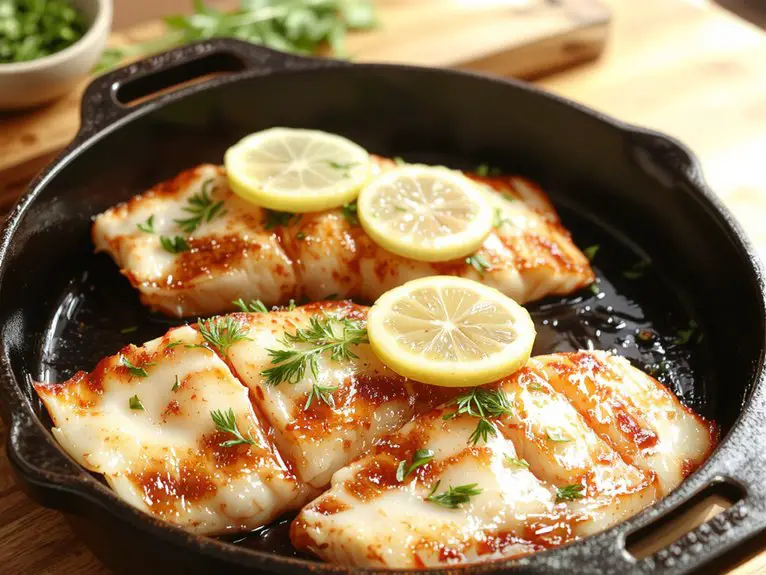
The secret? Fresh, high-quality flounder paired with a buttery, garlicky pan sauce that’s so good, you’ll want to lick the plate. Add a squeeze of fresh lemon right at the end, and it’s like a burst of sunshine on your plate.
The fish? Perfectly tender, flaky, and just melts in your mouth. And the best part? It’s ready in under 30 minutes.
Whether you’re cooking for a date night, a family dinner, or just treating yourself, this recipe is a total winner. Let’s get started—your taste buds are going to thank you.
Ingredients
For the perfect flounder dish, fresh ingredients are non-negotiable. Flounder’s delicate flavor thrives with complementary flavors, so quality is key. Here’s what you’ll need to make this standout recipe, along with insider tips and easy swaps to keep it stress-free.
- Fresh flounder fillets – Look for firm, translucent fillets with a mild sea scent. Avoid any that smell overly fishy. If flounder isn’t available, sole or tilapia are great substitutes.
- Salt and freshly ground black pepper – These basics are essential for seasoning; don’t skimp.
- Lemon – Fresh lemon juice and zest add a bright, tangy kick. Bottled juice just doesn’t compare here.
- Fresh parsley – A must for that final garnish and a burst of freshness. Dried parsley works in a pinch but won’t have the same impact.
- Garlic – Freshly minced garlic brings depth and aroma. Powder can work, but fresh is ideal.
- Butter – Unsalted butter for sautéing guarantees rich, buttery flavor. If you’re out, olive oil is a solid alternative.
- All-purpose flour – A light coating for the fish guarantees a golden, crispy exterior. Gluten-free flour works if needed.
- White wine or chicken broth – For deglazing the pan and creating a light, flavorful sauce. If avoiding alcohol, stick with broth.
- Capers – Optional, but they add a briny, gourmet touch. If you’re not a fan, skip them or substitute with chopped olives.
Pro tip: If you’re feeling fancy, sprinkle a pinch of smoked paprika or red pepper flakes for a subtle smoky or spicy kick.
Fresh herbs like dill or chives also make excellent garnishes for extra flair.
How to Make the Best Lemon Herb Flounder Recipe
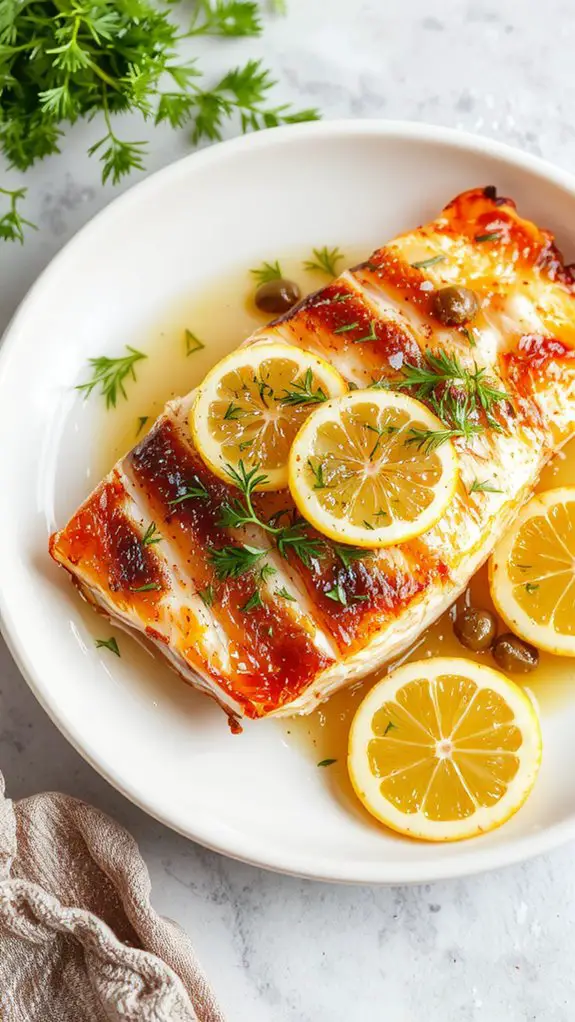
- Preheat your oven to 375°F (190°C) – Guarantees even cooking and a perfectly flaky texture.
- *Pro Tip:* Use an oven thermometer for accuracy—home ovens often run hot or cold.
- Pat the flounder fillets dry with paper towels – Removes excess moisture so the seasoning sticks better and prevents steaming.
- *Watch-Out:* Wet fish won’t brown properly in the pan.
- Season both sides of the fillets with salt and pepper – Enhances natural flavors evenly.
- *Why:* Salt draws out moisture, so season just before cooking to avoid drying.
- Heat olive oil in a large skillet over medium-high heat – A hot pan guarantees a crispy exterior.
- *Visual Cue:* Oil should shimmer but not smoke.
- Sear fillets for 2–3 minutes per side – Gives a golden crust while keeping the inside tender.
- *Flexibility:* Adjust time slightly for thicker/thinner fillets.
- Transfer skillet to the oven and bake for 5–7 minutes – Finishes cooking gently without overcooking.
- *Pro Tip:* Use an oven-safe skillet to avoid extra dishes.
- Top with lemon zest, fresh herbs, and a drizzle of melted butter – Brightens flavors and adds richness.
- *Order Matters:* Add herbs last to preserve their freshness.
- Serve immediately with lemon wedges – Best enjoyed hot for maximum flavor and texture.
- *Time-Saver:* Prep sides ahead so the fish is the last thing cooked.
Nutrition
This homemade flounder recipe is both delicious and nutritious, offering a good source of protein and healthy fats.
| Nutrition | Per Serving |
|---|---|
| Calories | 220 kcal |
| Protein | 30 g |
| Fat | 8 g |
| Carbohydrates | 5 g |
| Fiber | 1 g |
| Sugar | 1 g |
| Sodium | 400 mg |
Chef Tips
When preparing flounder, I always recommend patting the fillets dry before cooking—it helps achieve a crispier texture.
Use a hot skillet or grill to sear quickly, ensuring the fish stays tender. Season lightly to let the flounder’s delicate flavor shine.
Avoid overcooking; it’s done when it flakes easily. Pair with fresh herbs or a squeeze of lemon for brightness.
These tips make perfect flounder every time.