I’ve spent years perfecting my kombucha recipe, and I’ve found that the key lies in the details. From selecting the right tea to mastering the fermentation process, each step can make or break the final flavor. But what truly elevates this probiotic drink is the careful balance of ingredients and timing. If you’re curious about how to create a revitalizing, fizzy kombucha at home, the process is simpler than you might think.
Recipe
I can confidently say this homemade kombucha recipe will change the way you think about fermented drinks. It’s fizzy, tangy, and bursting with flavor—plus, you can customize it to your taste with whatever fruits or herbs you love.
What makes it special is the SCOBY (Symbiotic Culture of Bacteria and Yeast), which transforms sweet tea into a probiotic-rich powerhouse. I’ve been brewing this for years, and it’s become a staple in my kitchen—crisp, invigorating, and so satisfying to sip.
Trust me, once you try your own batch, you’ll never go back to store-bought. Let’s get brewing!
Ingredients
Making kombucha at home is surprisingly simple, but the right ingredients are key to achieving that tangy, fizzy brew you love. Start with quality basics, and don’t be afraid to experiment with flavors later. Here’s what you’ll need:
- Black or green tea: Black tea is traditional and gives a robust flavor, while green tea creates a lighter, more floral brew. Avoid flavored teas with oils or artificial additives—stick with pure tea leaves or bags.
- Granulated sugar: Plain white sugar is the best choice—it’s what the SCOBY (Symbiotic Culture Of Bacteria and Yeast) feeds on. Don’t substitute with honey or alternative sweeteners; they can harm the fermentation process.
- Filtered water: Chlorine in tap water can damage your SCOBY, so always use filtered or distilled water for the best results.
- SCOBY: The heart of kombucha brewing, this rubbery disc is essential for fermentation. You can grow your own or get one from a trusted source. Don’t skip it!
- Starter tea: This is kombucha from a previous batch or store-bought raw, unflavored kombucha. Its acidity helps kickstart fermentation and protects your SCOBY.
- Optional flavorings (for the second fermentation): Fresh fruit, herbs, or spices like ginger, berries, or citrus add depth and fizz. This is where you can get creative!
Pro Tip: Always sanitize your brewing equipment with hot water and vinegar—no soap! It can leave residues that harm your SCOBY and spoil your brew.
Substitutions: If you don’t have black tea, green tea works just as well. For flavored kombucha, feel free to blend fruits or spices to suit your taste.
Non-Negotiables: Pure sugar, a healthy SCOBY, and filtered water are must-haves. Skipping or substituting these can derail your fermentation.
Little Wins: A clean, airtight bottle for the second fermentation guarantees maximum fizz. Swirl the kombucha gently before bottling to distribute the yeast for extra carbonation.
How to Make the Best Follow Precise Ingredient Measurements
Prepare Your Tea Base
Bring 4 cups of water to a boil in a large pot. Once boiling, remove from heat and add 2-3 tea bags (black, green, or white tea). Steep for 5-7 minutes, then remove the tea bags.
*Pro Tip:* Use organic tea to avoid chemicals that could harm your SCOBY.
Dissolve the Sugar
Add ½ cup of granulated sugar to the hot tea and stir until fully dissolved. The sugar is essential—it feeds the SCOBY during fermentation.
*Watch-Out:* Avoid honey or artificial sweeteners, as they can hinder the fermentation process.
Cool the Tea
Let the tea cool to room temperature. This step is vital—placing a SCOBY in hot tea can kill it.
*Time-Saving Trick:* Speed up cooling by placing the pot in an ice bath or transferring the tea to a heatproof container.
Combine Tea and SCOBY
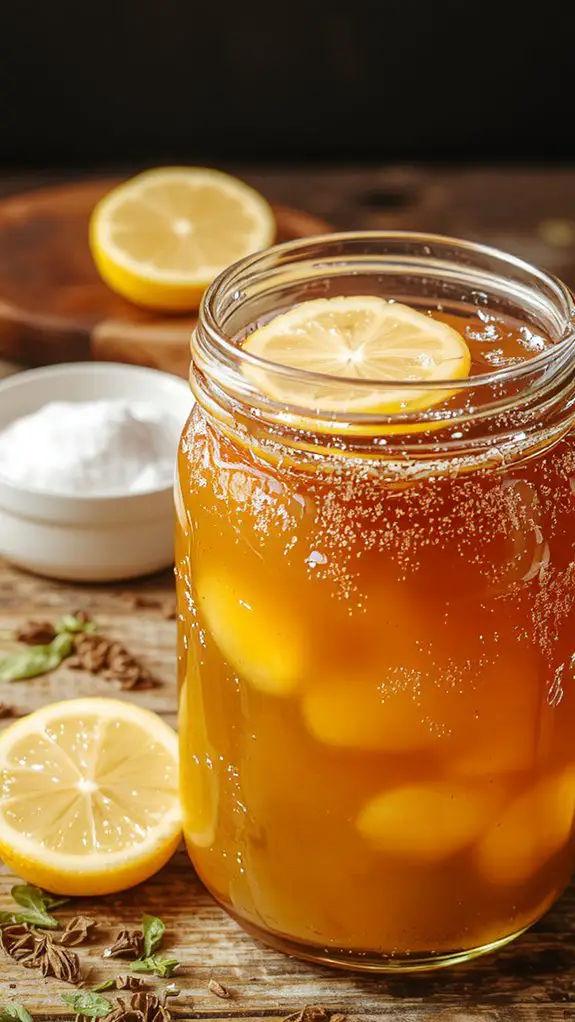
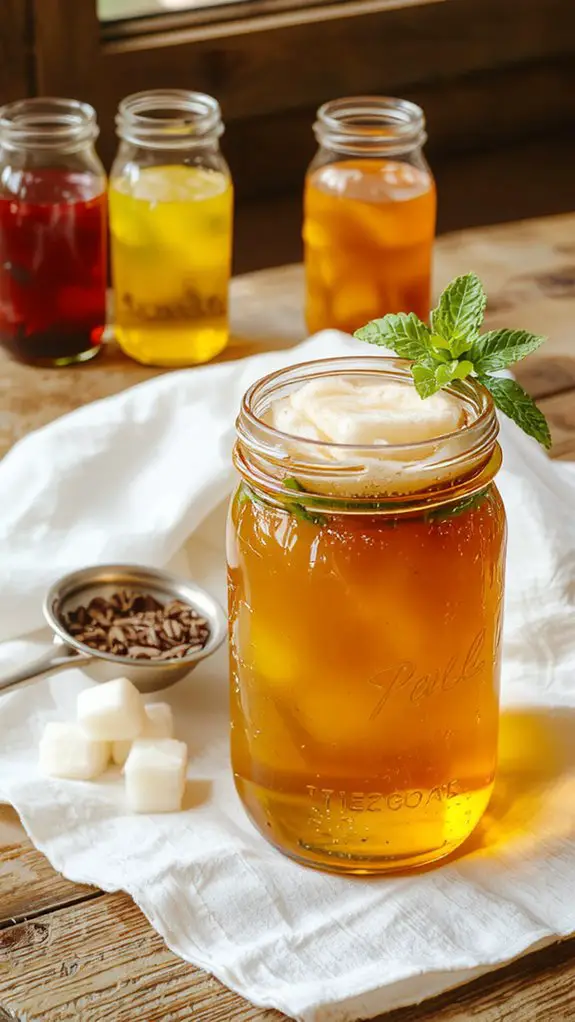
Pour the cooled tea into a clean glass jar or fermentation vessel. Add 1 cup of starter tea (previously fermented kombucha or store-bought raw kombucha) and gently place the SCOBY on top.
*Why:* The starter tea lowers the pH, creating an environment that discourages harmful bacteria.
Cover and Ferment
Cover the jar with a tightly woven cloth or coffee filter, securing it with a rubber band. This allows airflow while keeping contaminants out.
Place the jar in a warm, dark spot (70-85°F) for 7-14 days.
*Visual Cue:* You’ll know it’s ready when it tastes tangy and slightly fizzy.
Optional: Flavor Your Kombucha
Once fermented, remove the SCOBY and reserve 1 cup of kombucha as starter tea for your next batch.
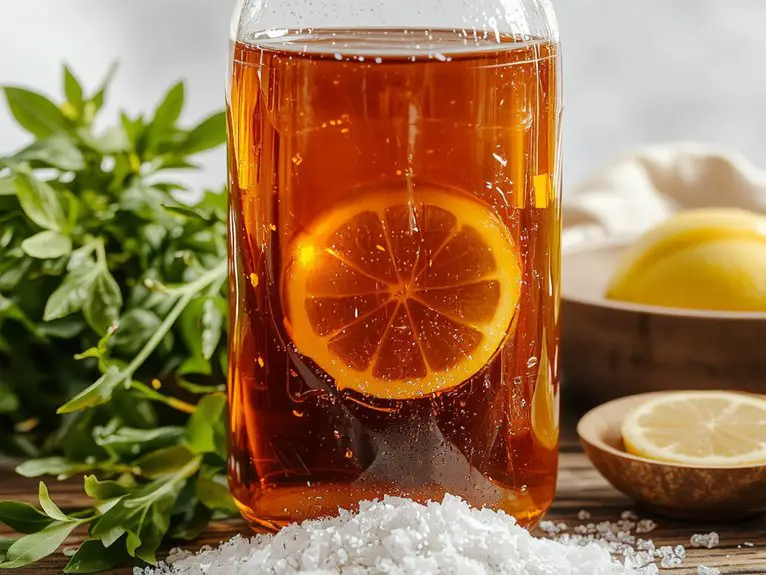
Pour the remaining kombucha into bottles and add flavorings like fruit, herbs, or juice. Seal the bottles and let them sit at room temperature for 2-3 days for secondary fermentation.
*Flexibility:* Experiment with flavors—ginger, berries, and citrus are popular choices.
Chill and Enjoy
After secondary fermentation, refrigerate the kombucha to halt the fermentation process. Chill for at least 2 hours before serving.
*Pro Tip:* Open bottles slowly over a sink—the pressure buildup can cause them to fizz over.
Store Your SCOBY
Place the SCOBY in a clean jar with the reserved starter tea. Store it in the fridge if you’re taking a break from brewing.
*Why:* This keeps the SCOBY healthy and dormant until you’re ready to use it again.
Nutrition
Kombucha is a fermented tea beverage known for its probiotic content and health benefits. Here is the nutritional breakdown for a typical serving.
| Nutrient | Amount per Serving (240ml) |
|---|---|
| Calories | 30 kcal |
| Total Fat | 0 g |
| Sodium | 10 mg |
| Total Carbohydrate | 7 g |
| Sugars | 4 g |
| Protein | 0 g |
| Vitamin B12 | 0.1 µg |
| Probiotics | 1 billion CFU |
Chef Tips
Why not elevate your kombucha game with a few expert tricks? I always use organic tea—it makes a smoother brew.
Keep your SCOBY healthy by storing it in sweet tea between batches. Ferment in a dark, warm spot (75-85°F is ideal).
For fizz, bottle tightly and burp daily. Experiment with flavors, but add them after fermentation. Happy brewing!