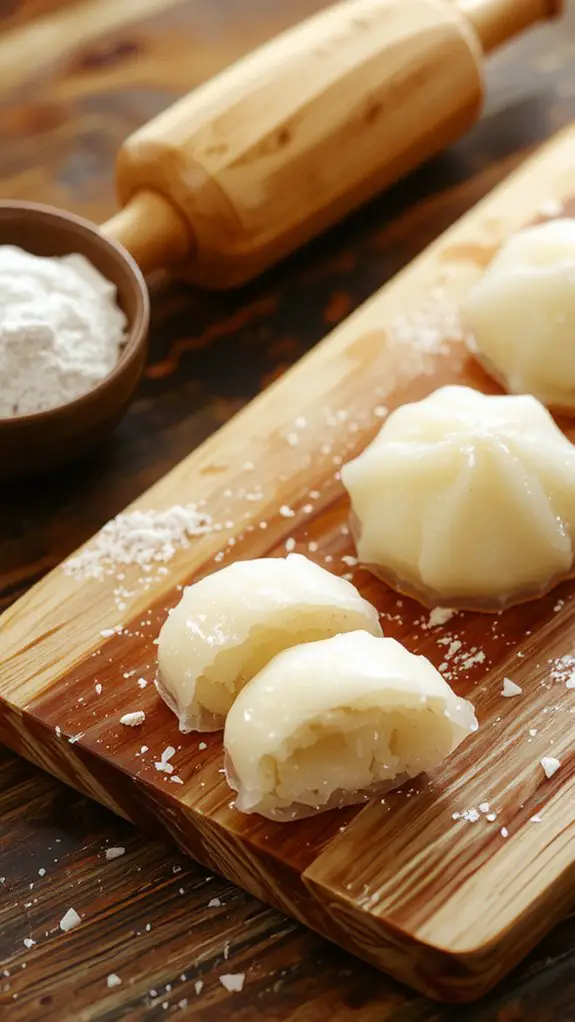
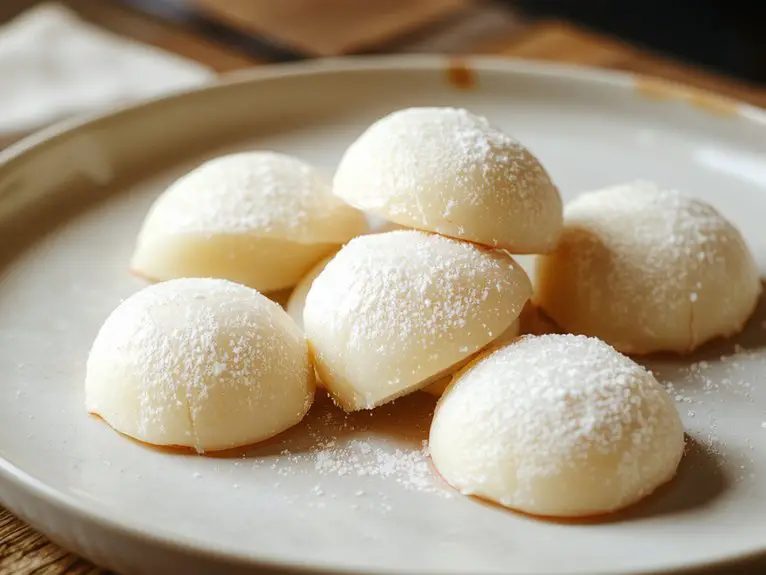
I’ve spent years perfecting my homemade mochi recipe, and I’m convinced the secret lies in the kneading. Getting that signature chewiness isn’t as simple as mixing ingredients—it’s about timing and technique. If you’ve ever wondered why store-bought mochi never quite matches the soft, pillowy texture of the traditional version, I might have the answer. The real trick starts with the right flour and doesn’t end with the filling.
Recipe
I can confidently say this homemade mochi recipe will change the way you think about this chewy, sweet treat—it’s *that* good. Made with just a handful of simple ingredients like glutinous rice flour, sugar, and water, it’s surprisingly easy to whip up, but the results are absolutely magical.
The secret? A perfectly balanced dough that’s soft, stretchy, and delightfully chewy without being sticky or dense. Whether you fill it with sweet red bean paste, fresh fruit, or just enjoy it plain, every bite is a little pocket of joy.
Trust me, once you’ve tasted homemade mochi, you’ll never go back to store-bought. Plus, making it yourself lets you customize flavors and textures to your liking—so grab your ingredients and let’s get rolling!
Ingredients
The secret to perfect homemade mochi lies in choosing the right ingredients and understanding their roles. Mochi’s signature chewy, stretchy texture comes from glutinous rice flour, and a few simple additions elevate it from basic to extraordinary. Let’s break down what you’ll need and why each ingredient matters.
Essential Ingredients:
- Glutinous Rice Flour (Mochiko): This is the foundation of mochi, providing that irresistible chew. Don’t confuse it with regular rice flour—glutinous rice flour is non-negotiable for the right texture. Look for brands like Mochiko for consistency.
- Sugar: Adds sweetness and helps create a soft, pliable dough. Granulated white sugar works, but I prefer caster sugar for its finer texture. Adjust the amount to your taste.
- Water: The hydration agent that binds the dough. Use filtered water for the cleanest taste.
Optional Add-Ins & Flavorings:
- Cornstarch or Potato Starch: Essential for dusting your work surface to prevent sticking. Cornstarch is traditional, but potato starch works equally well.
- Matcha Powder: For a vibrant green tea flavor. Use high-quality matcha for the best taste and color.
- Food Coloring: To add a pop of color if desired. Gel-based colors are more vibrant than liquid ones.
Substitutions & Tips:
- Alternative Sweeteners: If you’re avoiding refined sugar, try coconut sugar or honey, but note the texture may vary slightly.
- Flavor Variations: Swap water with coconut milk for a richer, slightly sweetened mochi.
- Storage Tip: Use a silicone mat for rolling to avoid sticking and make cleanup easier.
Little Wins:
- Toppings: Sprinkle with roasted soybean flour (kinako) or fill with red bean paste for a classic touch.
- Presentation: Add a dusting of powdered sugar or edible flowers for a picture-perfect finish.
How to Make the Best Traditional Japanese Mochi Recipe

– Serve or store. Enjoy the mochi immediately for the best texture, or store it in an airtight container at room temperature for up to 2 days. Avoid refrigeration, as it can harden the mochi and alter its chewiness.
For longer storage, wrap individually and freeze, then thaw at room temperature before serving.
Watch-out: While kneading, avoid adding too much starch, as it can dry out the mochi. Work quickly while the dough is still warm for easier handling.
Nutrition
Mochi is a delicious Japanese treat made from glutinous rice flour. Here’s the nutritional breakdown for homemade mochi.
| Nutrient | Amount per Serving |
|---|---|
| Calories | 100 |
| Carbohydrates | 22g |
| Protein | 1g |
| Fat | 0g |
| Fiber | 0.5g |
| Sugar | 6g |
Chef Tips
If you’re new to making mochi, I’d recommend starting with small batches to perfect the texture. Always use glutinous rice flour for authentic chewiness, and knead the dough thoroughly to avoid lumps.
Dust your work surface with cornstarch or potato starch to prevent sticking. Steam the dough evenly for a smooth finish.
Store mochi in an airtight container to keep it soft and fresh. Practice patience—it’s worth it!