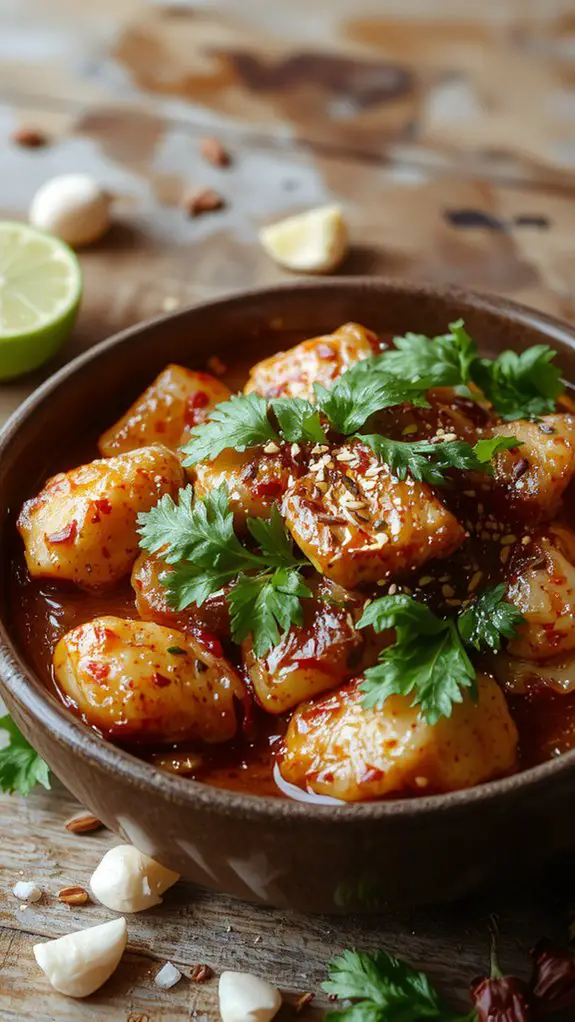
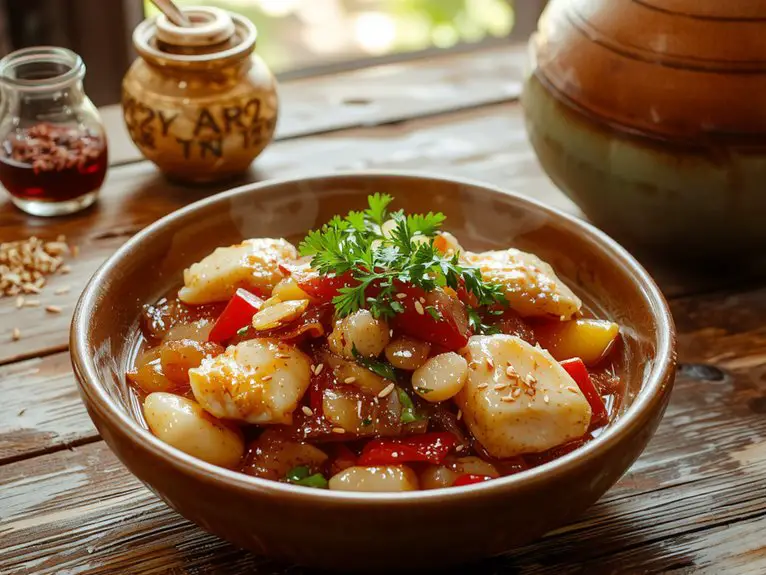
I’ve always believed the secret to the best homemade Mounjaro lies in balancing fresh herbs and spices just right. Aromatic garlic, tangy lemon, and creamy tahini create a base that’s both vibrant and comforting. Toasting the spices lightly before adding them transforms the dish into something unforgettable. But there’s a trick to achieving the perfect texture without losing the essence of the flavors—patience in simmering makes all the difference.
Recipe
If you’re looking for a recipe that’s going to blow your taste buds out of the water, this homemade Mounjaro is it. Trust me, I’ve made this more times than I can count, and it’s always a crowd-pleaser.
What makes it special? The combination of fresh, vibrant ingredients and a technique that guarantees every bite is bursting with flavor. Inspired by a cozy afternoon spent in my grandma’s kitchen, this dish feels like a warm hug on a plate.
Picture tender, melt-in-your-mouth textures paired with a rich, aromatic sauce that’s got just the right balance of sweet and savory. Whether you’re cooking for a special occasion or just treating yourself, this recipe is foolproof and absolutely worth the effort.
Let’s get into it!
Ingredients
The secret to nailing this homemade Mounjaro recipe lies in choosing the right ingredients—each one plays a vital role in balancing flavors and textures. Whether you’re a seasoned cook or a first-timer, these insider tips will help you craft a dish that’s both authentic and adaptable to your pantry.
- Fresh herbs (cilantro & mint) – The backbone of flavor. *Pro tip:* Chop them just before using to keep them vibrant. No mint? Parsley works, but the taste will be slightly different.
- Lemon juice – Freshly squeezed is non-negotiable for that bright, tangy kick. Bottled juice lacks the same punch.
- Garlic – Minced finely or grated for maximum distribution. *Swap:* Garlic powder in a pinch (use ¼ tsp per clove).
- Olive oil – Extra-virgin for richness. *Don’t skip it*—it binds everything together.
- Tahini – The creamy base. *No tahini?* Greek yogurt can sub, but the texture will be lighter.
- Chickpeas – Canned for convenience, but soaked and cooked dried chickpeas add a deeper, nuttier flavor.
- Cumin & paprika – Toasted lightly before blending for an earthy, smoky depth.
- Pita bread or fresh veggies – For serving. Warm the pita slightly—it’s a game-changer.
- Sea salt – Flaky salt to finish for a subtle crunch and burst of flavor.
*Little win:* A drizzle of chili oil or a sprinkle of sumac on top adds a restaurant-worthy touch.
Mix, taste, and adjust—this recipe thrives on personal tweaks!
How to Make the Best Authentic Mounjaro Dish
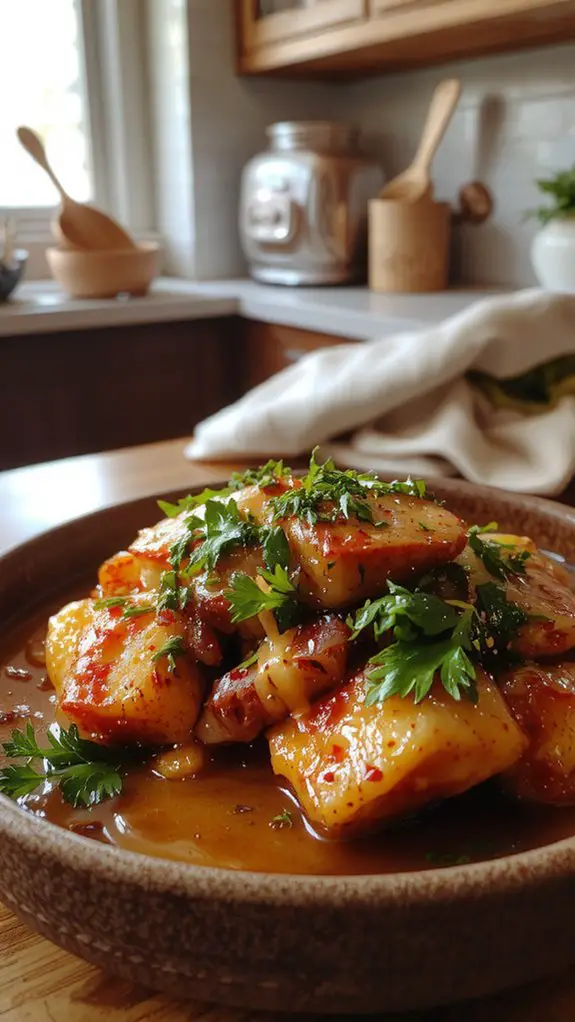
– Prepare Ingredients in Advance: Verify all ingredients are measured and ready to use. This includes chopping vegetables, marinating meats, and preheating your oven to the correct temperature.
Having everything prepared beforehand streamlines the cooking process and prevents forgotten steps or ingredients.
– Sauté Aromatics First: Start by heating oil or butter in a large skillet or pot over medium heat. Add garlic, onions, or other aromatic vegetables and sauté until softened and fragrant.
This creates a flavorful base for the dish.
– Cook Proteins Thoroughly: If your recipe includes meat or tofu, cook it until browned and fully cooked through. This confirms proper texture and flavor.
For meats, pat them dry before cooking to achieve a better sear.
– Layer Flavors Gradually: Add spices, herbs, and seasonings in stages to build depth of flavor. Toast spices briefly before adding liquids to enhance their aroma and taste.
Stir frequently to prevent burning.
– Incorporate Liquids Slowly: Pour in broths, sauces, or other liquids gradually, allowing them to mix evenly with the other ingredients.
Simmering the dish after adding liquids helps meld the flavors together.
– Simmer for Peak Taste: Let the dish simmer on low heat, covered, for the recommended time. This allows the ingredients to absorb the flavors fully and confirms tender, well-cooked results.
Avoid boiling, as it can toughen proteins and reduce sauce quality.
– Adjust Seasoning Before Serving: Taste the dish towards the end of cooking and adjust salt, pepper, or other seasonings as needed.
A final sprinkle of fresh herbs or citrus zest can brighten the flavors.
– Serve Immediately: Plate the dish while it’s hot for the best texture and taste.
Pair it with complementary sides like rice, bread, or a simple salad for a complete meal.
– Store Leftovers Properly: Cool the dish completely before transferring it to airtight containers.
Refrigerate for up to 3 days or freeze for longer storage. Reheat gently to preserve flavor and texture.
– Experiment and Customize: Feel free to tweak the recipe to suit your preferences. Substitute ingredients, adjust spice levels, or add extra vegetables to make the dish your own.
Cooking is about creativity and enjoyment!
Nutrition
Homemade Mounjaro provides essential nutrients for a balanced diet. Below is the nutritional breakdown per serving.
| Nutrient | Amount |
|---|---|
| Calories | 320 |
| Protein | 12g |
| Carbohydrates | 45g |
| Fat | 10g |
| Fiber | 6g |
| Sugar | 8g |
| Sodium | 420mg |
Chef Tips
When making Homemade Mounjaro, I always recommend prepping ingredients ahead of time to save effort later.
Use fresh spices for the best flavor—they make a huge difference.
Don’t rush the simmering; let the dish develop depth.
Taste as you go and adjust seasoning if needed.
Finally, let it rest for 10 minutes before serving—this helps the flavors meld perfectly.
Enjoy your creation!