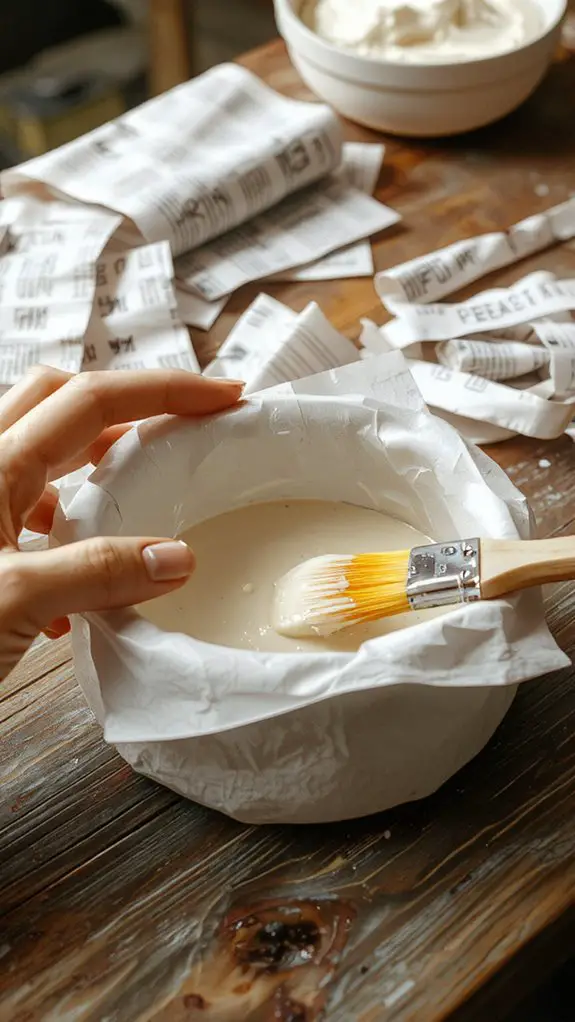
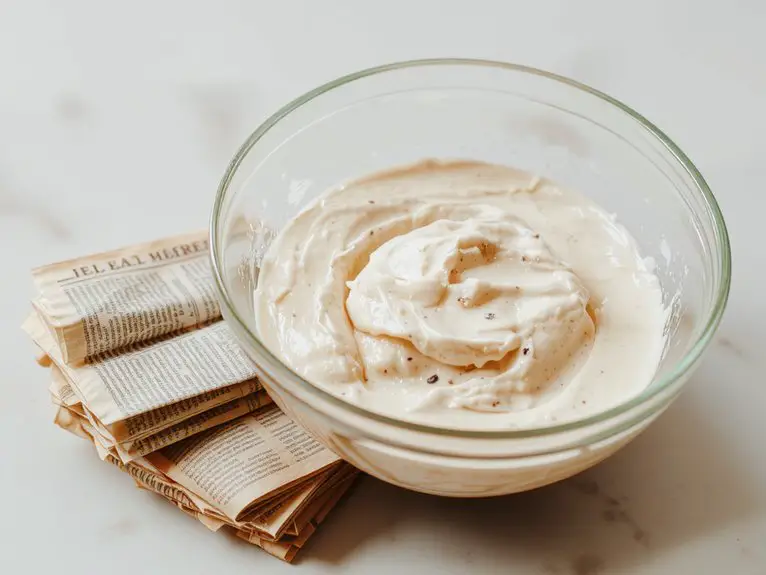
I’ve tried countless paper mache recipes, but the best one balances simplicity and durability. Start with a smooth paste of flour and water, then tweak it with glue or cornstarch for strength. The secret? A pinch of salt to keep mold at bay. If you’ve ever struggled with weak or sticky results, this method might just change your crafting game—but there’s more to it than just the mix.
Recipe
Get ready to make the most versatile, messiest, and most satisfying craft project ever with this foolproof homemade paper mache recipe! I’ve used this exact mix for everything from piñatas to Halloween masks, and trust me—once you try it, you’ll never go back to store-bought paste again.
The secret? Just flour, water, and a pinch of salt (yes, really!) combine into a smooth, sticky glue that dries rock-solid every time. Whether you’re crafting with kids or tackling a big DIY project, this recipe is forgiving, easy to whip up, and holds like a dream.
Plus, cleanup is a breeze—no weird chemicals, just simple ingredients you already have in your kitchen. Let’s get mixing!
Ingredients
When it comes to paper mache, the right ingredients can make all the difference between a flimsy mess and a sturdy masterpiece. While the recipe is simple, a few insider tweaks can elevate your project. Here’s what you’ll need, along with some pro tips and swaps to guarantee success:
- Flour: The classic binder for paper mache paste. All-purpose flour works best, but you can use whole wheat if that’s what you have on hand—just strain it to avoid lumps.
- Water: Warm water helps dissolve the flour more easily, creating a smoother paste.
- Salt: A pinch of salt prevents mold growth, especially if you’re working on a long-term project.
- White Glue (optional): If you want extra strength and durability, mix in some white school glue. PVA glue is ideal for a smoother finish.
- Cornstarch (optional): Swap flour for cornstarch if you want a finer, less gritty texture. It’s a pro tip for projects requiring a polished look.
- Newspaper or Paper Strips: The base of your creation. Recycled paper works great, but avoid glossy or coated pages—they don’t absorb the paste well.
- Whisk or Spoon: A whisk is perfect for mixing the paste smoothly, but a fork or spoon will do in a pinch.
Pro Tip: For a non-sticky finish, add a few drops of dish soap to the paste. It makes the mixture easier to work with and prevents clumping.
Non-Negotiables: Flour and water are essential—they’re the backbone of the recipe. Don’t skip them!
Little Wins: If you’re adding glue or cornstarch, your project will dry faster and have a more professional finish.
How to Make the Best Traditional Paper Mache Technique
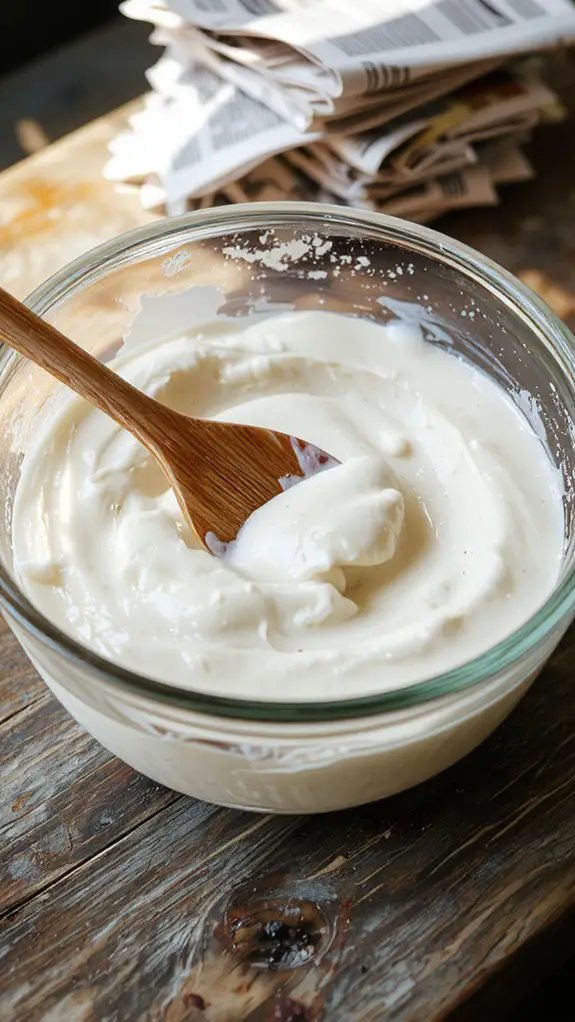
- Seal and decorate – Coat with white glue or acrylic varnish to harden.
- Then paint or embellish as desired.
*Why it matters:* Sealing prevents moisture damage and extends durability.
Nutrition
Paper mache is a simple craft project primarily using basic household ingredients. While not edible, here are the nutritional values of its common components per 100g:
| Ingredient | Calories | Protein | Carbs | Fat | Fiber | Sugar |
|---|---|---|---|---|---|---|
| Flour | 364 | 10 | 76 | 1 | 3 | 0.3 |
| Water | 0 | 0 | 0 | 0 | 0 | 0 |
| Salt | 0 | 0 | 0 | 0 | 0 | 0 |
Chef Tips
I’ve found that working with paper mache can be smoother if I keep a few practical tips in mind. First, I tear my paper into small, irregular pieces—they adhere better than cut edges.
I also use a mix of flour and water for the paste, adding a pinch of salt to prevent mold.
Applying thin layers and letting each dry fully prevents cracking and guarantees durability.