I’ve always believed that making homemade pasta dough is as much about technique as it is about ingredients. A perfect dough is soft, elastic, and just waiting to be transformed into your favorite shape. The key lies in understanding the balance between flour and eggs, along with a little patience during kneading. But what really sets it apart is the cooking process—just a few minutes can make all the difference. Getting it right is simpler than you might think.
Recipe
Once you make homemade pasta dough, there’s no going back—this recipe is a game-changer. It’s silky, elastic, and so much better than anything store-bought, with just a handful of simple ingredients: flour, eggs, and a pinch of salt.
The magic is in the texture—smooth, pliable, and ready to transform into any pasta shape you crave. Whether you’re rolling it out for fettuccine, stuffing it for ravioli, or cutting it into pappardelle, this dough is foolproof and forgiving.
Plus, there’s something deeply satisfying about working with your hands to create something so deliciously fresh. Trust me, once you taste the perfect bite of tender, al dente pasta, you’ll wonder why you didn’t start making it sooner. Let’s get rolling!
Ingredients
Great homemade pasta starts with just a few simple, high-quality ingredients—each playing an essential role in texture and flavor. Here’s what you’ll need, plus insider tricks to nail it every time:
- 00 flour – The gold standard for silky, tender pasta. Its fine grind creates a smooth dough that’s easy to roll. *Swap:* All-purpose flour works, but the texture will be slightly denser.
- Eggs – Fresh, room-temperature eggs bind the dough and add richness. *Pro tip:* For every 100g of flour, use 1 large egg (about 50g without shells).
- Semolina flour (optional) – Dusting your work surface with semolina prevents sticking and adds a subtle bite. *Bonus:* Mix a tablespoon into the dough for extra chew.
- Salt – A pinch in the dough enhances flavor, but skip it if you’re using heavily salted pasta water later.
- Olive oil (optional) – A teaspoon adds elasticity and prevents dryness. *Best for:* Eggless doughs or extra-pliable sheets for stuffed pasta.
*Non-negotiable:* 00 flour and fresh eggs—they’re the backbone of authentic texture.
Want to level up? Hand-crank your dough through a pasta roller for that signature al dente bite.
How to Make the Best Classic Egg Pasta Dough
1. Measure Ingredients Accurately
Use a kitchen scale for precision, especially with flour. Too much flour can make the dough dense and dry.
If you don’t have a scale, fluff the flour with a spoon before lightly scooping it into your measuring cup and leveling it off with a knife.
2. Create a Flour Well****
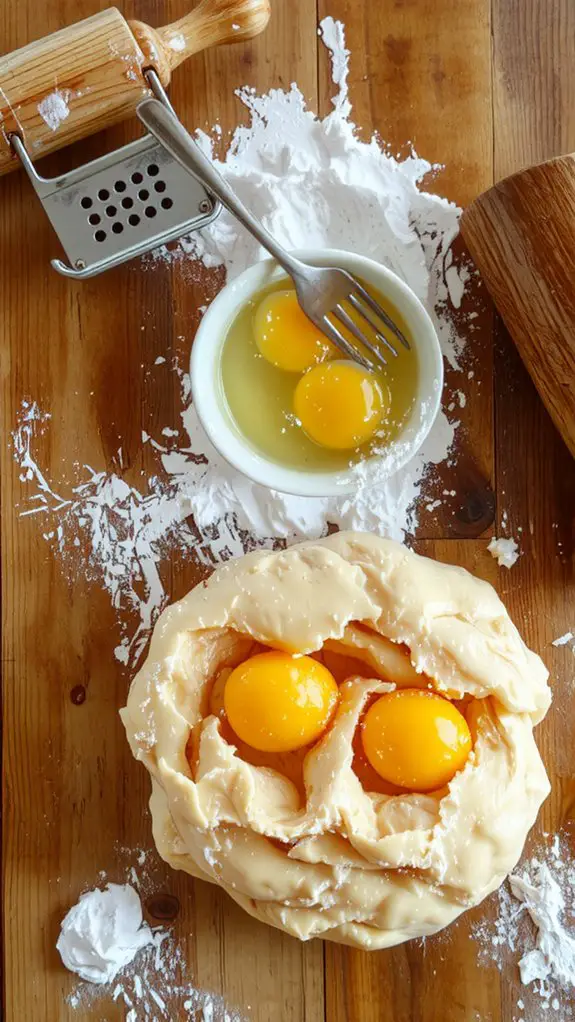
On a clean surface or in a large bowl, mound the flour and make a well in the center.
This technique helps contain the wet ingredients initially, making it easier to gradually incorporate the flour without making a mess.
3. Add Eggs and Mix Slowly
Crack the eggs into the well. Using a fork, gently beat the eggs, then gradually draw in the flour from the edges.
This slow incorporation prevents lumps and guarantees even hydration of the dough.
4. Knead Until Smooth
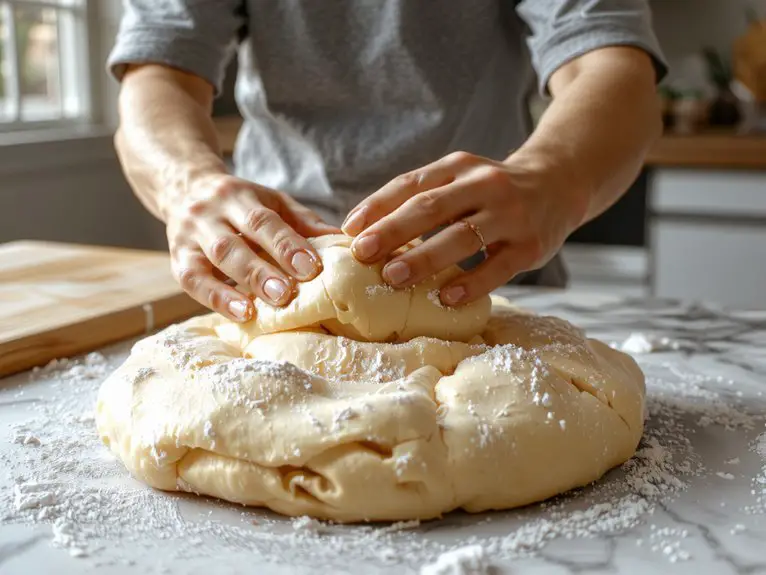
Once the dough comes together, knead it on a lightly floured surface for about 8–10 minutes. The dough should be elastic and smooth but not sticky.
Over-kneading can make it tough, so stop when it feels supple.
5. Rest the Dough
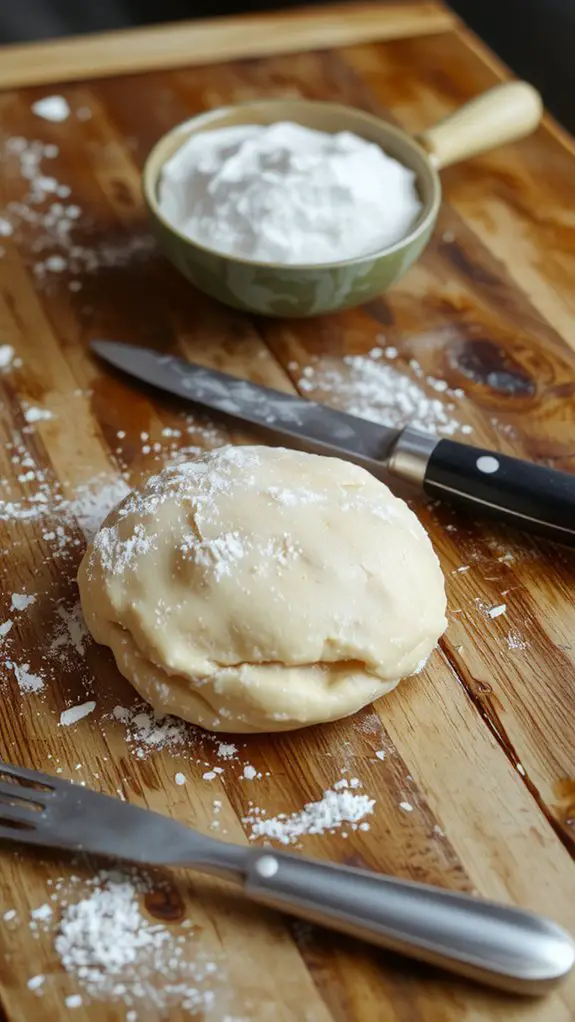
Wrap the dough in plastic wrap and let it rest at room temperature for at least 30 minutes.
This resting period allows the gluten to relax, making the dough easier to roll out later. Skipping this step can result in dough that shrinks back when rolled.
6. Roll and Shape
Divide the dough into smaller portions and roll each section thinly using a rolling pin or pasta machine.
Aim for a uniform thickness to confirm even cooking. If using a machine, start on the widest setting and gradually work your way to thinner settings.
7. Cut as Desired
Once rolled, cut the dough into your preferred pasta shape—whether fettuccine, tagliatelle, or another style.
Dust the cut pasta lightly with flour to prevent sticking and lay it out on a floured surface or drying rack until ready to cook.
8. Cook Immediately or Store
Fresh pasta cooks quickly—usually in 2–3 minutes in boiling salted water.
If not cooking right away, let the cut pasta dry completely and store it in an airtight container for up to a few days or freeze it for longer storage.
9. Pro Tip: Test Doneness
Fresh pasta cooks much faster than dried, so keep an eye on it.
Taste a piece to check for doneness—it should be tender but still have a slight bite (al dente). Overcooking can make it mushy.
10. Watch Out: Avoid Excess Flour
While flour prevents sticking, too much can make the pasta gummy when cooked.
Shake off excess flour before boiling or gently rinse the pasta after cooking if needed.
Nutrition
Making homemade pasta dough is simple and nutritious. Here’s the nutritional breakdown per serving:
| Calories | Carbs (g) | Protein (g) | Fat (g) | Fiber (g) |
|---|---|---|---|---|
| 200 | 40 | 7 | 1 | 2 |
Chef Tips
While the nutritional benefits of homemade pasta are a good starting point, I’ve found that a few key tips can elevate the dough-making process. First, use room temperature eggs for smoother mixing.
Knead the dough until it’s elastic but not tough. Let it rest covered for 30 minutes to relax the gluten.
Roll it gradually, starting thick and thinning it out. These steps guarantee consistency and ease.