
Making homemade pasta isn’t as hard as you might think, but getting it right takes a few key steps. I’ll walk you through the simple ingredients and techniques that turn flour and eggs into silky, tender noodles—no fancy equipment needed. The real trick lies in the kneading and resting, so don’t skip those. Stick around if you want pasta that beats anything from a box.
Recipe
There’s something magical about homemade pasta—it’s tender, silky, and light in a way that store-bought versions just can’t match. Once you taste fresh pasta, there’s no going back.
This recipe is my go-to because it’s simple, forgiving, and delivers restaurant-quality results without fancy equipment. Made with just flour, eggs, and a pinch of salt, it’s the kind of dish that feels both rustic and luxurious.
The dough comes together beautifully, and rolling it out is oddly therapeutic (plus, it’s a great arm workout). Whether you’re tossing it with a rich tomato sauce, a creamy Alfredo, or just a drizzle of olive oil and Parmesan, every bite is a revelation—soft, chewy, and bursting with flavor.
Trust me, once you make your own pasta, you’ll wonder why you ever settled for boxed. It’s easier than you think, and the payoff? Absolutely worth it.
Ingredients
Making homemade pasta is simpler than you think, and the right ingredients are key to achieving that perfect al dente texture. Fresh, high-quality ingredients make all the difference—your pasta should taste like it’s straight from an Italian trattoria.
The Essentials:
- 00 Flour (or All-Purpose Flour): 00 flour is the gold standard for pasta—it’s finely milled and creates a silky, smooth dough. If you can’t find it, all-purpose flour works, but your pasta might be slightly less tender.
- Eggs: Use large, fresh eggs for richness and structure. For every 100g of flour, plan on 1 egg. Pro tip: room temperature eggs blend more easily into the dough.
- Olive Oil (Optional): A drizzle adds a subtle richness and helps the dough stay pliable.
Substitutions & Tips:
- Semolina Flour: For a chewier texture, swap half the flour with semolina. It’s especially great for extruded pasta shapes like rigatoni.
- Egg-Free: Replace eggs with water or a mix of water and olive oil for a vegan version, though the dough will be less rich.
- Salt: Add a pinch to the dough for flavor, but it’s not strictly necessary—the pasta will get salted during cooking.
Little Wins:
- Fresh Herbs or Spinach: Add a handful of finely chopped herbs or blanched spinach to the dough for a pop of color and flavor.
- Dusting Flour: Keep extra flour on hand for rolling out the dough—it prevents sticking and guarantees smooth sheets.
With these ingredients, you’re set to craft pasta that’s restaurant-worthy but made with love in your own kitchen.
How to Make the Best Select Precise Recipe Title
- Prepare your workspace. Clear a large, clean surface for rolling out the dough. Lightly dust it with flour to prevent sticking. Having everything ready before you start will make the process smoother.
- Mix the dough. Combine 2 cups of all-purpose flour and a pinch of salt in a large bowl. Create a well in the center and crack in 3 large eggs. Use a fork to gradually incorporate the flour into the eggs until a shaggy dough forms. This method guarantees even hydration.
- Knead the dough. Transfer the dough to a floured surface and knead for 8-10 minutes until it becomes smooth and elastic. Kneading develops the gluten, giving the pasta its structure.
If the dough feels too dry, add a few drops of water; if too sticky, sprinkle in more flour.
- Rest the dough. Wrap the dough in plastic wrap and let it rest at room temperature for 30 minutes. Resting relaxes the gluten, making the dough easier to roll out.
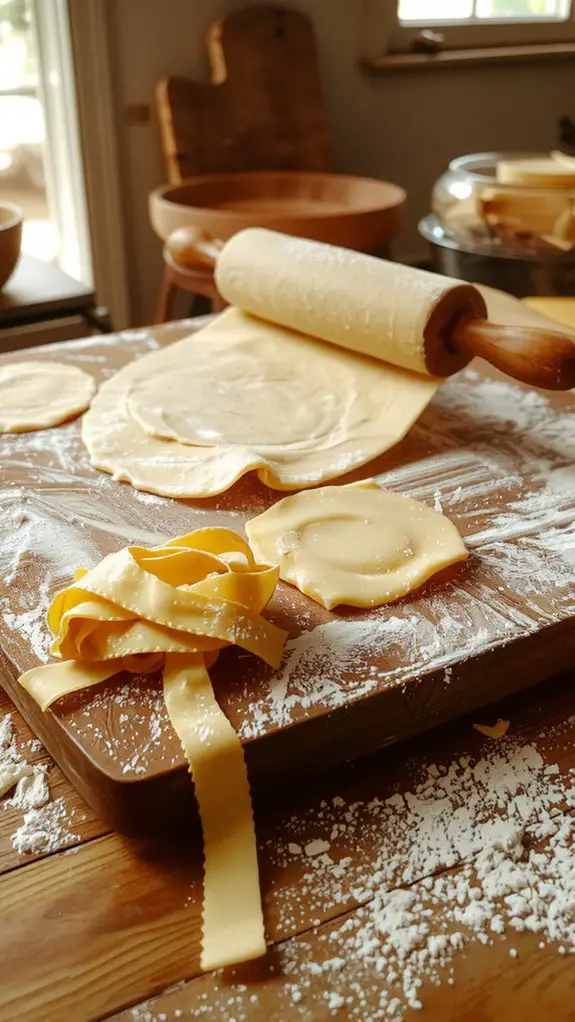
- Roll the dough. Divide the dough into 4 equal portions. Working with one piece at a time, roll it out thinly using a rolling pin or pasta machine. Aim for a thickness of about 1/8 inch. Roll from the center outward to secure even thickness.
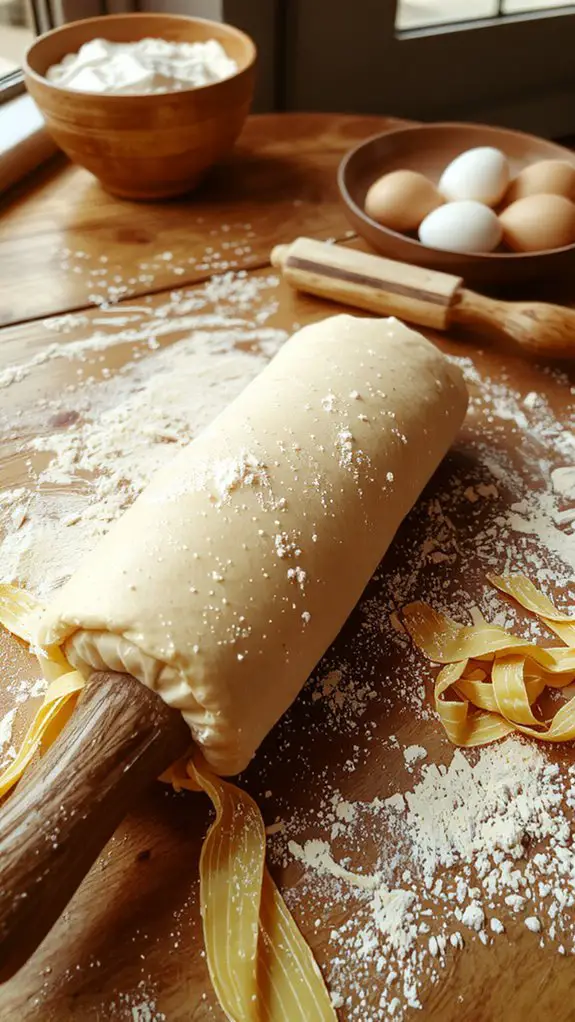
- Cut the pasta. For fettuccine, fold the rolled dough into a loose log and slice it into 1/4-inch-wide strips. Unfold the strips and lightly toss them with flour to prevent sticking. Customize the width based on your preference.
- Cook the pasta. Bring a large pot of salted water to a boil. Add the pasta and cook for 2-3 minutes, or until al dente. Fresh pasta cooks much faster than dried, so keep an eye on it.
Test for doneness by tasting a piece—it should be tender but still have a slight bite.
- Serve immediately. Drain the pasta and toss it with your favorite sauce. Fresh pasta pairs beautifully with simple butter and Parmesan or a rich tomato sauce. Serve right away for the best texture and flavor.
- Storage tip. If not cooking immediately, hang the cut pasta on a drying rack or lay it in a single layer on a floured surface to dry for up to 2 hours.
Alternatively, you can freeze it in portions for up to 2 months—no need to defrost before cooking.
– Pro tip. When rolling, dust the dough lightly with flour to prevent sticking, but avoid using too much, as it can make the pasta tough.
If using a pasta machine, start with the widest setting and gradually work your way to thinner settings for the best results.
Nutrition
This homemade pasta recipe is not only delicious but also provides a good balance of nutrients. Here’s a breakdown of its nutritional content per serving:
| Nutrient | Amount per Serving |
|---|---|
| Calories | 300 kcal |
| Carbohydrates | 55 g |
| Protein | 10 g |
| Fat | 5 g |
| Fiber | 2 g |
| Sugar | 1 g |
| Sodium | 150 mg |
Chef Tips
While crafting homemade pasta might seem intimidating, I’ve found a few tricks that’ll make the process smoother and more enjoyable.
Use ’00’ flour for a silky texture, and let the dough rest for 30 minutes to relax the gluten.
Roll the dough thin enough to see your hand through it, and keep your workspace lightly floured to prevent sticking.
Practice makes perfect—don’t stress over imperfections!