If you’ve ever wanted to make pickled beets at home but weren’t sure where to start, I’ve got a recipe that balances sweetness and tang perfectly. The key lies in the brine—get it right, and you’ll have beets that are crisp, flavorful, and versatile. But there’s one step most people overlook that makes all the difference. Let’s get into it.
Recipe
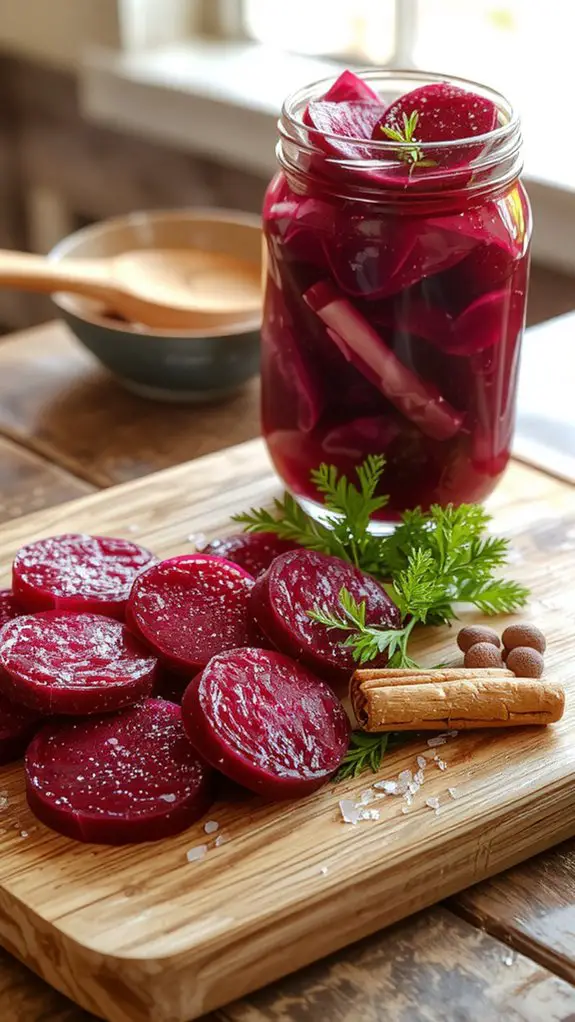
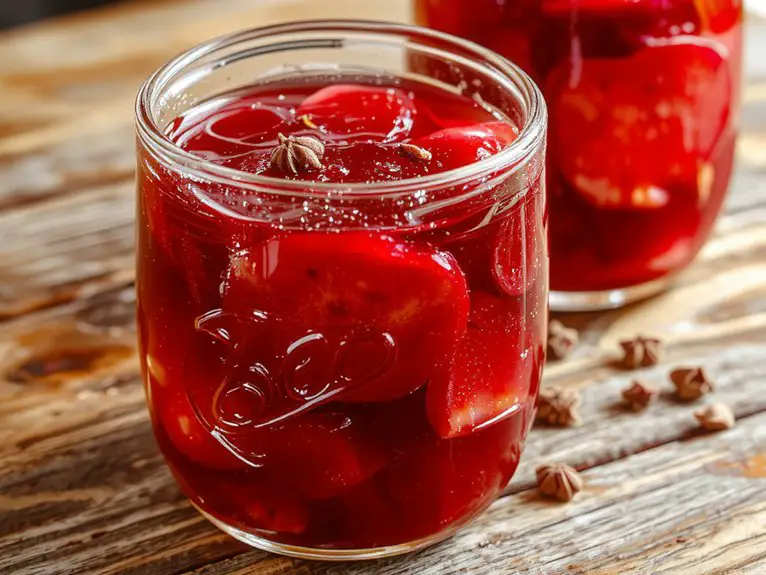
If there’s one recipe that transforms humble beets into a tangy, vibrant, and utterly crave-worthy treat, it’s this homemade pickled beet recipe. Perfectly balanced with a sweet-and-sour brine, these beets are crisp, deeply flavorful, and incredibly versatile—toss them in salads, serve them as a side, or just snack on them straight from the jar.
What makes this recipe stand out? Simplicity and quality ingredients: fresh beets, apple cider vinegar, and just the right blend of spices. I’ve been making this for years, and every time I open a jar, the earthy aroma and bright, tangy bite remind me why it’s a staple in my kitchen.
Trust me, once you try these, you’ll never go back to store-bought. Let’s get pickling!
Ingredients
When it comes to pickled beets, the ingredients you choose can make or break the final flavor and texture. Fresh, high-quality produce and the right balance of vinegar and spices are key to achieving that perfect tangy-sweet bite.
Below is your essential list, including pro tips and swaps to guarantee your pickled beets turn out irresistibly crisp and flavorful every time.
- Fresh beets: Opt for firm, medium-sized beets for the best texture. Smaller beets are often sweeter and more tender. Pro tip: Look for beets with vibrant, smooth skin and crisp greens still attached for maximum freshness.
- Apple cider vinegar: This is the star of the brine, offering a tangy, slightly fruity flavor. For a milder taste, you can use white vinegar, but apple cider vinegar adds depth.
- Sugar: A touch of sugar balances the sharpness of the vinegar. You can adjust the amount to your taste or swap in honey or maple syrup for a different sweetness profile.
- Salt: Kosher or sea salt works best to enhance flavors without being overly harsh. Avoid iodized salt, which can leave a metallic taste.
- Whole spices: Mustard seeds, peppercorns, and cloves add warmth and complexity. Pro tip: Toast the spices lightly in a dry pan before adding them to the brine for an extra layer of flavor.
- Bay leaves: These lend an earthy, aromatic note. Fresh or dried both work, but dried bay leaves are more convenient.
- Optional extras: Garlic cloves, onion slices, or fresh herbs like thyme or dill can elevate the flavor. Pro tip: Add a pinch of red pepper flakes for a subtle kick.
Non-negotiables: Fresh beets and apple cider vinegar are the backbone of this recipe—don’t skimp on these! The rest of the ingredients are flexible, so feel free to experiment and make it your own.
How to Make the Best Best Pickled Beets Recipe
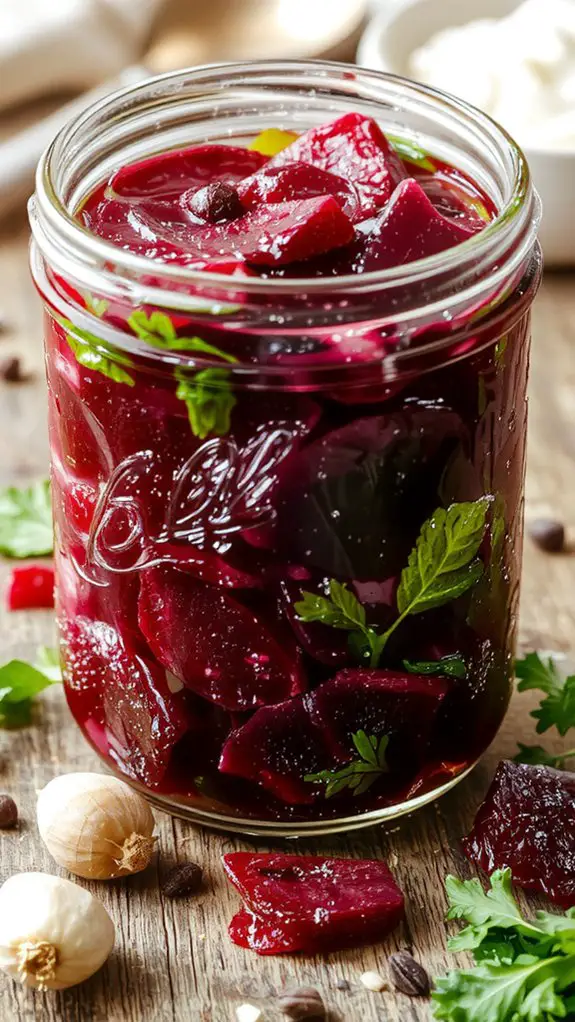
– Prepare the beets: Start by washing and peeling the beets thoroughly. Cutting them into uniform slices or cubes guarantees even pickling.
Why? Uniform pieces allow for consistent flavor absorption and texture.
Pro tip: Wear gloves to avoid staining your hands.
– Cook the beets: Place the beets in a pot, cover with water, and boil until tender but still firm, about 10-15 minutes.
Why? Cooking softens the beets slightly, making them easier to absorb the pickling liquid.
Watch out: Overcooking can make the beets mushy—aim for a fork-tender texture.
– Prepare the brine: While the beets cook, combine apple cider vinegar, water, sugar, and salt in a saucepan.
Add spices like cloves, cinnamon, or peppercorns for extra flavor. Bring to a boil, then simmer for 5 minutes.
Why? Boiling the brine guarantees the sugar and salt dissolve completely, creating a balanced flavor base.
Pro tip: Taste the brine and adjust sweetness or tartness to your preference.
– Combine beets and brine: Once the beets are cooked, drain and transfer them to sterilized jars.
Pour the hot brine over the beets, making sure they’re fully submerged.
Why? Submerging the beets in brine prevents spoilage and guarantees even pickling.
Watch out: Use clean jars to avoid contamination and preserve freshness.
– Cool and refrigerate: Let the jars cool to room temperature, then seal and refrigerate for at least 24 hours before serving.
Why? This resting time allows the flavors to meld and intensify.
Pro tip: Letting them sit longer (up to a week) enhances the flavor even more.
– Serve and enjoy: Use pickled beets as a tangy side dish, salad topping, or sandwich garnish.
Why? Their vibrant color and bold flavor add a revitalizing twist to meals.
Flexibility: Store in the fridge for up to 2-3 weeks for peak freshness.
Nutrition
Pickled beets are a flavorful and nutritious addition to meals. Here’s the nutritional breakdown per serving:
| Nutrient | Amount per Serving |
|---|---|
| Calories | 50 kcal |
| Total Fat | 0 g |
| Sodium | 120 mg |
| Total Carbs | 12 g |
| Dietary Fiber | 2 g |
| Sugars | 9 g |
| Protein | 1 g |
Chef Tips
Mastering pickled beets requires a few simple tricks to elevate flavor and texture. I always slice the beets evenly to guarantee they pickle uniformly.
Use fresh spices like cinnamon sticks or cloves for depth of flavor.
Don’t skip blanching—it keeps the beets tender but firm.
Finally, let them marinate for at least 24 hours; patience secures a balanced, tangy bite. Enjoy experimenting with vinegar types for variety.