I’ve tried countless pie crust recipes, but the secret to the perfect one lies in balancing simplicity with technique. Using cold butter and minimal handling guarantees a flaky texture, while vinegar or vodka adds tenderness without compromising structure. Yet, the real magic happens when you master the rolling and baking process. If you’re ready to elevate your pie game, there’s one method that stands out above the rest.
Recipe
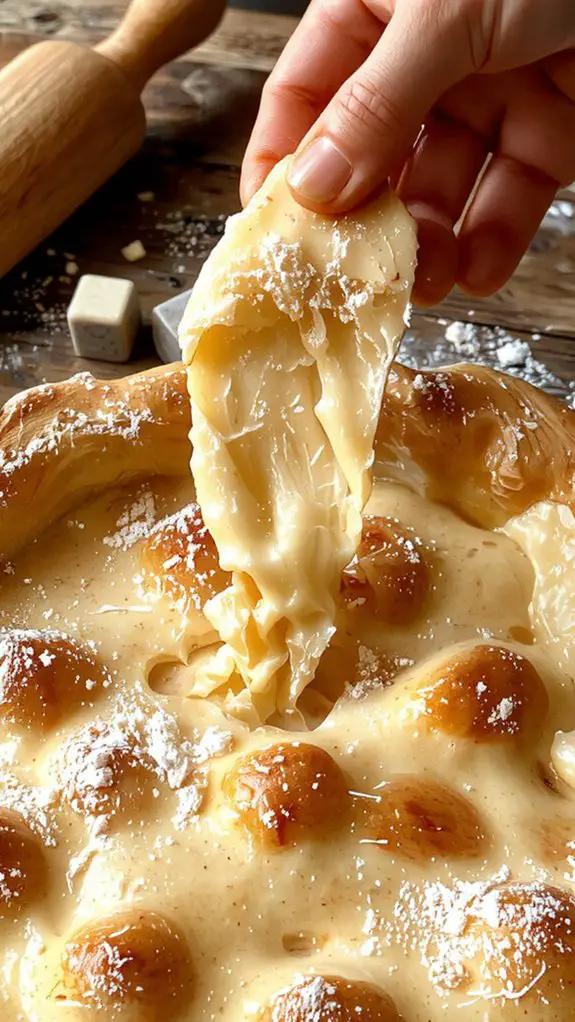
This pie crust is the real deal—flaky, buttery, and downright foolproof. I’ve made this recipe more times than I can count, and I can confidently say it’s the only one you’ll ever need.
The secret? A perfect balance of cold butter and just enough ice water to bring it all together without overworking the dough. I learned this method from my grandma, who swore by keeping things simple but precise.
The result? A golden, tender crust that shatters with every bite, whether you’re filling it with sweet apples or savory quiche. Trust me, once you try this, store-bought crusts will feel like a distant memory.
Let’s get rolling!
Ingredients
The secret to a flaky, buttery pie crust lies in the ingredients—quality matters, but so does technique. Cold is key: keep everything chilled, from the butter to the water, to guarantee layers that shatter with each bite.
Here’s what you’ll need, with insider tricks to make it foolproof:
- All-purpose flour – The backbone of your crust. For extra tenderness, swap 1-2 tbsp with cornstarch.
- Unsalted butter (very cold) – Non-negotiable. Freeze it for 15 minutes before grating or cubing for easier blending. *Pro tip:* European-style butter (higher fat content) = next-level flakiness.
- Salt – Balances the richness. Use fine sea salt to avoid uneven distribution.
- Ice water – Add 1 tbsp at a time until the dough *just* comes together. Overworking = tough crust.
- Vinegar or vodka (optional) – 1 tsp of either inhibits gluten formation for a tender bite. Vodka evaporates faster, leaving no taste.
*Flexible swaps:* No butter? Lard or shortening (chilled) can replace half the butter for a crispier texture.
Need a dairy-free version? Coconut oil (solid) works, but expect a slightly sweeter flavor.
*Little win:* Brush the baked crust with egg wash (1 egg + 1 tbsp water) for a glossy, golden finish.
How to Make the Best Flaky Butter Crust Method
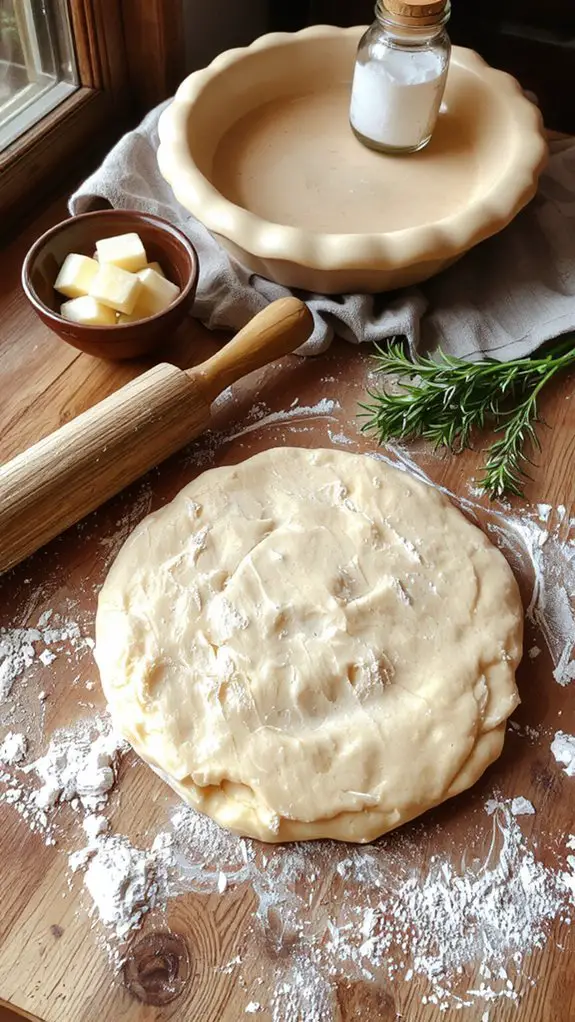
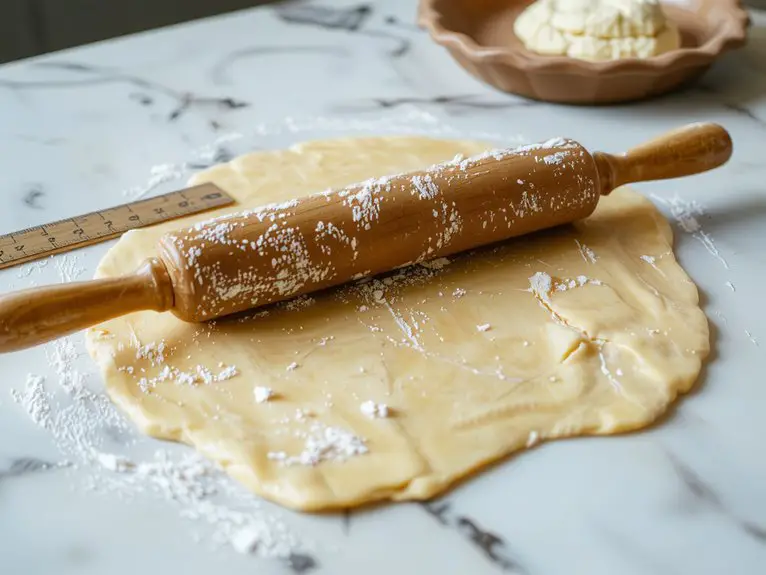
– Roll out the crust – On a lightly floured surface, roll each disk into a 12-inch circle. Rotate the dough occasionally to prevent sticking.
If it cracks, patch it gently—perfection isn’t necessary!
– Transfer to pie plate – Carefully fold the dough in half or quarters, then unfold it into the plate. Press it in gently, leaving no air pockets.
Trim excess edges, leaving a 1-inch overhang for crimping.
– Pre-bake or fill as needed – For recipes requiring a pre-baked crust, prick the bottom with a fork, line with parchment, and fill with pie weights.
Bake at 375°F (190°C) for 15 minutes. Otherwise, fill and proceed with your pie recipe.
Pro Tip: If the dough gets too soft while rolling, pop it back in the fridge for 10 minutes. Cold dough = flaky layers!
Watch Out: Overworking the dough develops gluten, leading to a tough crust. Handle it as little as possible.
Nutrition
Nutritional information for this homemade pie crust recipe is based on a standard serving size.
| Nutrient | Amount per Serving |
|---|---|
| Calories | 120 kcal |
| Total Fat | 8 g |
| Saturated Fat | 5 g |
| Cholesterol | 20 mg |
| Sodium | 150 mg |
| Carbohydrates | 10 g |
| Fiber | 0 g |
| Sugar | 0 g |
| Protein | 2 g |
Chef Tips
Since mastering a homemade pie crust can be tricky, I’ve found that keeping the ingredients cold is key to achieving flaky layers. Work quickly to prevent the butter from melting, and don’t overmix—just until the dough comes together.
Let it rest in the fridge before rolling. A splash of vinegar or vodka keeps it tender. Blind bake for crisp bottoms. Practice makes perfect!